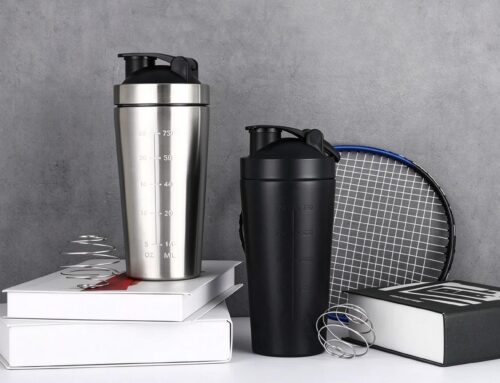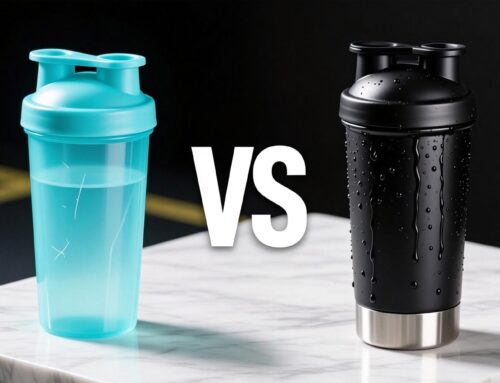
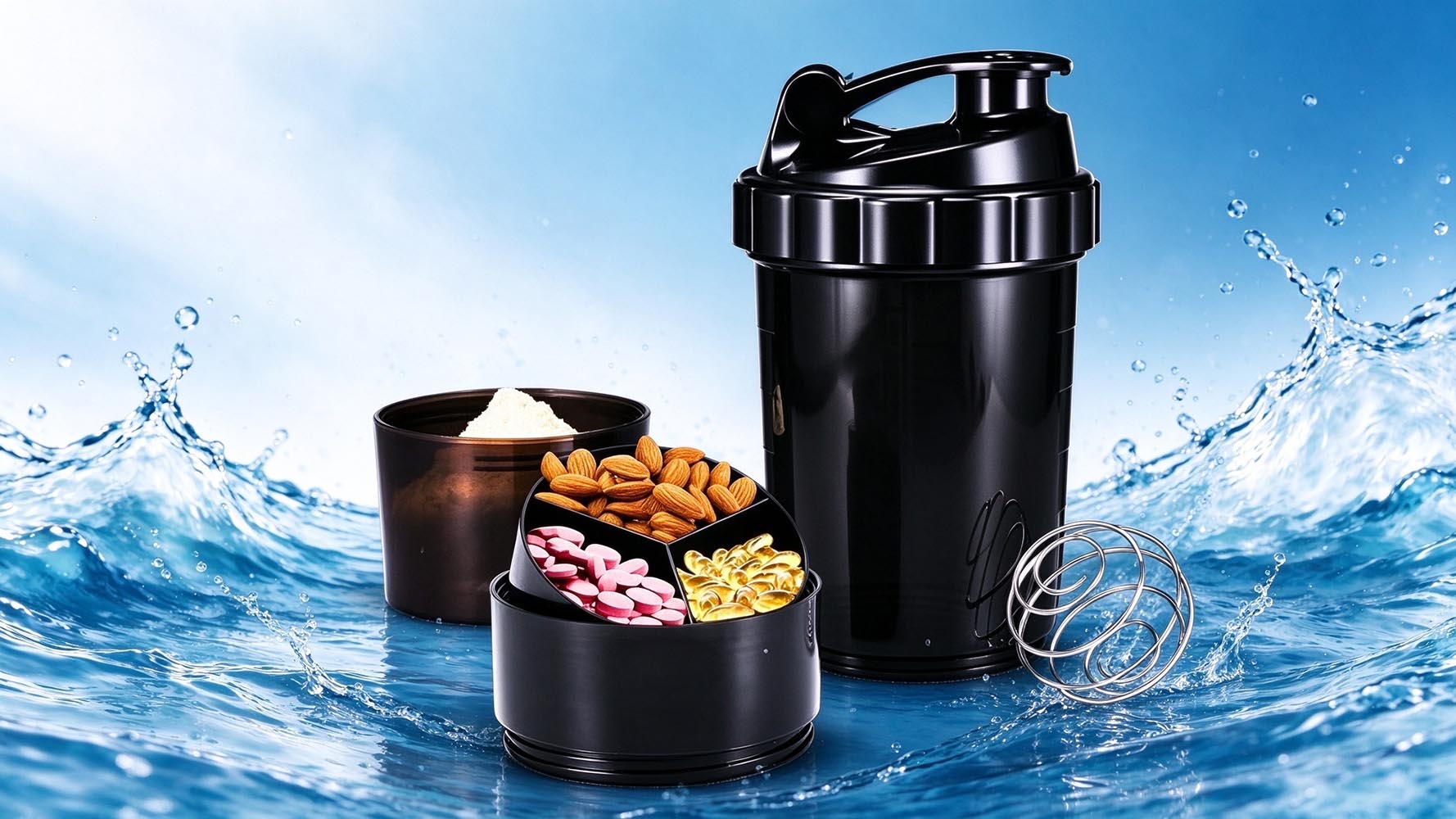
Most shake bottles are not equipped with compartments, and they can only hold liquid. But shakers with powder storage can hold powder as well as liquid and get the supplies you need for training all day.
At 6 AM, in a US gym, a trainer unscrewed the bottom of the shaker, poured the powder into the water, and shook it well. No blender, no scooped baggie, no second container for creatine. In this design change, a sealed powder storage compartment is built into the bottle, which turns a commodity accessory into a premium product category.
In 2025, the market sales of sports nutrition and energy supplements in the United States reached $13.22 billion, more than $5 billion higher than the second largest category. The demand for water bottles in North America continues to tilt towards reusable water bottles. As a leading OEM drinkware maker, KingStar has been manufacturing customized water bottles since 2002, providing shakes certified by FDA, LFGB, and California Prop 65 for European and American brands.
This article only focuses on one question: why does the built-in powder storage compartment become a bestseller? What parameters do brands need to specify before placing an order?
Why Is a Protein Shaker with Powder Storage a Bestseller Feature?
What Specific Problem Does the Built-in Compartment Solve?
The standard protein powder shaker can only hold one of them. You need another container to hold the other two, a pill organizer or another bottle. A 100–150 ml built-in powder storage compartment can store these three supplements at one time.
This powder storage compartment also helps users simplify decision-making. Users just need to pack the bottle once, and don’t have to worry about “What do I bring today?”
Which US Consumer Segments Drive the Most Demand?
The buyers of shake bottles are mainly divided into three categories.
Multi-supplement users will prepare protein powder, creatine, BCAAs, or pre-work at one time. They are the core buyers of the dual-compartment powder shaker style. Many users mentioned that protein powder was put in the big compartment and pills or creatine in the smaller one.
Commuter athletes often take time off to exercise before work or during lunch break. Their bottles must be able to fit into the car cup holder, and there should be no leakage on the commute. Alpha Designs launched a 1L shaker with a “fits car cup-holder design,” which also confirmed that portability is the core use scenario.
GLP‑1 users are emerging customers. A national survey in 2026 showed that GLP‑1 users spent $449 on fitness every month, almost four times that of non-drug users ($120); they are also more willing to apply for gym memberships and supplements. This group of people have sufficient disposable income and have an interest in protein intake and quantity control.
All three types of people have compressed schedules. They are willing to spend money on products that can simplify the process, rather than products with fancy functions.

Click and read more: Leak-Proof Protein Shaker Design: Engineering Secrets Every Brand Should Know
What Makes a Powder Storage Compartment Actually Work?
Which Materials Perform Best for Powder and Liquid Separation?
Material selection will affect odor retention, durability, and texture impression. Generally speaking, there are three mainstream materials to choose from, and the comparison is as follows:
| Material | Key Properties | Best For | Trade-off |
|---|---|---|---|
| Tritan Copolyester | BPA-free, resists protein odor retention, high impact resistance | Premium shakers, flavor-sensitive users | Higher material cost |
| Polypropylene (PP) | BPA-free, lightweight, economical | Cost-sensitive SKUs, entry-level | Retains odors over time |
| 304 Stainless Steel | Durable, no plastic contact, strong insulation | Premium and insulated lines | Needs food-grade gaskets; heavier |
Tritan is the first choice for mid-to-premium shakers, which just solves a high-frequency complaint: residual odor of protein powder. One Amazon reviewer noted that “continuous use of the supplement leaves a permanent smell of flavor in the shaker that doesn‘t go away.” Tritan resists that buildup better than standard PP.
KingStar also manufactures stainless steel insulated protein powder shake bottles with built-in mixing balls. The cup body is made of 304 stainless steel and supports a customized brand logo.
Click and read more: Stainless Steel vs. Plastic Protein Shakers: Which Material Wins for B2B Sourcing?
Why Do US Brands Choose Custom Protein Shakers with Powder Compartments?
How Does Built-in Storage Support Brand Differentiation and Pricing Power?
A basic 700 ml plastic shaker bottle with a screw cap has almost no difference in functions made by dozens of suppliers. Playing a price war on this track will only lead to a vicious low-price race.
The powder storage compartment allows a brand to tell a functional story around the pain points of users. A shaker with storage is a system, not a cup. This set of selling points can be used to fill Amazon A+ pages, retail packaging, and social media content, and the effect is far from being comparable to “BPA-free.”
BlenderBottle ProStak is a typical business success story. Its twist-and-lock powder storage container supports free expansion and compartmentation, and many buyers commented that it “total game changer”. Forme Shaker relies on a simple appearance and an integrated powder storage compartment to build a brand and successfully enter the mainstream retail channels under major lines.
What Certifications and Quality Controls Are Required for the US Market?
All shake bottles sold in the United States must meet the requirements of the FDA for food-contact materials. Brands that intend to sell to California (most brands will do the California market) also need to comply with California Prop 65. This proposal sets limits on the content of heavy metals such as lead and cadmium in the exterior decoration of products.
The certification checklist for US-bound shaker bottles:
| Certification | Requirement | Why It Matters |
|---|---|---|
| FDA Food Contact | 21 CFR compliance for all food-touching materials | Baseline legal requirement |
| California Prop 65 | Lead <0.06%, cadmium <0.48% in exterior decoration | Required for CA sales; de facto national standard |
| BPA-Free | No BPA in plastics | Consumer expectation, often legally required |
| LFGB | German food-contact standard | Signals premium quality; useful for broader distribution |
How Does Powder Storage Compare to Traditional Shaker Bottles?
What Should Buyers Look for in a Protein Shaker with Powder Storage?
Which Specs Matter Most for Leak Proofing and Durability?
For brands specifying a storage shaker, these values correlate with end-user satisfaction:
| Specification | Recommended Value | Why |
|---|---|---|
| Main bottle capacity | 650ml (22oz) | Most requested by US brands; fits cup holders |
| Powder compartment | 100–150ml (30–40g) | Holds one standard scoop |
| Sealing method | Independent silicone gasket | Blocks moisture migration |
| Body material | Tritan or 304 stainless | Odor resistance, durability |
| Certifications | FDA, Prop 65, BPA-free | Legal and market requirements |
A leak-proof screw cap is now the basic requirement of consumers. Alpha Designs mainly promotes its own “leakproof screw cap and seal” against pop-lid designs that wear out. For the powder storage compartment, the sealing quality directly determines whether this design is a plus item or frustrated the user.
How Can Brands Verify Supplier Quality Before Ordering?
Supplier verification for storage shakers takes four steps.
Conclusion
The core of the reason why the built-in powder compartment can become a selling point is to simplify the process. Multi-supplement users who need a variety of supplements don’t have to carry a bunch of small containers; the Commuter Fitness party doesn’t have to make drinks in advance and let them warm in the bag. Sports enthusiasts who are short of time don’t have to worry about what supplies to bring every day.
For brands, this design creates a differentiated selling point and supports high-end pricing in a highly competitive track. However, it has rigid requirements for technology: an independent sealing structure, a high-quality sealing ring, and a suitable material. Whether you can retain customers or trigger a large number of returns, the gap lies in these details. And if you have any questions about shakers with compartments, welcome to contact us through sales@waterbottle.tech, and we’ll reply within 24 hours.
FAQ
Reference
New Hope Network, https://www.newhope.com/natural-product-trends/editors-take-fitness-and-energy-supplements-set-the-pace
Nutraceuticals World, https://www.nutraceuticalsworld.com/exclusives/u-s-supplement-sales-hit-72-88-billion-as-sports-nutrition-and-digital-discovery-drive-growth/
Athletech News, https://athletechnews.com/glp-1-users-spend-nearly-4x-more-on-fitness-new-study-finds/
RLC Global Forum, https://rlcglobalforum.com/retail-insights/glp-1-impact-on-retail/

Specializing in custom manufacturing, quality control and marketing of vacuum-insulated drinkware and coolers.