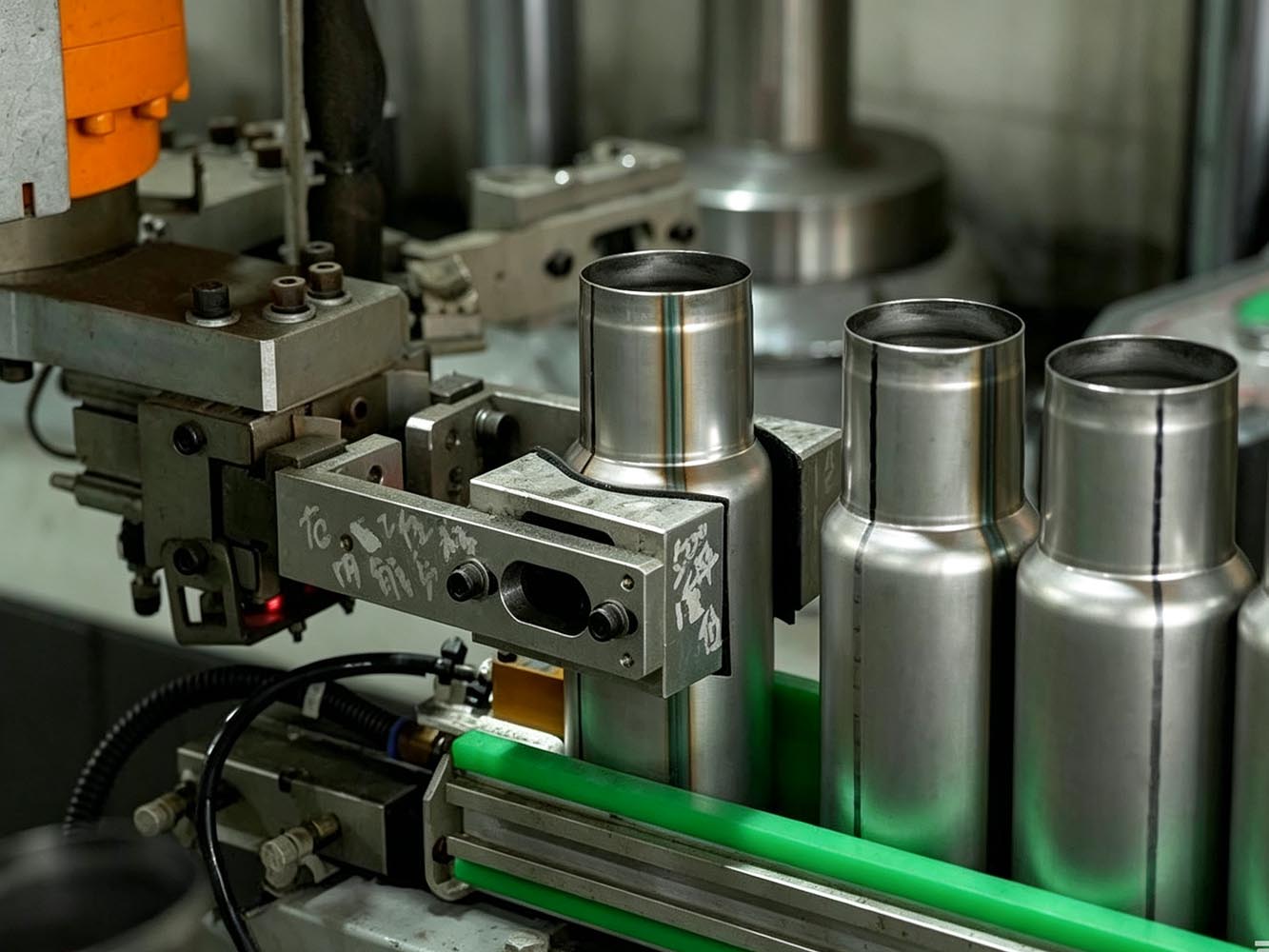
Vacuum Insulation Engineering

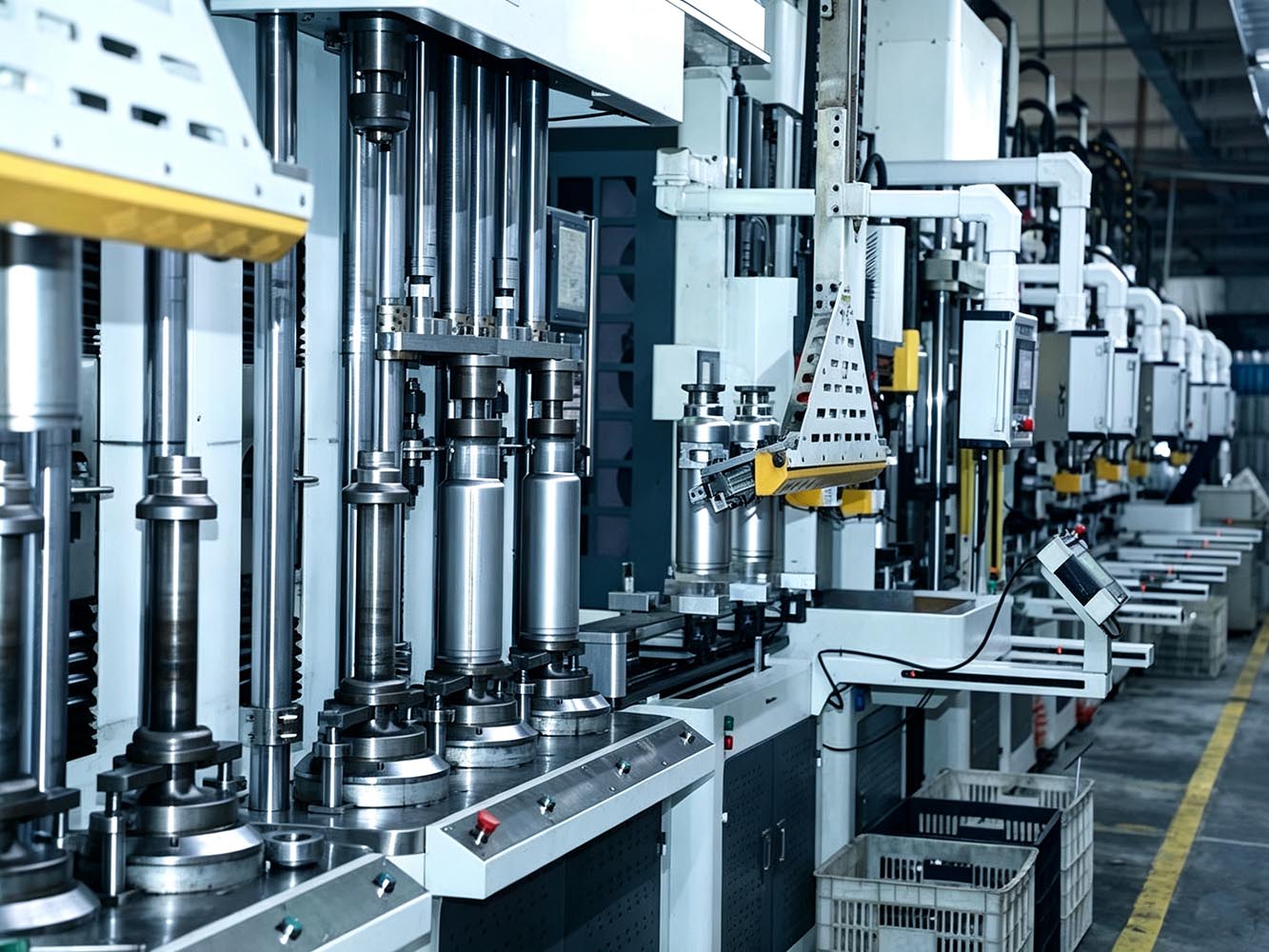
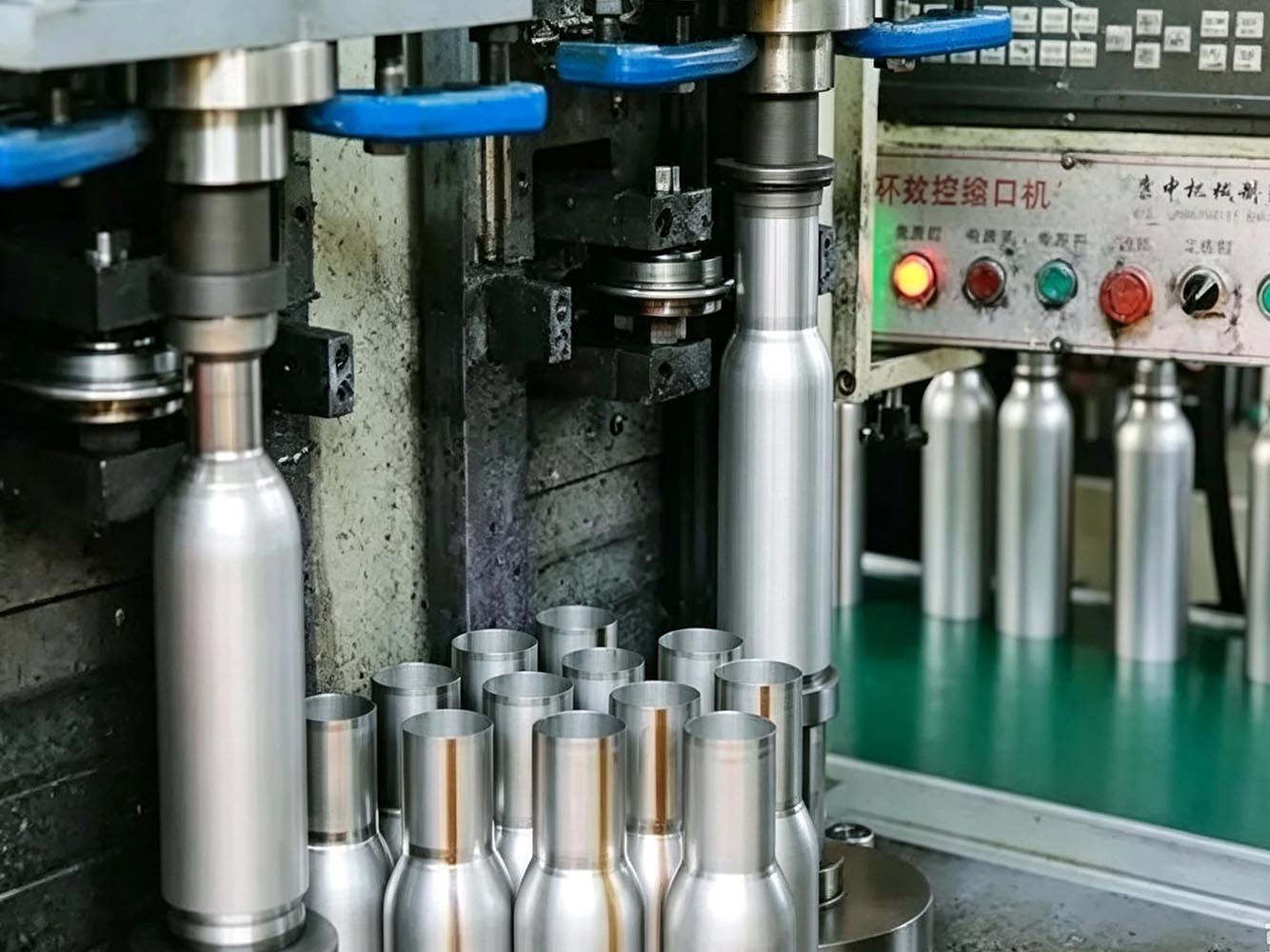
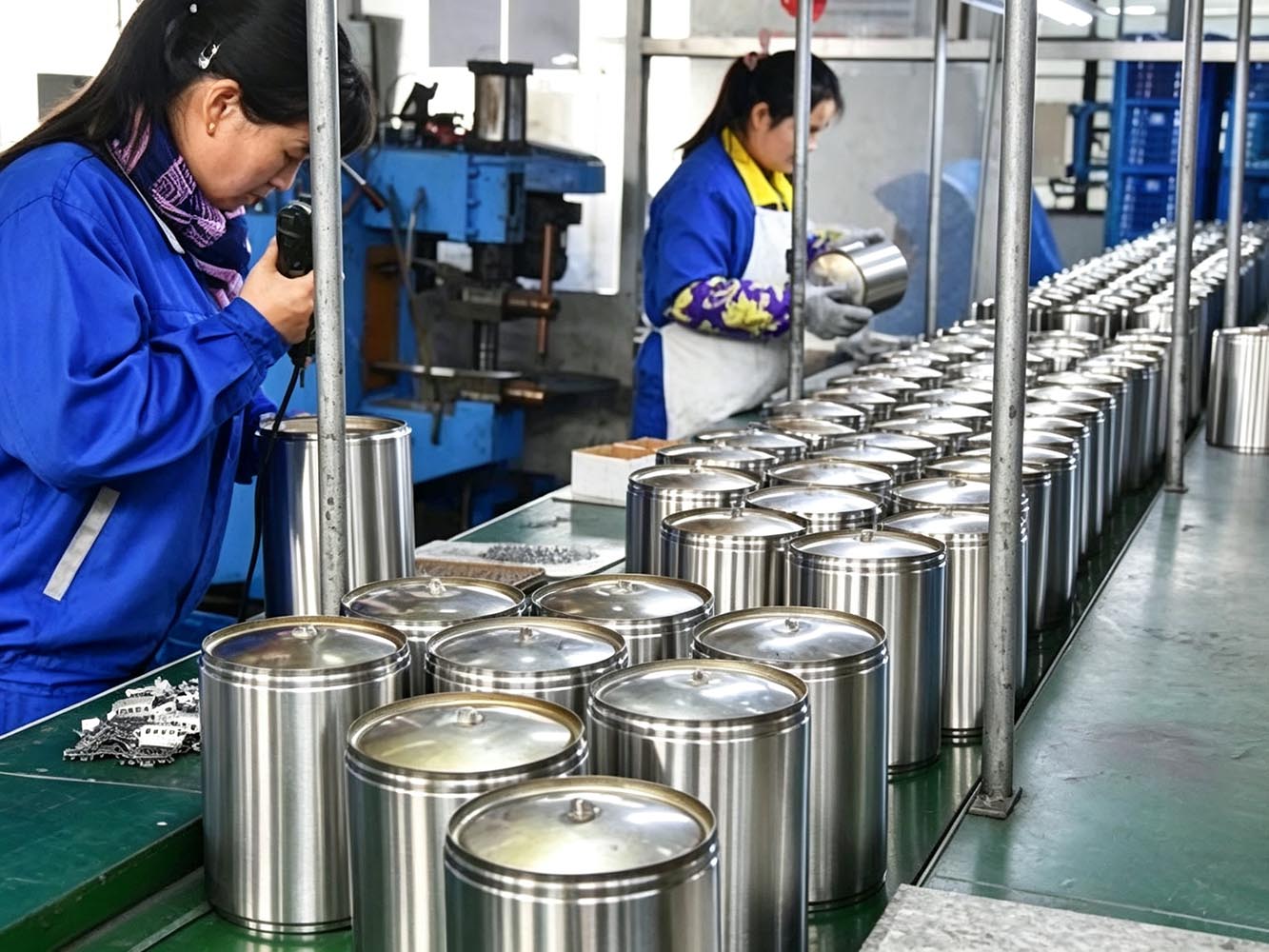
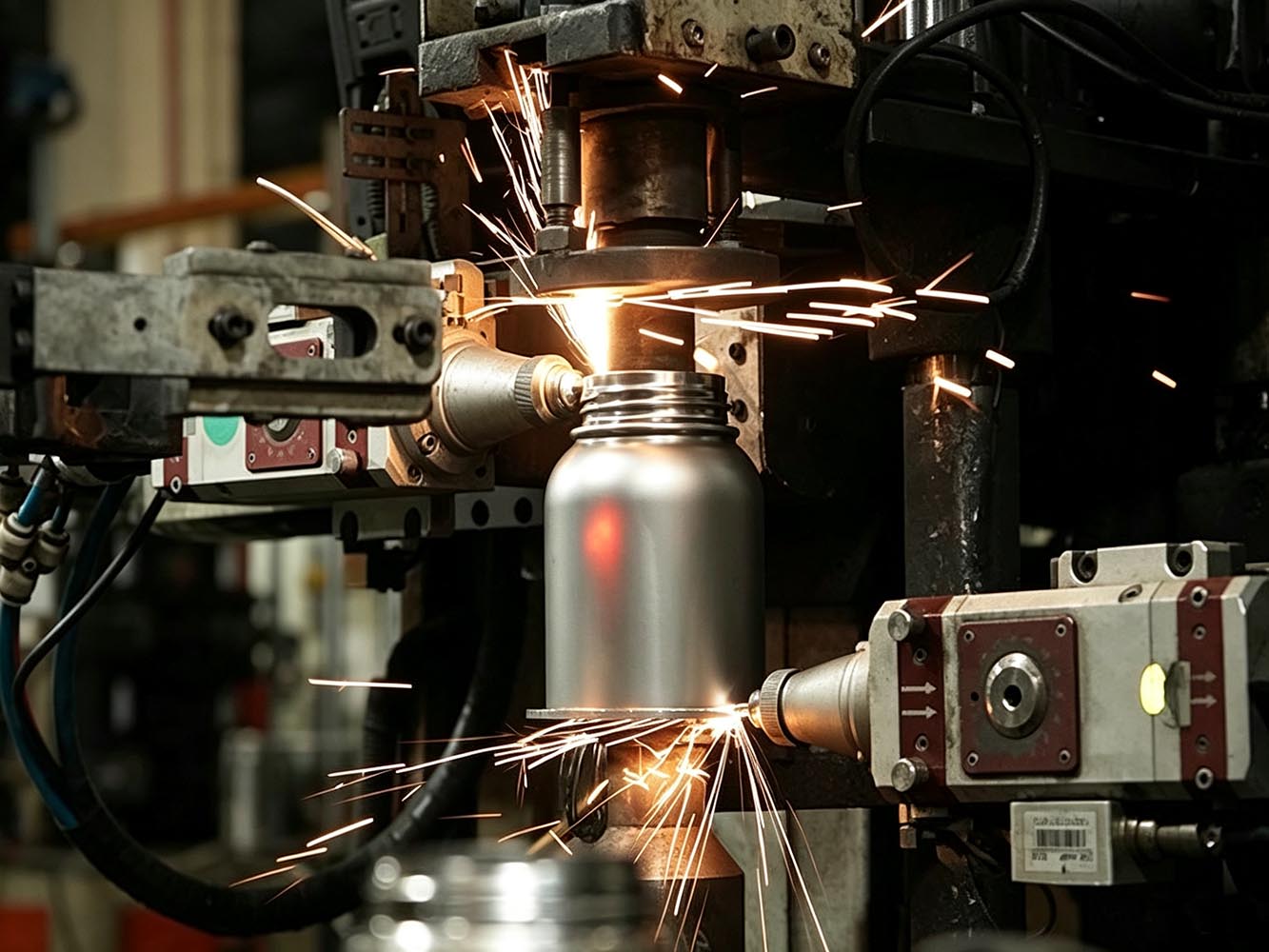
The vacuum insulation performance is not only determined by a certain production process. It depends on the structural design, vacuumizing, sealing, and testing of the water bottle, and whether it can be stably put into mass production.

As an experienced manufacturer of vacuum flasks, we follow up the whole project, from sample development to production verification to continuous batch quality control. We work with brands, wholesalers, and OEM/ODM buyers and develop vacuum insulated water bottles and tumblers according to the specified insulation index, customized size, and stable mass production requirements.
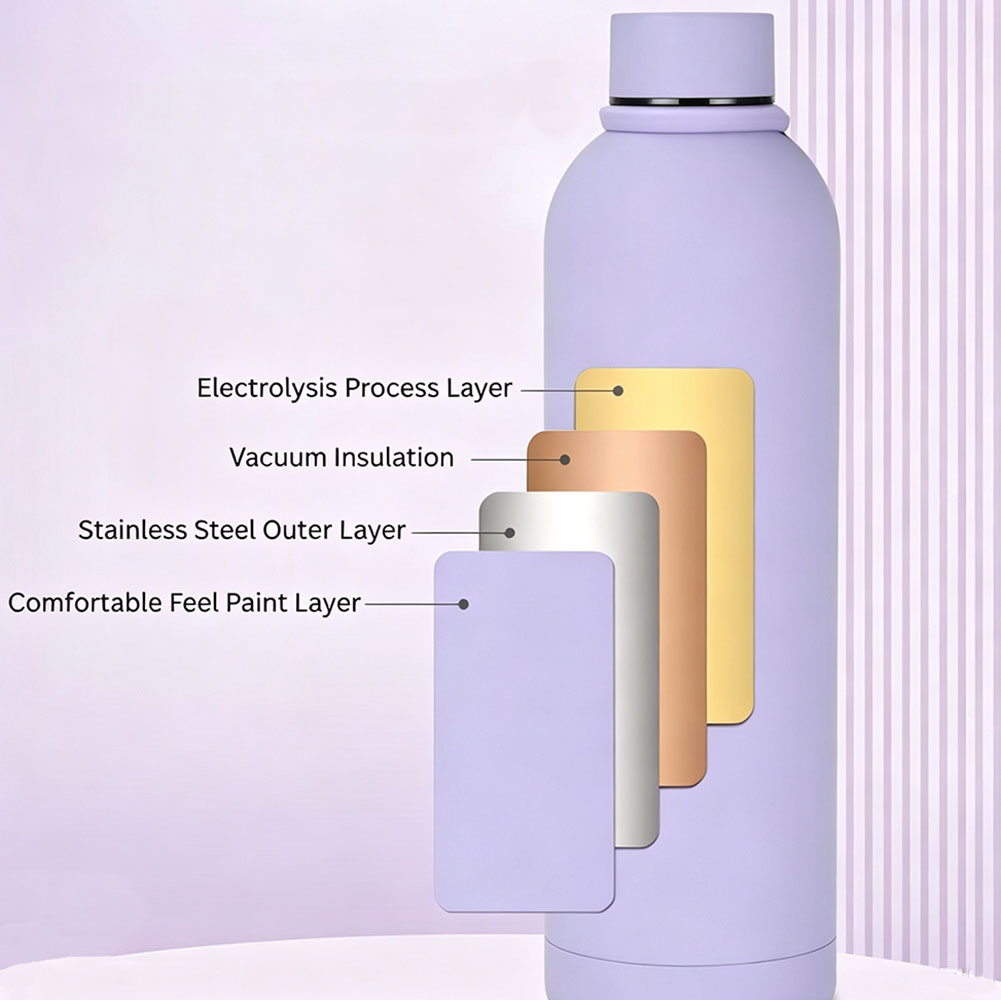
Vacuum Insulation Engineering water bottles

Our Vacuum Insulation Engineering Scope

temperature retention insulation icon
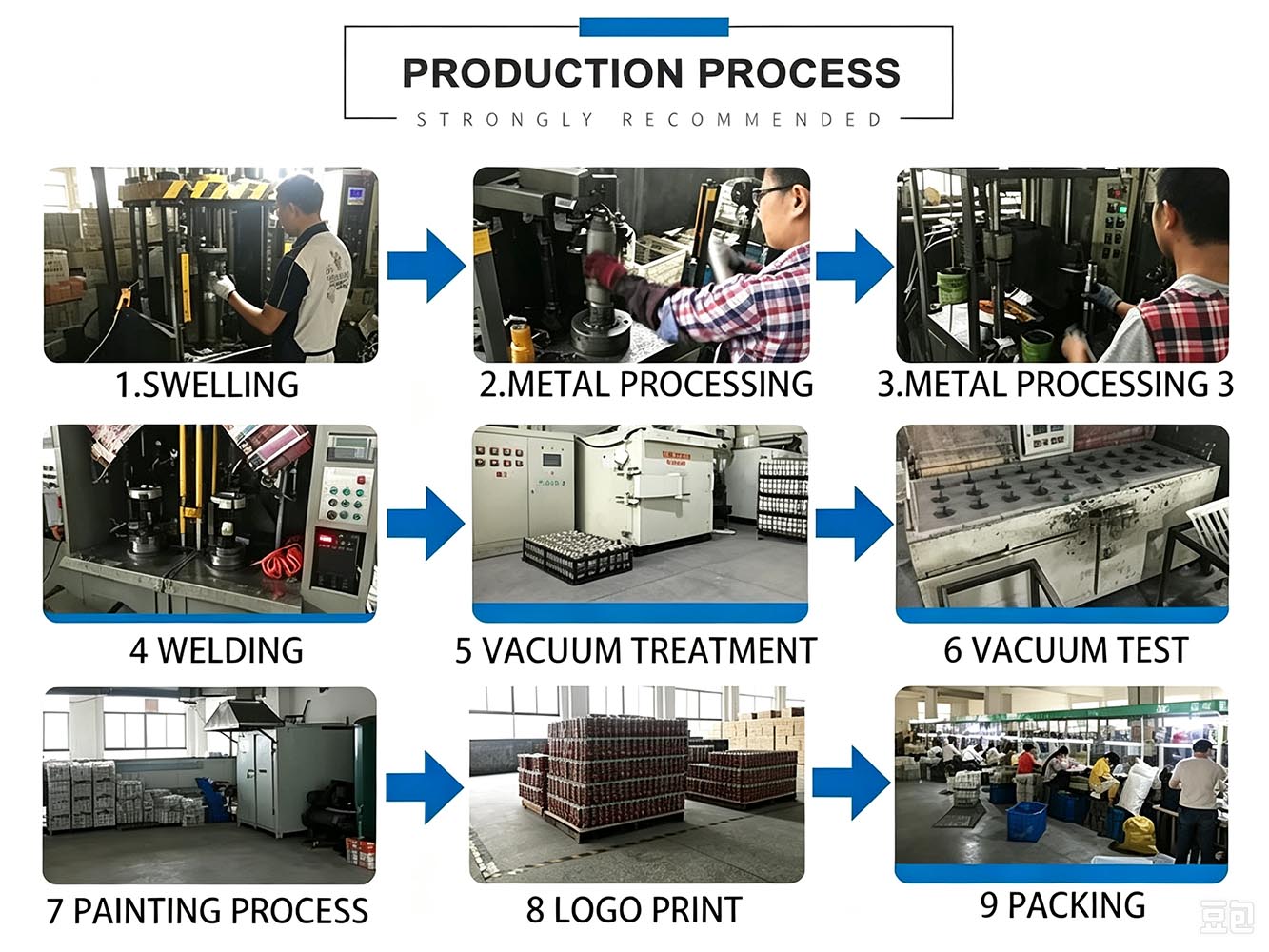
Our vacuum insulation engineering covers the core production links that affect insulation performance, structural stability, and mass production consistency. According to different types of products—insulated water bottles, tumblers, travel mugs, can coolers, hard cooler boxes, or soft cooler bags—the matching process combination will be adjusted accordingly.

All the processes are interconnected. As long as the product capacity, caliber, bottom structure, or bottle mouth are changed, the vacuum interlayer space will be changed, which requires synchronous adjustment of the engineering scheme. The same principle applies across product categories. Even if vacuum heat insulation technology is used for narrow-mouth bottles, large-capacity handled tumblers, and stainless steel can coolers, the engineering parameters may not be exactly the same.

Engineering AreaWhat We DoCustomer Benefit
Vacuum Layer DesignEvaluate vessel geometry, wall spacing, capacity, and structural requirementsBalances insulation performance with the requested product dimensions
Vacuum EvacuationControl the evacuation process and production cycle according to product constructionSupports consistent vacuum performance between production batches
Vacuum SealingDevelop and monitor the sealing process for the finished vesselReduces the risk of vacuum loss caused by sealing defects
Internal Surface TreatmentEvaluate applicable internal plating or coating requirementsSupports the intended thermal and functional performance
AnnealingEstablish process conditions according to construction and production requirementsHelps maintain dimensional and process stability
Leak TestingIdentify potential leakage and vacuum-related defectsPrevents defective units from moving into final shipment
Insulation ValidationTest hot or cold retention against the agreed targetProvides measurable evidence before mass production

Key Controllable Parameters for Vacuum Insulated Bottles

For B2B development, thermal insulation performance needs to be transformed into measurable engineering requirements. We will set corresponding parameter standards according to product structure, capacity, usage scenarios, and test conditions agreed upon by both parties. The following is the scope of our routine control, which is not a uniform specification for all products.

ParameterTypical Control ApproachApplication
Vacuum LevelControlled according to vessel construction and performance targetBottles, tumblers, mugs and applicable coolers
Leakage RateMonitored against project requirementsVacuum stability and defect prevention
Hot Retention12h / 24h testing available depending on product targetCoffee mugs, tumblers and hot-drink bottles
Cold Retention12h / 24h testing available depending on product targetWater bottles, tumblers and insulated drinkware
Cooling PerformanceDefined according to product application and test conditionsCan coolers and cooler products
Temperature DropRecorded during insulation testingPerformance comparison and validation
Vacuum SealingProcess parameters controlled according to constructionSupports repeatable vacuum performance
Annealing ConditionsAdjusted according to product structure and processSupports manufacturing stability

Product-Specific Performance Targets

Not all insulation products can be judged by the same set of performance standards. For example, a reusable vacuum insulated water bottle may be developed with heat retention for 12 hours or 24 hours; however, a can cooler may set a different cooling target according to the actual use scenario.

For this reason, we will not use a single insulation value to represent all product capabilities in general. Our engineering team will design from the actual use of the product and the test conditions confirmed by both parties.

This method can give more valuable reference to B2B buyers: not only listen to the supplier’s claim that “insulation performance is excellent,” but also confirm whether the supplier can define, test, and stably mass-produce the performance required by customers.

Get Your Quote of Insulated Water Bottles or Coolers!

Engineered for Consistent Insulation Performance

From vacuum sealing and leak testing to custom development and mass production, we engineer insulated drinkware and cooler products for reliable, repeatable performance.

Engineering for Custom Drinkware & Cooler Products

Customization is not limited to color, shape, or surface decoration. Any change in capacity, bottle mouth diameter, bottle body height, bottom structure, bottle lid style, and hand-held design will change the internal structure of the heat preservation container. KingStar will comprehensively evaluate all these parameters to maintain the balance between thermal insulation performance, product size, self-weight, and mass production feasibility.

Capacity & Volume: 200ml to 2L. Capacity changes vacuum gap and wall thickness.

Bottle Mouth Diameter: Wider mouth = more heat loss path. Structure recalculated.

Body Height & Shape: Height and taper affect vacuum layer uniformity.

Bottom Structure: The bottom is the critical vacuum sealing zone.

Lid & Cap System: Sealing grade directly affects 12 h / 24 h performance.

Handle & Grip Design: Attachment points affect shell strength and vacuum integrity.
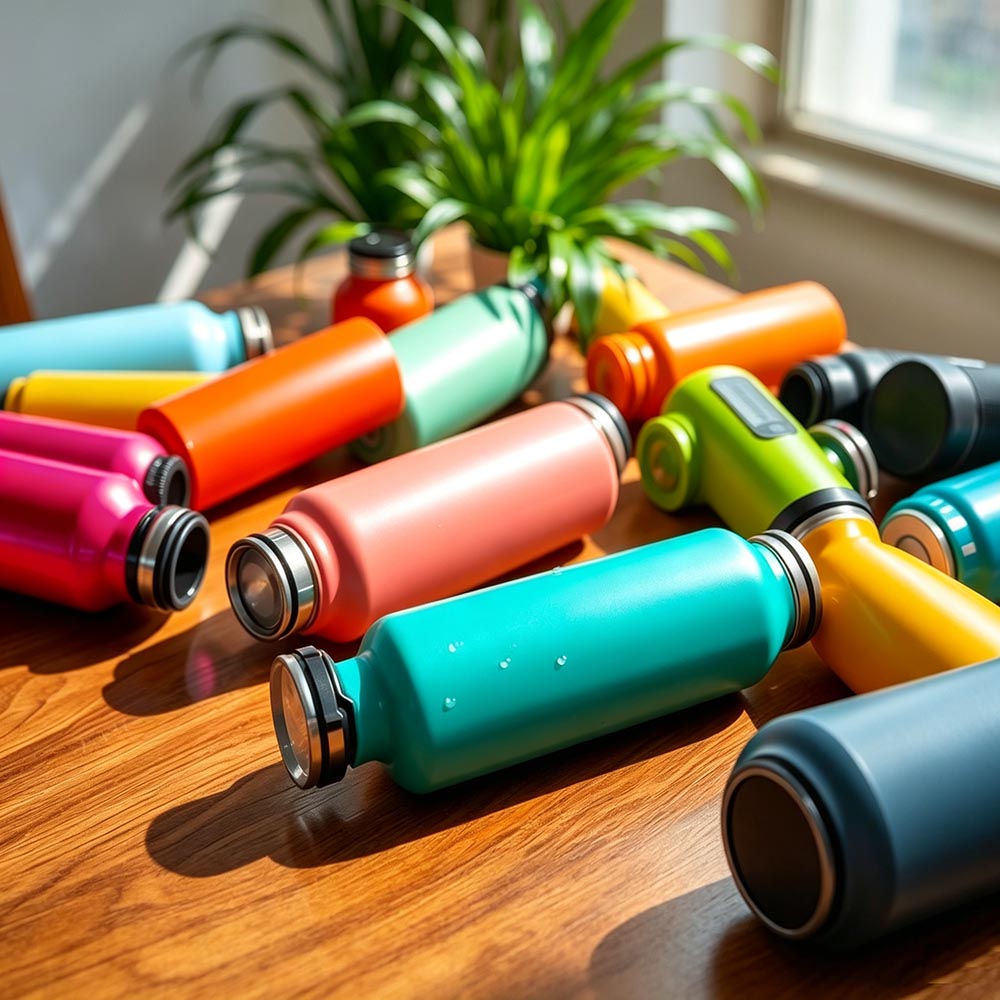
customized water bottles vacuum insulation engineering

What stays constant when you customize:

  • Vacuum layer is recalculated before tooling.

  • Sealing structure is revalidated before sampling.

  • Insulation performance is confirmed with test data.

  • Batch consistency is locked before mass production.

Customization Feature—Thermal Performance Scorecard

Use this scorecard for early-stage concept screening. It is not a substitute for prototype testing.

Scoring guide: 5 = Usually favorable or relatively low risk; 3 = Depends strongly on the exact design; 1 = Usually unfavorable or requires significant validation.

Design ConceptThermal Performance PotentialLightweight PotentialCustomization AppealProduction StabilityTooling Cost EfficiencyBest-Fit Product Positioning
Standard cylindrical bottle + laser logo54355High-volume corporate gifts
Standard bottle body + custom powder coating54445Branded retail and promotional products
Slim bottle body + complex customized lid34433Commuter and premium lifestyle products
Wide-mouth bottle + high-performance insulated lid43443Outdoor, fitness, and hydration products
Deep embossed body + customized bottom33522Limited editions and designer brands
Large-capacity bottle + carry-handle lid42443Outdoor, sports, and camping products
Copper-plated inner wall + custom powder coating53432Premium thermal-performance products
Metal lid + metal carry loop32532Premium gifts and boutique products
Transparent body window13511Concept products or non-vacuum alternatives

Buyer’s Engineering Checklist for Vacuum Insulated Drinkware Projects

Structural design

  • When the capacity or shape changes, does the vacuum layer need to be recalculated?

  • A copied structure rarely performs the same at a new size.

  • Do you need to re-verify the sealing process when replacing the bottom or bottle mouth structure?

  • Sealing defects are the most common cause of vacuum loss after delivery.

  • Is the wall thickness reviewed against the insulation target, not only against weight?

  • Thinner walls reduce available vacuum space and change retention.

  • Is the attachment point of a handle or grip reinforced in the structural design?

  • Handles create stress points that can affect shell integrity.

Performance definition

  • Is the insulation target defined in writing before sampling?

  • Verbal claims cannot be tested or traced.

  • Is 12h / 24h retention tested, or only claimed?

  • A claim without test data is a marketing statement, not an engineering result.

  • Are the test conditions specified — starting temperature, ambient temperature, and duration?

  • Retention results are meaningless without defined test conditions.

  • Is the same insulation value used for different product types?

  • A can cooler and a travel mug should not be judged by the same target.

Quality control

  • Is leak testing applied to 100% of units or only sampled?

  • Sampling can miss defects that appear only in part of the batch.

  • Is batch-level insulation data retained and traceable?

  • Traceability is what allows a problem to be isolated instead of repeated.

  • Are vacuum process parameters locked and recorded per batch?

  • Unrecorded parameters cannot be reproduced or corrected.

  • Is there a defined procedure for isolating and reviewing a non-conforming batch?

  • Without isolation, a defective batch can be mixed into shipment.

Verification

  • Is third-party inspection supported before shipment?

  • Independent inspection reduces the risk of undisclosed deviations.

  • Is there a written validation plan before tooling?

  • Tooling changes are expensive. Validation should come first.

  • Is a pilot run required before full mass production?

  • Pilot runs reveal process instability that samples cannot.

  • Are test reports available for review before shipment?

  • Reports allow buyers to verify performance before goods leave the factory.

Let’s Engineer Your Vacuum Insulated Product!

From vacuum layer design to mass production—we work with brands, wholesalers, and OEM/ODM buyers to build insulated drinkware that performs the same in batch 1 and batch 10,000.

FAQs About Vacuum Insulation Engineering

We’ve compiled a list of the most frequently asked questions to make it easier for you to find the information you need. Whether you’re looking for details about our vacuum insulation engineering, you can quickly access helpful answers here.

The thermal insulation effect mainly depends on five factors, and they are not equally important.

Vacuum layer design is the foundation. The gap between the inner container and the outer wall should match the capacity, shape, and wall thickness. Once the capacity or bottle mouth diameter is changed, the interlayer gap must be recalculated. Copying the existing structure and changing it to a new size, the thermal insulation performance often fails to reach the original level.

The evacuation process determines the amount of residual gas in the interlayer. The higher the vacuum degree, the better. The key is that the vacuum degree and operation cycle should be stable and repeatable, and the performance of the first batch and the 10,000 batch of products should be consistent.

The sealing process is responsible for making the vacuum effect lasting and stable during the whole service life. The bottom of the cup is the most critical sealing area. The tiny flaws here will not cause the product to be scrapped immediately but will make the vacuum leak slowly, and the thermal insulation performance will gradually deteriorate after several weeks or even months.

Internal surface treatment supports thermal and functional behavior, but it is not the main driver of retention.

Validation is what turns a claim into evidence. Initial water temperature, ambient temperature, and test time will all affect the results. Without the test conditions, a single heat preservation number has no reference significance.

It can be simply understood that the vacuum layer determines the upper limit of thermal insulation performance; the vacuum pumping and sealing process determine how close the product can be to this upper limit. The verification test proves the level that can be achieved in the end.

It can be customized, but only if the customization requirement is treated as an engineering change.

Color, LOGO, and surface technology are all appearance changes. Such changes will not touch the vacuum layer and sealing structure and can generally be adjusted flexibly.

But the capacity, the diameter of the bottle mouth, the height of the bottle body, the bottom structure, the style of the bottle lid, and the design of the handle are different. Changing any one of them will change the internal structure, and both the vacuum layer and the sealing process need to be recalculated.

  • Capacity: When 500 ml is changed to 750 ml, the inner container volume, interlayer gap, and weight distribution will change accordingly. It is necessary to readjust the size of the vacuum interlayer to achieve the thermal insulation index and avoid the overweight of the water cup.
  • Diameter of bottle mouth: When the bottle mouth is widened, the heat loss channel will also become larger. The cup cover and the whole set of sealing structures should be optimized again to offset the heat loss.
  • Bottom height and taper: It will affect the uniformity of the vacuum interlayer. If the interlayer is uneven, the insulation effect of the whole cup will be unstable.
  • Bottom structure: The bottom of the cup is the core area of vacuum sealing. It is one of the most common reasons for vacuum leakage to modify the bottom structure simply for the sake of beauty, but not to re-verify the sealing performance.
  • Handle/grip position: The installation point will produce stress. This area must be reinforced to prevent the structural integrity of the cup body from being damaged.

What remains unchanged is the whole development process: Recalculate the vacuum layer structure before opening the mold. Re-verify the sealing scheme before proofing; Depend on the test data to confirm the thermal insulation performance; lock batch stability before mass production.

Vacuum loss is mostly a process control problem, not a design defect. The samples passed the test, and the first batch of products looked fine, but after a few months, the thermal insulation performance slowly declined. By this time, it is difficult to trace the cause of the failure.

Prevention sits at four points.

  • Lock the sealing process. The sealing temperature, pressure, and duration should be recorded for each batch, which cannot be adjusted at will according to the operator’s experience. Some seals look intact, but they slowly leak.
  • Control evacuation consistency. Vacuum level and operation cycle must be monitored in real time according to project standards. Once the process parameters are deviated, the performance of some products in the same batch will be uneven.
  • Test for leaks at 100%, not by sampling. Vacuum defects often only appear in a part of products in a batch, and it is easy to miss defective products when sampling. Leak detection should be repeated after high and low temperature cycles, because some sealing structures will only fail under temperature stress.
  • Keep batch-level traceability. Vacuum process parameters, insulation test data, and raw material records should be filed. Once something goes wrong, you can quickly locate the root cause and avoid repeating the problem. At the same time, there should be written specifications to isolate unqualified batches before shipment.
Control PointWhat Goes Wrong Without It
Sealing process lockSlow seal failure that appears after delivery
Evacuation consistencyUnits in the same batch perform differently
100% leak testingDefects pass through sampling and reach customers
Batch traceabilityProblem repeats because the cause cannot be isolated

All of them have vacuum interlayer, but the design goals are different, which will change all the design details.

A vacuum insulated bottle is built for retention first. The design goal may be to keep warm and cold for 12 hours or 24 hours. Most of these bottles have narrow mouths or medium caliber, and the cup body is on the high side, with an excellent sealing cover. Firstly, the thickness of the vacuum interlayer is determined according to the thermal insulation index, and then the weight and overall size are weighed to make fine adjustments.

A tumbler is built for drinking convenience. Most of them adopt wide calibers, equipped with handles or anti-slip grip, and the bottle lid comes with a straw or flip structure. A larger bottle mouth will accelerate the heat loss, so the lid itself is a part of the insulation system, not just a simple lid. Its performance standards are also different, such as keeping drinks cold during commuting.

A can cooler is built around a specific object: a standard can. The internal shape is stereotyped. It focuses on short-term freezing rather than long-term heat retention, so the vacuum interlayer is thinner and the corresponding test conditions are different.

Product TypePrimary TargetKey Engineering Focus
Vacuum insulated bottle12h / 24h retentionVacuum gap and bottom seal
TumblerDrinking convenience, cold retentionLid sealing and thermal balance
Can coolerCooling performanceCompact vacuum layer, cooling target

This is why a single insulation value should not be used for all three. A can cooler and a travel mug should not be judged by the same standard.

Validation is staged, because a single test cannot prove that a design will perform consistently in production.

  • The first stage: design verification before mold opening. Check the vacuum interlayer, wall thickness, bottle mouth diameter, and bottom structure according to the thermal insulation index. If the goal is to keep heat for 12 hours, then this design must meet the corresponding heat conduction control requirements. When problems are found at this stage, the cost of rectification is the lowest.
  • The second stage: sample verification. The thermal and cold insulation properties of the samples were tested under specified conditions, including initial temperature, ambient temperature, and test duration. Once the sample fails to reach the target, the design or process should be adjusted before the mold is finalized.
  • The third stage: small batch trial production. Qualified samples do not mean that the production process is stable. Trial production is used to test whether the sealing, vacuumizing, and assembly processes are stable in a larger batch and record the heat preservation data of the whole batch of products.
  • The fourth stage is pre-shipment verification. The inspection report can be provided before the goods leave the factory, and the third party can be arranged for inspection if the buyer needs it.

It is very important to make a written verification plan before opening the mold, because the cost of modifying the mold is high. Verification should be done first, and you can’t wait for problems to be remedied.

There is no universal number, which depends on the water bottle structure, insulation target, interlayer gap, and product category. A travel mug, a large-capacity tumbler, and a can cooler can all meet their own performance requirements with different vacuum levels.

The higher the vacuum level, the less heat transfer, but not the higher the better. High vacuum pumping takes longer and brings more pressure to the sealing structure; if the thermal insulation index of the product is not high, it is completely unnecessary to increase the vacuum level blindly. The suitable vacuum level is the one that can achieve the heat retention goal stably in mass production.

The main factors:

  • Wall spacing. The larger gap can achieve a higher vacuum, but it will increase the weight and volume of the product.
  • Retention target. A 24-hour target usually needs a deeper and more stable vacuum than a 12-hour target.
  • Product type. A can cooler has a different target and internal shape than a travel mug.
  • Sealing capability. Even if a high vacuum is applied, it is meaningless if the seal cannot be maintained throughout the product life cycle.
  • Production consistency. This vacuum level should be able to be stably reproduced in each batch.

For B2B development, the vacuum level should be set to a controllable range, not a single number, and recorded per batch. Even if the cup looks exactly the same, as long as the vacuum level fluctuates, the heat retention performance will deteriorate.

What the buyer should really care about is not “what is the vacuum level you use,” but how it was determined, how it is monitored, and what data supports the retention claim.

Wall thickness is a trade-off, not the thicker the better.

There are three walls: the inner wall, the outer wall, and the vacuum gap between them. The inner wall should be made thin enough to make more room for water, and at the same time, the strength should be ensured, and it is not easy to deform. The outer wall is responsible for protecting the vacuum layer from bumping, but it can’t make the cup heavy to pick up. It is this vacuum interlayer that really plays the role of heat retention.

When the wall thickness decreases, the space left for the vacuum layer tends to decrease. This will change the heat conduction path, resulting in a decline in thermal insulation performance. Thin-walled structures are more prone to deformation under temperature changes, and once there are minor defects in the seal, the influence will be amplified.

When wall thickness is increased, retention may improve, but the bottle gets heavier. That matters for outdoor, fitness, and travel products, where weight is part of the buying decision.

Design ChoiceInsulationWeightCapacity
Thicker inner wallSlight improvementIncreasesReduces
Thinner inner wallSlight reductionReducesIncreases
Wider vacuum gapImprovesIncreasesReduces
Narrower vacuum gapReducesReducesIncreases

What we should really ask is not “how thick is the wall,” but “how is the wall thickness chosen for this target, and what test data are there to support it”. Even if a water bottle is very lightweight, it is not a qualified product if it fails to reach the thermal insulation index; the thermal insulation performance exceeds the standard, but the weight is too heavy, which may not meet the market demand.

Injection molding itself does not have the ability of heat retention, but it can make the product usable normally, achieve sealing, and make a brand appearance. There are four types of accessories that are the most critical: cup cover, handle/non-slip grip, cup holder adapter, and structural parts of hard coolers.

The services behind those parts:

  • DFM analysis: Check the wall thickness, draft angle, gate position, parting line, and buckle structure before opening the mold. For the lid and handle of the cup, slightly adjusting the structure can often not only improve the production but also improve the sealing effect.
  • Prototyping and sampling: with the help of 3D printing, CNC machining, and simple transition die. Before finalizing the mass production mold, the purchaser can test the assembly matching degree and actual function together with the stainless steel cup body.
  • Custom mold design: covering single-cavity mold, multi-cavity mold, family mold, and hot runner mold. Before opening the mold, do the mold flow analysis to predict the problems of filling, pressure keeping, and deformation.
  • Mass production processing: responsible for color matching, insert injection molding, secondary overmolding, and assembly. The lid, handle, and adapter are usually made of uniform color and surface texture, and the look and feel of the whole product are coordinated and unified.
  • Quality documentation: including the first article inspection report (FAI), dimension inspection report, material certificate, and compliance declaration documents such as FDA and LFGB.
Molded PartFunctionKey Requirement
Lid and capSealing and drinkingTight tolerance, leak-proof
Handle or gripCarryingLoad-bearing, reinforced
Cup holder expanderVehicle fitHeat resistance, stable fit
Cooler structural partsShell, lid, latchesImpact and load resistance

In fact, the relationship between the two product lines is very clear: vacuum insulation technology determines the thermal insulation performance, while injection molding creates all kinds of accessories to ensure that the products can meet daily use. Buyers want to build a complete drinkware set, which is usually indispensable.