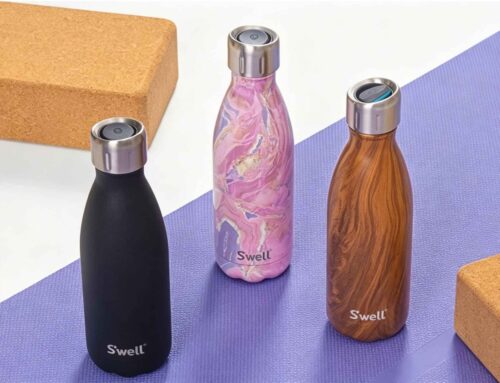
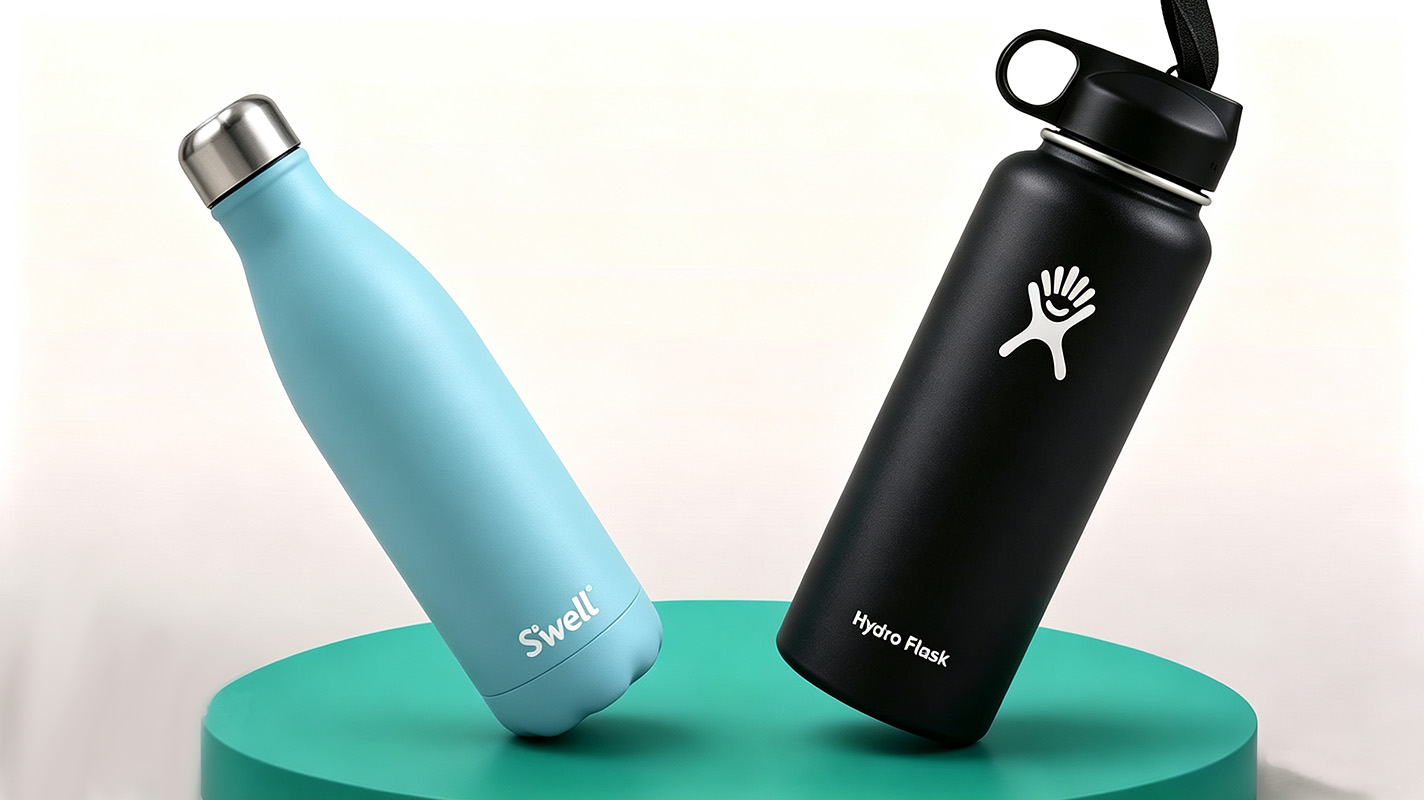
S’well stainless steel water bottles are more cost-effective if you give priority to insulation performance and fashionable appearance. And it’s also very suitable for urban commuters, corporate gifting and lifestyle retail. Hydro Flask will be a more ideal choice if durability and versatility matter the most. That’s why it’s super popular among outdoor enthusiasts and sports lovers.
For B2B buyers, the question is not “Which one is better?” but “Which design philosophy fits the actual usage scenario of target customers. As a professional manufacturer of stainless steel water bottles, we will analyze these two bottles from 3 perspectives: lens of engineering, design philosophy, and market fit so as to help you make sound decisions for your own branded water bottles.
How Do Design Choices Impact Insulation Performance in Stainless Steel Bottles?
Understanding insulation performance can not rely solely on brand promotion. The thermal efficiency of an insulated water bottle is influenced by two major factors: mouth diameter and vacuum integrity. Both S’well and Hydro Flask strictly adhere to the manufacturing standard, but their different designs make them have different target customers.
Narrow Mouth vs Wide Mouth
In fact, the underlying principle of heat loss of an insulated water bottle is very simple: heat is mainly lost from the bottle mouth. The wider the bottle mouth, the larger the surface area for radiative and convective heat transfer.
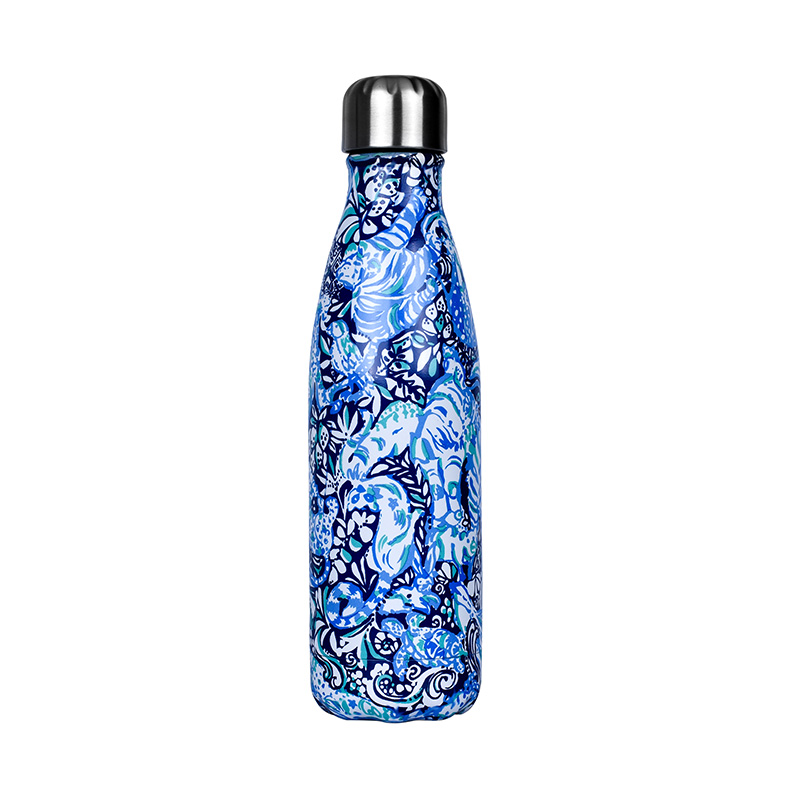
S’well adopts a narrow mouth design, and the diameter is about 34-44 mm. Reducing the size of the bottle mouth can reduce heat loss. This structural design makes S’well naturally more advantageous in heat retention
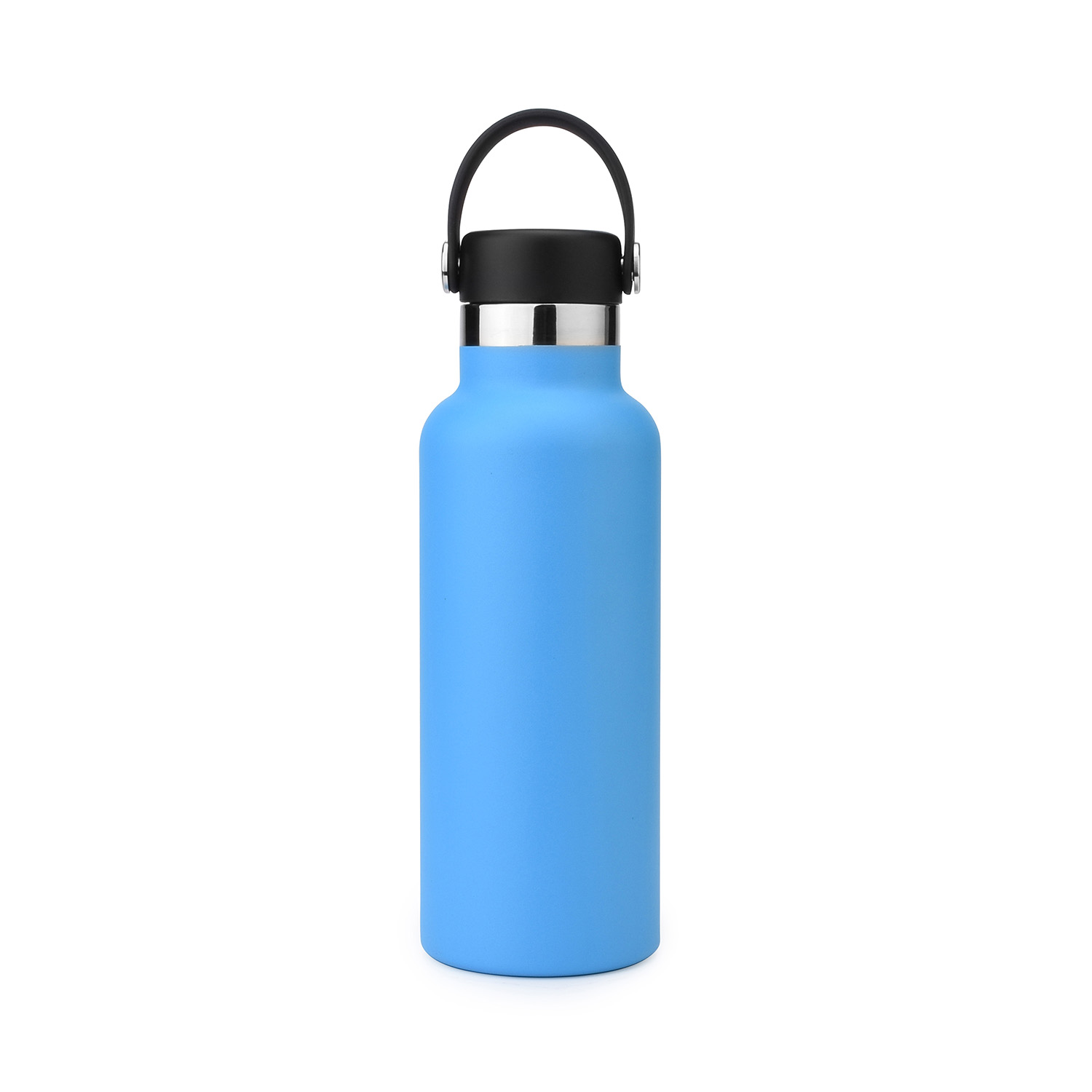
On the other hand, Hydro Flask adopts a wide-mouth design, and the diameter of the bottle mouth reaches 54 mm or more. The larger bottle mouth means easier cleaning and easier adding of ice cubes, so it can bring a more satisfying experience when drinking icy beverages. But wider mouths inevitably lose heat more quickly.
| Design Parameter | S'well (Narrow Mouth) | Hydro Flask (Wide Mouth) |
|---|---|---|
| Mouth diameter range | 34–44 mm | 54 mm and above |
| heat retention | Higher | Lower |
| Ice cube compatibility | Not compatible | Easily accommodates ice cubes |
| Ease of cleaning | You may need small brushes | Standard sponge is OK |
| Drinking experience | Suitable for small sip of hot drinks | Ideal for large gulp of cold drinks |
| Best-fit use case | Office commuting, hot beverages, gifting | Outdoor activities, cold beverages, fitness |
Understanding the Industry Standard for Insulation Performance
Besides brand promotion, B2B buyers should evaluate bottles’ insulation effect based on authoritative industry standards, which is much more reliable. General standards of the stainless steel vacuum water bottle industry: QB/T 2332-2017 and GB/T 40355-2021, which standardize the five-level classification system of thermal insulation performance.
There’s no uniform temperature value in these standards. The required thermal insulation index depends on two variables: capacity and bottle mouth diameter.
The table below will show you, under GB/T 40355-2021, how a small mouth water bottle with an inner plug will perform in a 24-hour insulation test.
| Capacity Range (L) | Diameter <34mm | Diameter 34–39mm | Diameter 39–44mm | Diameter 44–54mm |
|---|---|---|---|---|
| 0.4–0.6 | ≥45°C | ≥43°C | ≥41°C | ≥37°C |
| 0.6–0.9 | ≥50°C | ≥48°C | ≥44°C | ≥41°C |
| 0.9–1.3 | ≥53°C | ≥51°C | ≥47°C | ≥44°C |
| 1.3–1.8 | — | — | ≥52°C | ≥49°C |
Then there is the insulation performance of a large mouth water bottle without an inner plug in a 6-hour test under GB/T 40355-2021.
| Capacity Range (L) | Diameter 54–74mm | Diameter 74–94mm |
|---|---|---|
| 0.4–0.6 | ≥54°C | ≥53°C |
| 0.6–0.9 | ≥56°C | ≥57°C |
| 0.9–1.3 | ≥57°C | ≥55°C |
| 1.3–1.8 | ≥55°C | ≥53°C |
Small-mouth water bottles are tested for 24 hours, while wide-mouth bottles are only tested for 6 hours. Based on this, we can see the industry consensus that the wide-mouth structure itself dissipates heat faster.
Vacuum Insulation Technology — What Makes a Bottle Truly “Insulated”?
The vacuum insulation layer is the technical core of all thermos bottles. Air is pumped between the double stainless steel walls to block heat conduction and convection; the inner wall is plated with a copper or aluminum reflective layer, which can minimize heat loss.
| Parameter | Industry Standard | Why It Matters |
|---|---|---|
| Vacuum level | 10⁻⁴ Pa or higher | Better vacuum = better insulation |
| Extraction duration | 20–30 minutes minimum | Ensures complete air removal |
| Leak detection | Helium mass spectrometry | Identifies micro-leaks |
| Thermal imaging | 380–400°C hot air injection | Detects vacuum failure |
At KingStar, we implement strict vacuum quality control for each bottle. Only by keeping information transparent in the manufacturing process can we establish a stable long-term B2B relationship.
Which Bottle Offers Better Durability and Longer Lifespan?
Durability is often a key consideration for consumers and B2B buyers to make choices. If a water bottle loses its aesthetic appeal and texture in just a few months, it will not provide long-term use value.
Coating Durability and Surface Treatment
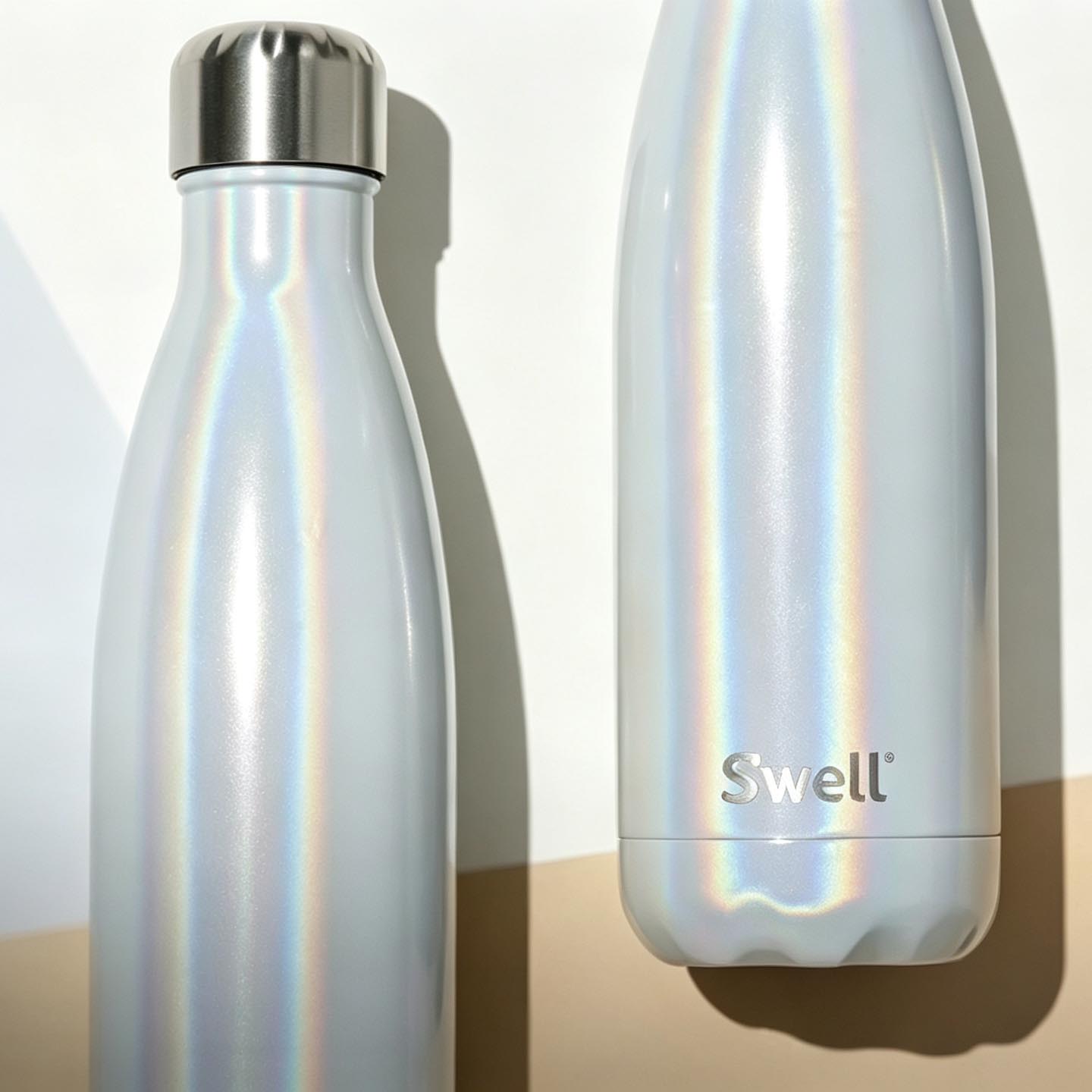
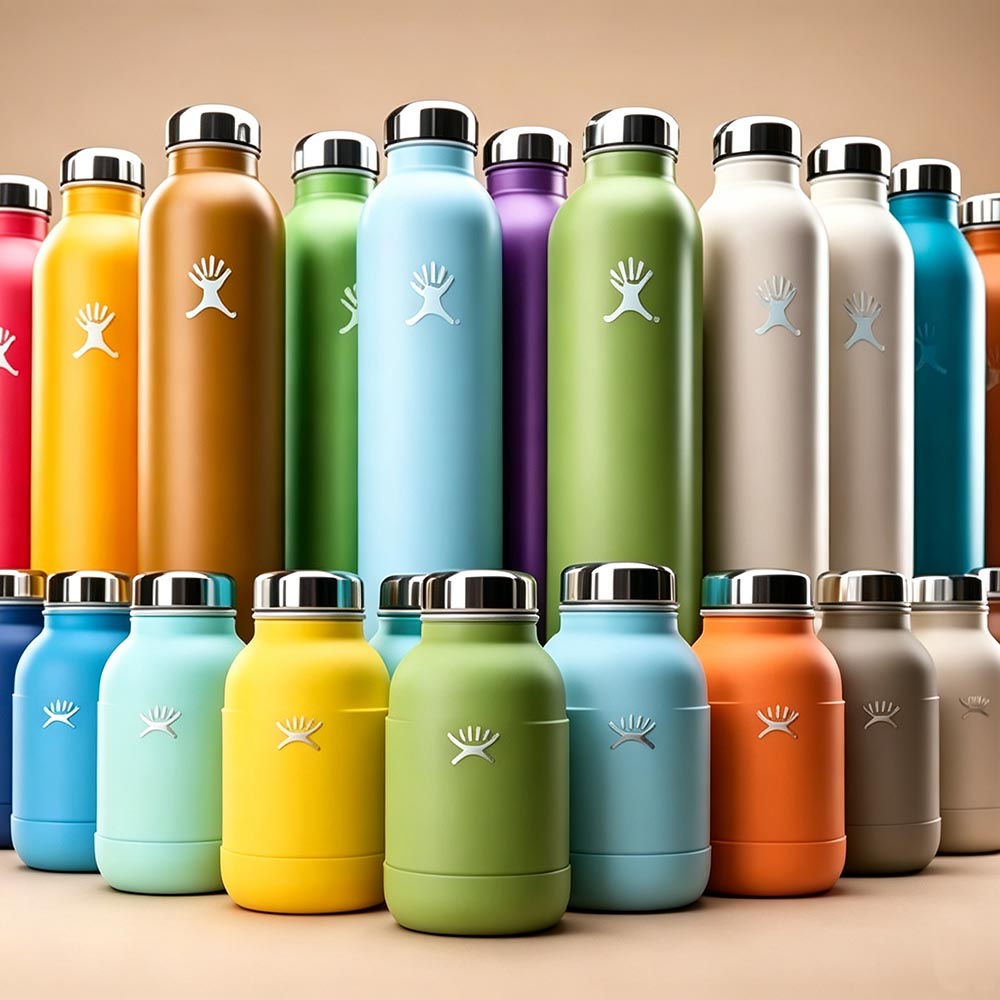
Surface finish is the most visible marker of water bottle quality, and it is also the first place to show wear. S’well and Hydro Flask chose two completely different ways of surface finish.
When evaluating water bottles’ coating durability, B2B buyers should not only look at the appearance but also focus on several indicators:
- Coating Thickness: The thicker the coating, the better the durability.
- Adhesion Test Results: whether the coating is firmly bonded with the stainless steel substrate.
- Abrasion Resistance: How many times can the coating withstand friction before it wears?
- Chemical Resistance: Do daily cleaning agents damage the coating?
We cannot say which surface finish is better, which depends entirely on its use scenarios. Water bottles for corporate gifting should pursue an exquisite look and texture; for stainless steel water bottles supplied to the outdoor retail market, durability must be given priority.
Structural Integrity and Drop Resistance

Click and read more about Custom Options: Custom Bottle Tumbler Decorating, Custom Logos of Water Bottles, Custom Water bottle Packaging
How Do Design, Portability, and User Experience Compare?
Insulation performance and durability are important, but the use experience is the key to making new buyers become loyal customers. S’well and Hydro Flask have also built two different user experiences.
Form Factor and Everyday Portability
S’well slender bottle body is highly recognizable. A narrow diameter makes it easy to stuff into backpack side pockets, car cup holders, and bicycle bottle holders. For urban commuters, this slim shape is perfectly integrated into the daily rhythm of the city.
Hydro Flask water bottle is more solid and practical. Although it is difficult to adapt to the cup holder with a small size, the wider bottle mouth supports greater capacity and allows a more substantial feel in hand. Outdoor lovers who need large water storage may find Hydro Flask a more suitable choice.
| User Experience Factor | S'well | Hydro Flask |
|---|---|---|
| Cup holder compatibility | Excellent (slender design) | Limited (wide body) |
| Cleaning ease | Requires special tools | Easy with standard tools |
| Ice cube compatibility | Not compatible | Yes — easily accommodates |
| Hand feel | Sleek, smooth, refined | Chunky, sturdy, substantial |
| Visual impression | Fashion accessory | Outdoor gear |
| Best-fit environment | Urban commuting, office, events | Outdoor activities, sports, travel |
Aesthetic Positioning and Brand Perception
The visual styles of the two brands have already clearly pointed out their intended customers.
For B2B buyers, the core idea of sourcing is you source not only a water bottle but also a set of visual symbols, relying on them to convey the concept of your brand to customers. The right design language depends entirely on who your customers are and where they encounter your product.
Which Brand Offers Better Value for Money? — A B2B Purchasing Perspective
Next, let’s break down their cost performance. Actually, both brands belong to high-end pricing. But for B2B buyers, whether it is cost-effective or not depends not on whose retail price is lower but on which product design can make your investment get the highest return.
Price Positioning and Market Segmentation
At retail, S’well and Hydro Flask have similar price positions, about $25-35 for standard sizes. However, the source of each brand’s premium is different.
S’well premium comes from design and brand style. Consumers pay for exquisite appearance and brand tonality and value its own fashionable life attitude. Therefore, it is very suitable for lifestyle retailers, gift shops, and corporate gifting programs.
Hydro Flask’s premium depends on practicality and durability. Buyers trust it to withstand outdoor tossing, recognize the brand’s lifetime warranty service, and deepen the professional image in the outdoor field. Therefore, in sporting goods stores, outdoor shops, and dynamic sports sales channels, Hydro Flask will be a more competitive choice.
Total Cost of Ownership Analysis
With normal use, a stainless steel water bottle can last for 5-10 years. But “lasting” means two different things.
- Functional service life: how long the bottle can keep drinks hot or cold for a long time.
- Aesthetic service life: how long the bottle still looks great.
People won’t take the bottle out if its appearance is covered with lots of scratches and dents, even though it still insulates greatly. That means exposure opportunities for brands in daily life will be fewer.
S’well coating is more delicate, and its aesthetic service life is often shorter than its functional service life. Hydro Flask adopts a wear-resistant matte finish, which will keep its texture for a longer time.
What Can B2B Buyers Learn from S’well vs. Hydro Flask for Their Sourcing Strategy?
This comparison is not to make you choose between two brands. It is to help you understand the product logic behind their success and apply these lessons to your own sourcing strategy.
Key Product Specifications That Define Market Success
Combined with our above analysis, the following parameters directly determine whether a water bottle can stand firm in the market:
- Bottle mouth diameter: If insulation performance is preferred, then a narrow mouth is selected; if you pursue multi-functional water bottles, then choose a wide mouth.
- Surface finish: bright surface with metallic coatings, suitable for fashion positioning; Matte powder coating, featuring durable and practical positioning
- Capacity matrix: S’well’s focused range vs Hydro Flask’s wider capacity options—choose based on your market
- Warranty assurance: How sure are you of the durability of the bottle? The product warranty is the window to convey this confidence to customers.
These parameters should be determined before contacting the factory, rather than waiting until later. Reliable production partners can assist in landing production, but the strategic direction—what kind of products you intend to market—must be finalized by yourself.
How to Evaluate a Stainless Steel Bottle Manufacturer
After finalizing the product parameters, the next step is to screen the appropriate manufacturing partners. The following criteria can help you distinguish between reliable manufacturers and risky suppliers:
- Vacuum technology capability: Can they clearly explain the vacuum extraction process, including the vacuum pumping time, standard vacuum level, and verification methods?
- Quality control system: Is the core index (vacuum integrity, coating adhesion, and thread fitment) fully inspected?
- Testing equipment: Is it equipped with a helium mass spectrometer leak detector, thermal imaging systems, and coating thickness testers?
- International certification: Can you provide FDA, LFGB, and REACH compliance information and an SGS test report as required?
- Traceability: Can you provide production batch records to realize the traceability from raw materials to finished products?
- Efficiency of communication: Do they provide clear and timely responses to technical questions?
Conclusion
The difference between the two brands does not lie in manufacturing and workmanship but product definition. Both of them accurately target their own customers and optimize every design around customers’ needs.
When it comes to your sourcing project, don’t worry about “which brand is better”; ask yourself these questions first:
Who is my customer?
Where will they use this bottle?
What brand image does this water bottle want to convey?
What design choices are suitable for my market positioning?
Ready to start your project? Visit KingStar to learn more about our OEM/ODM capabilities, request a sample, or contact us through sales@waterbottle.tech. Your brand’s perfect bottle is waiting to be made.
FAQ
References

Specializing in custom manufacturing, quality control and marketing of vacuum-insulated drinkware and coolers.