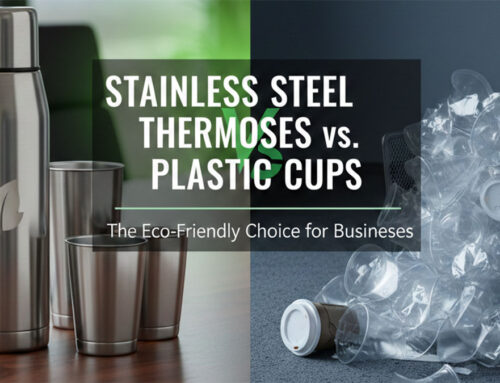
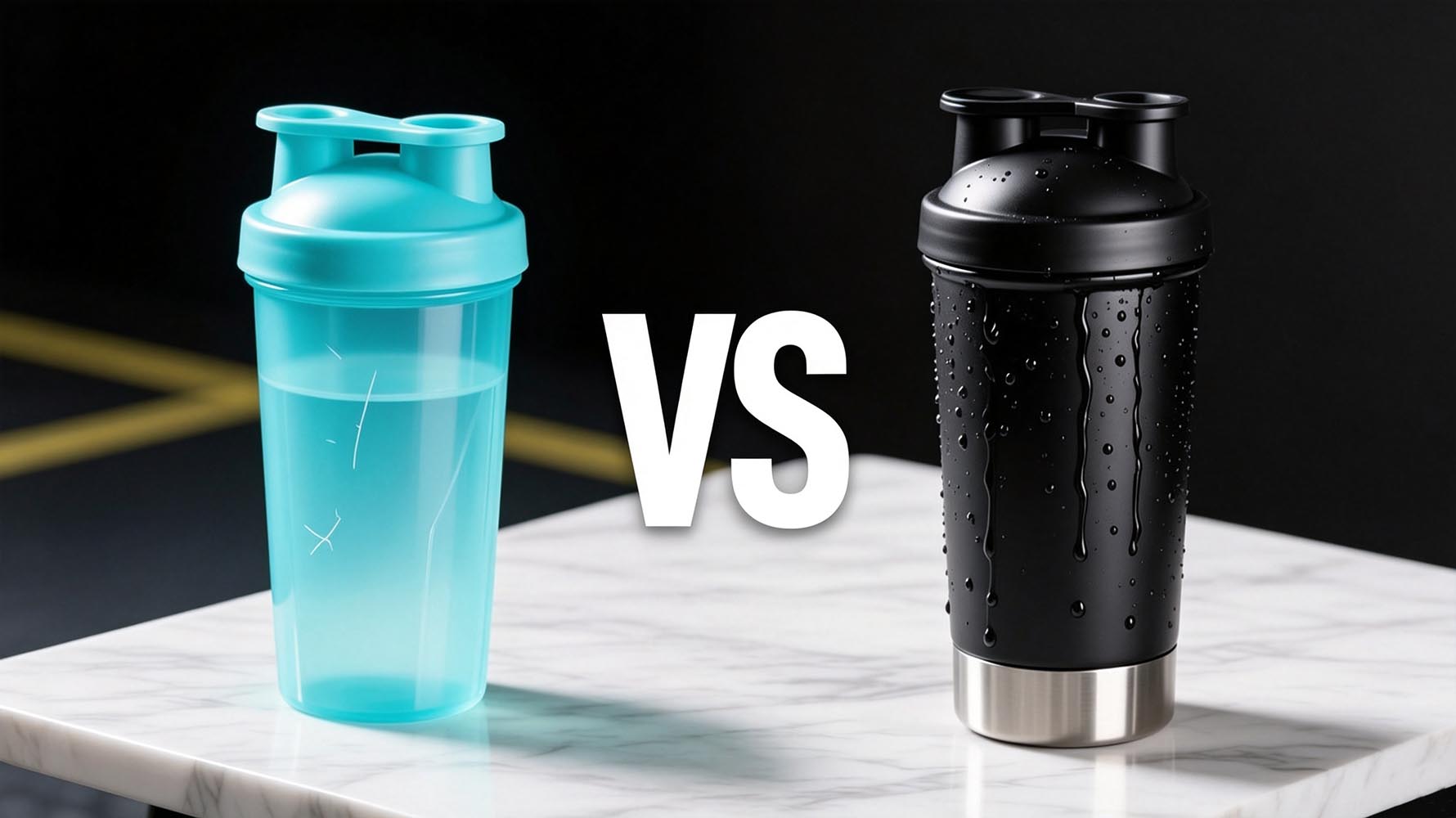
It is not easy to judge which material is better for protein shaker bottles, stainless steel or plastic. For bulk shakers buyers, what is really worth considering is which material can find the right balance between product positioning, cost, durability, actual performance, customization, and manufacturing scalability.
If we build a premium fitness or health product line, stainless steel will be a high-quality substrate with better texture and more durability. It can provide a more durable and higher-value product platform with a double-layer vacuum insulation structure. But if customers value lightweight, low costs, and want the bottle to be transparent, the cost performance of plastic shakers will be higher.
The important point is that plastic is not one material category. PP and Tritan have different characteristics and should be evaluated separately during product development and sourcing.
This guide will compare three kinds of protein shake bottles, stainless steel, PP, and Tritan, from the perspective of B2B sourcing. We will completely disassemble and analyze the material performance, production cost, customized scheme, mold opening cost, compliance qualification, and adaptation scenario.
Stainless Steel vs. Plastic Protein Shakers: At a Glance
Stainless steel is often a better choice to build a premium, durable shaker bottle with insulation construction. If you pursue lightweight design, cost control, or large‑volume orders, PP material will be more competitive. And if you want a lightweight plastic shaker bottle with a premium texture and transparent bottle body, Tritan sits right in between.
| Buying Requirement | Preferred material | Why |
|---|---|---|
| High-end product positioning | Stainless steel | Sturdy structure with a premium texture |
| Temperature Retention | Stainless steel | Supports double-layer vacuum insulation |
| Lowest unit cost | PP | Lightweight with high production efficiency |
| Lightweight design | PP | The material itself is lighter |
| Transparent body | Tritan | The bottle is clear and translucent |
| Large-scale orders | PP | The production cost advantage is obvious |
| Premium transparent plastic | Tritan | Visibility with a more premium appearance |
| Outdoor fitness scenarios | Stainless steel | Strong and durable; it can also achieve heat retention. |
| Multi-tier complete product line | PP + Tritan + stainless steel | Covering different pricing ranges |
Material selection essentially serves product positioning, not just a simple manufacturing decision. For B2B sourcing, when selecting materials, buyers should evaluate the target retail price, MOQ, usage scenarios, customization requirements, mold opening costs, logistics costs, and quality standards for comprehensive judgment.
How Should B2B Buyers Compare Stainless Steel, PP, and Tritan Shakers?
The most useful comparison is business requirement vs. material capability—not simply stainless steel vs. plastic.
| Sourcing Factor | Stainless steel | PP | Tritan |
|---|---|---|---|
| Product market positioning | Premium performance | Entry-level mass-market | Premium plastic materials |
| Unit cost | Generally high | Low-cost and budget-friendly | moderate |
| Self-weight | Heavy | Very light | Light |
| Durability | Excellent | Good-to-excellent | Excellent |
| Insulation capacity | Delivers great insulation when made into a vacuum structure | Limited | Limited |
| Transparency | No | Limited | Excellent transparency |
| Shape flexibility | Moderate-to-high design freedom | High plasticity | Plenty of room for shape design |
| Color Customization | Good effect with rich color options | Abundant color customization space | Can be customized with a variety of attractive color schemes |
| Mass-production adaptability | Suitable for mass production | Outstanding advantages in high-volume production | Supports efficient large-scale production |
| Perceived premium texture | Strong high-end texture | Ordinary texture | Medium-to-high texture |
| Outdoor use scenario | Excellent outdoor-use experience | Works well enough for outdoor use | Good to outstanding outdoor performance |
| Best commercial fit | Premium fitness, outdoor water-bottle category | Gift-promotional, high-volume best-sellers | Premium plastic water bottles focusing on transparent texture |
Why Is Stainless Steel a Strong Choice for Premium Protein Shakers?
Stainless steel material is more suitable for premium shaker bottle programs, which value durable texture, brand perception, and temperature control function.
Durability and Long-Term Product Value
The stainless steel bottle body is strong and reliable, suitable for repeated use, whether it is gym commuting, daily travel, or outdoor scenes.
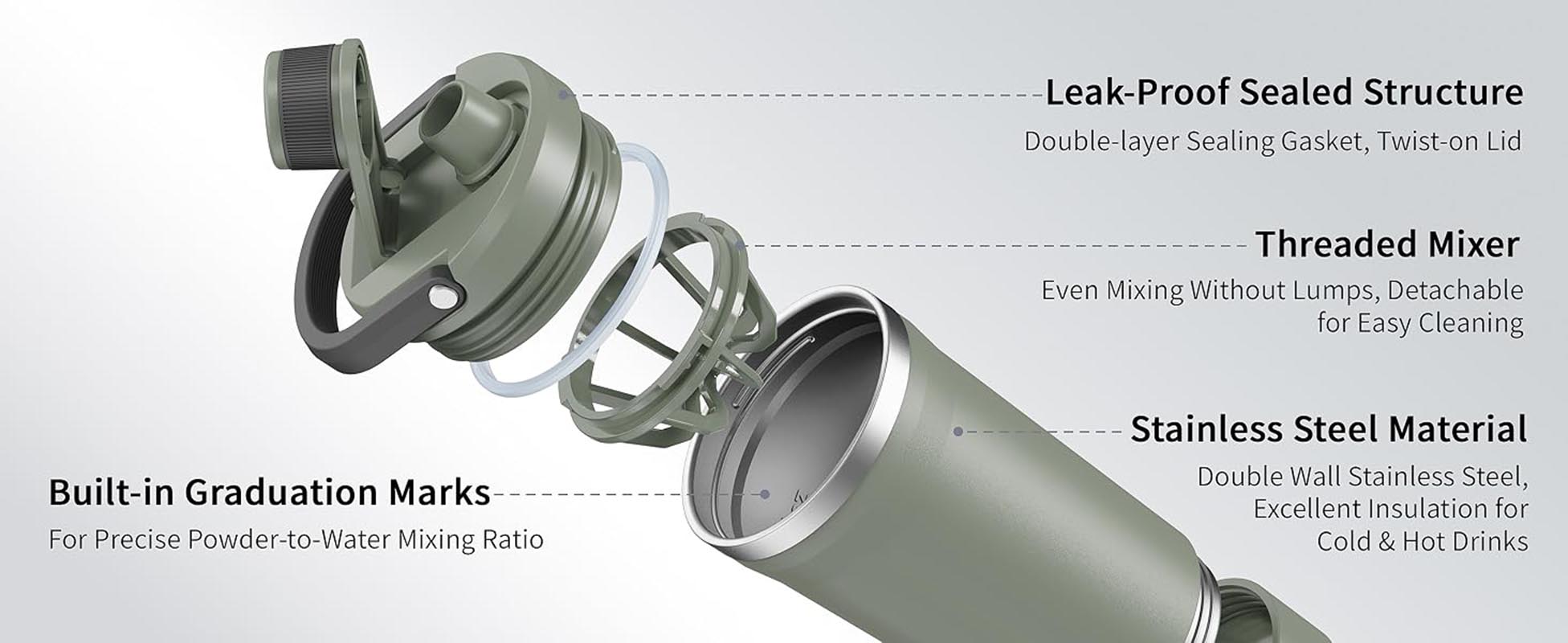
For high-end brands, the material itself can convey a sense of quality. The heavy and solid metal bottle body, with a well-designed lid and advanced surface finish, and the use experience are completely different from that of ordinary plastic shaker bottles.
However, buyers should not draw absolute conclusions, such as “stainless steel cannot be broken” or “stainless steel can be used permanently.”
The durability of a product is determined by a number of conditions:
- Wall thickness
- Bottle geometry
- Welding quality
- Lid structure
- Thread design
- Seal ring quality
- Surface finish
- Manufacturing consistency
The raw material of the shaker bottle body is only one of the links that determine its durability.
Premium Positioning
Using stainless steel can enable the shaker bottle to break away from the traditional positioning of merely being a “supplement accessory.”
A stylish stainless steel shaker bottle can be associated with multiple product labels:
- High-end fitness water bottle
- Insulated sports bottle
- Outdoor portable water bottle
- Health lifestyle accessories
- Travel drinkware
For brands that do not want to merely rely on low prices for competition and focus on product value, this represents a new market opportunity.
Stainless Steel Does Not Automatically Mean Better Economics
The material has a stronger texture and higher appearance grade, and the corresponding raw materials and production costs will also rise.
If your product is just a low-cost activity gift shake bottle, it is difficult to convert the extra cost into the added value that consumers are willing to pay, and the investment is not cost-effective.
The core question is not whether the performance of stainless steel itself is better, but whether the extra premium it brings can support your target price.

Why Can Plastic Be Better for Lightweight and High-Volume Programs?
If lightweight performance, cost advantage, transparency, or large-scale mass production are given priority, and heat retention performance is not required, plastic will be a more suitable solution.


Which Material Is Better for Insulation and Temperature Control?
If the product requires cold insulation performance, the advantage of stainless steel material is very prominent—it can be made into a double-layer vacuum insulation structure.
Why Vacuum Insulation Changes the Product Proposition
Ordinary single-layer plastic shaker bottles have only two core functions: mixing and carrying drinks. The shaker bottle made of double-layer vacuum stainless steel can combine multiple functions into one:
Mixing + hydration + temperature retention
The product application scenario is broadened at once. A high-end style that can be promoted for these usage scenarios:
- Protein powder shake
- Ice water supply
- Exercise hydration
- Functional drinks before training
- Outdoor travel
- Daily commuting
- Travel carrying
- Daily hydration
For B2B brands, such products are more practical and have greater market space.
When Insulation May Not Be Worth the Additional Cost
Not every shaker bottle needs vacuum insulation design. If the user’s core usage is only
Mix protein powder → drink → clean → repeat
The commercial value of heat retention is actually very limited.
In this case, the lightweight PP or Tritan plastic shake bottle is more cost-effective.
A B2B buyer should add insulation when temperature control creates enough customer value to justify the additional manufacturing cost and product weight.
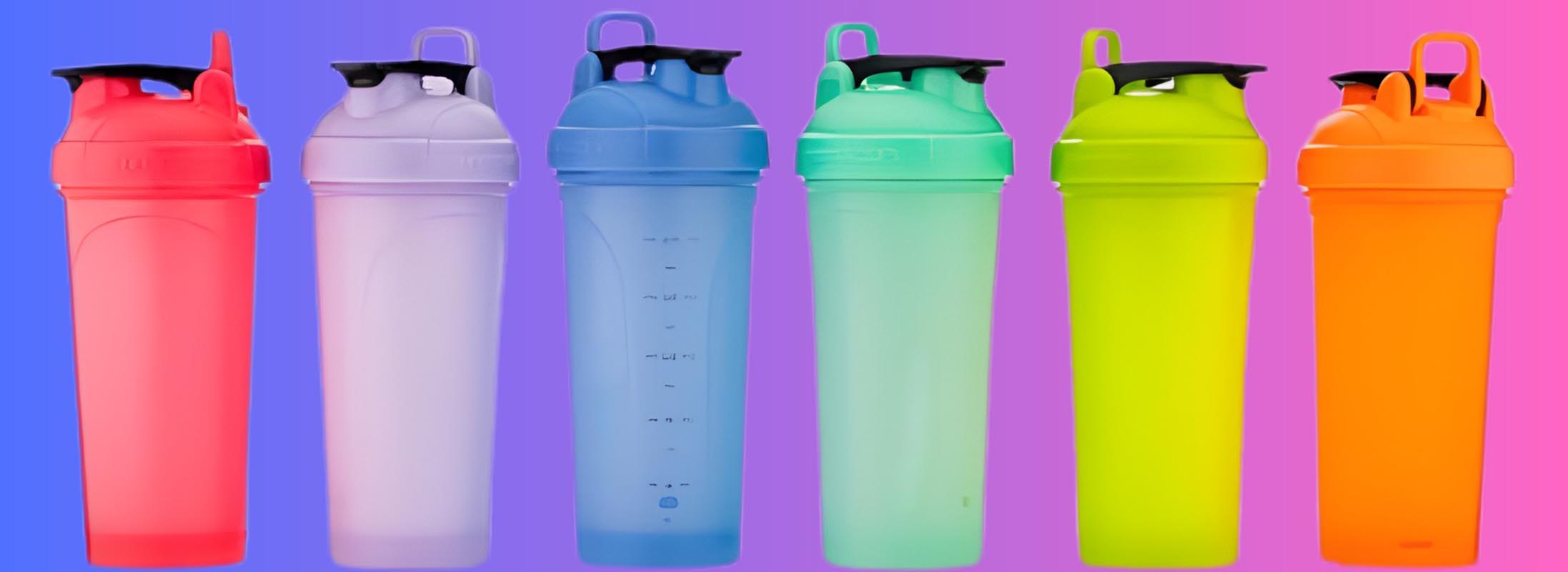
How Does Material Choice Affect Manufacturing Cost and Tooling?
To evaluate a protein powder shake bottle, we should not only look at the unit price of a single product. Mold opening cost, production technology, surface decoration, packaging scheme, logistics cost, and order quantity will all really change the overall total cost.
| Cost Factor | Stainless Steel | PP | Tritan |
|---|---|---|---|
| Raw Material Cost | Higher | Lower | Moderate–Higher |
| Tooling Cost | Design-dependent | Often significant for custom molds | Often significant for custom molds |
| Unit Production Cost | Generally higher | Generally lower | Moderate |
| Decoration Cost | Moderate–High | Low–Moderate | Moderate |
| Custom Shape Cost | Moderate | Higher when new tooling is required | Higher when new tooling is required |
| Packaging & Shipping Weight | Higher | Lower | Lower |
| Insulated Construction | Adds manufacturing cost | Generally not applicable | Generally not applicable |
| Best for Large Promotional Orders | Less suitable | Strong fit | Suitable |
| Best for Premium SKU Programs | Strong fit | Limited | Strong fit |
| Main Cost Advantage | Premium value + functionality | Low weight + scalable production | Premium plastic + transparency |
When products are lightweight, standardized in style, and mass-produced, the cost advantage of plastics is the most prominent. If the brand takes a high-end positioning, it needs to be heat-insulated and durable and depend on the product texture to support a higher price, so the commercial value of stainless steel will be higher.
Tritan is suitable for the brand in the middle gear: it wants a transparent texture and a high-grade plastic appearance, but it doesn’t want to bear the extra weight brought by stainless steel.
Which Material Offers Better Customization for Private Label Protein Shakers?
Both stainless steel and plastic materials support private‑brand customization, but their most advantageous customization directions are different.
Stainless Steel Customization Options
According to the manufacturer’s strength and design scheme, stainless steel shaker bottles can meet the following customization requirements:
For B2B brands, the high-end surface finish is a plus. It can make the Shake bottle get rid of the feeling of cheap gifts and be more like daily luxury water bottles.
Plastic Customization
Plastic materials, whether it is color matching or integrated molding, have a lot of room for customization. Options include:
Molded Geometry vs. Surface Decoration
This is an important distinction for B2B buyers. Changing the logo/printed artwork/color/surface finish may require less development work than changing the bottle geometry/lid geometry/grip structure/thread/handle/internal features.
A new molded design can require new tooling and additional development time. Buyers should decide early whether product differentiation will come from decoration or from physical product geometry.
What Should B2B Buyers Evaluate Before Choosing a Protein Shaker Manufacturer?
A qualified shake bottle manufacturer must control the whole chain of raw material selection, product development, manufacturing, quality inspection process, customized service, and compliance documents. Just looking at the price is not enough as the only criterion for screening suppliers.
Material Specification and Documentation
First of all, confirm the specific materials used for the bottle body and all accessories. If it is made of stainless steel, the buyer shall specify the type of steel used for the product. If it is plastic, you need to confirm the exact model of raw materials, and you can’t just accept the vague description of “food-grade plastic.”
For all products that come into direct contact with drinks, the buyer also needs to ask for a complete set of compliance documents corresponding to the actual production materials and the applicable use scenarios.
This is particularly critical for B-end procurement facing the US market. Marketing words such as “BPA-free” and “food-grade material” cannot completely prove that the finished material fully meets the use requirements.
Manufacturing Capability
The production process should match the design orientation of the product.
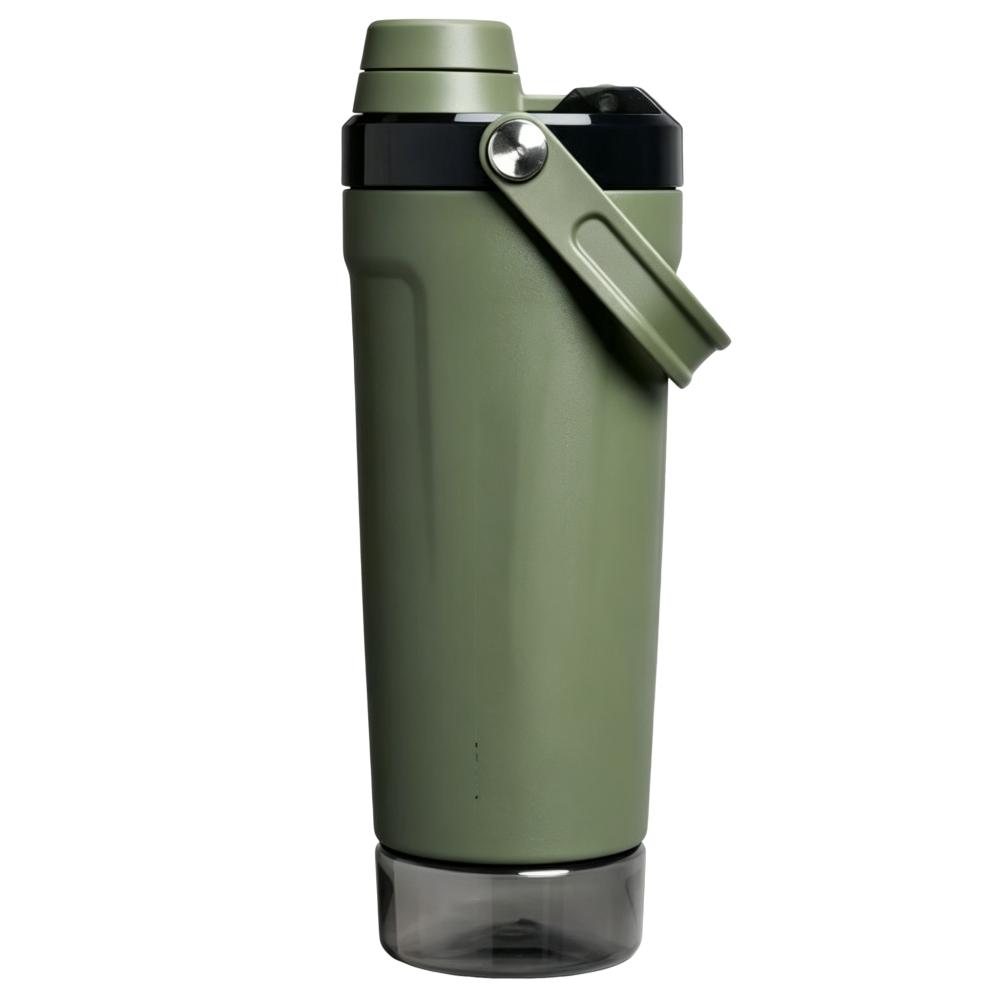
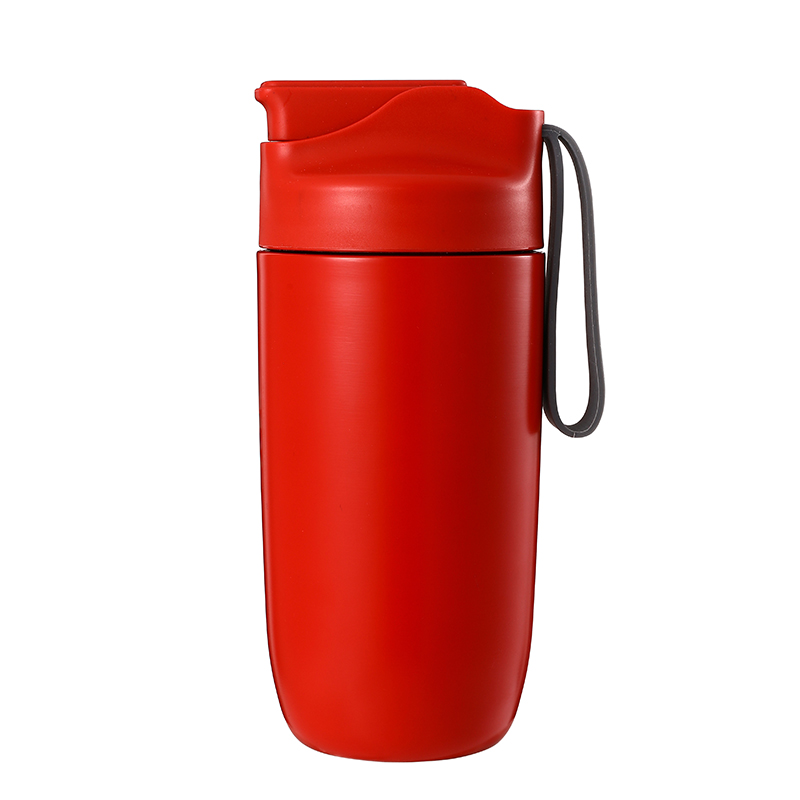
A stainless steel shaker bottle with a cold preservation function will involve stamping, welding, surface treatment, and vacuum pumping. Customized plastic shake bottles are highly dependent on the design of the injection mold and the control of the production process.
Before mass production, the purchaser needs to know how the factory manages proofing, mold opening, production parameter control, finished product assembly, and final factory inspection.
Quality Control
The quality of the protein powder shake bottle can’t just depend on the quality of the bottle body. The bottle cover, screw thread, sealing ring, locking structure, and mixing assembly will directly affect the actual use experience of users.
Reliable suppliers need to explain how to control dimensional accuracy, leak-proof performance, bottle cover fit, appearance printing quality, and assembly process. If it is stainless steel with vacuum insulation, the vacuum cold insulation performance must also be included in the quality inspection.
No matter how good the bottle body is, it can’t make up for the bottle cover that is prone to problems or the uneven assembly process.
OEM and ODM Development
For private brand customers, production strength also includes product development ability.
When the buyer has set the complete product specifications and handed them over to the factory for production according to the drawings, this is the OEM mode. The ODM model is based on the mature product scheme of the factory-ready-made or self-developed, and then modified and customized according to the customer’s brand demand.
There are differences between the two modes of cooperation in mold opening responsibility, development cycle, design copyright, and customizable scope.
If you want to customize and develop a protein powder shake bottle, the buyer must confirm the rights and responsibilities of both parties clearly before opening the mold.
Conclusion
There is no absolutely perfect and universal optimal material. The truly suitable material needs to find the best balance point among user value, target pricing, production feasibility, and product positioning.
For products targeting high-end fitness, healthy living, outdoor scenarios, and high-performance positioning, stainless steel is often a more reliable choice. It is sturdy and durable, has a high-quality texture, and can be made into a double-layer vacuum insulation structure, which can give the product more diverse and higher value-added selling points.
If it is a large quantity of gift orders, gym giveaways, or projects that are very sensitive to costs, PP plastic would be a more practical choice. It is lightweight, has high production efficiency, can help the brand maintain a competitive price, and does not need to add functions that consumers may not need additionally.
If you want a transparent appearance and to create a differentiated visual effect, Tritan material is an attractive mid-range solution. It is lightweight, the bottle body is transparent, and this texture itself can become a major highlight in product design.
Ultimately, when B2B buyers select materials, they need to comprehensively consider the final selling price, estimated order quantity, usage scenarios, mold production requirements, customization plans, compliance qualifications, packaging, and logistics costs. And if you have any questions about protein shaker bottle sourcing or customizing, or material selection, we are a professional manufacturer of wholesale custom shaker bottles, and we’re pleased to offer help. Welcome to contact us through sales@waterbottle.tech.
FAQ
Reference
PP vs Tritan vs Stainless Steel Shaker Bottles: Which Is Better for Fitness Brands? https://customizedwaterbottles.com/product-guides/custom-shaker-bottles-pp-tritan-stainless-steel/
BPA-Free, Tritan & Food-Grade PP Plastics: The Ultimate Guide to Safe Shaker Bottles https://kinglinetech.com/bpa-free-tritan-food-grade-pp-plastics-the-ultimate-guide-to-safe-shaker-bottles-kingline-manufacturing/
Steel vs Plastic Shaker Bottle: Which Is Safer for Your Gym? https://instacuppastore.com/blogs/main-page/steel-vs-plastic-shaker-bottle-which-is-safer
Are insulated water bottles with straws LFGB, FDA, and Prop 65 compliant? https://icobottle.com/are-insulated-water-bottles-with-straws-lfgb-fda-and-prop-65-compliant/
5 Best Blender Bottle | Don’t Settle for a Clumpy Shake https://proteinjug.com/best-blender-bottle/

Specializing in custom manufacturing, quality control and marketing of vacuum-insulated drinkware and coolers.