
Wholesale FAQs for Drinkware & Containers
This FAQ resource summarizes frequently asked questions for wholesalers, OEM partners, and bulk‑order buyers of drinkware and various containers. Whether you purchase stainless steel water bottles, tumblers, coolers, storage containers, or other customized containers, you can find clear instructions on production specifications, product compliance, material properties, and daily-use scenarios.
Here, a large number of practical sourcing questions are sorted out, including dishwasher adaptability, security inspection and transportation requirements, customization process details, and application limits. It aims to help you eliminate information gaps before placing a big order, reduce the cost of trial and error, and make a more secure purchasing decision. If you cannot locate the answer you need, feel free to reach out to our team for further support.

Everything You Need To Know About Drinkware & Containers
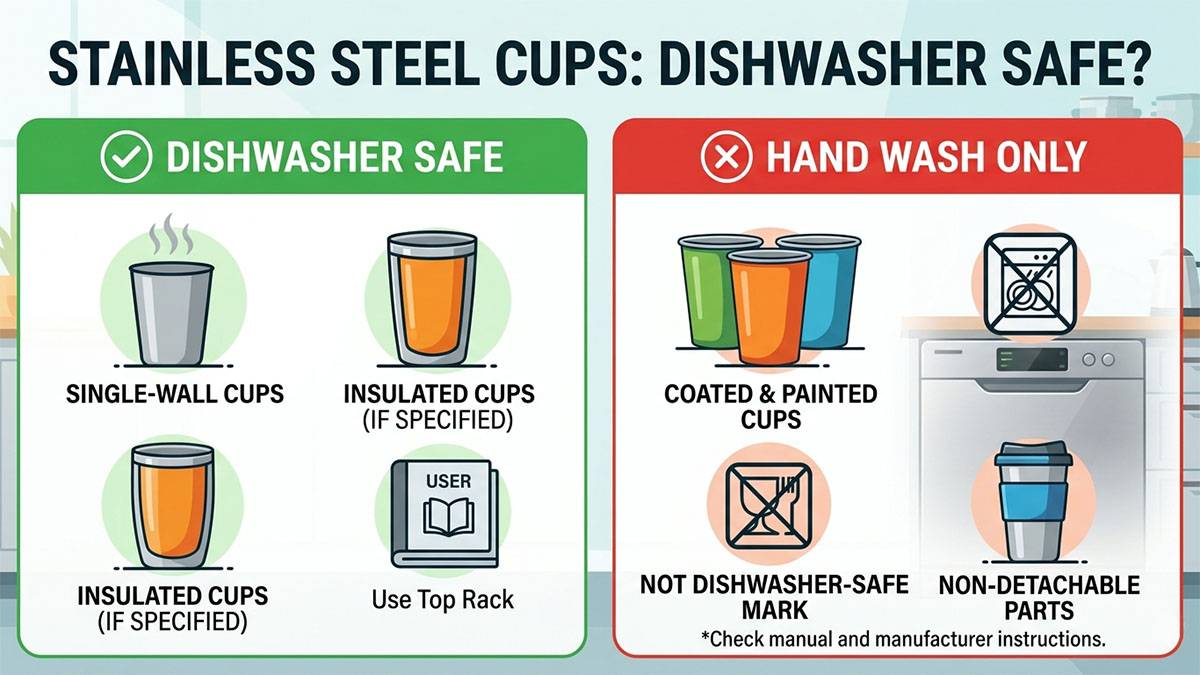
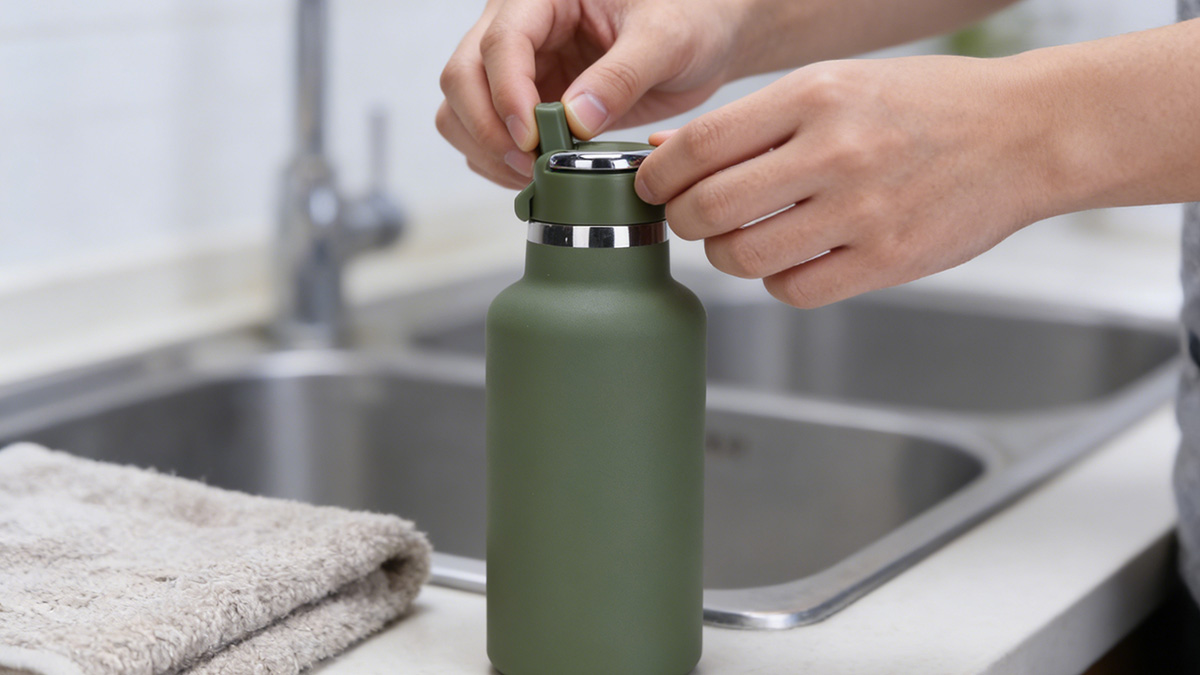
Are Your Stainless Steel Cups Dishwasher Safe?
Direct answer: Most single-wall stainless steel cups can be
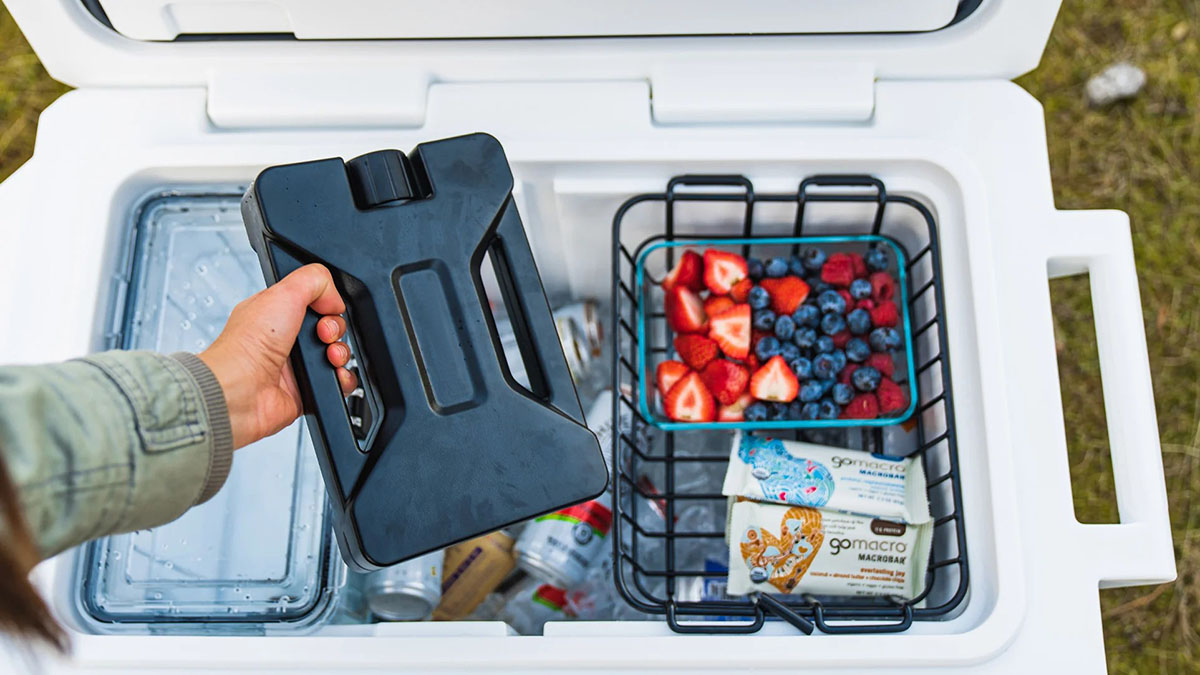
How to Pack A Hard Cooler: Step-By-Step Guide and Practical Tricks
The most indispensable things during a long outdoor exploration
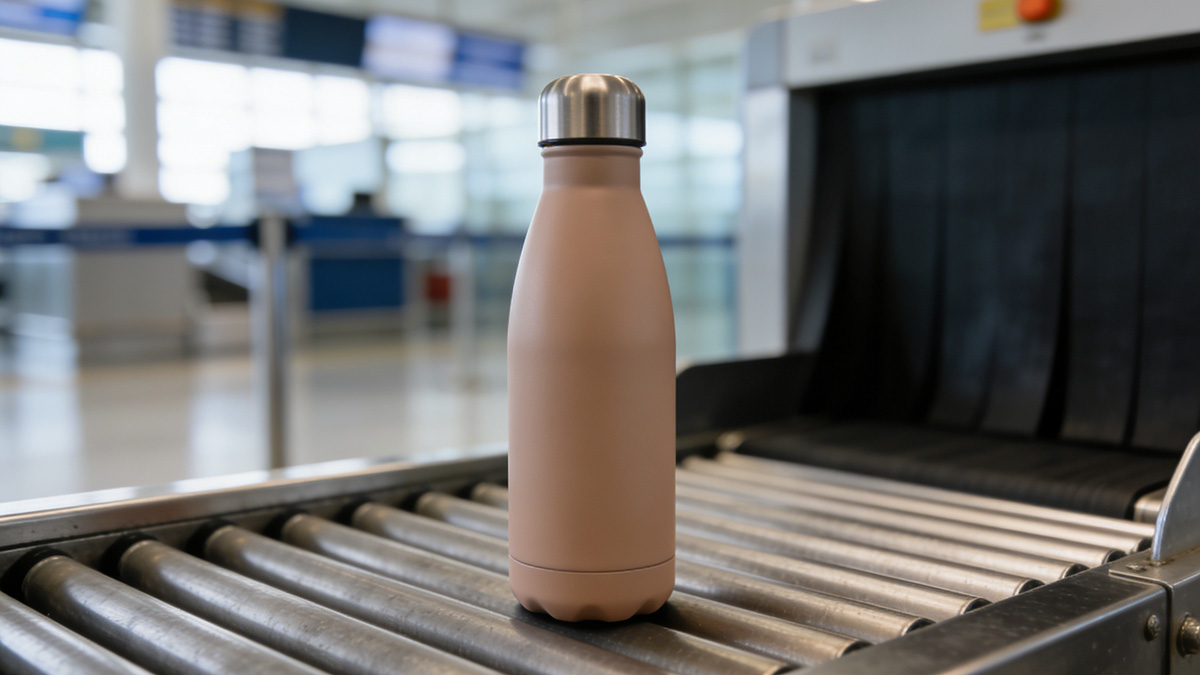
Can You Bring Stainless Steel Water Bottles Through Airport Security? Here’s What to Know
Airport security rules can always turn ordinary items into
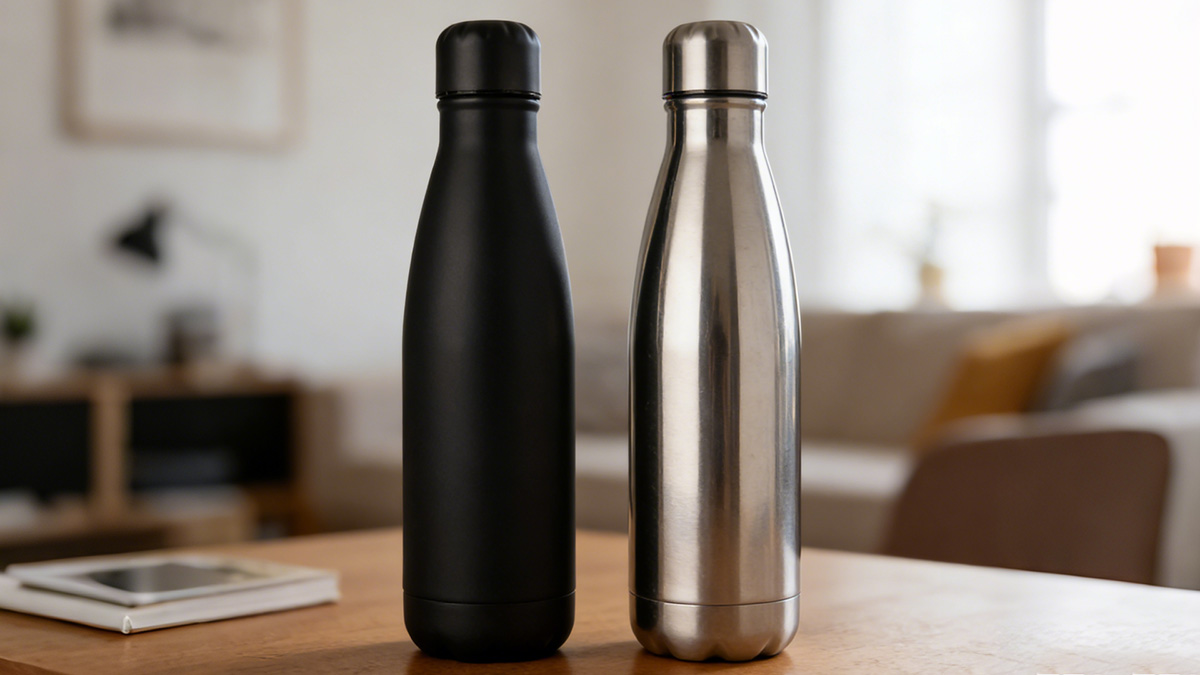
Why B2B Buyers Prefer 316 Stainless Steel Over 304 and 201 for Bulk Custom Water Bottles
When you walk into any office, you can see
Are All Stainless Steel Cups Made in China? Global Production Insights for B2B Buyers
Tthere is an obvious trend: the purchasing decision of
Market‑Driven Product Selection Guidance for Distributors
The popularity of srinkware and other containers varies greatly in different regions and different usage scenarios. Each market has different standards for the durability, design, and practical performance. The following table sorts out the purchasing needs of several mainstream target markets, which is convenient for dealers to adjust their product mix and reduce the risk of inventory backlog.
| Target market | Core procurement concerns | Recommended containers and drinkware products | Pits to be avoided |
|---|---|---|---|
| Outdoor leisure field | Anti-fall, leak-proof, portable, strong and wear-resistant surface | Large-capacity thermos water bottles, sturdy tumblers and durable storage containers | Thin-walled fragile products with delicate surface that scratch easily |
| Home retail market | Easy to clean, dishwasher-safe, suitable for daily use | Medium-capacity tumblers, daily household drinking containers | Styles with complicated structures and multiple lid parts that are hard to disassemble and clean |
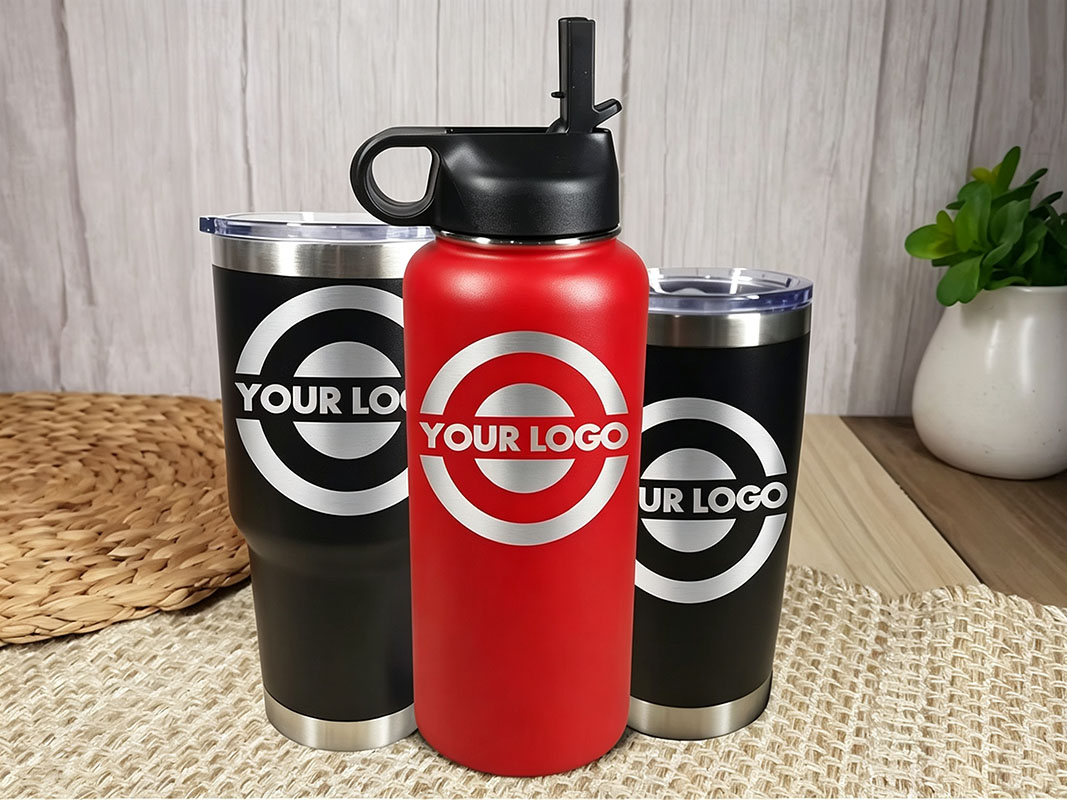
| Corporate gifts/promotional orders | Suitable for logo engraving, premium texture, uniform color | Laser-engravable tumblers, classic insulated water bottles | Overly fancy and complex structures that easily cause printing and engraving failure |
| Cafe and catering industry | Standard uniform capacity, stackable storage, high cost performance | Stackable stainless steel cups, reusable service containers | Non-standard special sizes that do not match existing commercial equipment |
| E-commerce reselling merchants | Low return rate, stable quality, wide audience coverage | Multi-scene universal cups and general containers for most scenarios | Niche styles with narrow audiences and low market demand |
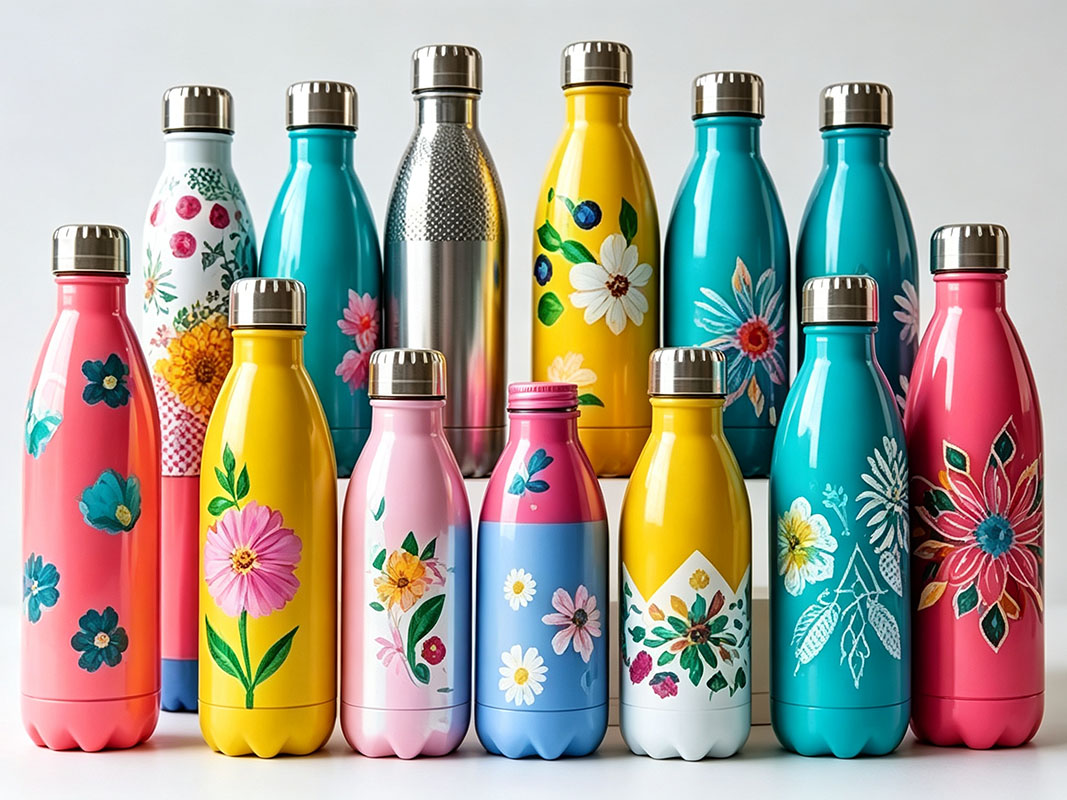
Surface Finish & Decoration Limitations
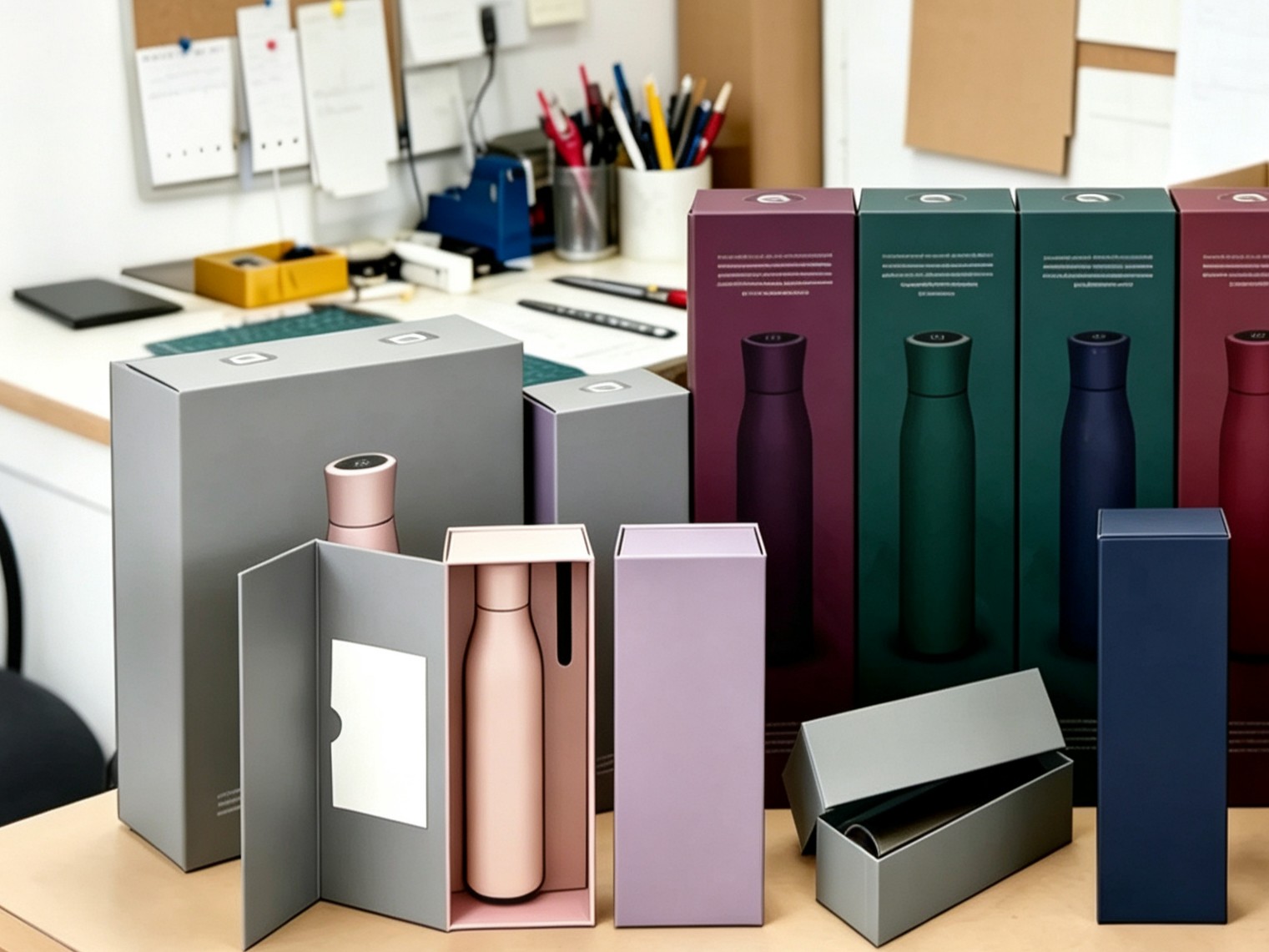
KingStar Custom Service
Manufacturing Essentials—From Materials to Production
Material Guide
Kingstar can provide a variety of BPA‑free materials that meet FDA, LFGB, and California Prop 65 standards.
- Stainless Steel: SS304 (food-grade, corrosion-resistant) for inner/outer walls; SS316 (medical-grade, superior acid/heat resistance) for premium applications; SS201 for outer walls only.
- Plastics: PP (heat-resistant, high strength), Tritan (BPA-free, transparent, impact-resistant), PPSU (heat-resistant to 207°C, ideal for baby bottles), and recycled ocean plastic for eco-friendly options. PC contains BPA and is not recommended.
- Other Materials: Titanium for premium/medical use. Silicone for gaskets, straps, and collapsible bottles.
- Auxiliary Materials: Copper plating and aluminum foil enhance insulation. The getter removes residual air between double walls for vacuum performance.
KingStar helps you select the right material based on product needs, target market, and budget.
Standard 500ml double‑layer 304 stainless steel insulated cup with basic paint finish and single‑color silk‑screened logo. China FOB price reference:
3,000‑piece MOQ: $4.40‑$5.00;
10,000‑piece MOQ: $4.60‑$4.80;
30,000+‑piece orders: $2.80‑$3.50.
Main price‑driving factors:
Steel grade (304 vs 316 has notable gaps), order volume and surface treatment. Paint adds $0.15 per unit; powder coating adds $0.50. Complex lids cost an extra $0.50‑$1.50.
Other surcharges: copper plating +$0.20; stretching process +$0.60 vs water‑expansion; packaging $0.08‑$0.80. Logo options: silk‑screen from $0.03, laser engraving from $0.05. Shipping varies by sea, rail, air or express. Widely used for coffee, tea and drinks, these vacuum cups hold heat 12h and cold 24h. As the industry standard, 304 stainless steel costs $0.30‑$0.45 per cup in raw materials.
Vacuum Flask Design Guide
When designing double‑layer vacuum insulated water bottles, far more considerations apply than for single‑layer versions. The vacuum layer between inner and outer walls raises manufacturing difficulty, and many initial designs cannot be produced.
Core Design Principles
- Cup Wall Gap: Maintain ≥2 mm (ideal 3 mm) body clearance and 8‑10 mm at the bottom to avoid vacuum‑induced deformation.
- Thread Specifications: Thread height ≤1.0 mm (0.5‑0.9 mm recommended); pitch ≥3 mm (ideal 4‑5 mm). Thread rolling cannot support very fine‑pitch designs.
- Shape Restrictions: Round bodies deliver best compression resistance, like arch bridges. While KingStar offers square cups, large sizes need thicker walls, raising cost and weight.
- Insulation Tips: Narrow the mouth diameter; add copper‑plating or aluminum foil lining; opt for larger capacities. Vacuum ports are generally centered on the cup bottom.
Manufacturing Process
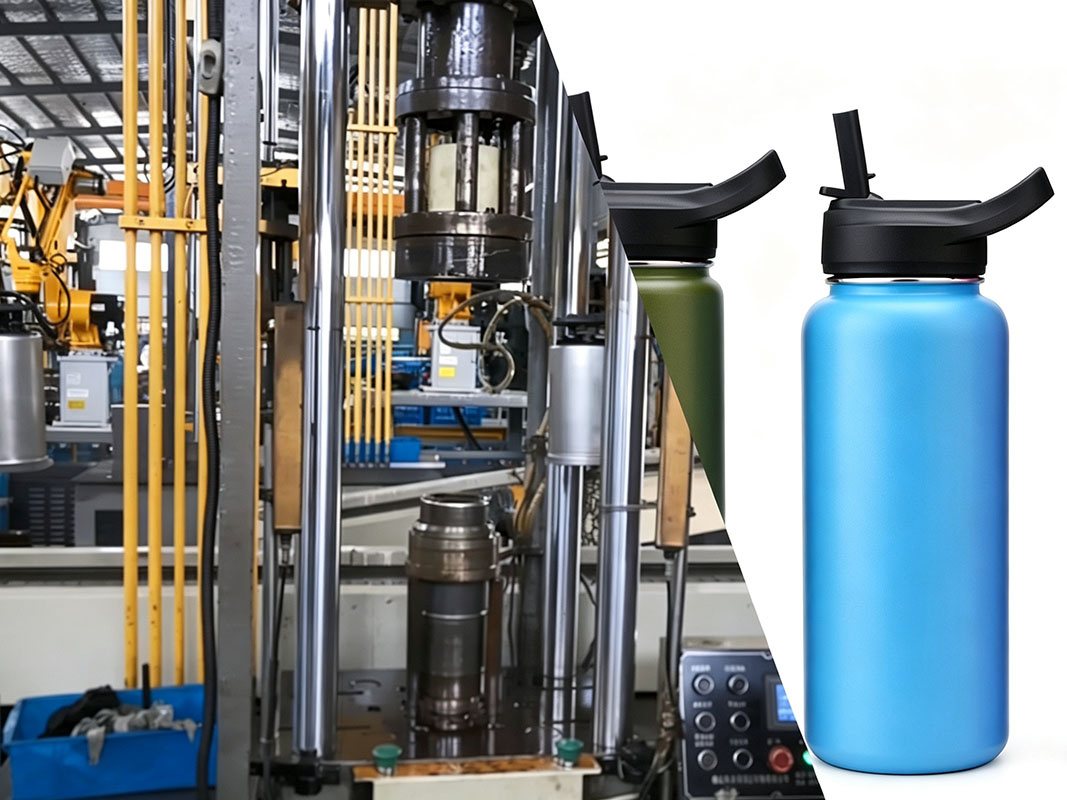
The manufacturing process transforms raw stainless steel into insulated bottles through two parallel production lines—one for the outer bottle and one for the inner bottle—before assembling them into a double-wall vacuum structure.
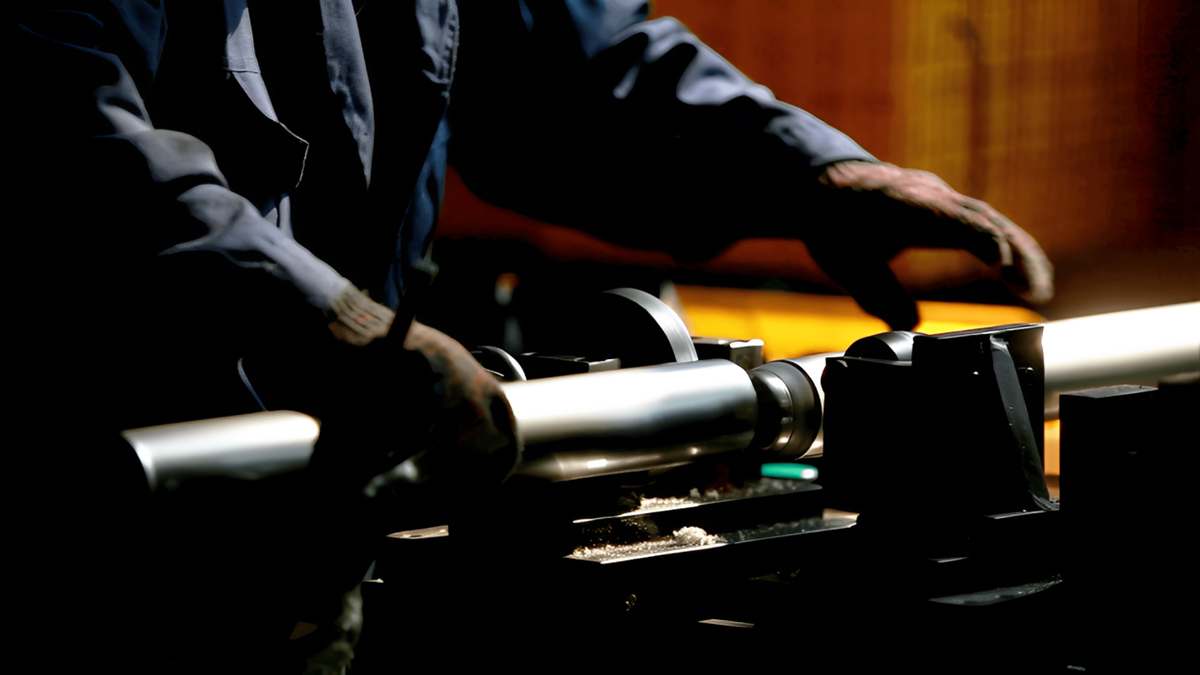
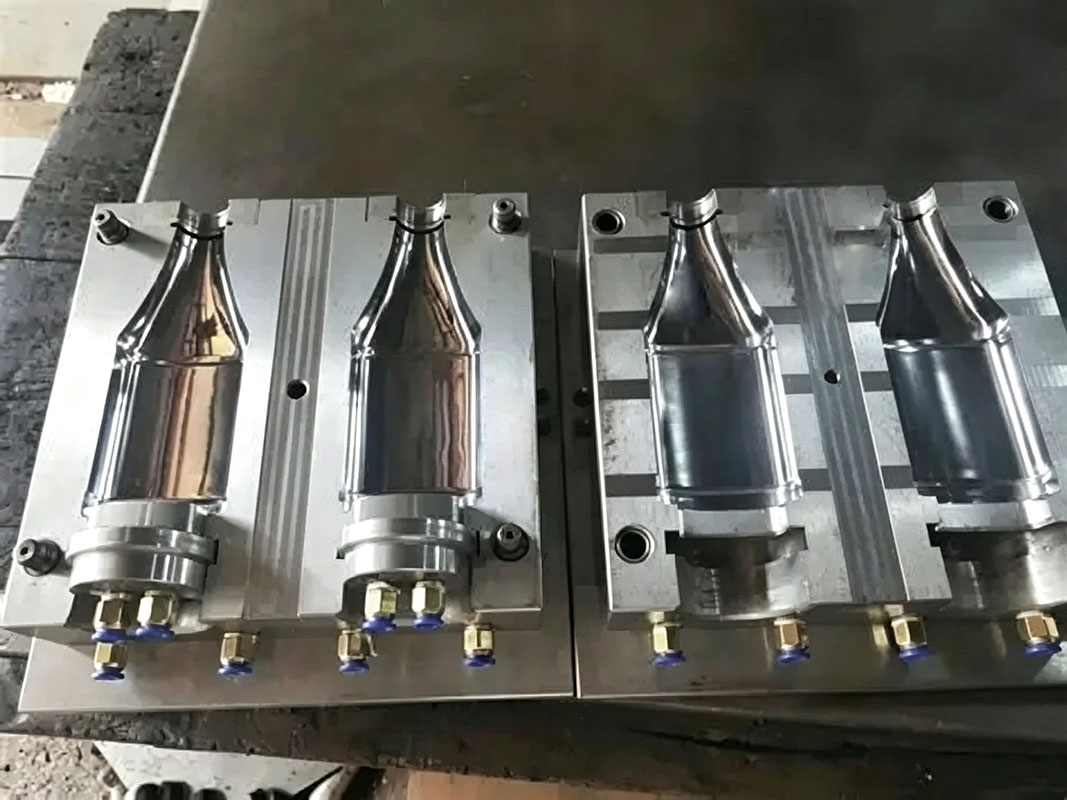
- Outer Bottle Production: Raw stainless steel pipes are cut to length, then shaped via water expansion (hydroforming) or stretch forming (deep drawing). The formed bottle undergoes separating, shaping, necking, thread rolling, cleaning, and inspection.
- Inner Bottle Production: Follows the same steps as the outer bottle, but typically requires no threading.
- Assembly & Vacuuming: The inner and outer bottles are assembled with a 2–3mm gap, then welded at the mouth and bottom. A vacuum is created between the walls to eliminate heat conduction and convection. High vacuum levels deliver 12–24+ hours of temperature retention.
- Finishing: The bottle undergoes electrolytic and mechanical polishing, followed by external coating (powder coating, spray painting, or electroplating) and logo printing (screen printing, thermal transfer, laser etching, etc.). Final insulation testing and packing complete the process.
- Quality Focus: Precision welding, stable vacuum technology, and strict material compliance (304/316 food-grade stainless steel, BPA-free plastics) are critical for consistent quality. Buyers should evaluate factories on vacuum consistency, welding precision, and adherence to standards like GB/T 29606-2026.