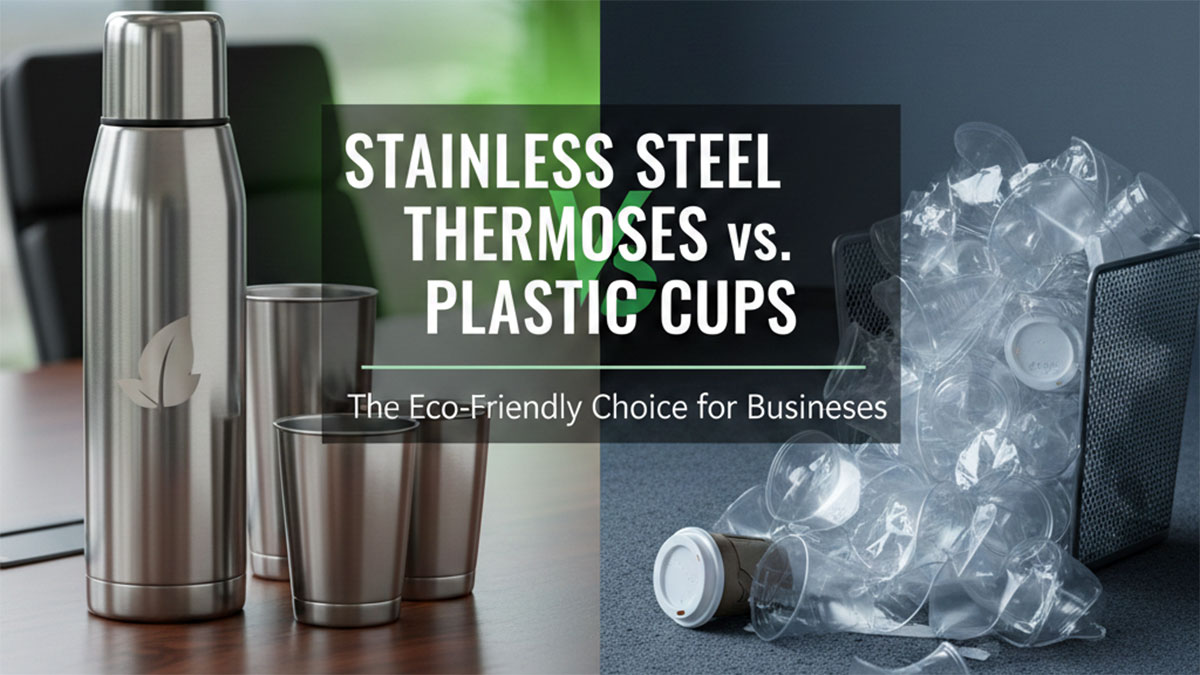
Walk into the office tea room, spot the front desk or go search the event area, and you can always find a hidden budget loophole: piles of disposable cups are continuously turned into mountains of garbage. If you look at this issue alone, it might not seem to be a big problem at first, but if all matters are taken into consideration and calculated clearly, you will find that its impact cannot be underestimated. Drinkware products are the intersection of sustainable development goals, health standards, employee and tourist experience and purchasing efficiency. Because of this, companies should regard them as a strategic layout, rather than simply purchasing consumables.
This article compares and analyzes the stainless steel thermos cup and plastic disposable cup from the commercial point of view. Let us walk you through drinkware’s durability and life cycle, odorless and residue-free characteristics, cleanliness and hygiene performance, thermal insulation and cold preservation performance, brand image building, waste reduction and environmental protection benefits, long-term use cost, and the applicable advantages of the two types of cups in different practical scenarios.
Are Stainless Steel Bottles More Eco-Friendly Than Plastic Cups?
For enterprises, “environmental protection” is meaningful only if it can really manage less waste, less replenishment, less reordering times, less one-time consumption and longer service life. The design of stainless-steel thermos can be used repeatedly in many cycles, which is where its environmental advantages begin to appear. If a water bottle can be used continuously and stably, it can replace a lot of disposable cups over time, thus reducing the wastes that would have become the norm in daily operation.
Stainless steel is generally considered to be highly reusable. In the recycling process, it will not face the fear of material degradation like many plastics. This degradation will limit the number of times many plastics can be reused. Practically speaking, this often means that steel usually has a clearer “second life” path than plastic recycling, and plastic recycling is more unstable in many fields and inconsistent in reality.
There is also a discussion about “what material does the beverage contact”, and plastic may cause concern about its aging after repeated use. Moreover, under different material types and use conditions, especially in the case of long-term heating, there may be some concerns about the migration of substances into beverages. Food-grade stainless steel is often selected for its stability and corrosion resistance, and is usually described as “non-reactive” in the contact between food and drink. For enterprises, this stability supports a simple commitment: consistent drinking experience, less material concerns, less replacement.
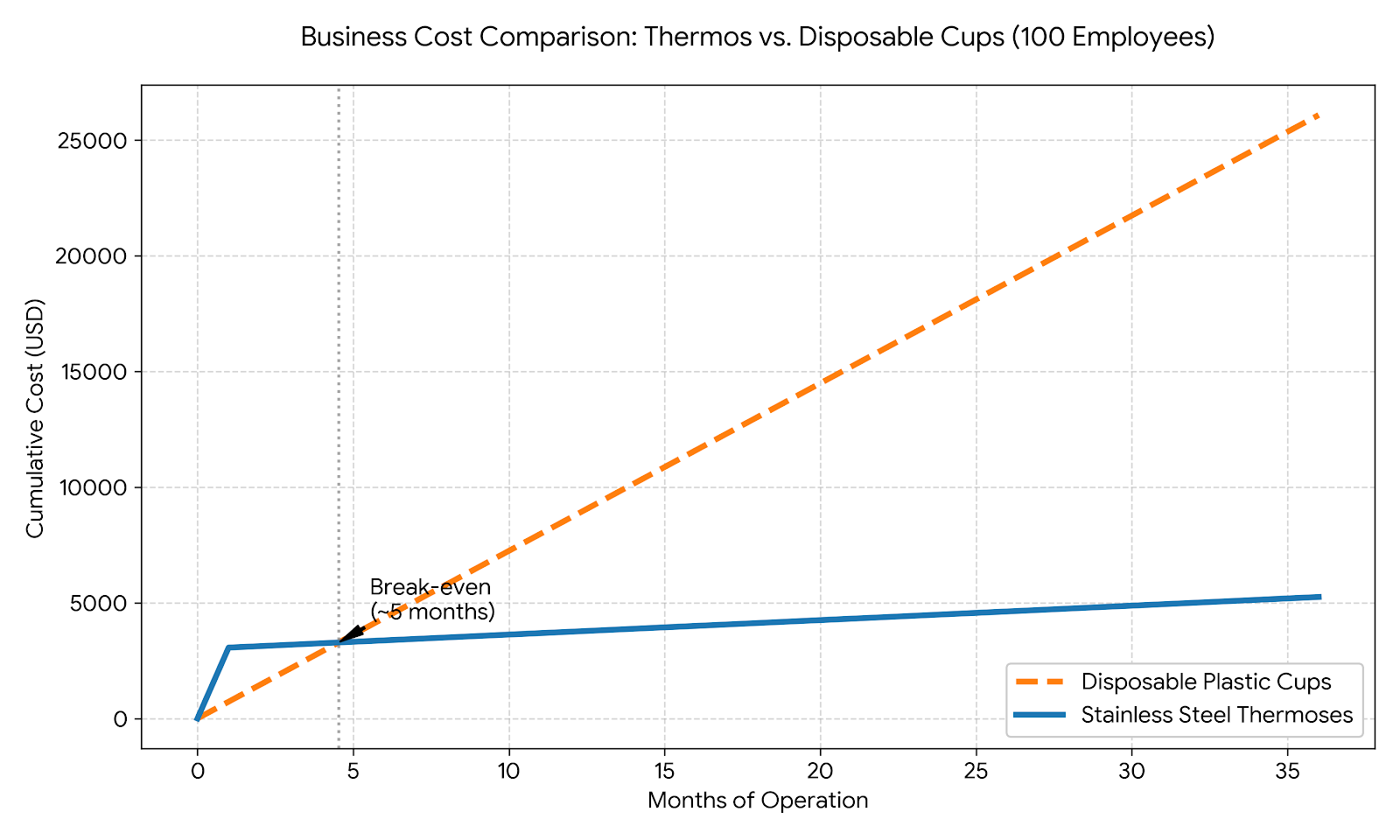
Cost Analysis for Corporations to Replace Disposable Cups to Reusable Bottles
What is the Long-Term Cost of a Thermos Compared to Disposable Cups?
Plastic cups have a higher cost performance in short-term bookings. Stainless steel thermos cups usually have an advantage in long-term budget. This is not a slogan, it’s actually a purchasing model. Disposable parts will bring recurring expenses, recurring storage, recurring orders, recurring distribution, and recurring waste disposal. Thermos plans to convert some repetitive costs into one-time upfront assets investment.
When you reduce the consumption of disposable goods, you will often reduce the operation and management expenses. The discussion about the cost is not confined to the cup itself. Many organizations underestimate the “administrative tax” of disposable products: the time spent on replenishment, inventory management, repeated orders, and waste disposal. In addition, because stainless steel drinkware are usually more durable, it can also make supply plan more stable, there are fewer urgent orders, fewer temporary substitutions, and fewer times when “we have run out” comes uninvited.
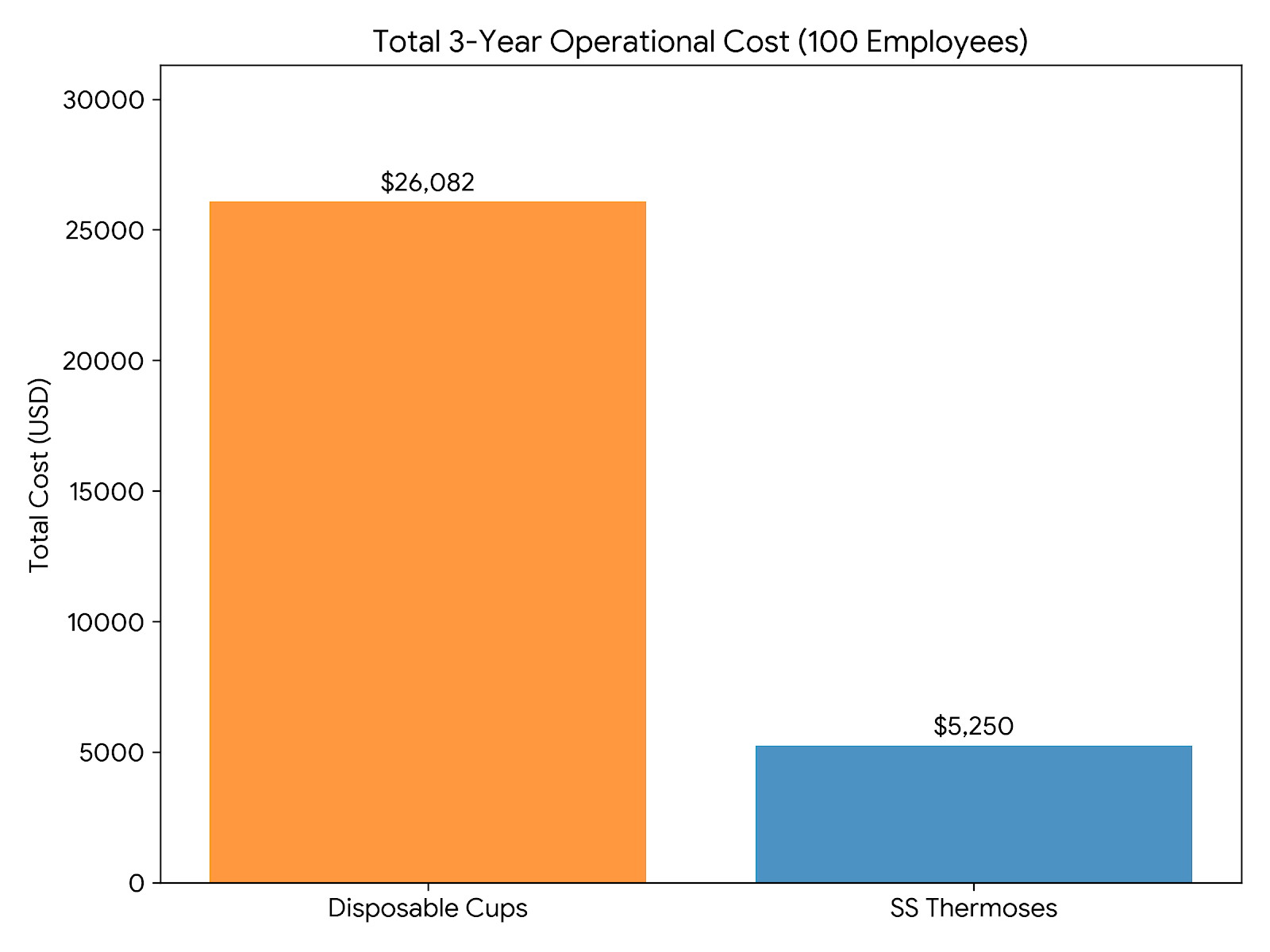
3-Year Oprational Cost for Corporations to Replace Disposable Cups to Reusable Bottles
Which Business Uses Can a Stainless-Steel Thermos Support?
A thermos is not only a container, but also a workflow tool.
Temperature maintenance is a direct and obvious operational advantage. Vacuum insulation can keep drinks at a suitable temperature for a longer time than ordinary plastic cups. This is especially important in offices, hotels, gyms and campuses: after drinks are poured, they are often forgotten in meetings, shifts or continuous courses. Better insulation can also reduce the “second cup syndrome”: after the first cup warms up, the new “disposable cups” seem to appear out of thin air. The purchasing department may not say so, but everyone knows the situation.
High-quality stainless steel is generally considered to be easier to disinfect and less likely to leave odor and residue. In contrast, plastics will degrade over time, leaving odor or residues more easily. Cleanliness is the most “capable” place of stainless steel for many enterprises. Many stainless-steel products are suitable for commercial dishwashing practices. The stability of their materials is also conducive to the formation of consistent hygiene habits, which is a key detail for hotel catering, food adjacent environment, studios and any shared beverage station.
Finally, a stainless steel thermos cups placed on a desk will make people feel that this is a choice, rather than an item in disposing. It conveys that the organization is willing to invest in quality, pay attention to waste, and consider not only the next delivery cycle. This awareness is very important in corporate environment, the high-end hotel industry, health and health care brands and retail fields.
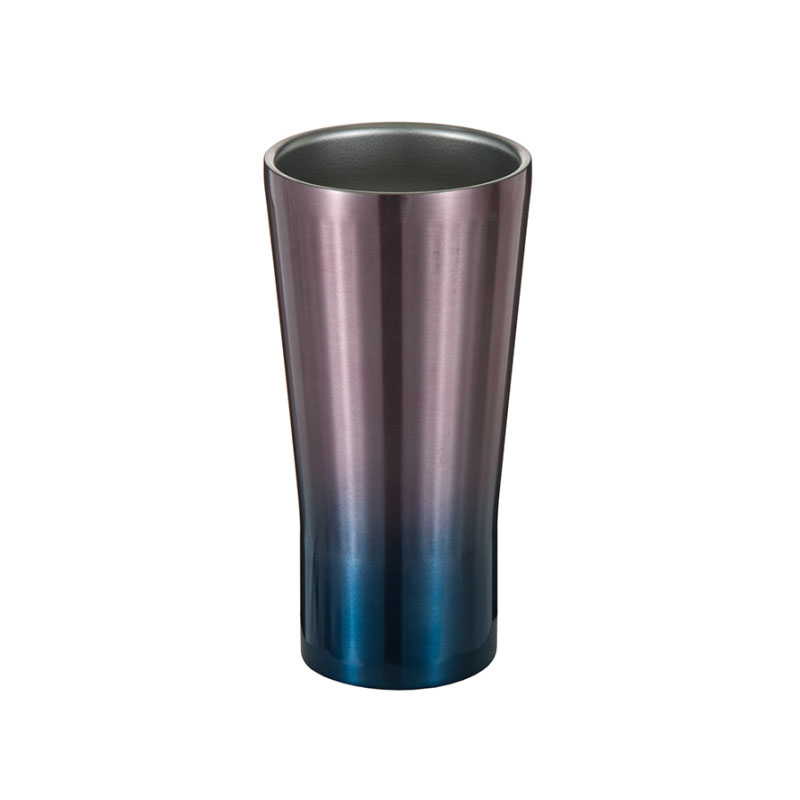
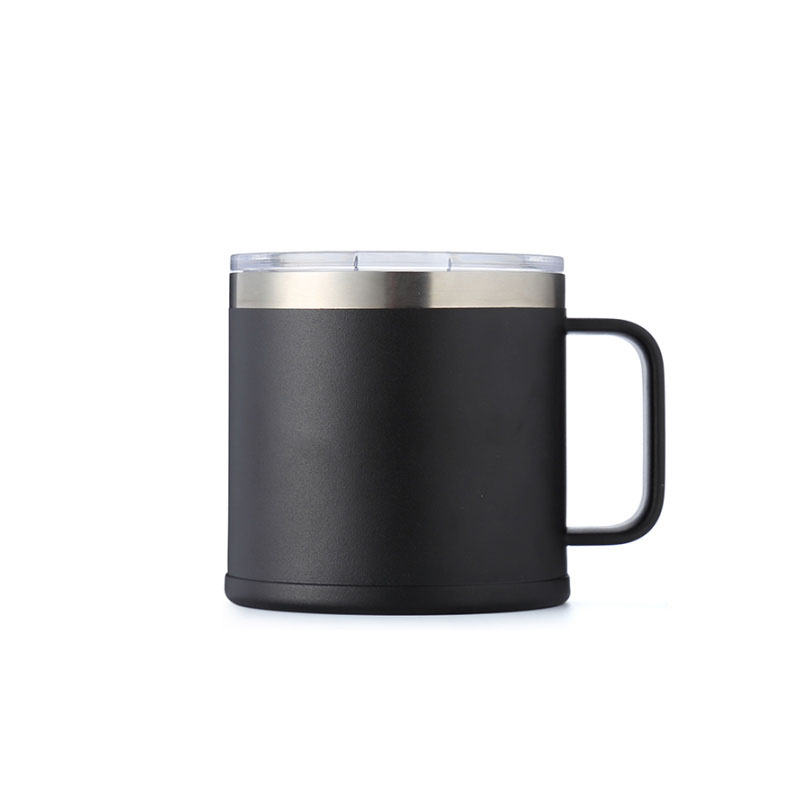
Challenges of Changing from Disposable Plastic Cups to Reusable Stainless Steel Bottles in Corporations
The answer is yes. And acknowledging them is how you design a program that actually works.
First and foremost, upfront costs! Stainless steel thermoses cost more per unit than disposable plastic cups, and that can be a hurdle for large rollouts. The operational fix is usually to start where usage is most consistent—staff beverage stations, daily office routines, or membership-based environments—so the payback logic has room to do its job.
Maintenance is another reality. Stainless drinkware performs best with consistent cleaning, thorough drying, and routine care, especially if used for coffee, dairy, or flavored drinks. A thermos program succeeds when cleaning is treated as part of the system, not an afterthought.
There are absolutely no doubts whether thermoses are heavier than plastic cups, that, however, does not sound like good news for your shipping plans, and for certain events, large conferences, festivals, and carnivals reusable thermoses can create some extra work. Tracking them down and collecting them, cleaning them afterwards, it loses control. In these cases, we advise you to take a different approach. You can serve thermoses as a special gift for your customers to remember you by, and disposables for average use.
The key is to match the tool to the environment, not force a one-size-fits-all policy that everyone quietly works around.

Conclusion
When companies compare stainless steel water bottles with plastic disposable cups, the decisive factor is not only sustainability-but also how your daily operation is carried out. When it comes to hygienical drinkware, long-term usage, and no harsh feelings of bringing wastes to the planet. But if you are looking for a not-so-long-term usage scenario, a cheap use-and-go, then you use plastic cups for their access.
To upgrade with target, the first thing you would need to do is to identify your volume moments. Coffee stations? Water cooler? Or just a mid-break sip? These scenarios are places where disposables are not so eagerly required. Then, go discuss this issue with your manufacturers or wholesale partners the practical details that can really keep the project going: such as the selection of food-grade stainless steel such as 304(18/8) or 316, OEM manufacturing options for brand alignment, the compatibility of dishwashers, replacement plan and the consistency of long-term supply.
Well done, upgrading drinking water equipment will not make people feel like a “battle.” It’s more like: one less thing to add, one less bag of garbage at the end of each day, and one more operation option that reflects your business standards, and these standards are exactly what your business wants to be remembered. Contact your reliable custom tumblers & mugs supplier at sales@waterbottle.tech, don’t be alone on your conquest to upgrading your drinkware.

Specializing in custom manufacturing, quality control and marketing of vacuum-insulated drinkware and coolers.