
Smart Drinkware Manufacturing Guides for OEM & ODM Water Bottles
Many buyers will encounter difficulties when developing smart water bottle product lines: finding stable hardware suppliers, balancing sensor performance and production costs, securing food contact safety certifications, and advancing OEM/ODM customization projects. Creating a market-ready smart water bottle is very different from the production of ordinary insulated water bottles.
Browse our series of articles on smart drinkware manufacturing to gain practical industry insights. The content covers product planning, component selection, factory audits, FDA and LFGB compliance requirements, production scheduling, and quality control. With these guidelines, you can avoid costly project delays and quality risks when launching smart bottles for retail, corporate gifts, and online channels.
Explore Our Smart Drinkware Manufacturing Posts
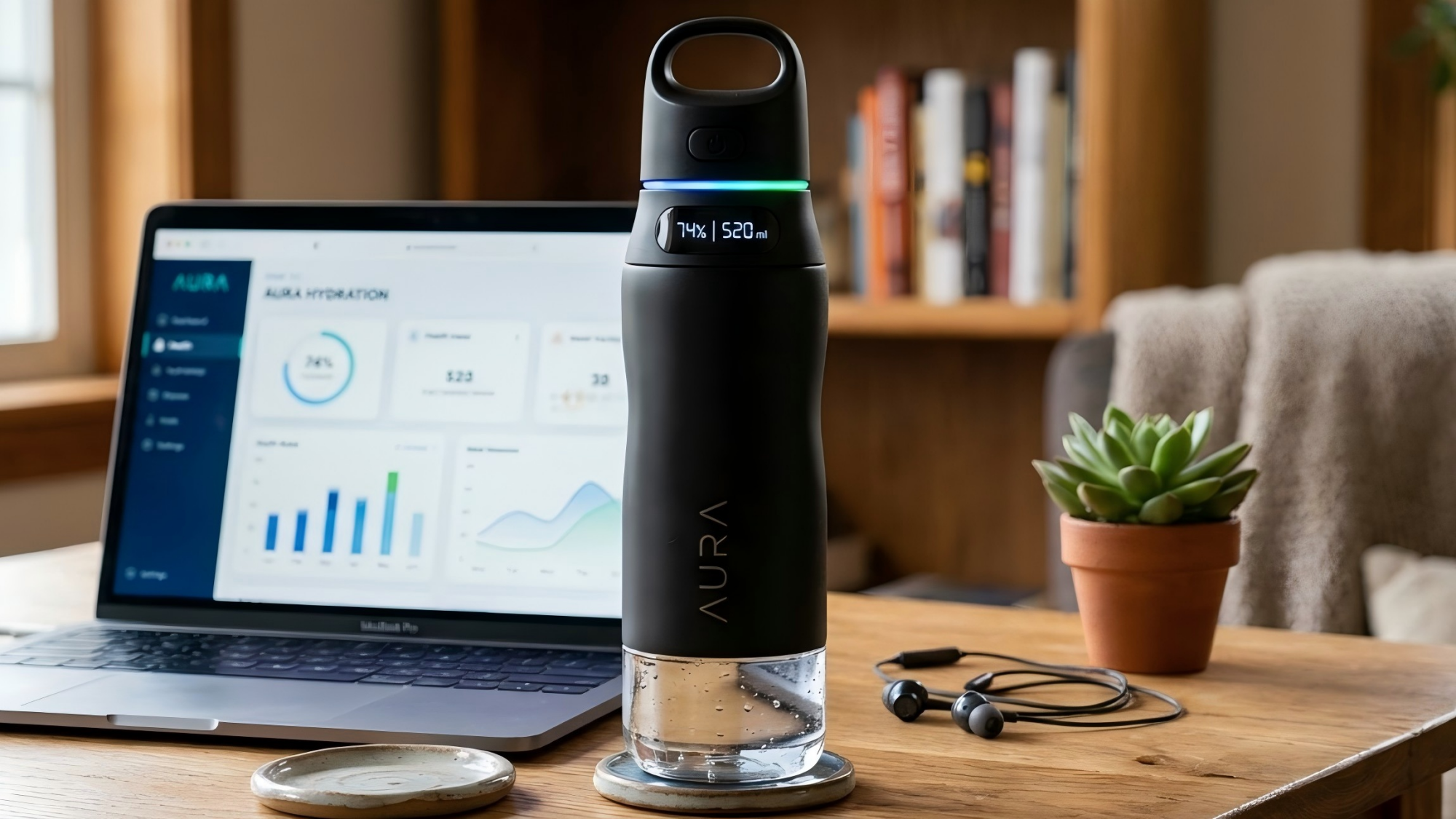
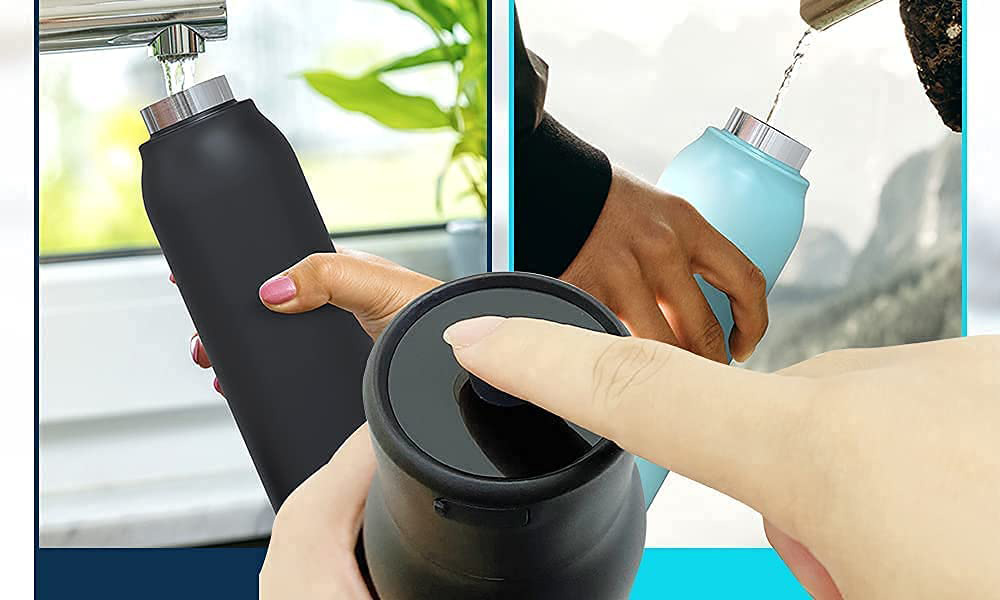
UV Sterilization Reminder Smart Water Bottle
Almost everyone has used stainless steel vacuum flasks, but
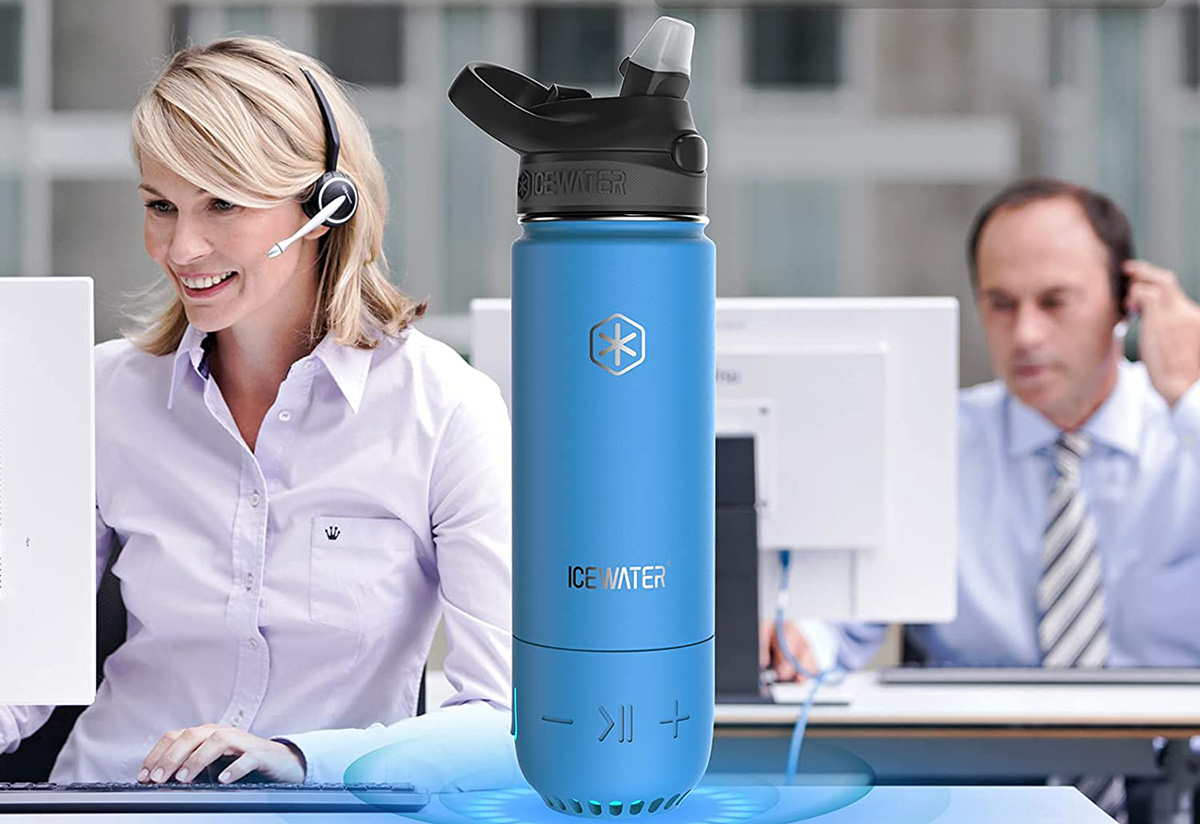
Why Are Smart Water Bottles So Expensive?
This article focuses on the analysis of the current

Are Hidrate Spark Smart Water Bottles Made In China Or USA?
Hidrate Spark smart water bottle is popular all over
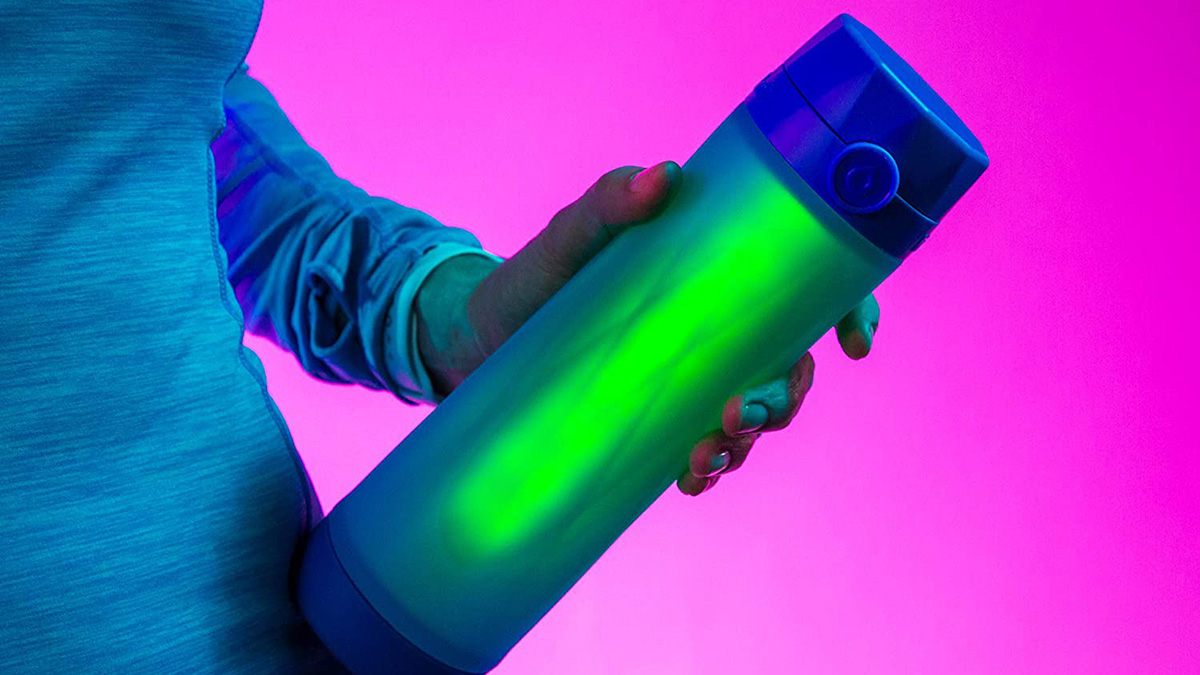
Hidrate Spark Smart Water Bottle 3.0 & PRO Manufacturing
1. What Is Hidrate Spark? Hidrate Spark, a water
4 Best Smart Water Bottles
It has been well-proved that seven days without food
Popular Smart Water Bottle Features for OEM
We can flexibly match various components to create customized intelligent drinkware. You can choose built-in sensors, lighting effects, and intelligent functions to create a unique smart water bottle, which is suitable for retail markets, fitness sectors, and corporate gift promotion scenarios.
Bluetooth & Hydration Monitoring
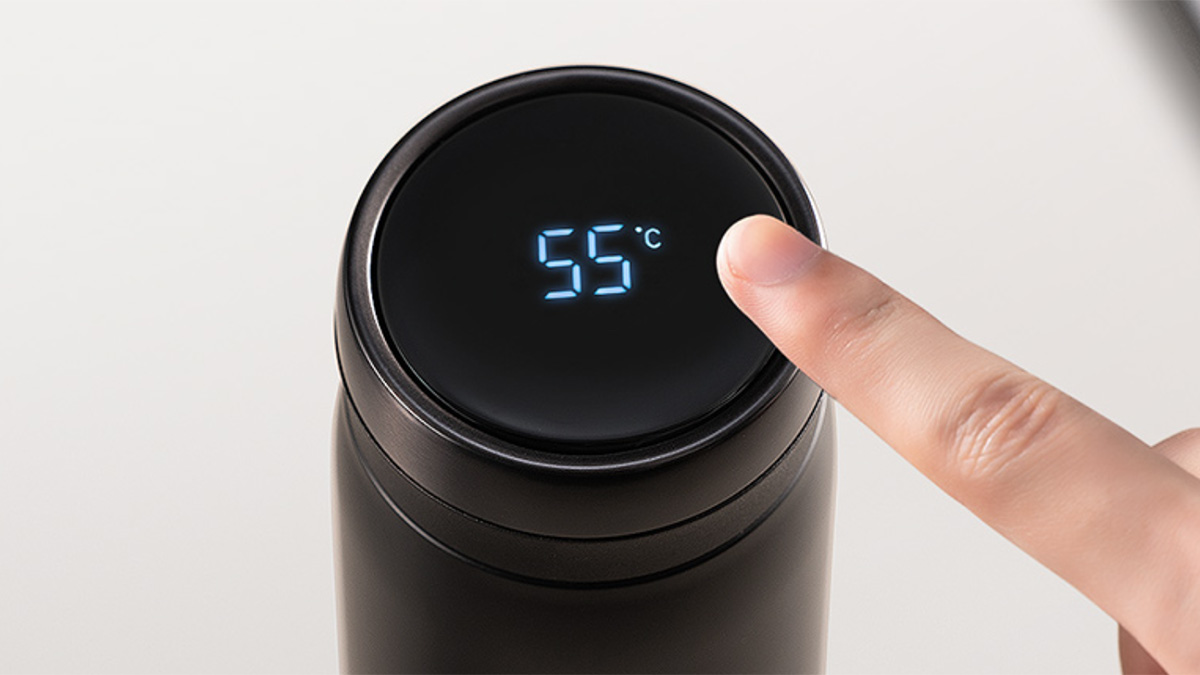
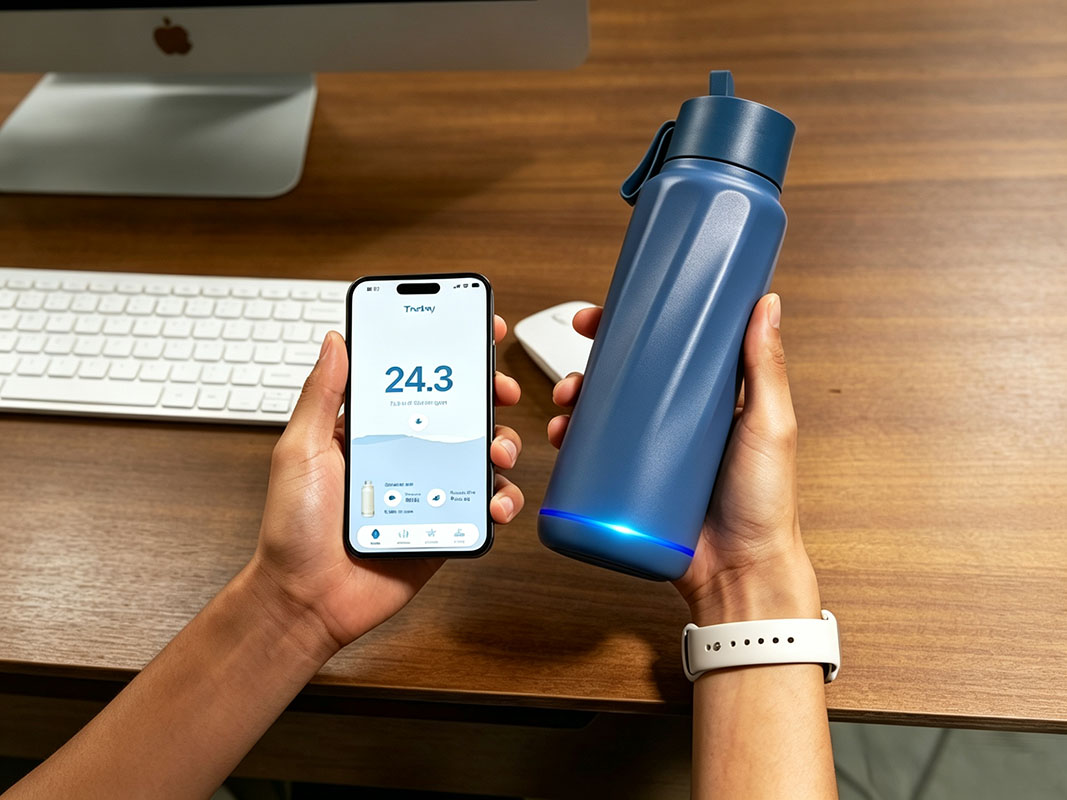
Connect with mobile phones stably through Bluetooth and record drinking water data in real time. The system combines the user’s activity level and physical condition to push personalized hydration reminders. Equipped with an embedded LED panel, the bottle directly displays internal liquid temperature. Users can quickly check the water temperature without opening the lid. These intuitive smart sensing features greatly optimize user experience.
Hygienic & Durable Electronic Module
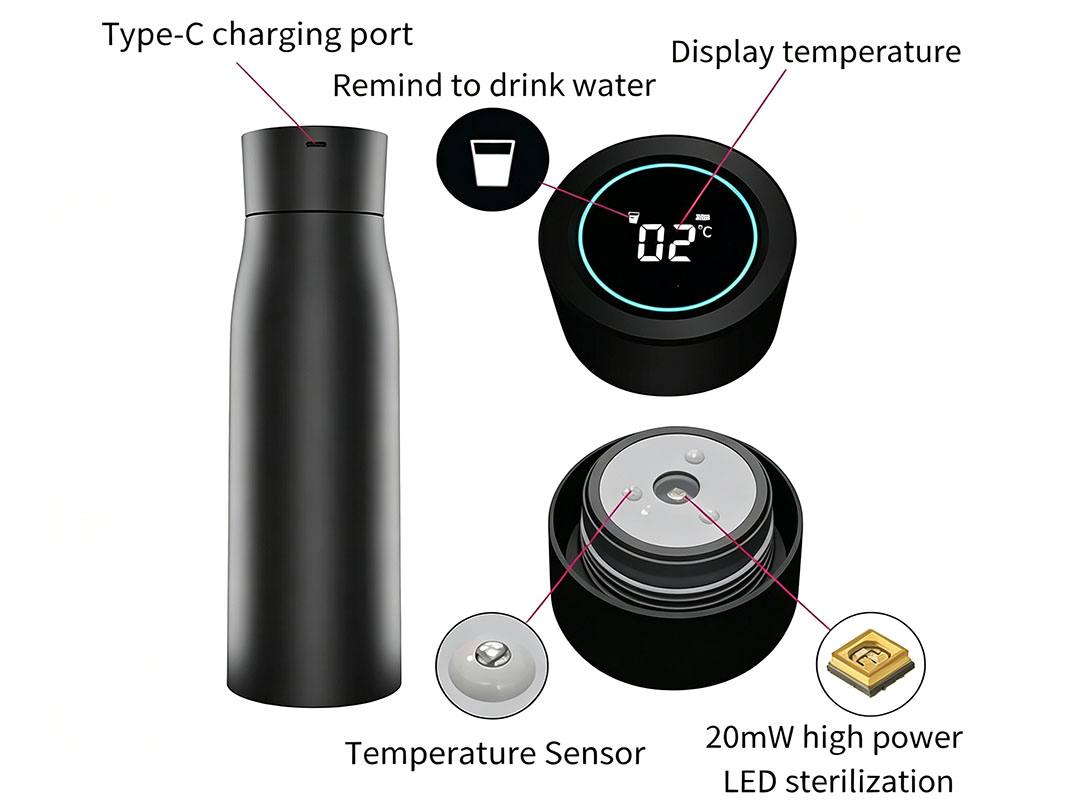
The built-in ultraviolet sterilization module removes bacteria and odors inside the water bottles. It supports regular automatic cleaning, maintains a clean drinking environment for a long time, and reduces the burden of manual cleaning. Adopting low-power rechargeable electronic modules, the smart bottle supports long-term daily use. Multiple waterproof grades are available to resist daily rinsing and accidental splashing, lowering after-sales failure rates.
Custom App & White Label Software
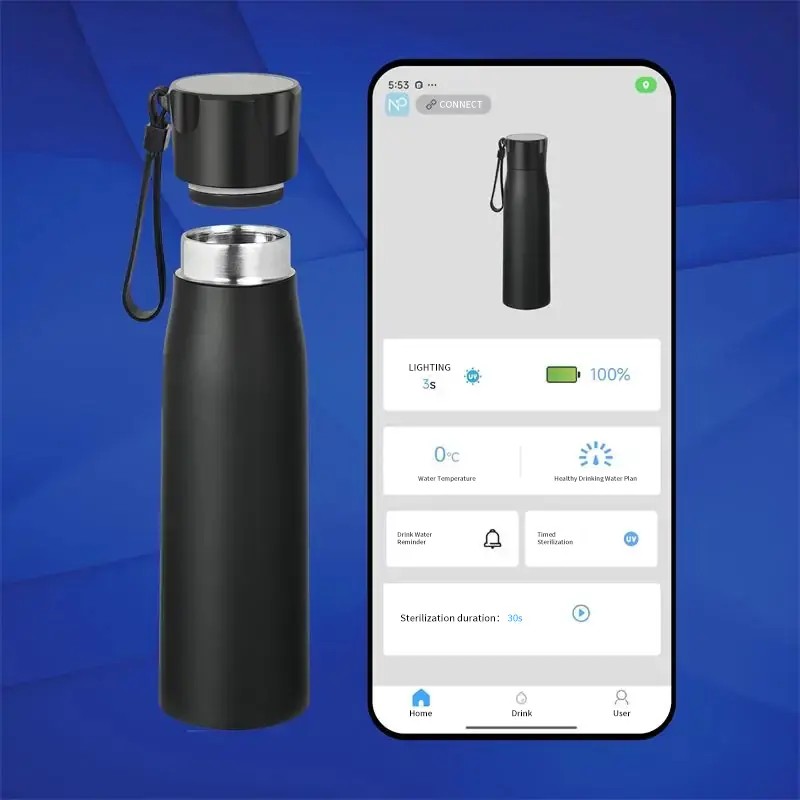
We provide flexible white label software services. You can customize the app interface layout, brand logo, data panel, and various functions. Building an exclusive independent brand system and a unique product ecosystem brings strong competitiveness for DTC brands and medium and large corporate gift orders.
KingStar Custom Service
Manufacturing Essentials—From Materials to Production
Material Guide
Kingstar can provide a variety of BPA‑free materials that meet FDA, LFGB, and California Prop 65 standards.
- Stainless Steel: SS304 (food-grade, corrosion-resistant) for inner/outer walls; SS316 (medical-grade, superior acid/heat resistance) for premium applications; SS201 for outer walls only.
- Plastics: PP (heat-resistant, high strength), Tritan (BPA-free, transparent, impact-resistant), PPSU (heat-resistant to 207°C, ideal for baby bottles), and recycled ocean plastic for eco-friendly options. PC contains BPA and is not recommended.
- Other Materials: Titanium for premium/medical use. Silicone for gaskets, straps, and collapsible bottles.
- Auxiliary Materials: Copper plating and aluminum foil enhance insulation. The getter removes residual air between double walls for vacuum performance.
KingStar helps you select the right material based on product needs, target market, and budget.
Standard 500ml double‑layer 304 stainless steel insulated cup with basic paint finish and single‑color silk‑screened logo. China FOB price reference:
3,000‑piece MOQ: $4.40‑$5.00;
10,000‑piece MOQ: $4.60‑$4.80;
30,000+‑piece orders: $2.80‑$3.50.
Main price‑driving factors:
Steel grade (304 vs 316 has notable gaps), order volume and surface treatment. Paint adds $0.15 per unit; powder coating adds $0.50. Complex lids cost an extra $0.50‑$1.50.
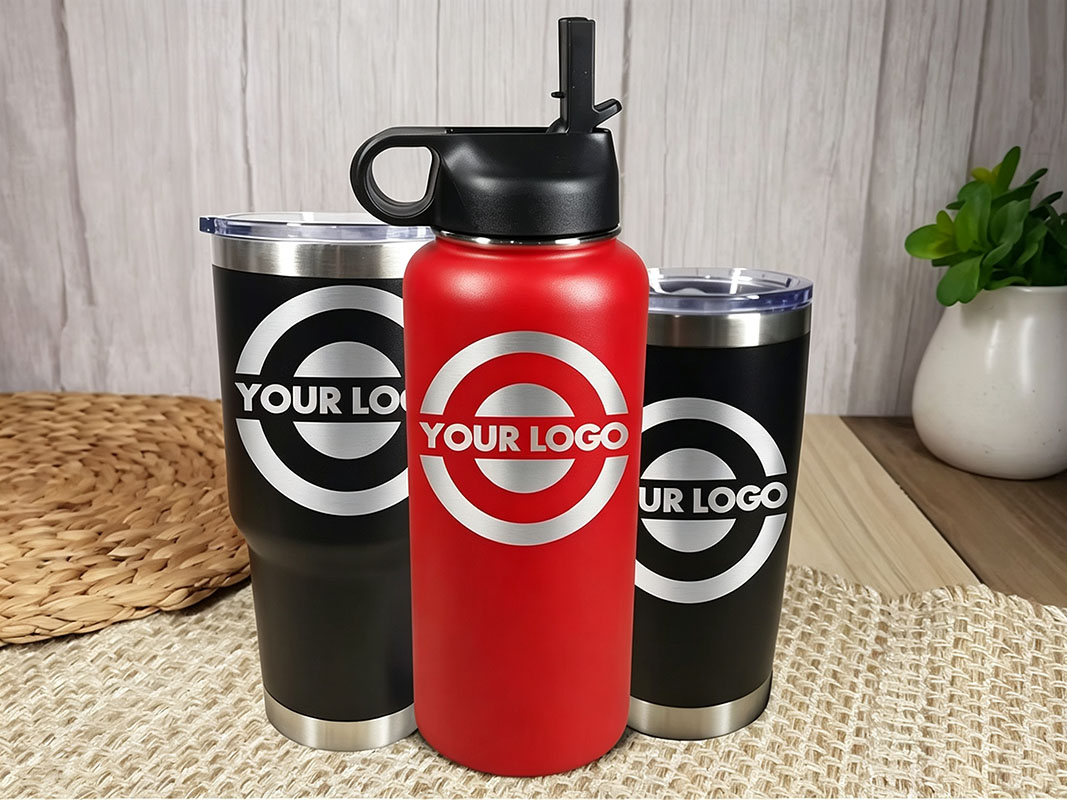
Other surcharges: copper plating +$0.20; stretching process +$0.60 vs water‑expansion; packaging $0.08‑$0.80. Logo options: silk‑screen from $0.03, laser engraving from $0.05. Shipping varies by sea, rail, air or express. Widely used for coffee, tea and drinks, these vacuum cups hold heat 12h and cold 24h. As the industry standard, 304 stainless steel costs $0.30‑$0.45 per cup in raw materials.
Vacuum Flask Design Guide
When designing double‑layer vacuum insulated water bottles, far more considerations apply than for single‑layer versions. The vacuum layer between inner and outer walls raises manufacturing difficulty, and many initial designs cannot be produced.
Core Design Principles
- Cup Wall Gap: Maintain ≥2 mm (ideal 3 mm) body clearance and 8‑10 mm at the bottom to avoid vacuum‑induced deformation.
- Thread Specifications: Thread height ≤1.0 mm (0.5‑0.9 mm recommended); pitch ≥3 mm (ideal 4‑5 mm). Thread rolling cannot support very fine‑pitch designs.
- Shape Restrictions: Round bodies deliver best compression resistance, like arch bridges. While KingStar offers square cups, large sizes need thicker walls, raising cost and weight.
- Insulation Tips: Narrow the mouth diameter; add copper‑plating or aluminum foil lining; opt for larger capacities. Vacuum ports are generally centered on the cup bottom.
Manufacturing Process
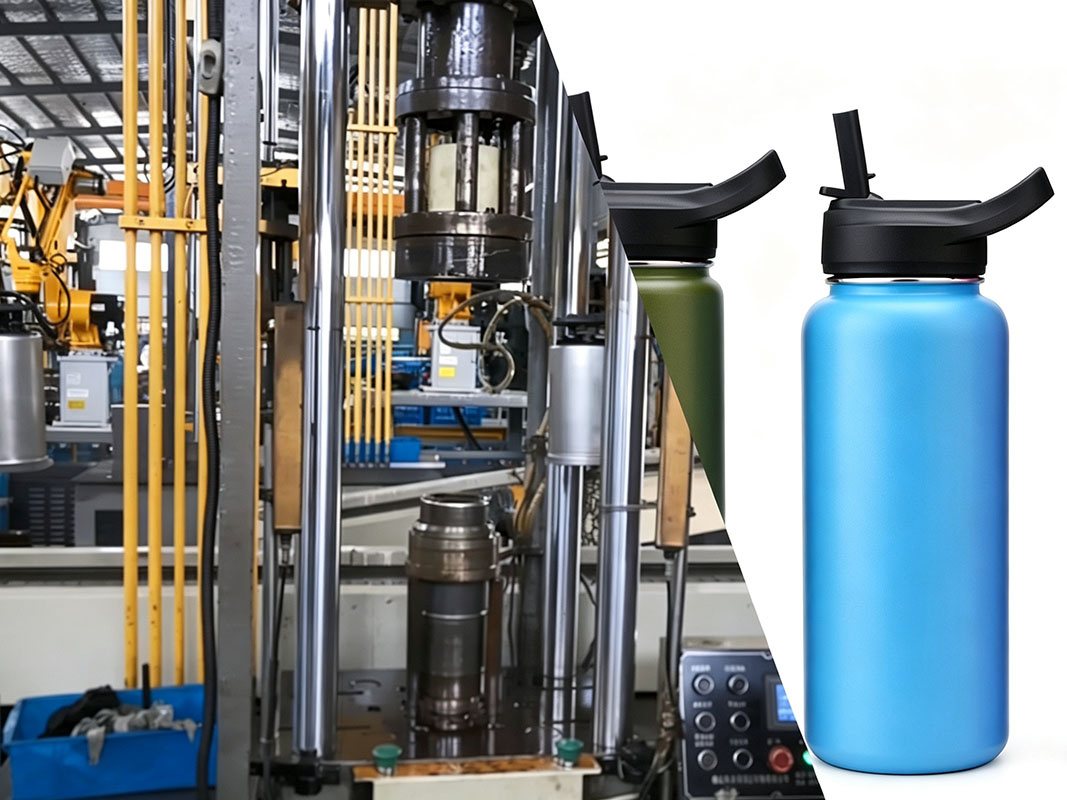
The manufacturing process transforms raw stainless steel into insulated bottles through two parallel production lines—one for the outer bottle and one for the inner bottle—before assembling them into a double-wall vacuum structure.
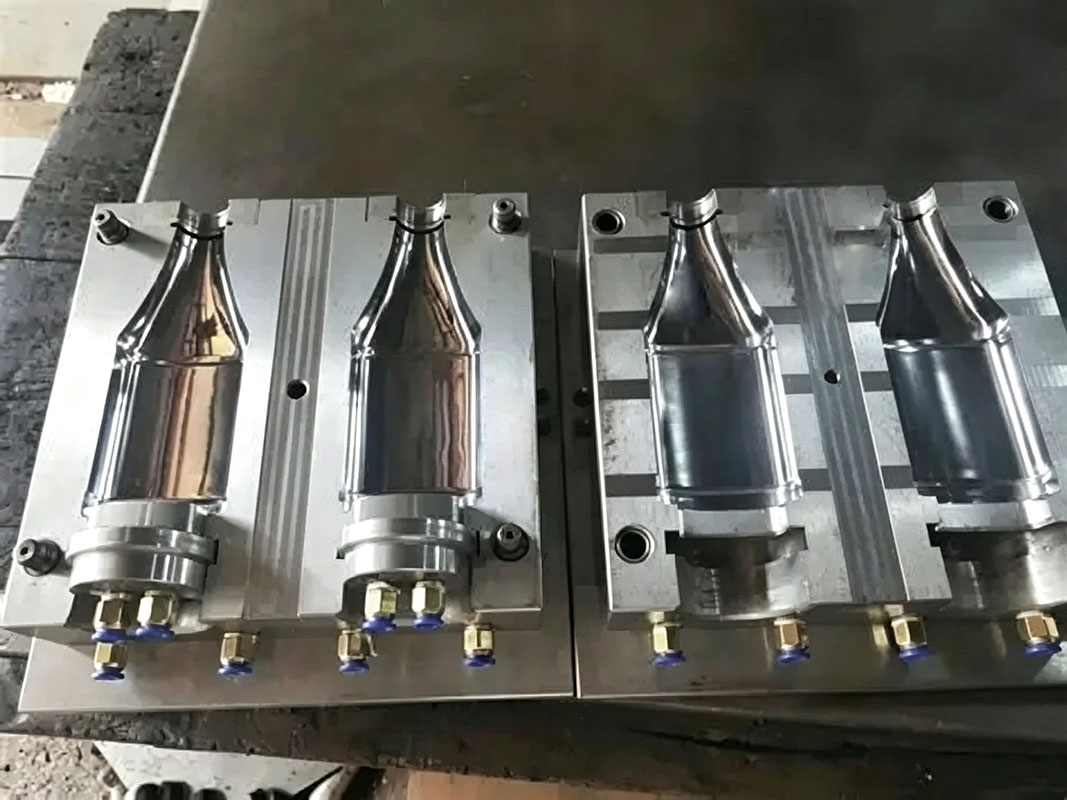
- Outer Bottle Production: Raw stainless steel pipes are cut to length, then shaped via water expansion (hydroforming) or stretch forming (deep drawing). The formed bottle undergoes separating, shaping, necking, thread rolling, cleaning, and inspection.
- Inner Bottle Production: Follows the same steps as the outer bottle, but typically requires no threading.
- Assembly & Vacuuming: The inner and outer bottles are assembled with a 2–3mm gap, then welded at the mouth and bottom. A vacuum is created between the walls to eliminate heat conduction and convection. High vacuum levels deliver 12–24+ hours of temperature retention.
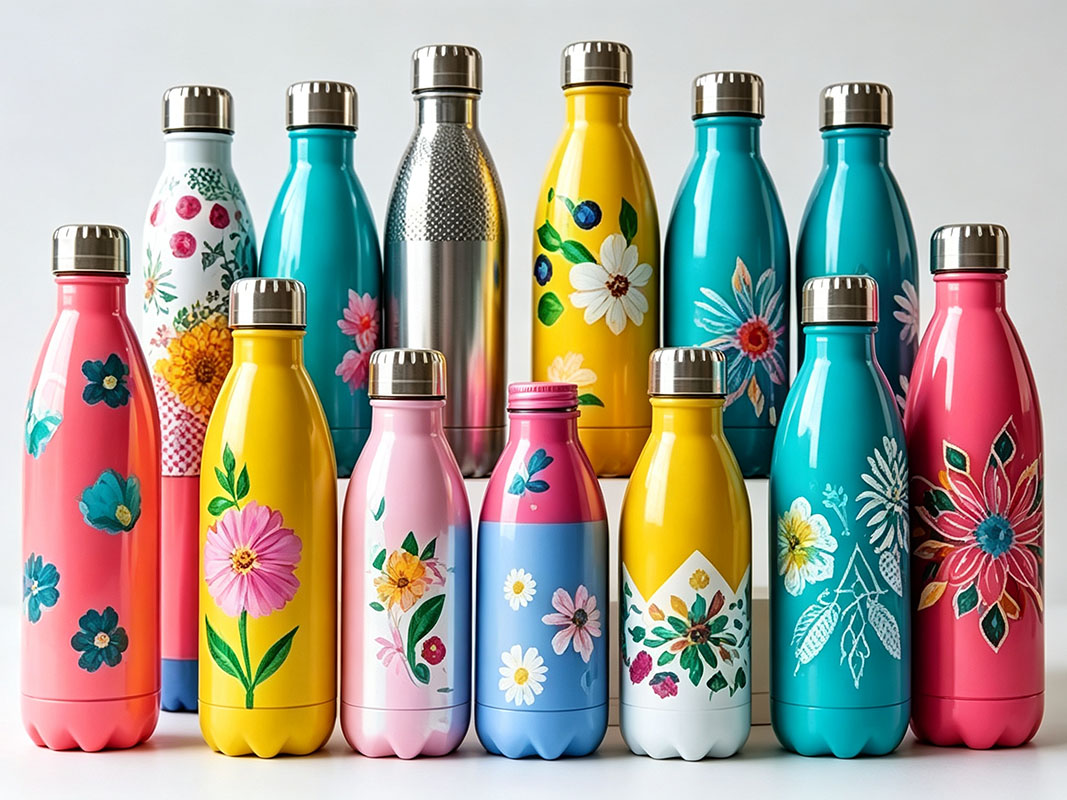
- Finishing: The bottle undergoes electrolytic and mechanical polishing, followed by external coating (powder coating, spray painting, or electroplating) and logo printing (screen printing, thermal transfer, laser etching, etc.). Final insulation testing and packing complete the process.
- Quality Focus: Precision welding, stable vacuum technology, and strict material compliance (304/316 food-grade stainless steel, BPA-free plastics) are critical for consistent quality. Buyers should evaluate factories on vacuum consistency, welding precision, and adherence to standards like GB/T 29606-2026.