Rotational Molding Capabilities

Kingstar rotomolded cooler boxes and cooler jugs in one seamless piece—no weld lines, no weak joints, no compromise on ice retention. From 2L jugs to 150L wheeled coolers, we handle mold design, molding, PU insulation, and assembly under one roof for brands, importers, and OEM/ODM buyers worldwide.

Rotational molding is not a side service for us. It is the process we specialize in. Cooler boxes and cooler jugs are our core products and the reason global brands keep coming back.

Why Rotational Molding Wins for Coolers

Whether a cooler is good or not, the shell is the key. For injection-molded and blow-molded boxes, there will always be seams or weak points with uneven wall thickness, and cold air will easily leak out and crack when under impact. The shell is molded by the rotational molding process with uniform wall thickness, which is why all premium cooler box brands choose rotomolding.

Rotational molding is KingStar’s core manufacturing process, and cooler boxes and cooler jugs are our core products.

The difference shows up in the field. The rotational plastic cooler falls from a trunk bed and still does not deform; The rotational plastic cooler jug is exposed to the sun all year round and will not crack or fade. The rotational plastic shell with uniform wall thickness can keep ice for several days longer than thin-walled products. These are not marketing gimmicks but the real advantages brought by the molding process.

Rotational MoldingInjection MoldingBlow Molding
Shell structureOne-piece, seamlessMulti-part assemblySeam at parting line
Wall thickness4.5–6.5 mm uniformLimited by flowThin, uneven
Tooling costLow for large partsHigh for large partsMedium
Best forLarge coolers, jugsLids, handles, small partsBottles, thin shells
Ice retentionBestWeaker at seamsWeakest
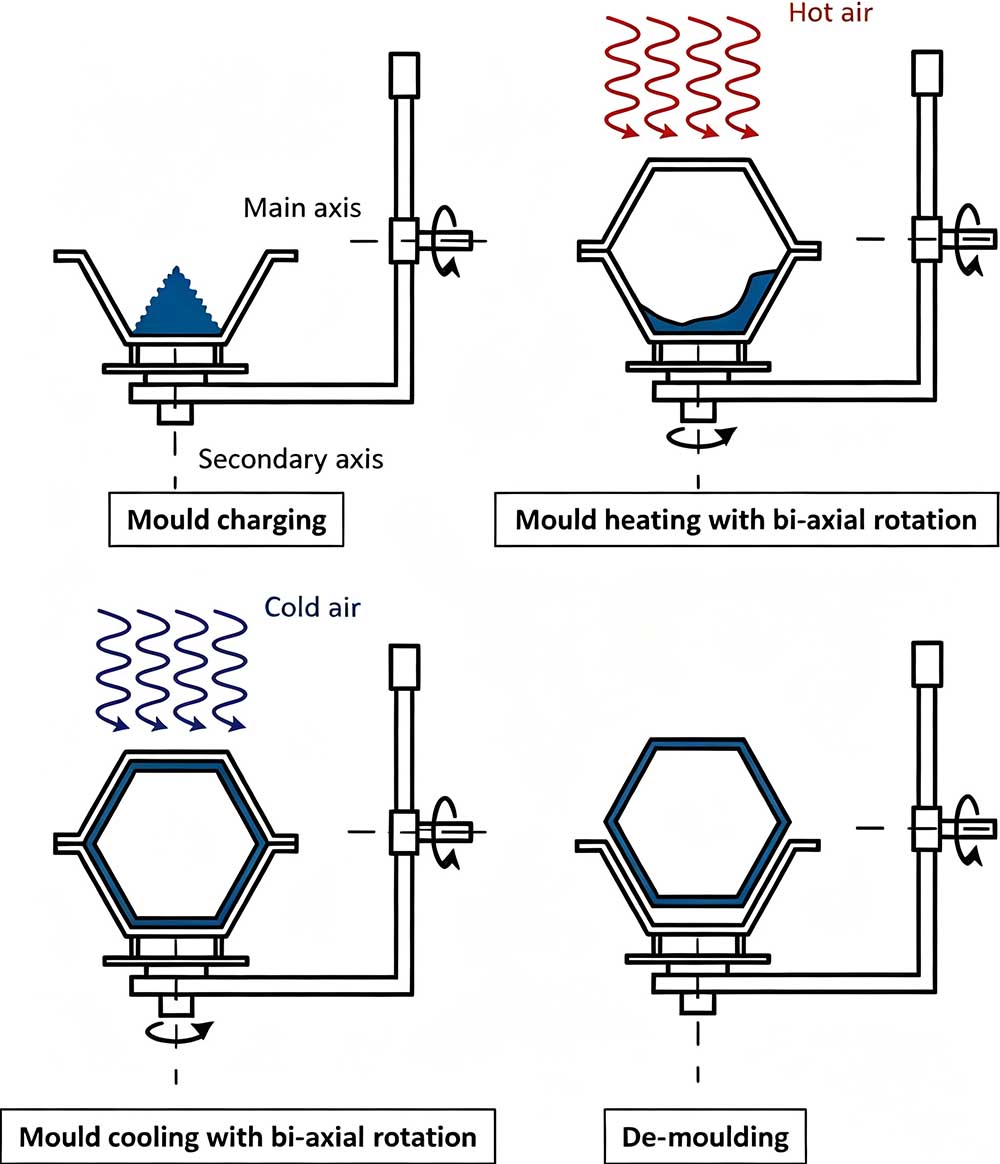
rotational molding process for coolers
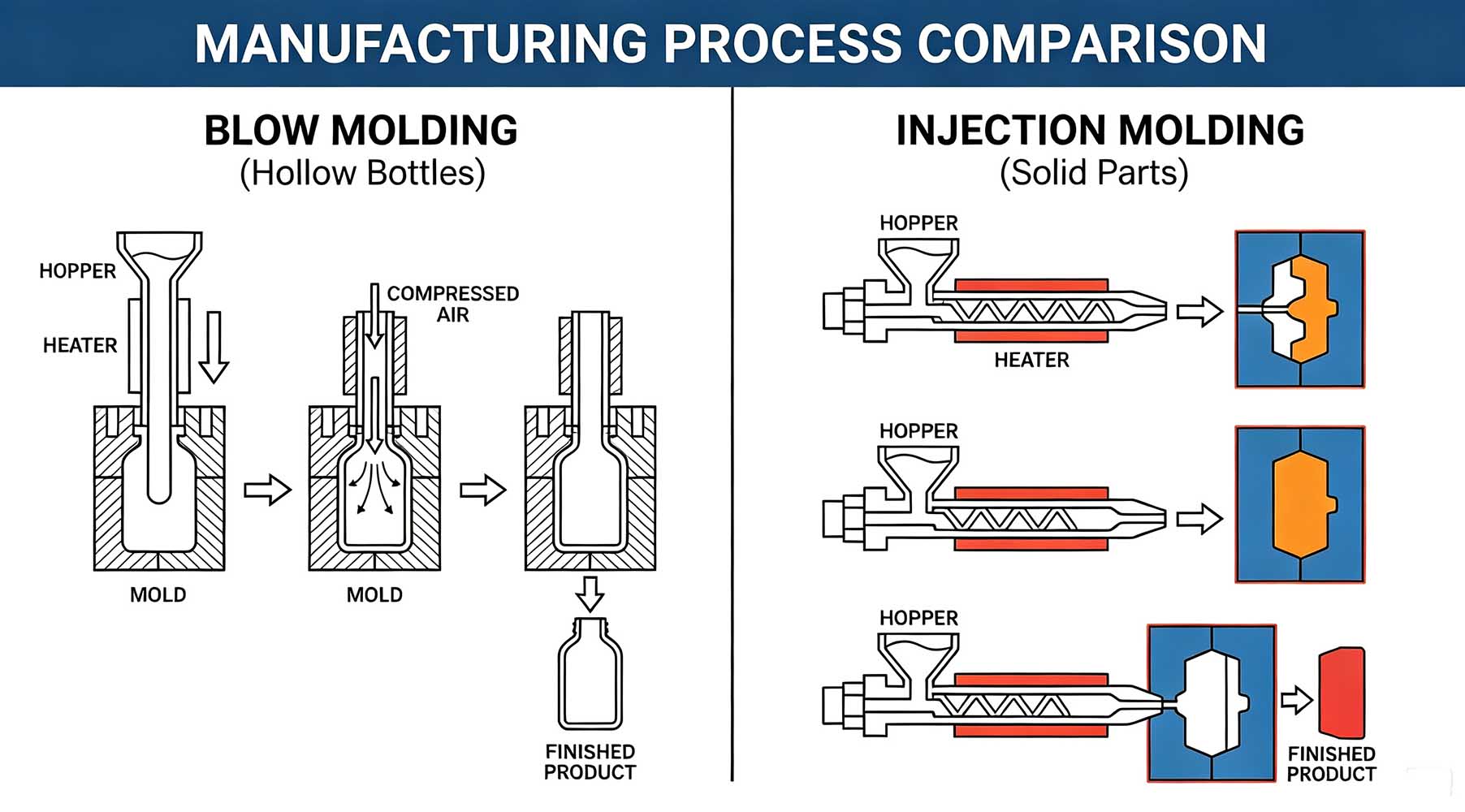
manufacturing process comparison

KingStar Blow molding can only make hollow shells. Budget plastic water bottles, coolers, and water jugs are mostly blow-molded.

Injection molding is used to shape solid and high-precision plastic parts, including cup handles, leakproof lids, cup holder expanders, and some coolers.

What KingStar Rotomold

2 L cooler jugs and 150 L wheeled cooler boxes seem to have nothing in common: different sizes, different weights, and different uses. However, the manufacturing processes that support their performance are the same. Relying on the rotational molding process, we build the following three product series, following the same set of core criteria: good wall thickness and outstanding insulation performance. Cooler boxes, cooler jugs, and insulated shells each demand a different version of that discipline, and each one below shows how we apply it.
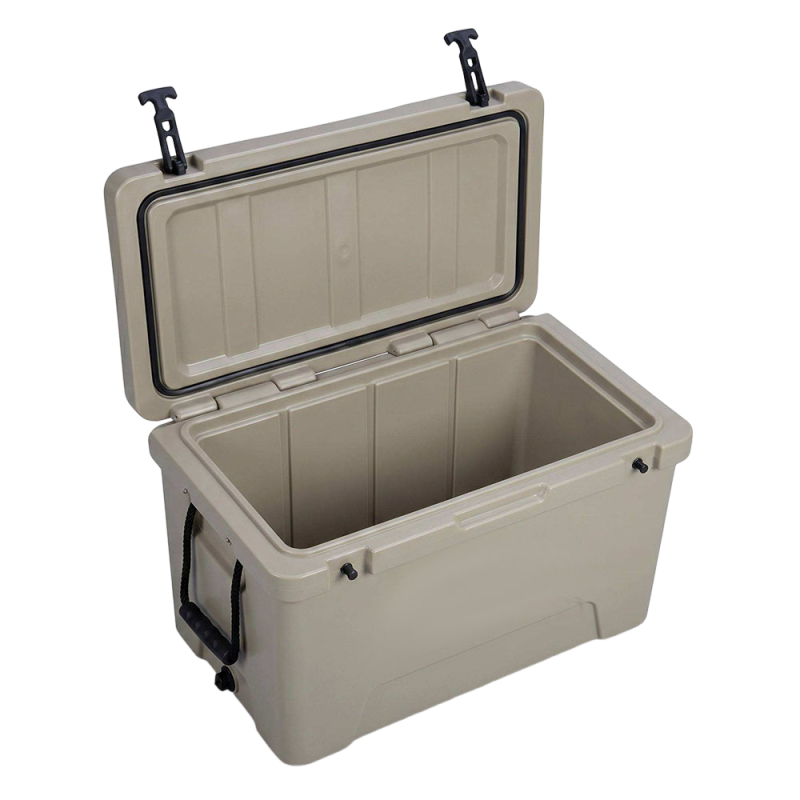
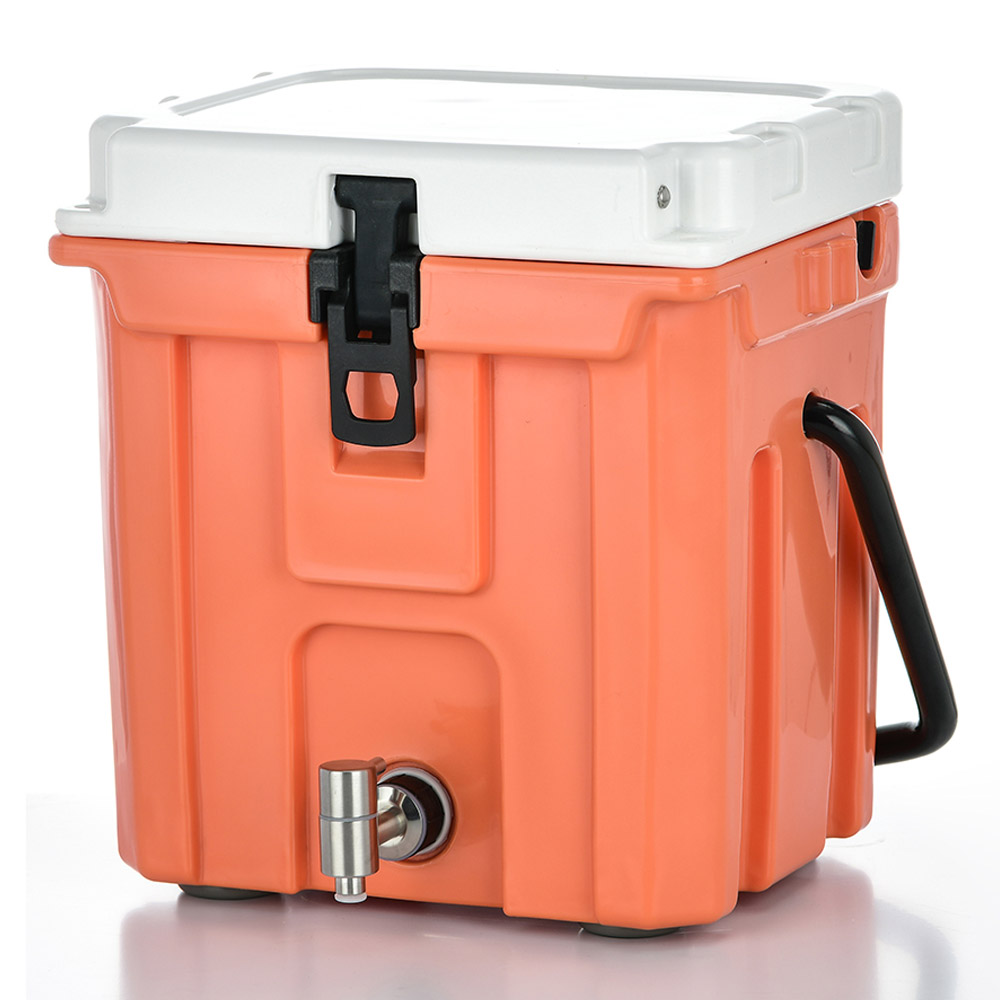
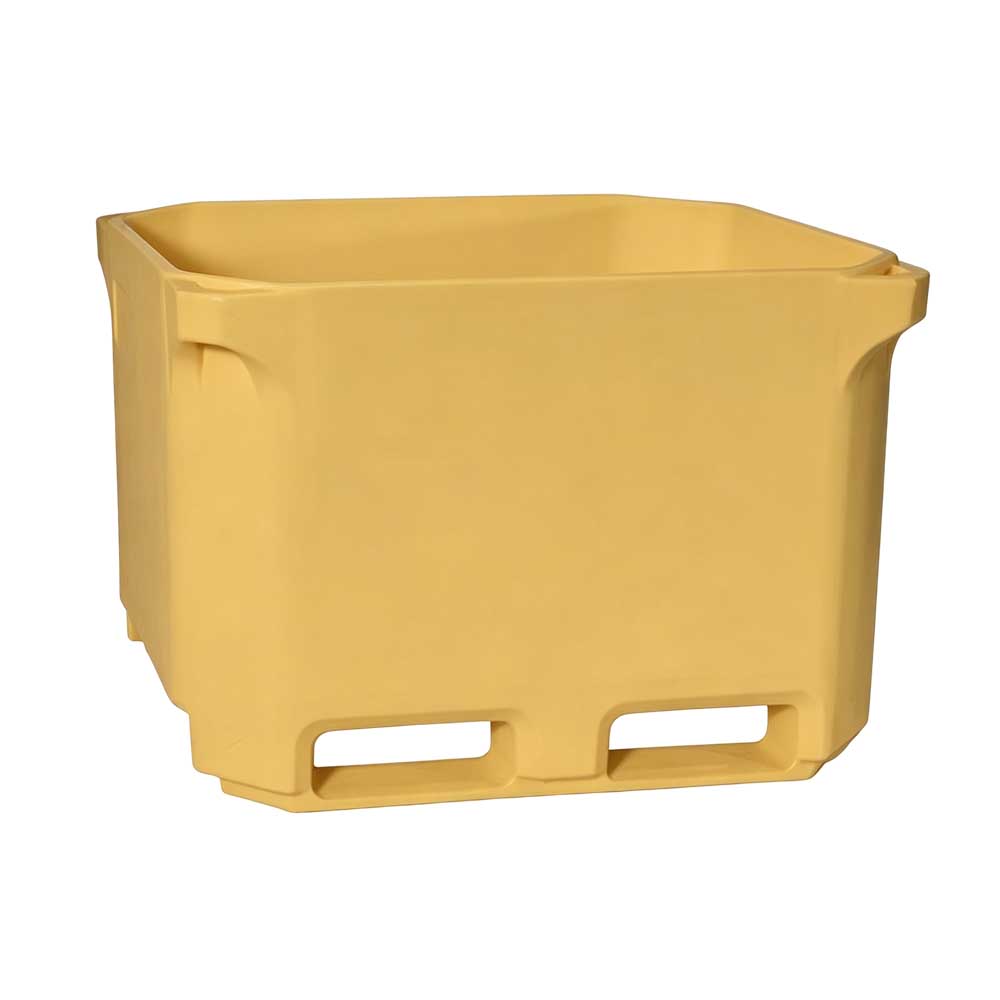
rotomolded hard cooler box for camping

Cooler Boxes

An integrated seamless shell and a polyurethane foam layer are injected between the shell and the inner container; at 30℃, the ice can be kept for 5-7 days. Hinge and lock have been tested more than 30,000 times. Wheeled and wheelless styles are available and can also be matched with customized partitions, drain plugs, and cup holders.

Insulated hard ice cooler jug rotomolded

Cooler Jugs

The wall thickness of the body and the jug mouth is uniform, the thread tolerance of the leak-proof cooler jug lid is controlled within 0.1 mm, and it is made of UV-resistant food-grade polyethylene. It passed the 1.2m drop test before leaving the factory. The neck and thread area is where most jugs fail, so we over-engineer it: reinforced neck geometry, controlled cooling at the thread, and a sealing groove.

insualted shell rotational molding

Insulated Shell

The thick-walled shell takes into account the balance of molding cooling, and the raw materials are added with anti-ultraviolet resin. Where the local wall thickness exceeds 10 mm, a stiffener structure is added to avoid shrinkage and deformation. This kind of shell can be used in coolers, insulated containers, and various industrial customized scenes.

Custom Rotomolding for Premium Cooler Boxes & Jugs

From product design and material selection to mold development and rotational molding production, we support durable, UV-stabilized plastic shells for coolers, insulated jugs, and beverage containers.

Rotational Molding Equipment & Production Capacity

  • 12 machines

  • 4,500 mm max arm swing

  • 80 kg max part weight

  • 80,000 pcs per month

Key SpecDetails
Machine arm swing2,000–4,500 mm
Max product sizeUp to 2,200 mm
Max product weightUp to 80 kg
Mold cavities1–4+
AutomationRobotic demolding, auto trimming, in-line inspection
Tooling lead time25–35 days
Mass production lead time15–30 days after sample approval
MOQAccording to your demands
ComplianceISO 9001, FDA 21 CFR, LFGB, EU 10/2011, REACH, BSCI
Rotational Molding Equipment & Production Capacity

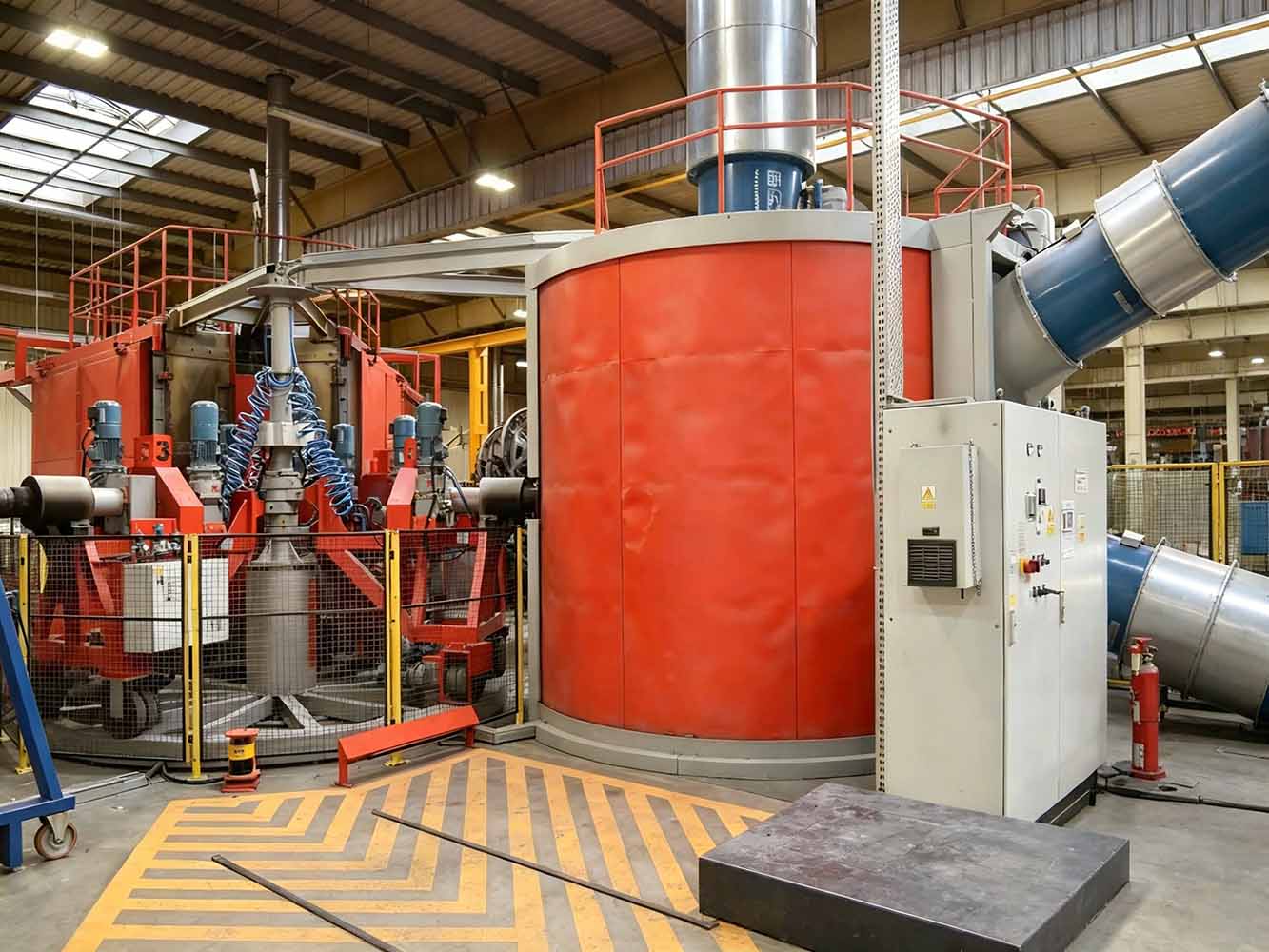
Our equipment covers a full range of products, from small insulated cooler jugs to large-capacity cooler boxes, with a multi-cavity mold, enough to undertake large quantities of orders. Robotic demolding and auto trimming can stabilize the production rhythm and reduce the quality fluctuation caused by manpower.

When it comes to your project, this means we can run a 2L jug mold and a 200L cooler mold in the same week without changing quality standards. Whether it is a small batch of promotional orders or a complete outdoor brand product line, we can undertake it. The mold is opened independently, and the duplicate order is produced directly on the machine without waiting for an external mold factory.

How We Control the Rotational Molding Process for Consistent Cooler Quality

Rotational molding looks simple. It isn’t. The difference between a cooler that holds ice for 7 days and one that fails in 2 comes down to four things we control tightly:

Charge Weight
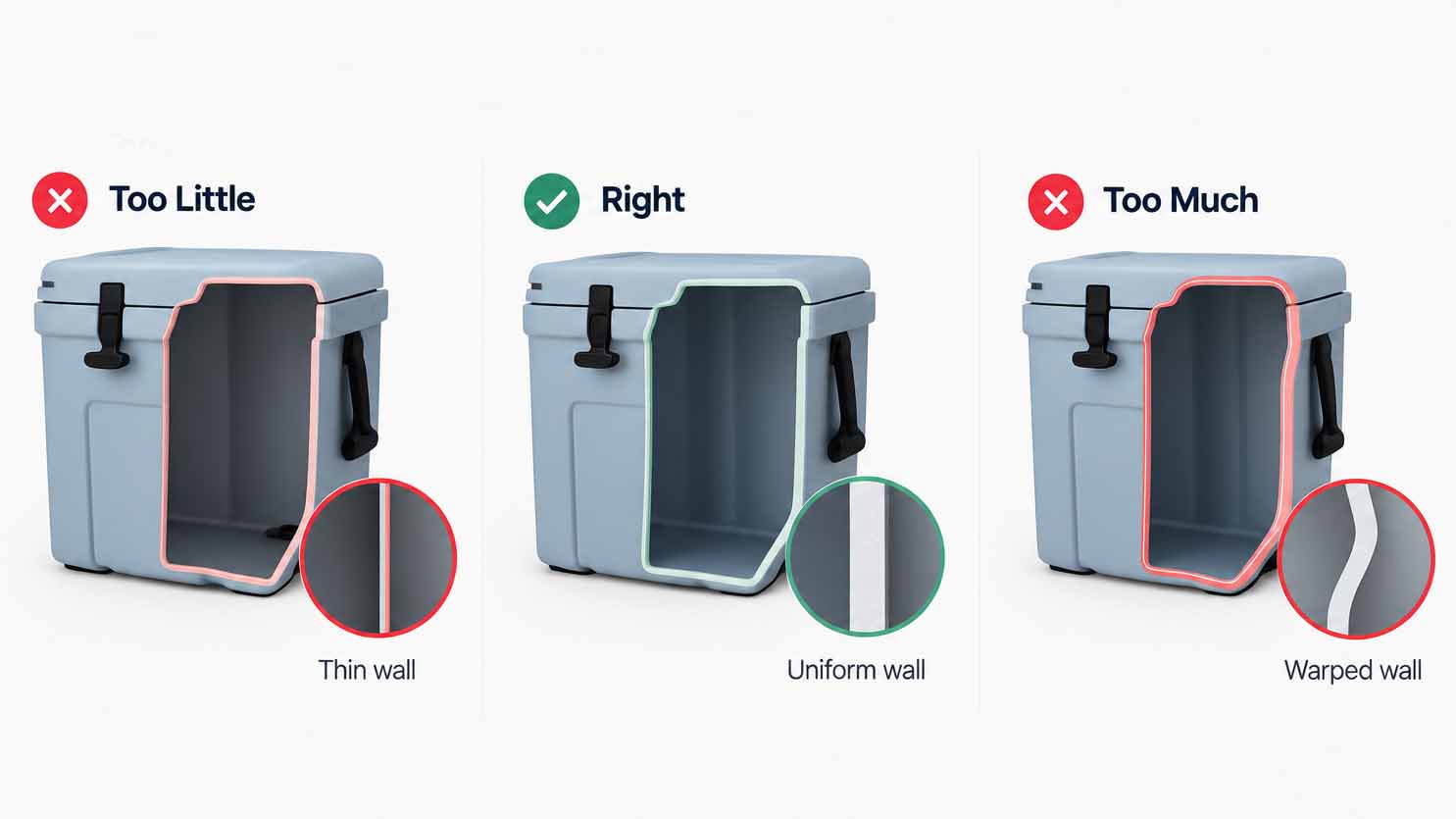
control rotomolding weight cooler manfacturering

Too little resin and the wall is thin. Too many raw materials make the product easily deformed. We separately calculate the feeding amount according to each set of molds, each raw material, and each product. The parameters of each new product are different, and getting it wrong is the most common reason rotomolded parts fail.

Rotation ratio
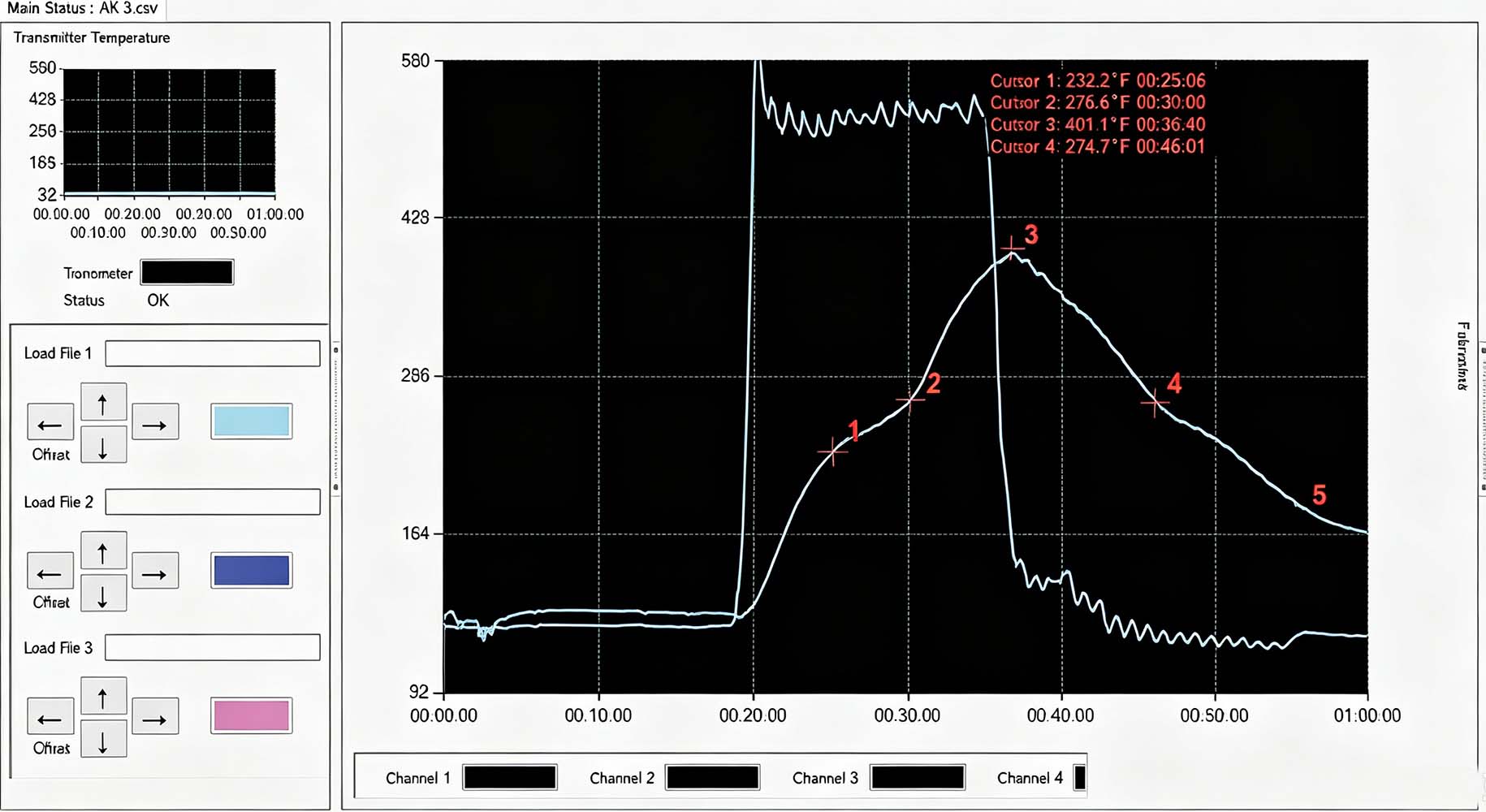
rotation ratio rotomolded coolers

The speed of biaxial rotation determines whether the powder distribution is uniform. We debug each product shape separately, instead of unifying a set of parameters throughout the factory. A tall cooler jug and a wide cooler box need completely different rotation profiles.

Cooling Curve
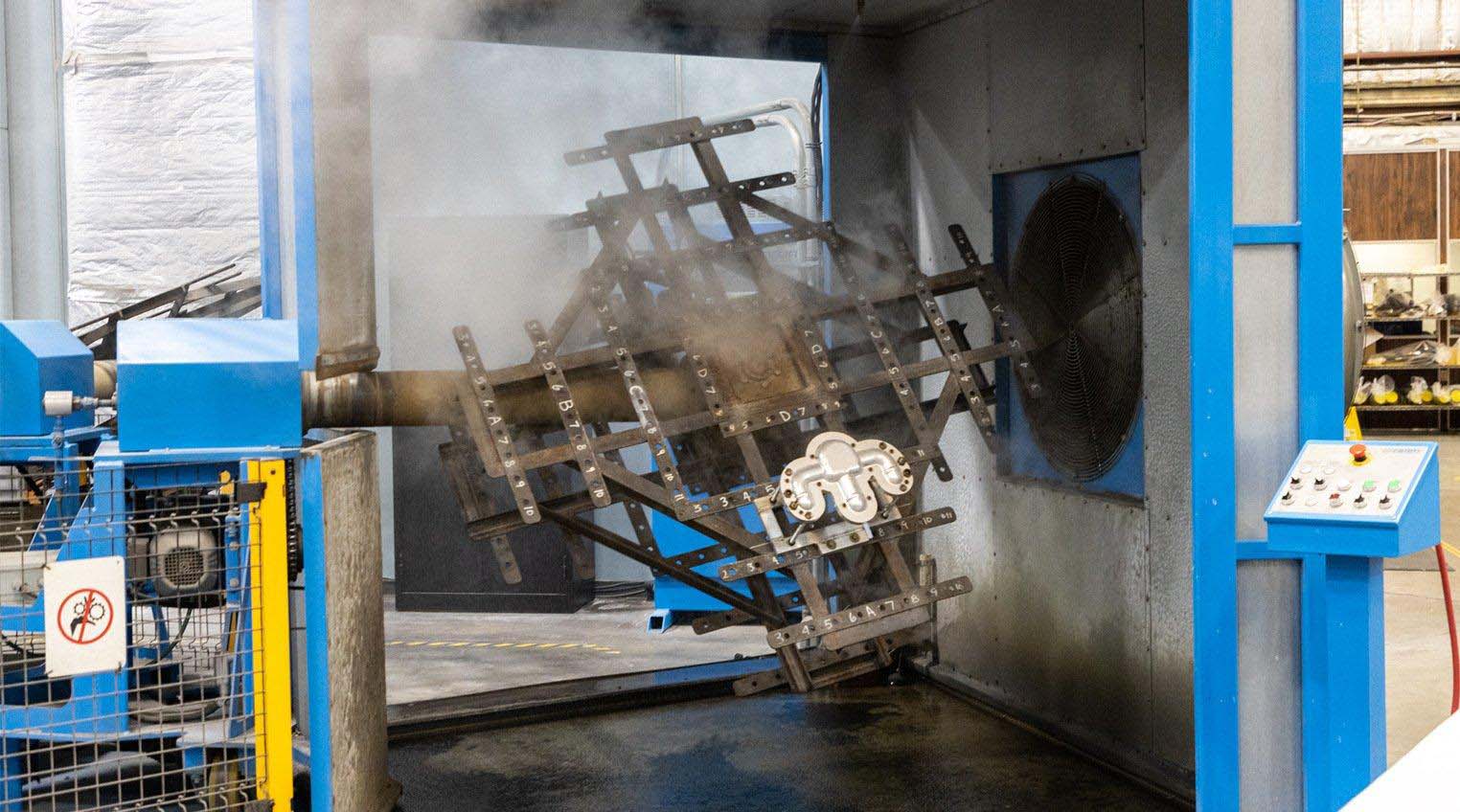
cooling curve rotomolding quality control.

Fast cooling saves time but causes warping. We adopt controllable cooling technology to ensure dimensional stability, and a thick-walled cooler box is especially dependent on this step. Many factories will cut corners here, which is also the root of the failure of outdoor use of products.

Foam insulation
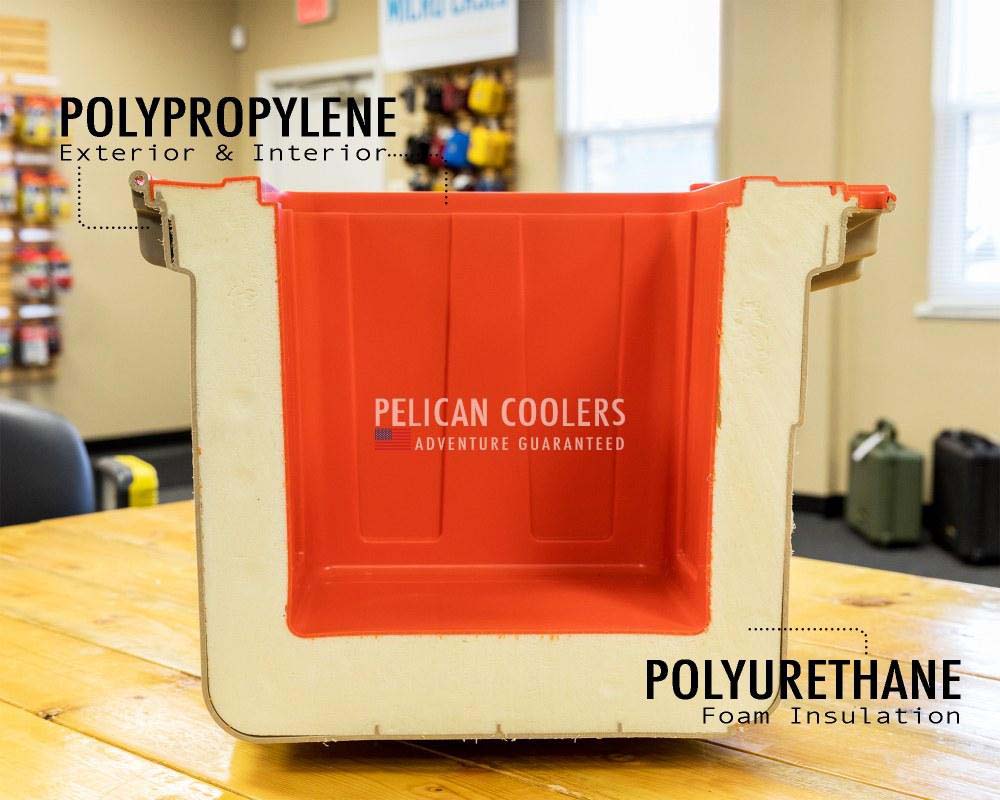
wholesale custom rotomolded cooler foam insulation layer

For cooler boxes, PU foam density and thickness are adjusted per model to balance ice retention, weight, and cost. Foam that doesn’t fill evenly leaves weak spots that kill ice retention.

Custom Rotational Molding Options for Cooler Boxes & Cooler Jugs

Each cooler project starts from the standard basic model and finally creates the exclusive product that fits your brand. The following table lists the customizable items, alternatives, and the corresponding technical parameters of each item.

Customization AreaAvailable OptionsData & Quality Control
Colors & Surface FinishFull Pantone color matching; high-gloss to matte surface finishRotomolded LLDPE accounts for 46.75% of the cooler box material market, making color stability a baseline requirement for brand programs. Masterbatch calibration keeps batch 1 and batch 10,000 within controlled color tolerance.
Logo & BrandingSilk screen, pad printing, heat transfer, in-mold labeling (IML)Logo placement and size are matched to product curvature so print clarity holds on curved shells and jug bodies, not just flat surfaces.
Hardware & Structural PartsCustom handles, latches, hinges, wheels, drain plugs, cup holders, dividersHard-sided coolers represent 59.15% of the cooler box market, where structural reliability decides repeat purchase. Load-bearing parts are reviewed for rib structure and gate placement in DFM, then verified by drop and load tests before mass production.
Capacity & DimensionsCustom sizes across the cooler box and cooler jug range; wall thickness and internal volume adjusted per modelStandard rotomolded cooler wall thickness runs 4.5–6.5 mm. External dimensions are locked to your retail or logistics requirements, and internal volume is verified before tooling.
Insulation & Ice RetentionPU foam density and thickness adjusted per model; target ice retention set by programFoam fill path is reviewed in DFM. Ice retention is tested at 30°C before mass production, with results recorded per batch.
Packaging & Private LabelRetail-ready packaging, custom cartons, barcode and label support, full private label programsPackaging specs are locked before production. Private label ships as your brand from the first order.

Let’s Engineer Your Rotomolded Cooler!

From DFM to mass production—custom cooler boxes, cooler jugs, insulated shells, and rotomolded components for brands, wholesalers, and OEM/ODM buyers. Consistent quality from batch 1 to batch 10,000. Tell us your capacity target, ice retention requirement, logo, and order volume. As a professional manufacturer of coolers, we’ll come back with a quote and tooling plan within 24 hours.

FAQs About KingStar Rotational Molding Capabilities

We’ve compiled a list of the most frequently asked questions to make it easier for you to find the information you need. Whether you’re looking for details about our rotational molding service, you can quickly access helpful answers here.

The first thing to be finalized in the development of rotational molding cooler projects is tooling. Before choosing a supplier, you need to confirm two key pieces of information: the delivery cycle and the cost of the mold. Both of these items depend on the product itself, and there is no fixed quotation.

For standard cooler boxes and cooler jugs, tooling lead time is usually 25-35 days from the finalization of 3D drawings to the first sample. The lead time of a simple jug is short; large capacity cooler boxes with customized accessories will be close to the upper limit of the cycle. If the product design is still in the final stage, an additional 1-2 weeks should be reserved for DFM and drawing modification.

Tooling cost is driven by four factors:

Cost DriverWhat It AffectsTypical Impact
Product sizeMold material volume, machine capacity neededLarger cooler box = higher cost
Cavity numberOutput per cycle, mold complexityMore cavities = higher cost, lower unit price
Surface finishMold finishing time, texture requirementsHigh-gloss or textured finish adds cost
Custom hardwareLatches, hinges, dividers, wheel mountsEach custom feature adds design and tooling time

Many customers are prone to make a mistake: compare the quotations of various molds separately. Behind the low price of molds, there are often fewer cavities, simplified accessories, or shorter service lives of molds. These factors will push up the cost of single products and increase risks in the follow-up of the project. When we provide the mold quotation, we will give the unit price of the single product simultaneously so that you can evaluate the total cost of the project, instead of just staring at the superficial figure of the mold quotation.

You can also think of the mold as a one-time investment, not a continuous expense. After the mold is made and accepted, the subsequent turnover will no longer cost the mold. The project has been in operation for many years, and every time an order is added, the mold cost allocated to the single product will decrease. This is why the long-term cost advantage is usually in the hands of suppliers with their own mold processing capabilities, not the one with the lowest initial quotation.

If you can’t determine the target output, you can tell us the estimated interval. We will recommend a suitable mold scheme, balance the initial investment and the price of a single product, and avoid excessive investment before the market is verified.

Minimum order quantity (MOQ) is the first concern of every B2B buyer. To be honest, MOQs depend on the mold situation, not the company’s rigid fixed regulations.

For existing molds, MOQ starts at 500 pcs. For a brand-new customized mold, MOQ is 1000-2000 pcs, depending on the product size and mold structure. The large-scale cooler with a complex structure needs a higher order quantity to level the mold cost; The first threshold of a standard cooler jug will be lower.

Order TypeTypical MOQWhy
Existing mold, standard color500 pcsNo tooling cost, lower setup
Existing mold, custom color500–1,000 pcsMasterbatch and color calibration
New mold, cooler jug1,000 pcsSmaller mold, lower tooling cost
New mold, large cooler box1,500–2,000 pcsLarger mold, higher tooling investment

Many buyers only look at the price. This is the most likely result: the other party wins the offer but can’t pick up the subsequent flip. Better yet, evaluate suppliers according to the following six items in turn:

  • 1. Own mold capacity. Can you design and process the mold independently or outsource it to a third party? Self-developed mold, faster turnover, and more stable quality control; when modifying the mold, the progress will not be slowed down by the third party.
  • 2. Wall thickness control. The wall thickness of the conventional rotational molding incubator is 4.5–6.5 mm. It is necessary to confirm how they can stably control the wall thickness in the whole batch production, not just the sample reaching the standard. If the supplier can’t explain this method clearly, it means that production depends on luck.
  • 3. Measured data of ice protection. Ask for the measured report at a fixed ambient temperature (for example, 30℃), and don’t just look at propaganda. Reliable suppliers can provide original batch records.
  • 4. Qualification certification. ISO9001、FDA、LFGB、REACH、BSCI。 Match the corresponding certification according to the target sales market. If the certificate does not cover your export market, it has no practical value.
  • 5. Quality inspection process. Wall thickness detection, water leakage test, drop test, ice protection test, AQL sampling. Ask whether these items must be done in each batch or just sampled. This answer can show the importance of the other party to product stability.
  • 6. Consistency from sample to bulk. This is the most easily overturned link of B2B cooler project. Ask how to control the differences between batches and whether you can provide relevant records of past projects.

Our standard rotational plastic cooler can keep ice for 5-7 days under the environmental test condition of 30℃, depending on the model size, shell wall thickness, and polyurethane foam structure. For the large-capacity model with a thicker foam layer, the ice retention time is close to the upper limit; small models are biased towards the lower limit. Click here and read more: Cooler Structure: Why Vacuum Insulation Panels Are the Secret to Extended Ice Retention

FactorOur StandardEffect on Ice Retention
Wall thickness4.5–6.5 mmThicker walls slow heat transfer
PU foam densityAdjusted per modelHigher density = better insulation
Foam fill uniformityReviewed in DFMGaps create weak spots that kill retention

The ice retention performance is determined by the three major factors we control, and the third point is most easily overlooked by purchasing: uneven foam filling will form cavities between the shell and the lining, and these cavities will become channels for heat infiltration. Therefore, we will evaluate the foaming flow path in the DFM manufacturability analysis stage before mold opening. It is expensive to repair the foaming problem after the mold processing is completed; avoiding it in advance in the design stage is almost zero cost.

If your project needs to keep ice for more than 7 days, we will adjust the foam thickness or shell structure instead of simply increasing the self-weight. Blindly gaining weight will increase the freight rate and reduce the experience of end consumers. Excellent structural design is often better than simply thickening materials.

Test records will be kept for each batch of products, and you can check the performance before mass production. If the customer requests a third-party laboratory for testing, we can also arrange it before shipment. The duration of ice preservation is one of the few indicators that can be objectively verified in the cooler. We prefer the actual measurement to the oral publicity.

Sure. Our insulated cooler jug adopts food-grade polyethylene rotational molding, which meets the requirements of FDA 21 CFR, LFGB, EU 10/2011, REACH, and BPA-free. Raw materials arrive with a material certificate, and we keep traceability records for each batch of production.

MarketRequired ComplianceOur Coverage
United StatesFDA 21 CFRYes
European UnionLFGB, EU 10/2011, REACHYes
Global retail programsBPA-freeYes
Factory auditBSCIYes

For projects in North America, Europe, Australia, or Japan, we will match raw materials and compliance documents according to the target market. Not only the resin body, but also colorants, additives, and all accessories that come into contact with liquids are included.

Food-grade compliance is not only dependent on a material certificate but also closely related to the molding, cooling, and packaging process. Even if the raw materials themselves are compliant, once the production process is polluted, the products still cannot meet the standards. Therefore, our quality inspection process includes incoming inspection, and batch traceability is kept throughout. If your customer needs a third-party laboratory test, we can arrange it before shipment.

For brands planning to launch new cooler jugs, we suggest that the target market and compliance requirements should be determined before mold design. It is feasible to replace the raw materials after opening the mold, but the cost is very high. Finalize the scheme in the DFM manufacturability analysis stage, saving time and money.

Before finalizing the cooperation, there are five major risk signals that must be checked:

  • No in-house mold processing capacity. If the supplier outsources the mold, your turnover cycle will be subject to an uncontrollable third party. Ask directly who made the mold.
  • Lack of batch test records. Suppliers who only test samples and do not test large batches cannot guarantee the stability of mass production. Ask for the test records of past projects.
  • Vague ice retention description. It is not a valid parameter to say “how many days can the ice be kept” without indicating the ambient temperature and test method. Be sure to confirm the test conditions.
  • The certificate cannot be verified. Certificates such as ISO9001, FDA, LFGB, and BSCI must be verifiable and within the validity period. Ask for the certificate number and expiration date.
  • There is a big quality gap between samples and bulk goods. This is the most common rollover problem. Ask for records to confirm that the first batch and 10,000 batches of products are consistent in wall thickness, color, and assembly adaptability.

Landed cost has six components, and the most common mistake is comparing unit price alone.

Cost ComponentWhat It IncludesNotes
Unit priceFOB or EXWDepends on your terms
Tooling costOne-time mold investmentAmortized across order volume
PackagingRetail packaging, cartons, labelsAdds cost per unit
FreightSea, rail, or airVolume and urgency dependent
Duties & tariffsDestination country, HS codeVaries by market
Payment & inspectionBank fees, third-party inspectionLC charges if applicable

The unit price difference between the two quotations is 10%. Once all the molds, packaging, and freight are included, the total cost may be directly reversed. Some suppliers have a lower unit price for a single product, but the cost of mold and packaging is higher, and the general ledger is more expensive. Therefore, every time we quote, we will attach a complete cost breakdown, which is convenient for you to compare the total landing cost, rather than just looking at the surface unit price.

Mold cost should be allocated according to the estimated order quantity and cannot be regarded as a one-time expense independent of single-item accounting. If you plan to place an order for 10000 pieces in two years, it is a real part of the cost structure to share the mold cost on each piece. Ignore this item, and the comparison result will be distorted.

Freight and customs duties are often the biggest variable costs. Full container orders are generally shipped by sea; air transport is only suitable for samples or emergency replenishment. Tariffs are determined by HS codes and destination countries and will change with trade policies. Before the cooperation is finalized, we will help customers to measure these variables and make the landing cost clear from the beginning.

Yes. We support full OEM and ODM programs, including custom design, mold development, logo printing, packaging, and private label. You can ship as your own brand from the first order.