
Yeti Wholesale Manufacturer & Supplier Guide
Yeti drinkware gives people a general impression of rugged workmanship, excellent heat retention performance, and functional designs that take into account daily use and outdoor scenarios. But for brands that want to develop similar products, the real difficulty is to turn these product features into goods that can be actually mass‑manufactured.
This guide focuses on Yeti‑style water bottles, tumblers, and other vacuum‑insulated drinkware, explaining the key points that should be paid attention to in production and procurement. Combined with the practical experience of OEM/ODM processing, we sort out product structure, material selection, customized schemes, quality control, and supplier screening.
If you are planning to launch a new product line of drinkware, investigating Yeti‑style products, comparing different production schemes, conceiving customized styles, or looking for reliable cooperative factories, reading these posts can help you get started quickly and understand the complete process of such products from R&D and production to final marketing.
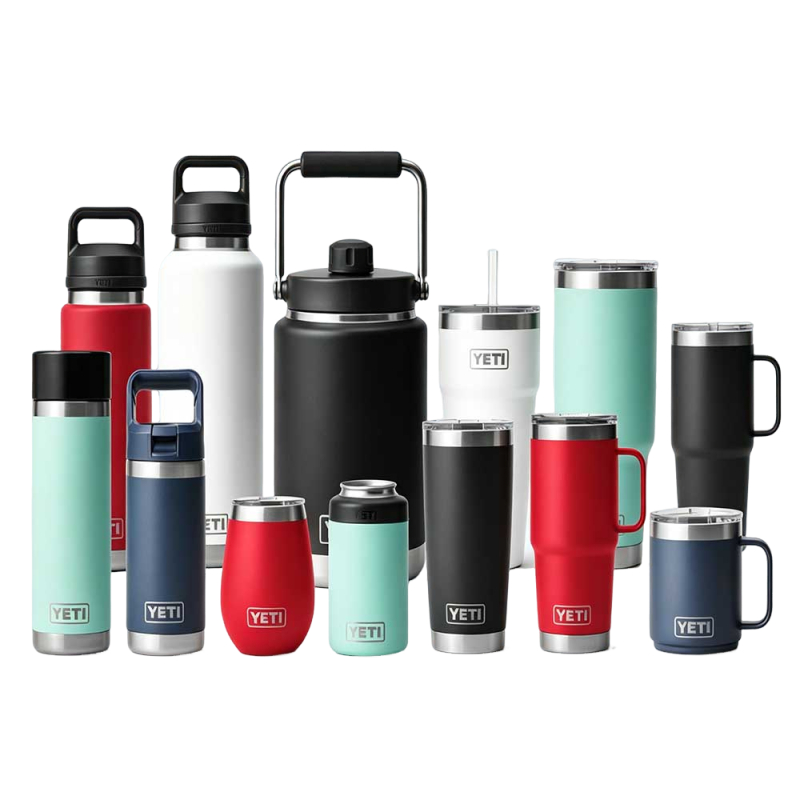
What You Need to Know Before Sourcing Yeti-style Drinkware
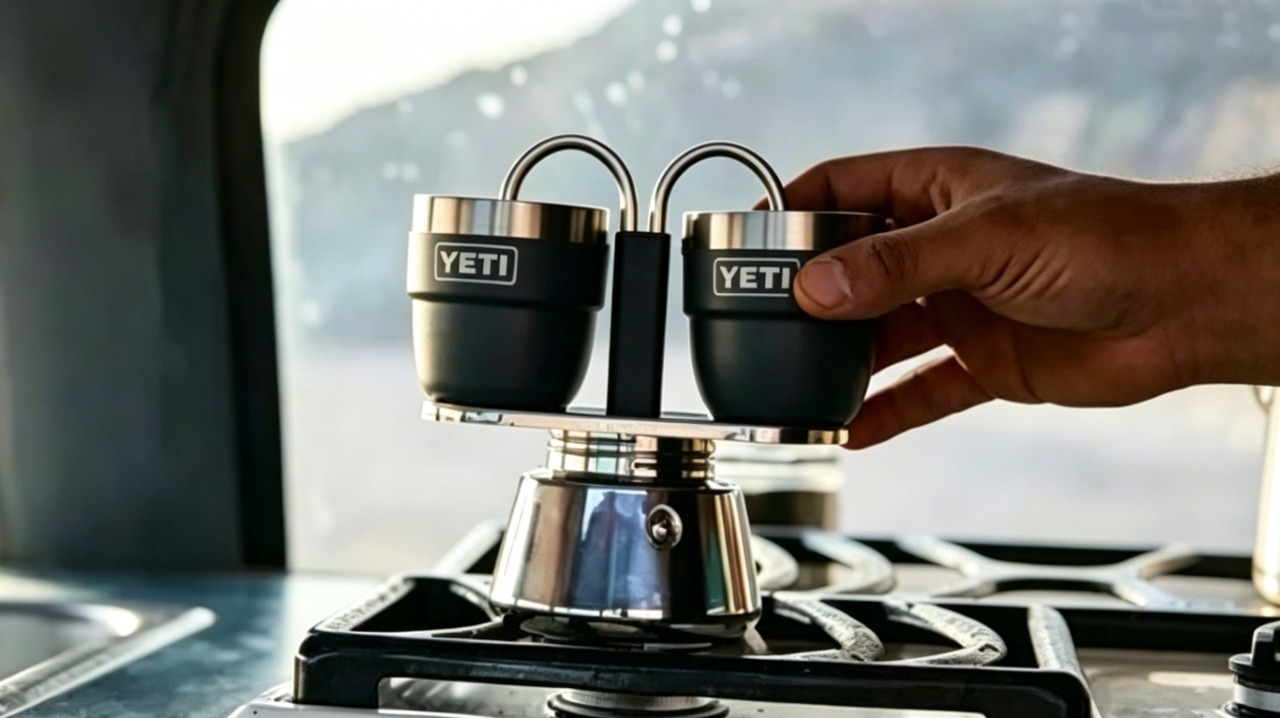
Are YETI Rambler 4 oz Stackable Cups Worth the Hype?
Boutique coffee and exquisite outdoor life are now integrated
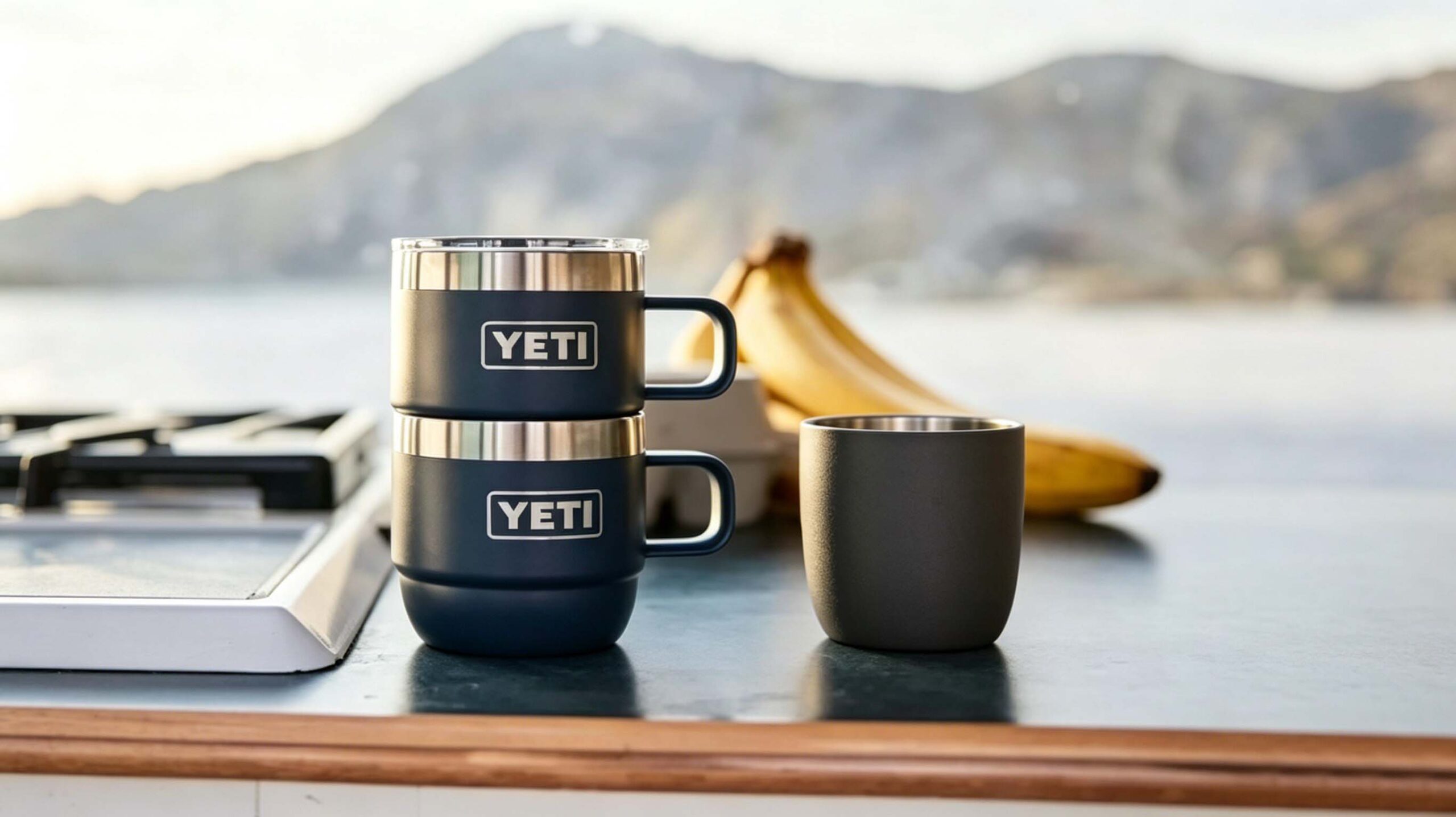

Which YETI Rambler Stackable Cup Is Better for Espresso: 4 oz or 6 oz?
Every home-made coffee lover knows such a pleasant moment:
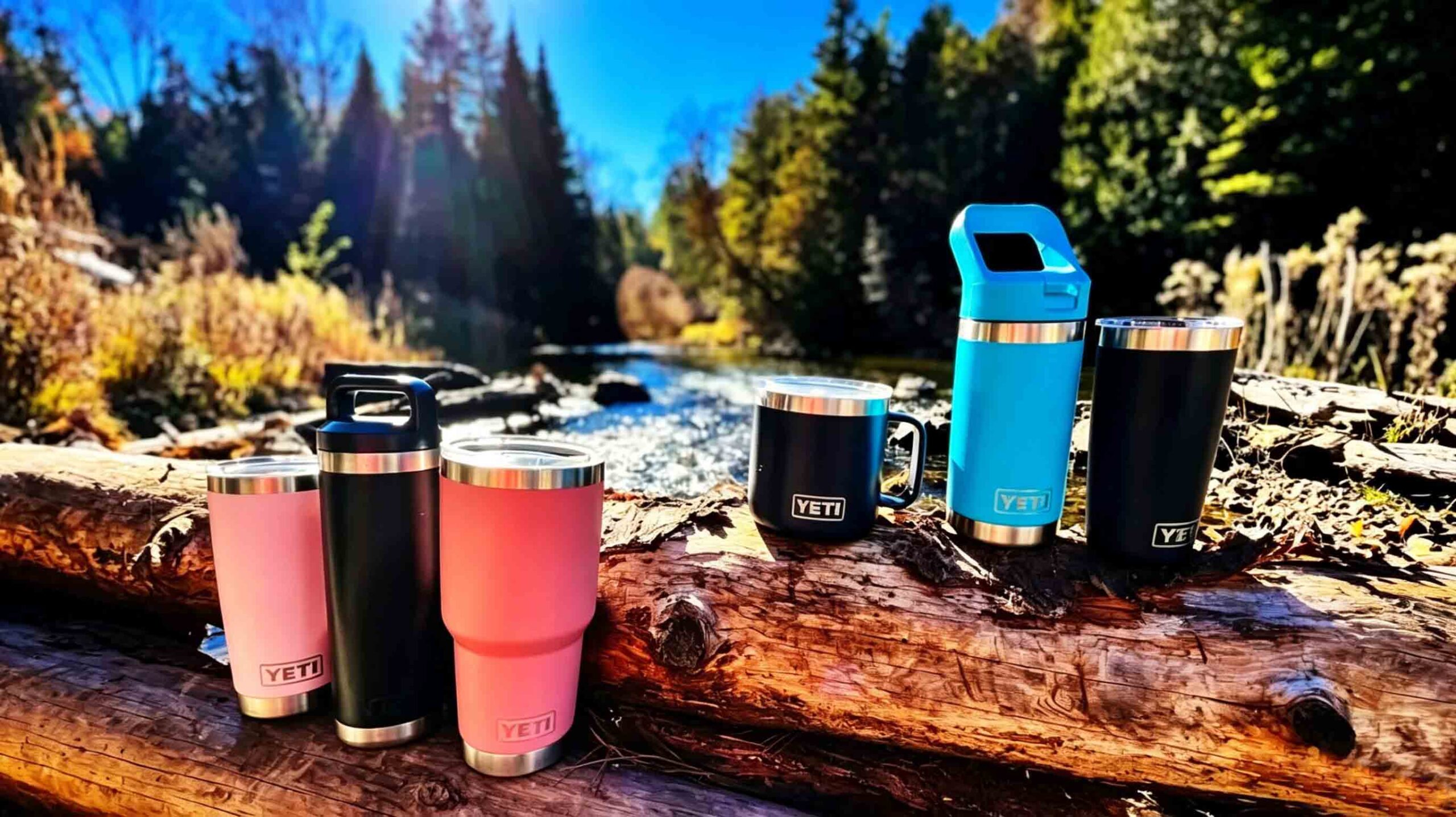
Where to Get YETI-Style Tumblers for Wholesale & Private Label?
Among the high-quality, durable, and exquisite water bottles, this
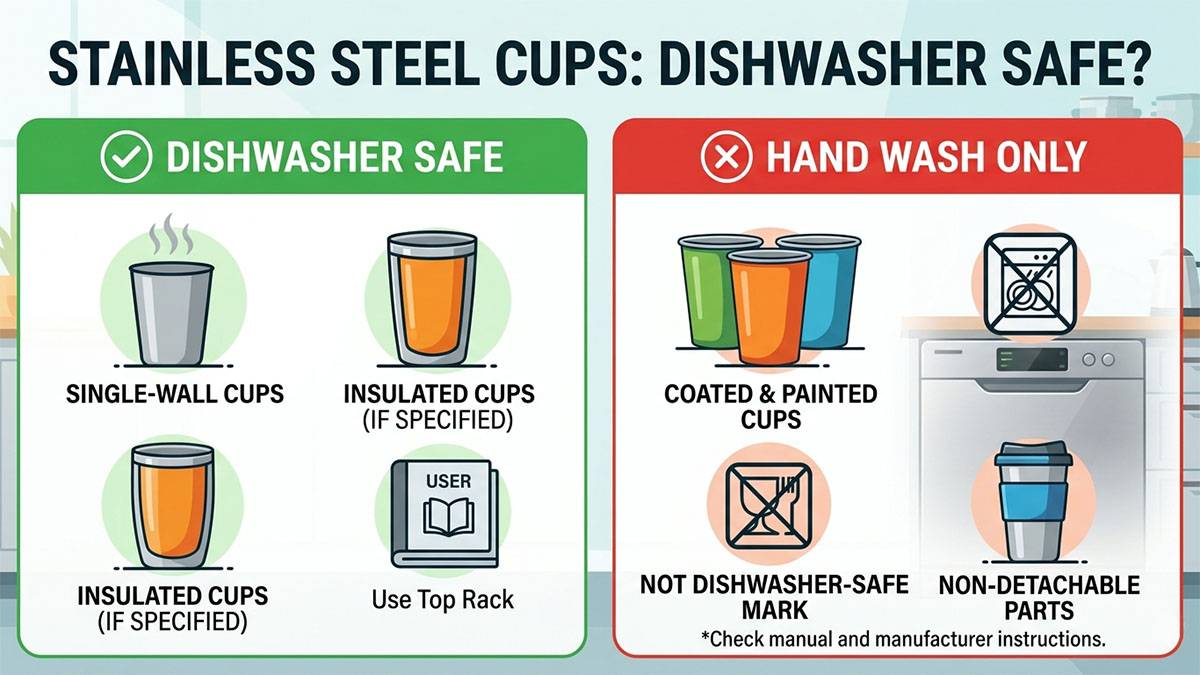
Are Your Stainless Steel Cups Dishwasher Safe?
Direct answer: Most single-wall stainless steel cups can be
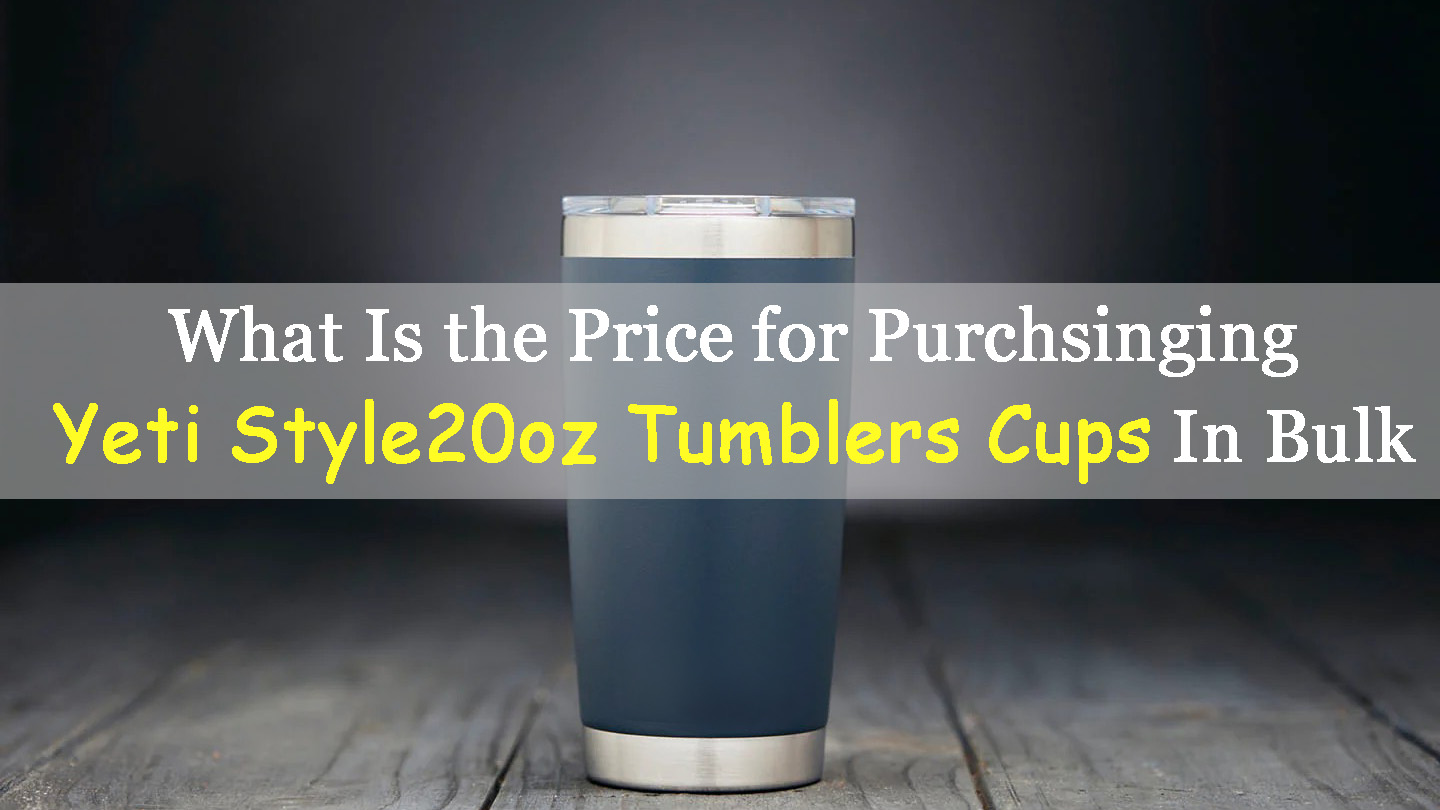
What Is The Price for Purchasing Yeti Style 20 oz Tumblers Cups In Bulk?
20oz insulated tumblers have become very popular thanks to
What Defines a High-Quality Yeti-Style Tumbler?
A high-quality Yeti-style water bottle can’t be judged only by its appearance and capacity. When evaluating OEM or private-label drinkware, buyers should focus on the material, thermal insulation liner structure, accessory design, and mass production stability. The actual inspection can refer to the following items:
- 1
Stainless steel material grade: 18/8 food-grade stainless steel is the mainstream material for high-end insulation drinkware. It is corrosion-resistant, durable, and meets food contact safety requirements, with balanced performance in all aspects.
- 2
Vacuum insulation structure: The good insulation effect depends on the quality of the vacuum layer and the workmanship of the double-layer cup body. Don’t just look at the insulation duration claims; stable vacuum performance is more critical.
- 3
Lid Sealing System: A well-designed lid should provide a secure seal while maintaining convenient drinking access. Seal quality directly affects leak resistance and can also influence heat transfer through the lid.
- 4
Handle workmanship: The handle of large-capacity thermos cups needs to be firmly combined with the cup body and comfortable to grip. Loose handle joints are a common fault point in daily use.
- 5
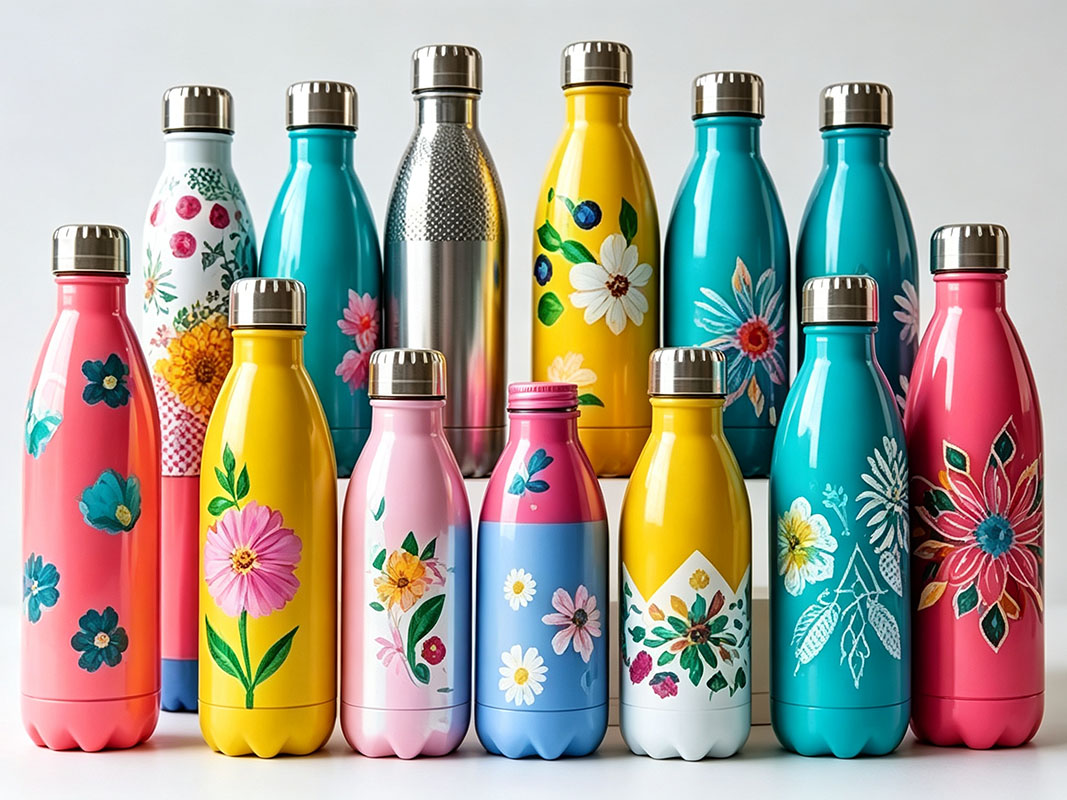
Surface coating: Durable powder spraying or other surface technologies deliver uniform color, strong adhesion, scratch and wear resistance, and a comfortable touch. The texture of the coating also directly affects the product’s grade perception.
- 6
Stability of base: A well-designed base can prevent the cup from toppling and protect the cup body from direct collision with hard tables. For large-size thermos cups, base stability is particularly important.
- 7Leak-proof and condensation-proof performance: High-quality thermos cups are not easy to leak under normal use and minimize outer wall condensation when filled with cold drinks. This performance requires the mutual cooperation of the insulation layer, cup lid, sealing ring, and cup body structure.
KingStar Custom Service
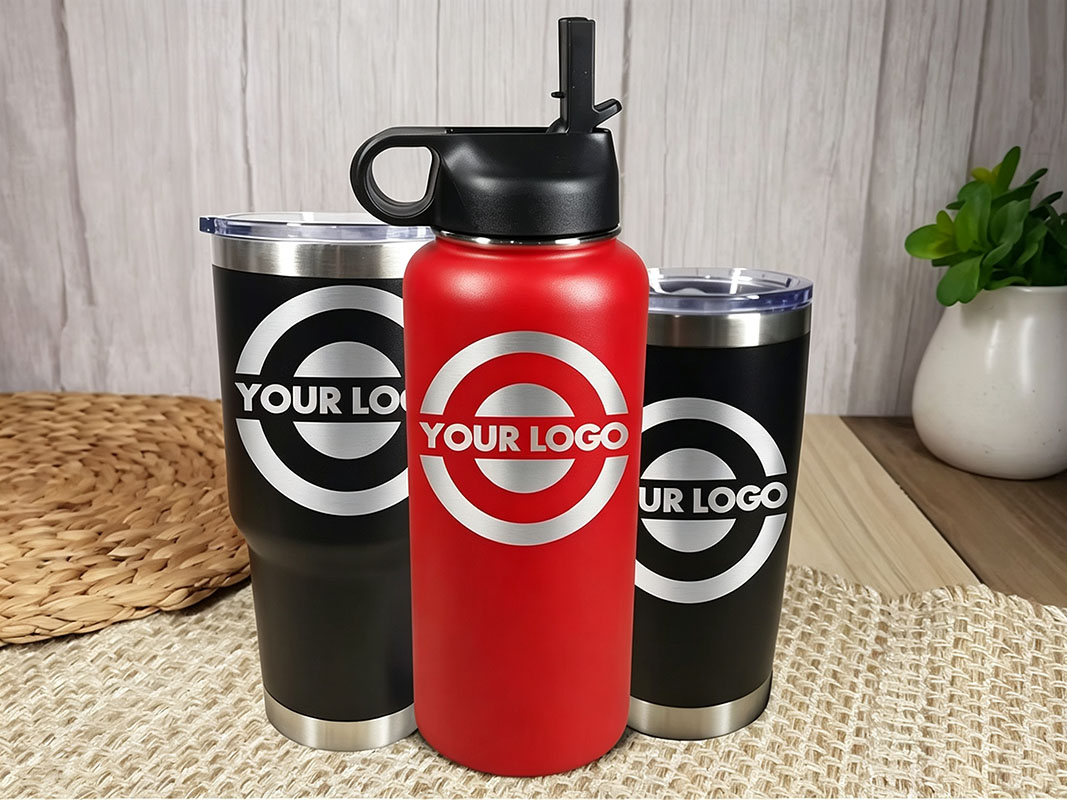
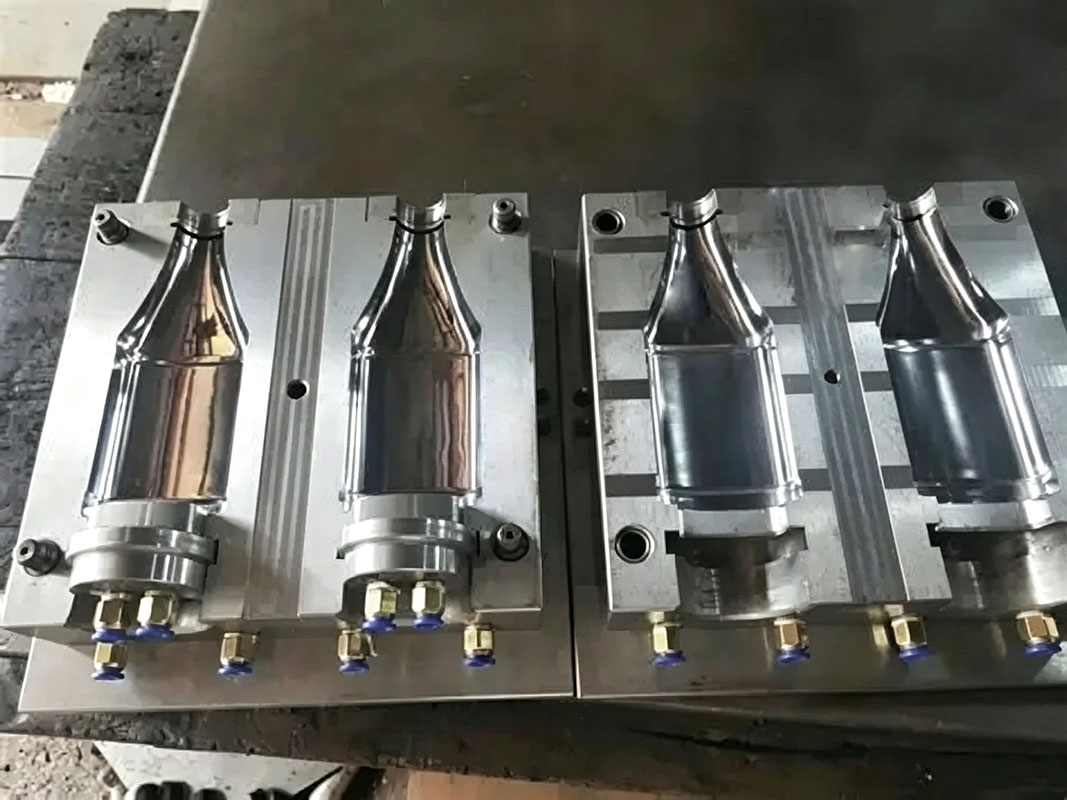
Manufacturing Essentials—From Materials to Production
Material Guide
Kingstar can provide a variety of BPA‑free materials that meet FDA, LFGB, and California Prop 65 standards.
- Stainless Steel: SS304 (food-grade, corrosion-resistant) for inner/outer walls; SS316 (medical-grade, superior acid/heat resistance) for premium applications; SS201 for outer walls only.
- Plastics: PP (heat-resistant, high strength), Tritan (BPA-free, transparent, impact-resistant), PPSU (heat-resistant to 207°C, ideal for baby bottles), and recycled ocean plastic for eco-friendly options. PC contains BPA and is not recommended.
- Other Materials: Titanium for premium/medical use. Silicone for gaskets, straps, and collapsible bottles.
- Auxiliary Materials: Copper plating and aluminum foil enhance insulation. The getter removes residual air between double walls for vacuum performance.
KingStar helps you select the right material based on product needs, target market, and budget.
Standard 500ml double‑layer 304 stainless steel insulated cup with basic paint finish and single‑color silk‑screened logo. China FOB price reference:
3,000‑piece MOQ: $4.40‑$5.00;
10,000‑piece MOQ: $4.60‑$4.80;
30,000+‑piece orders: $2.80‑$3.50.
Main price‑driving factors:
Steel grade (304 vs 316 has notable gaps), order volume and surface treatment. Paint adds $0.15 per unit; powder coating adds $0.50. Complex lids cost an extra $0.50‑$1.50.
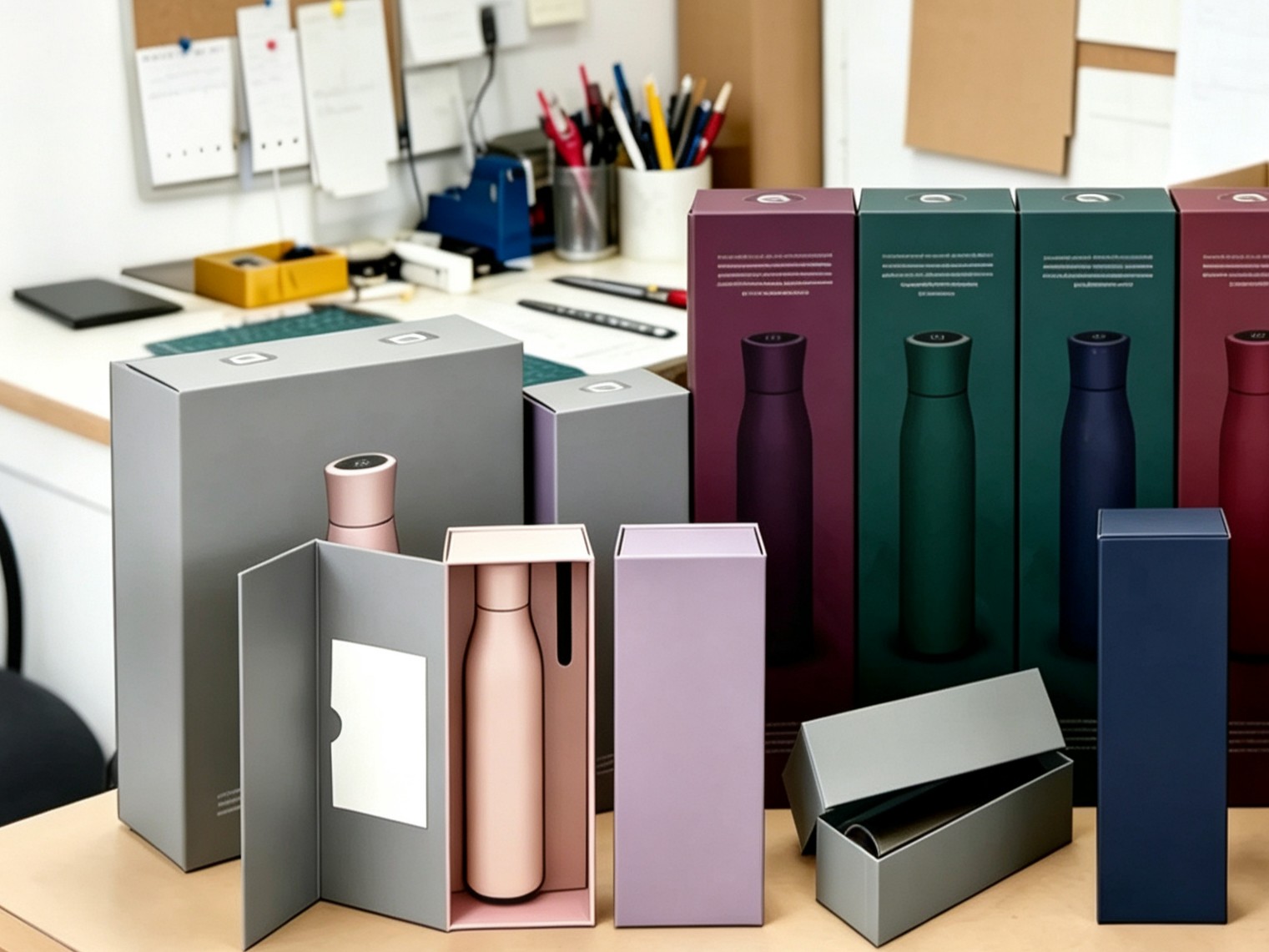
Other surcharges: copper plating +$0.20; stretching process +$0.60 vs water‑expansion; packaging $0.08‑$0.80. Logo options: silk‑screen from $0.03, laser engraving from $0.05. Shipping varies by sea, rail, air or express. Widely used for coffee, tea and drinks, these vacuum cups hold heat 12h and cold 24h. As the industry standard, 304 stainless steel costs $0.30‑$0.45 per cup in raw materials.
Vacuum Flask Design Guide
When designing double‑layer vacuum insulated water bottles, far more considerations apply than for single‑layer versions. The vacuum layer between inner and outer walls raises manufacturing difficulty, and many initial designs cannot be produced.
Core Design Principles
- Cup Wall Gap: Maintain ≥2 mm (ideal 3 mm) body clearance and 8‑10 mm at the bottom to avoid vacuum‑induced deformation.
- Thread Specifications: Thread height ≤1.0 mm (0.5‑0.9 mm recommended); pitch ≥3 mm (ideal 4‑5 mm). Thread rolling cannot support very fine‑pitch designs.
- Shape Restrictions: Round bodies deliver best compression resistance, like arch bridges. While KingStar offers square cups, large sizes need thicker walls, raising cost and weight.
- Insulation Tips: Narrow the mouth diameter; add copper‑plating or aluminum foil lining; opt for larger capacities. Vacuum ports are generally centered on the cup bottom.
Manufacturing Process
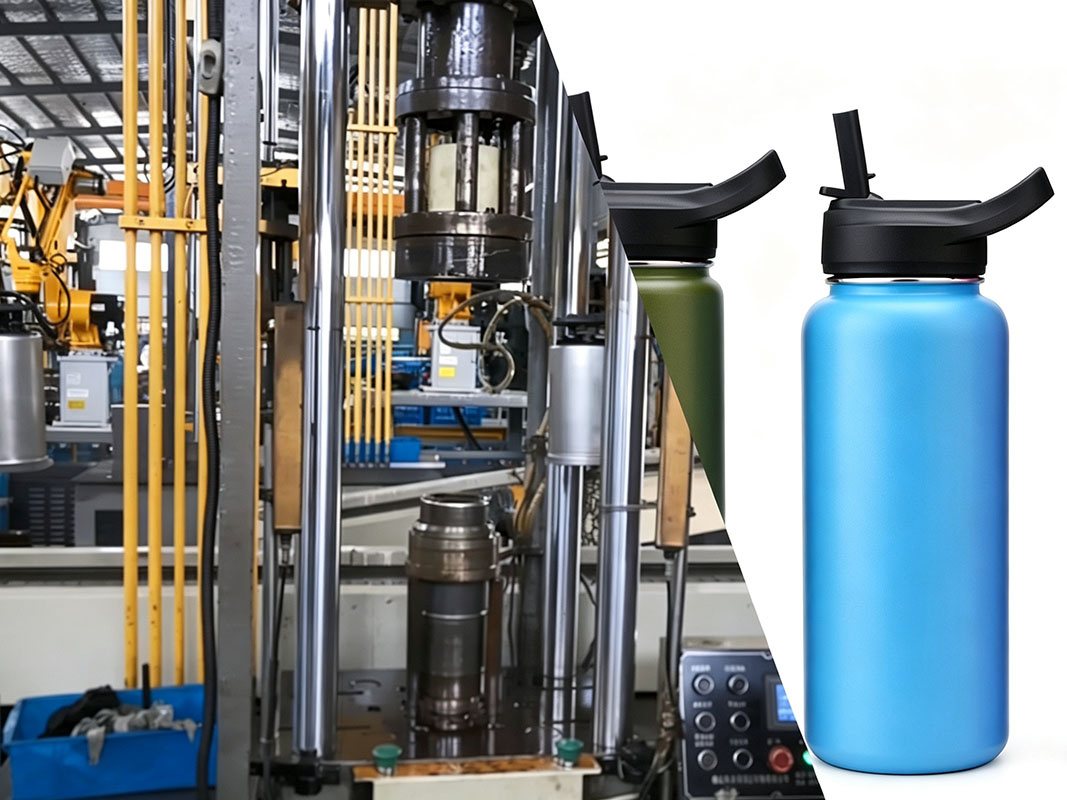
The manufacturing process transforms raw stainless steel into insulated bottles through two parallel production lines—one for the outer bottle and one for the inner bottle—before assembling them into a double-wall vacuum structure.
- Outer Bottle Production: Raw stainless steel pipes are cut to length, then shaped via water expansion (hydroforming) or stretch forming (deep drawing). The formed bottle undergoes separating, shaping, necking, thread rolling, cleaning, and inspection.
- Inner Bottle Production: Follows the same steps as the outer bottle, but typically requires no threading.
- Assembly & Vacuuming: The inner and outer bottles are assembled with a 2–3mm gap, then welded at the mouth and bottom. A vacuum is created between the walls to eliminate heat conduction and convection. High vacuum levels deliver 12–24+ hours of temperature retention.
- Finishing: The bottle undergoes electrolytic and mechanical polishing, followed by external coating (powder coating, spray painting, or electroplating) and logo printing (screen printing, thermal transfer, laser etching, etc.). Final insulation testing and packing complete the process.
- Quality Focus: Precision welding, stable vacuum technology, and strict material compliance (304/316 food-grade stainless steel, BPA-free plastics) are critical for consistent quality. Buyers should evaluate factories on vacuum consistency, welding precision, and adherence to standards like GB/T 29606-2026.