
Laser Engraving Business Guide Articles
Many entrepreneurs who have just entered the laser engraving business will encounter some problems: they do not know how to choose machines, struggle with uncertain pricing, lack product ideas, and find it difficult to attract customers. Simply engraving as a hobby is completely different from commercial operation.
Browse all posts in the Laser Engraving Business Guide here, and you can find practical resources: startup budgets, best-selling engraved water bottles, and marketing strategies, helping you avoid costly pitfalls on your entrepreneurial journey.
Read our guides now to grow your stainless steel water bottles laser engraving business.
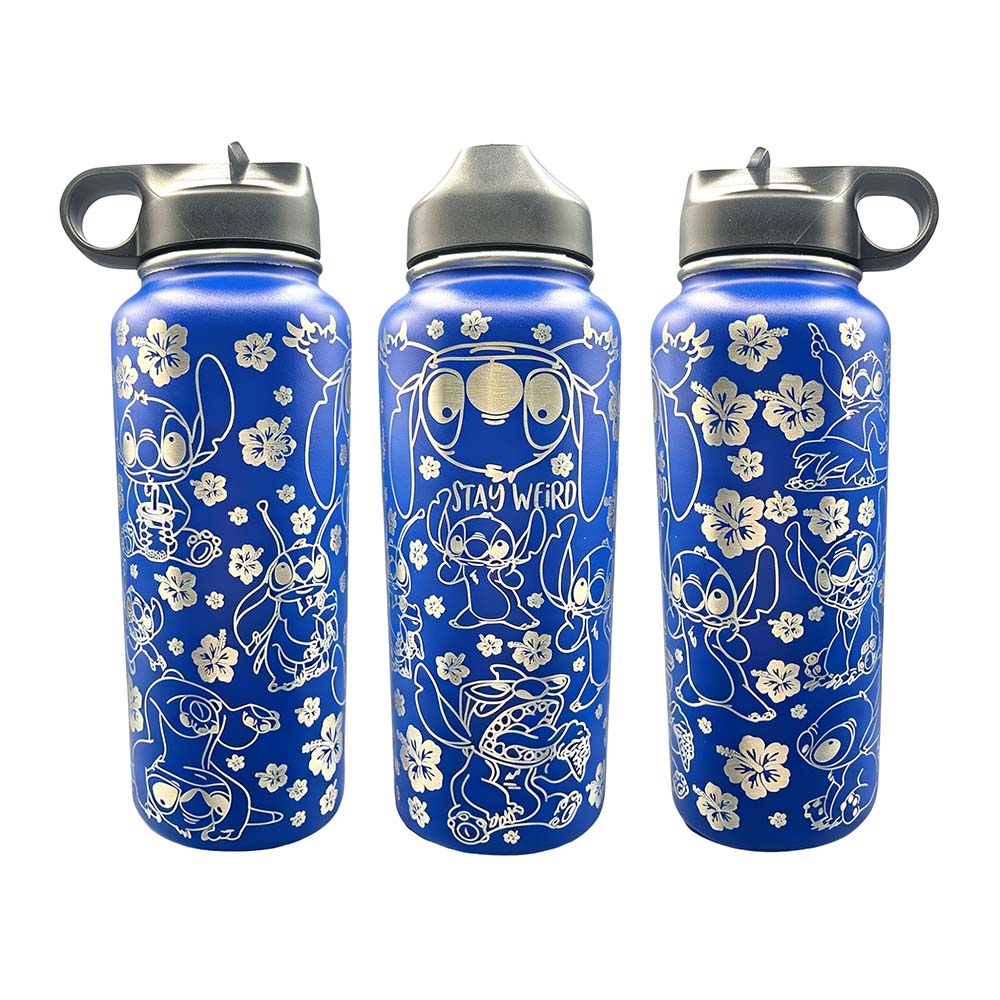
Laser Engraving Business Guides for Custom Water Bottles
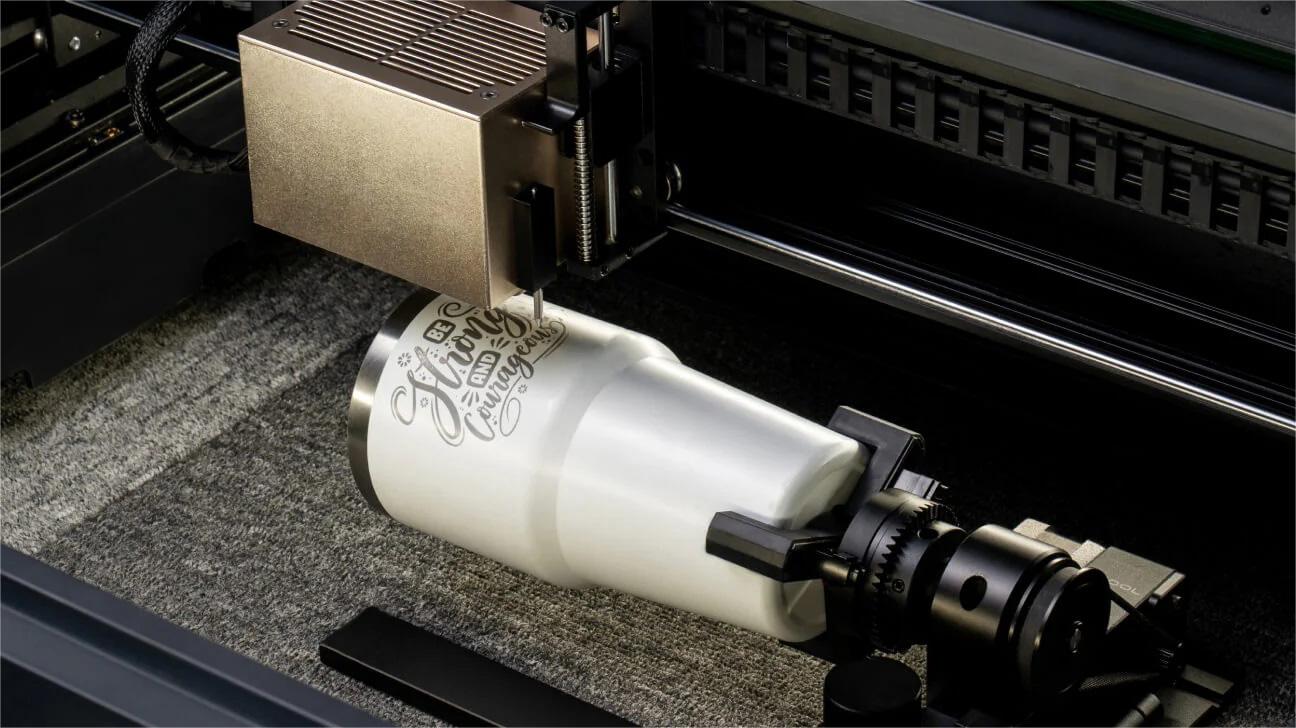
3 Best Laser Engravers for Metal Tumblers & Yeti Insulated Cups
In today's competitive market, metal tumblers and insulated cups
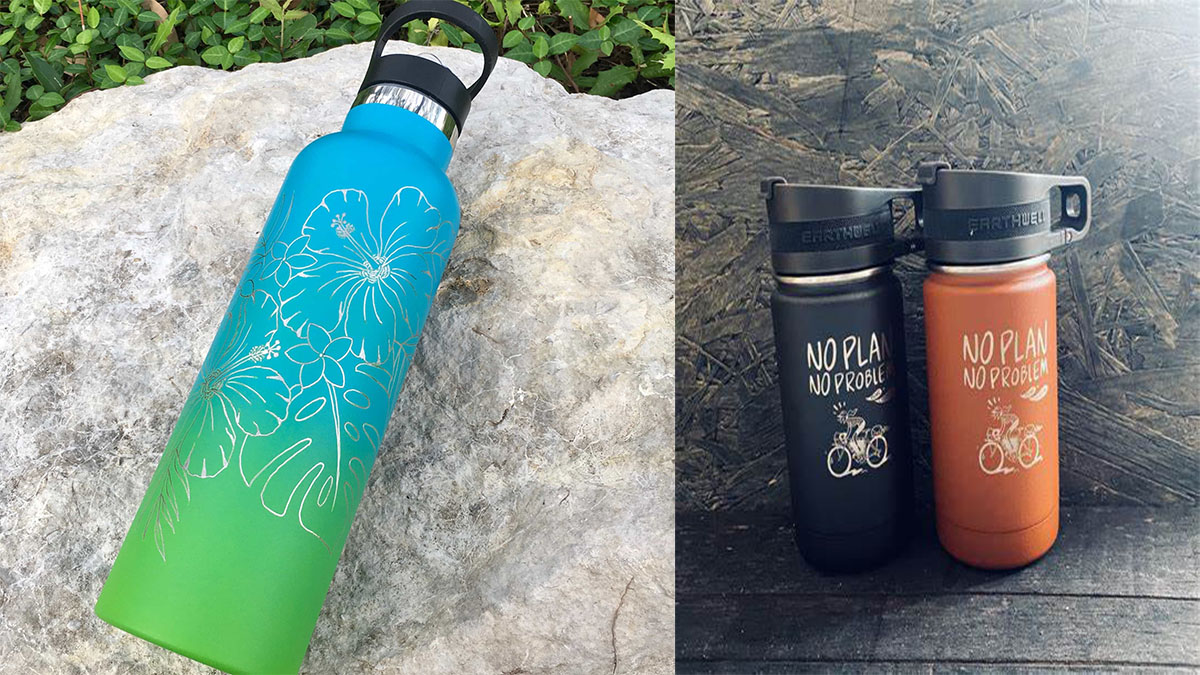
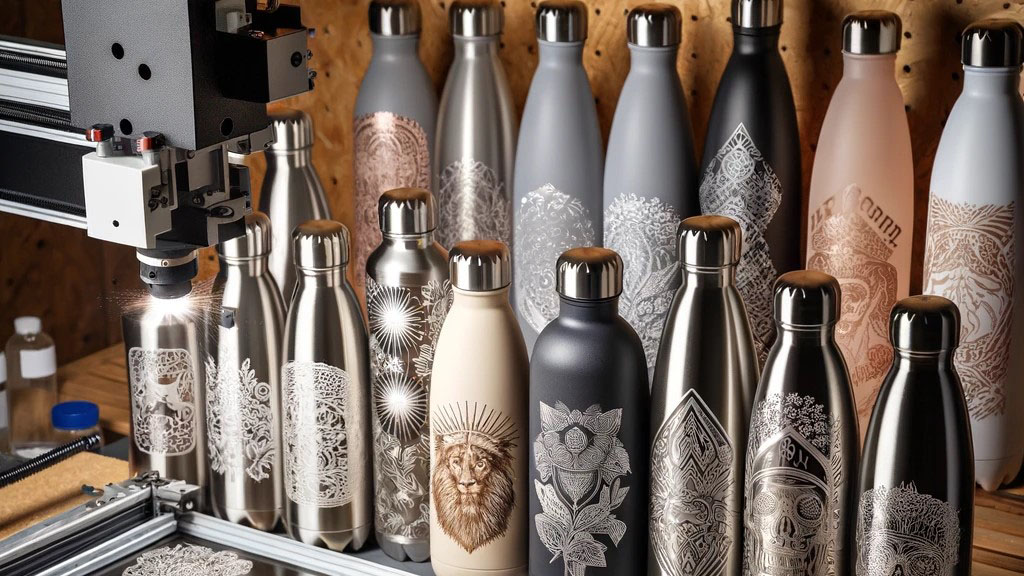
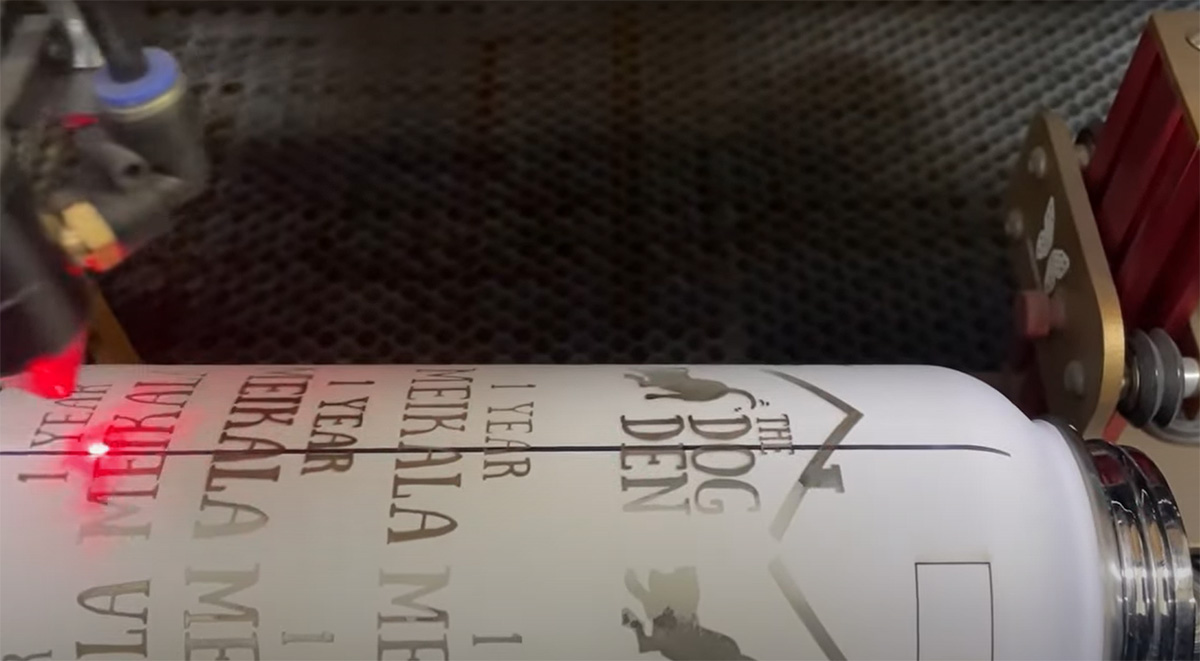
Collected Precautions For Using Laser Engraving Machines
What are the precautions for using laser engraving machine?
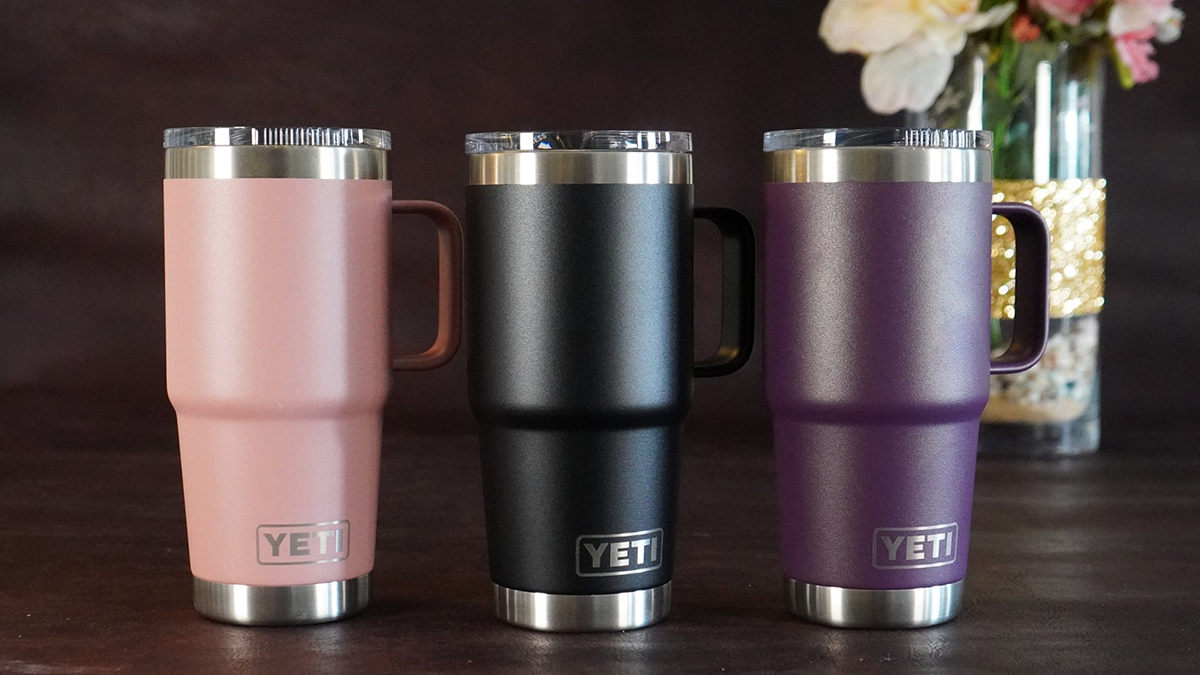
How To Laser Engrave Yeti Cups Bottles?
Contents 1. Which Yeti cup or bottle
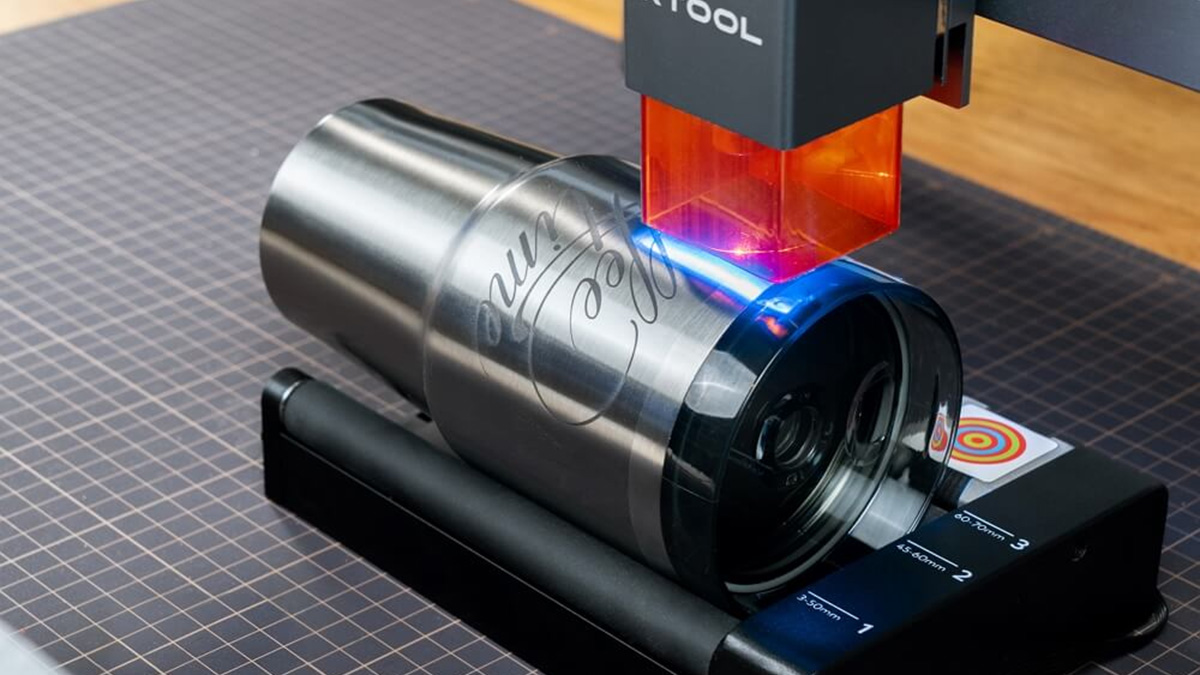
Where to Source Blank Engravable Water Bottles & Tumblers
It is difficult for many B2B buyers to find reliable sources of blank insulated water bottles or tumblers to meet laser marking requirements. Inferior coatings are prone to uneven engraving depth, burnt surfaces, and inconsistent finished effects, which will ruin customer orders and damage brand reputation.
Not all painted stainless steel water bottles are suitable for laser engraving. Priority is given to powder-coated blank bottles or tumblers specially formulated for laser etching. Before placing bulk orders, be sure to verify key information: stainless steel material grade, vacuum insulation performance, and food contact safety certifications, including FDA and LFGB, as well as negotiable MOQs.
| Supplier Type | Regular MOQ | Lead Time | Unit Price Level | Best For | Main Risks |
|---|---|---|---|---|---|
| Cross-border spot distributor | 10–50 pcs | 2–7 days | Medium | Small studios, sample proofing, frequent small replenishments | Some spot water cups are incompatible with laser engraving |
| Asian water cup manufacturer | 500 pcs minimum order | 15–30 days | Low | Engraving operators with stable, large-volume orders | Samples must be tested in advance; long production and shipping cycles |
| US local warehouse suppliers | 24–100 pcs | 3–10 days | On the high side | Amazon sellers, businesses requiring fast domestic US delivery | Higher procurement costs, limited new style selections |
| Local offline wholesalers | 20–100 pcs | Same day / next day | Higher | Urgent temporary small-order replenishment | Few blank styles compatible with laser engraving |
KingStar Custom Service
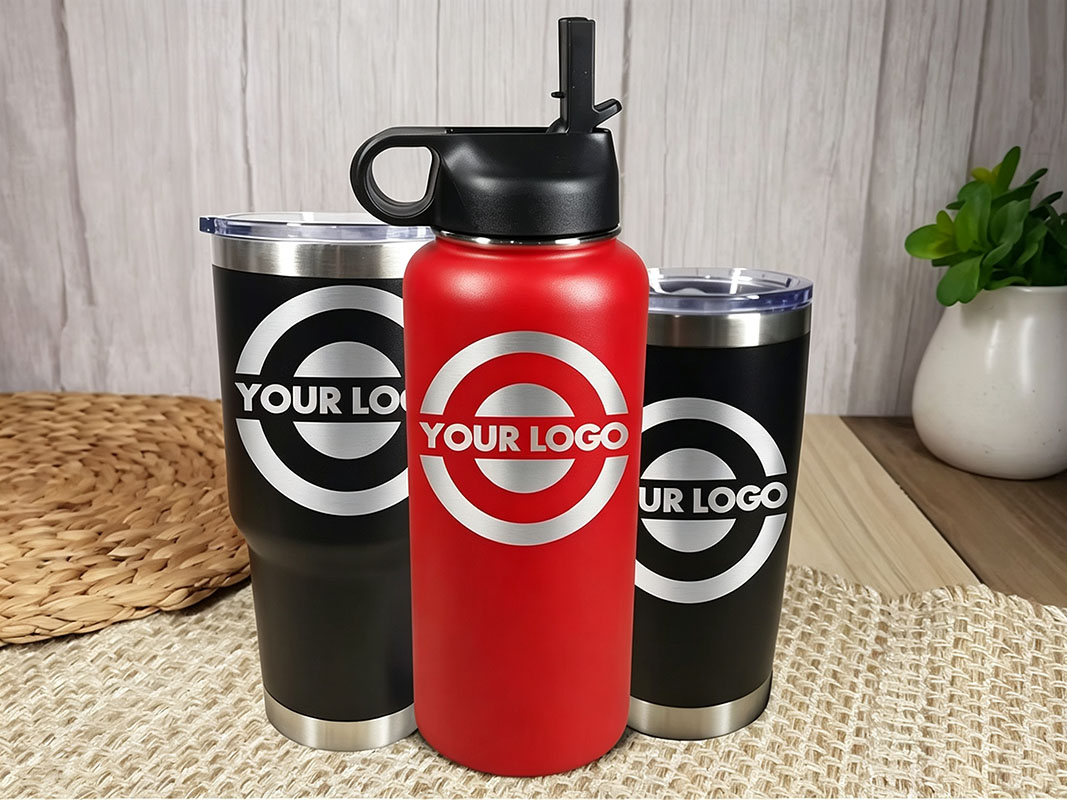
Manufacturing Essentials—From Materials to Production
Material Guide
Kingstar can provide a variety of BPA‑free materials that meet FDA, LFGB, and California Prop 65 standards.
- Stainless Steel: SS304 (food-grade, corrosion-resistant) for inner/outer walls; SS316 (medical-grade, superior acid/heat resistance) for premium applications; SS201 for outer walls only.
- Plastics: PP (heat-resistant, high strength), Tritan (BPA-free, transparent, impact-resistant), PPSU (heat-resistant to 207°C, ideal for baby bottles), and recycled ocean plastic for eco-friendly options. PC contains BPA and is not recommended.
- Other Materials: Titanium for premium/medical use. Silicone for gaskets, straps, and collapsible bottles.
- Auxiliary Materials: Copper plating and aluminum foil enhance insulation. The getter removes residual air between double walls for vacuum performance.
KingStar helps you select the right material based on product needs, target market, and budget.
Standard 500ml double‑layer 304 stainless steel insulated cup with basic paint finish and single‑color silk‑screened logo. China FOB price reference:
3,000‑piece MOQ: $4.40‑$5.00;
10,000‑piece MOQ: $4.60‑$4.80;
30,000+‑piece orders: $2.80‑$3.50.
Main price‑driving factors:
Steel grade (304 vs 316 has notable gaps), order volume and surface treatment. Paint adds $0.15 per unit; powder coating adds $0.50. Complex lids cost an extra $0.50‑$1.50.
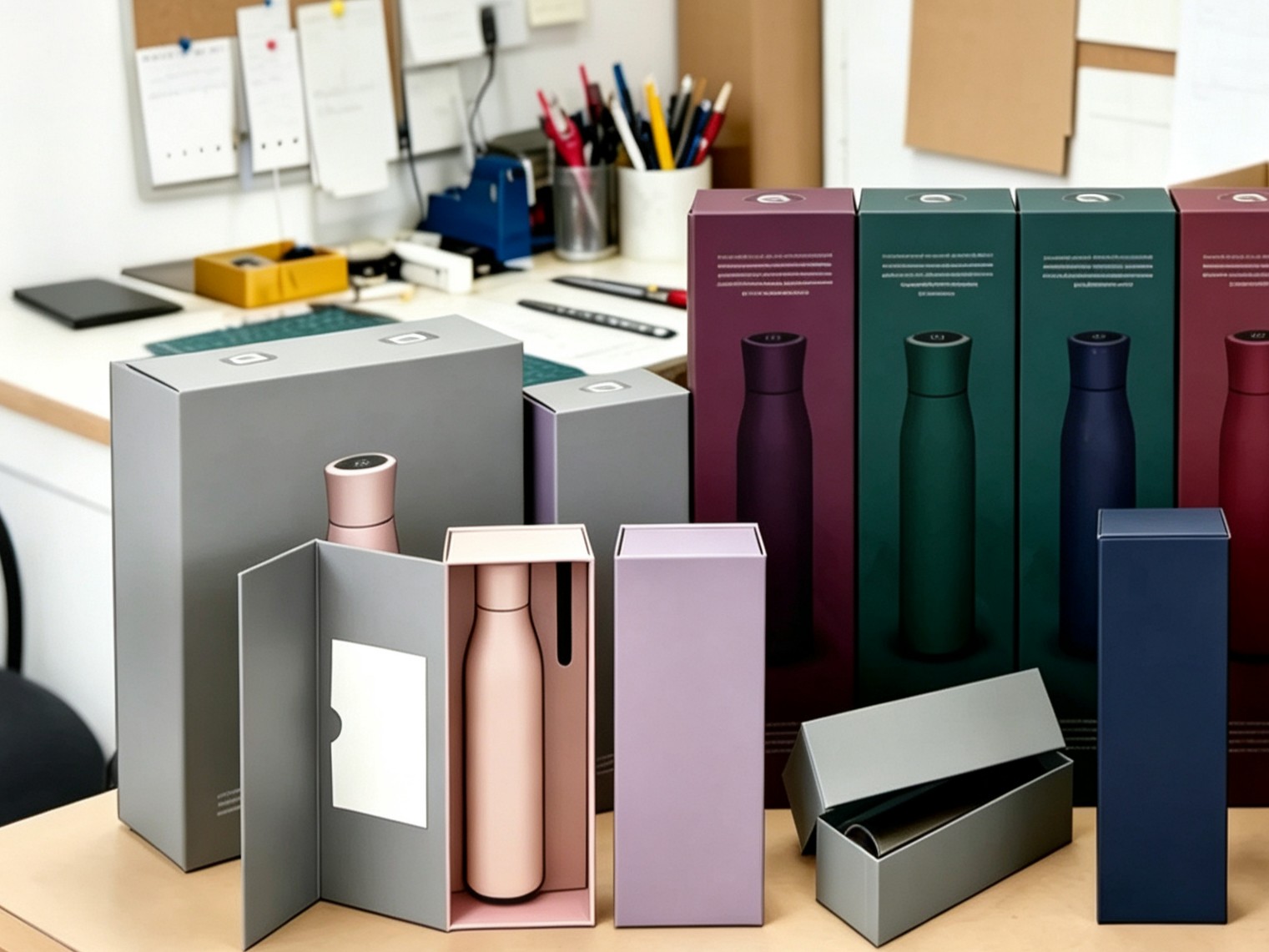
Other surcharges: copper plating +$0.20; stretching process +$0.60 vs water‑expansion; packaging $0.08‑$0.80. Logo options: silk‑screen from $0.03, laser engraving from $0.05. Shipping varies by sea, rail, air or express. Widely used for coffee, tea and drinks, these vacuum cups hold heat 12h and cold 24h. As the industry standard, 304 stainless steel costs $0.30‑$0.45 per cup in raw materials.
Vacuum Flask Design Guide
When designing double‑layer vacuum insulated water bottles, far more considerations apply than for single‑layer versions. The vacuum layer between inner and outer walls raises manufacturing difficulty, and many initial designs cannot be produced.
Core Design Principles
- Cup Wall Gap: Maintain ≥2 mm (ideal 3 mm) body clearance and 8‑10 mm at the bottom to avoid vacuum‑induced deformation.
- Thread Specifications: Thread height ≤1.0 mm (0.5‑0.9 mm recommended); pitch ≥3 mm (ideal 4‑5 mm). Thread rolling cannot support very fine‑pitch designs.
- Shape Restrictions: Round bodies deliver best compression resistance, like arch bridges. While KingStar offers square cups, large sizes need thicker walls, raising cost and weight.
- Insulation Tips: Narrow the mouth diameter; add copper‑plating or aluminum foil lining; opt for larger capacities. Vacuum ports are generally centered on the cup bottom.
Manufacturing Process
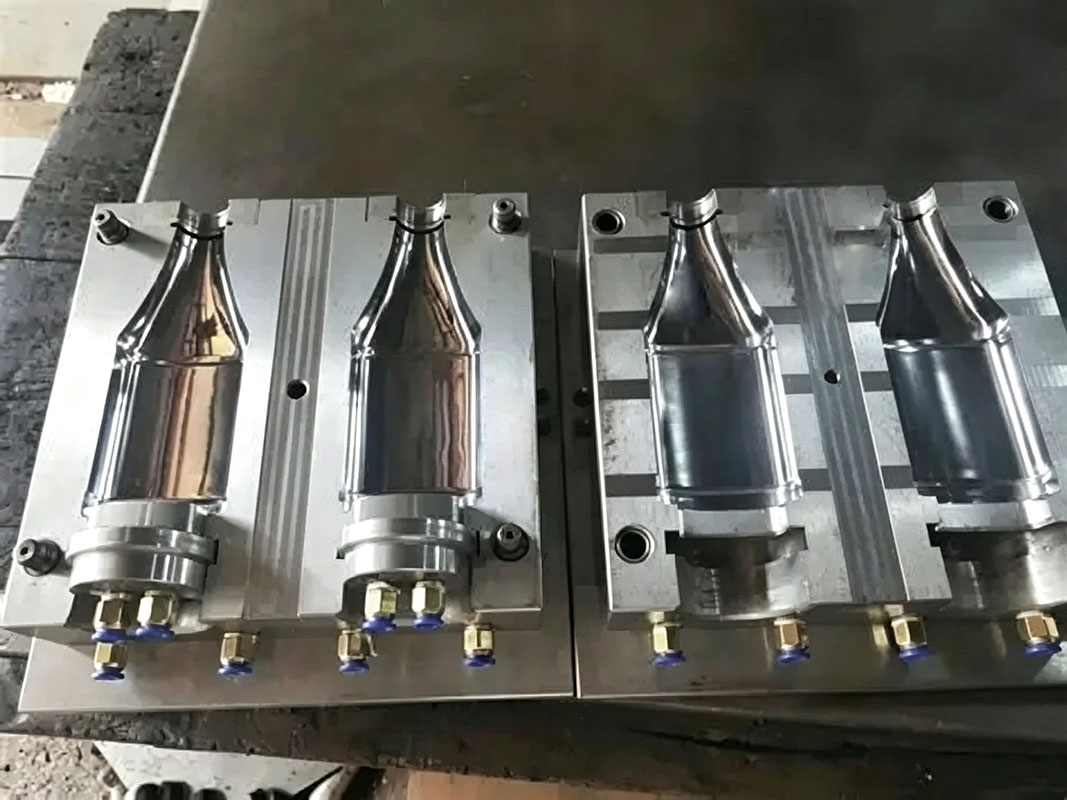
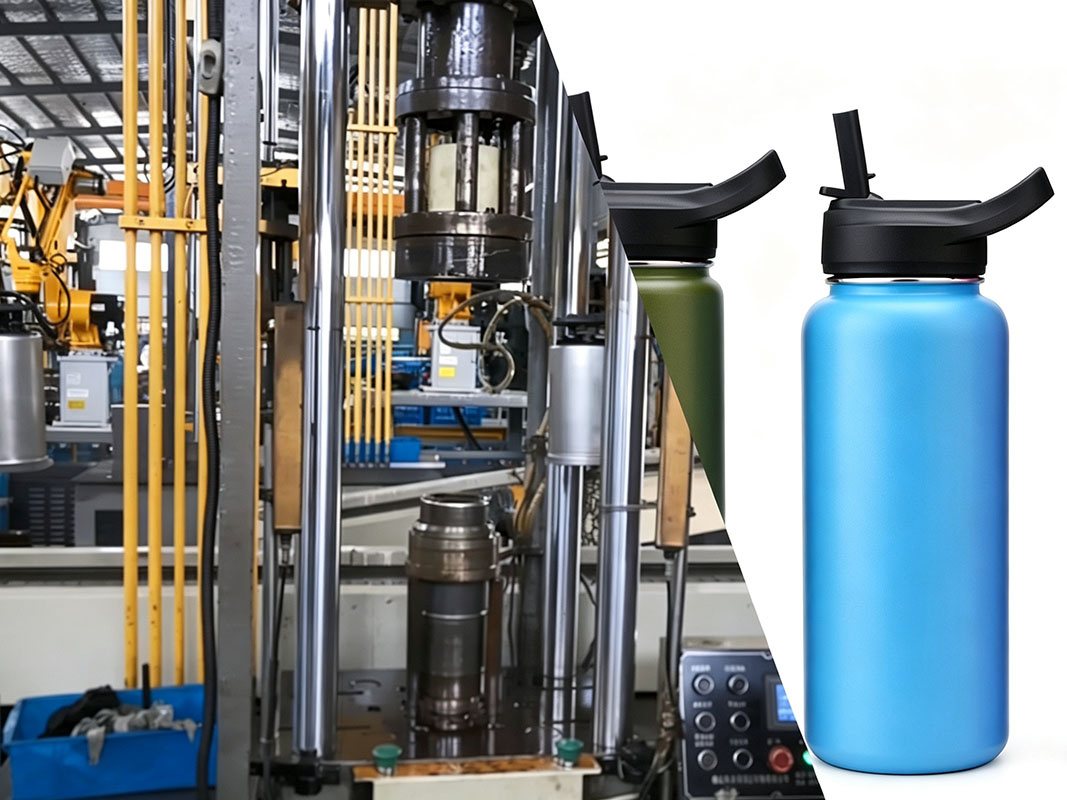
The manufacturing process transforms raw stainless steel into insulated bottles through two parallel production lines—one for the outer bottle and one for the inner bottle—before assembling them into a double-wall vacuum structure.
- Outer Bottle Production: Raw stainless steel pipes are cut to length, then shaped via water expansion (hydroforming) or stretch forming (deep drawing). The formed bottle undergoes separating, shaping, necking, thread rolling, cleaning, and inspection.
- Inner Bottle Production: Follows the same steps as the outer bottle, but typically requires no threading.
- Assembly & Vacuuming: The inner and outer bottles are assembled with a 2–3mm gap, then welded at the mouth and bottom. A vacuum is created between the walls to eliminate heat conduction and convection. High vacuum levels deliver 12–24+ hours of temperature retention.
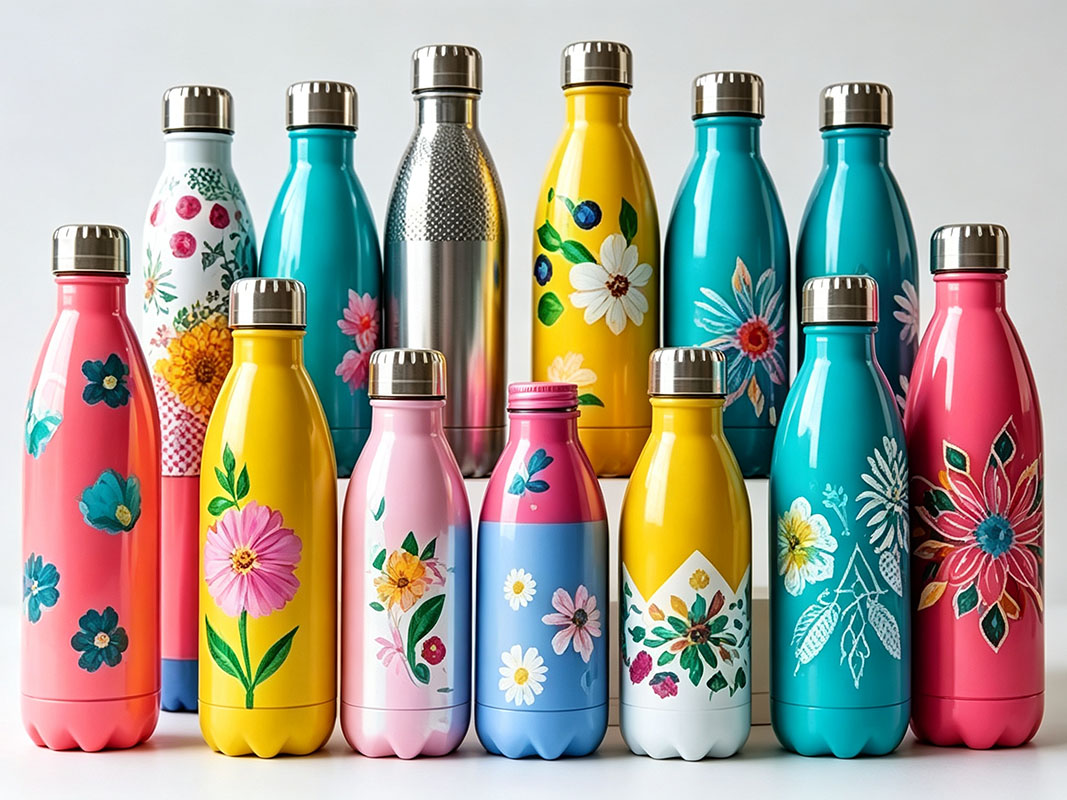
- Finishing: The bottle undergoes electrolytic and mechanical polishing, followed by external coating (powder coating, spray painting, or electroplating) and logo printing (screen printing, thermal transfer, laser etching, etc.). Final insulation testing and packing complete the process.
- Quality Focus: Precision welding, stable vacuum technology, and strict material compliance (304/316 food-grade stainless steel, BPA-free plastics) are critical for consistent quality. Buyers should evaluate factories on vacuum consistency, welding precision, and adherence to standards like GB/T 29606-2026.