In today’s drinkware market, the propaganda of sustainable development can be seen everywhere, but experienced B2B buyers know that not all “green” products are equal. In the global supply chain, only by combining internationally recognized certification, material science, and long-term performance can the environmentally friendly thermos cup truly win credibility. Once this condition is met, these thermos cups will be upgraded from simple reusable items to reliable commercial assets.
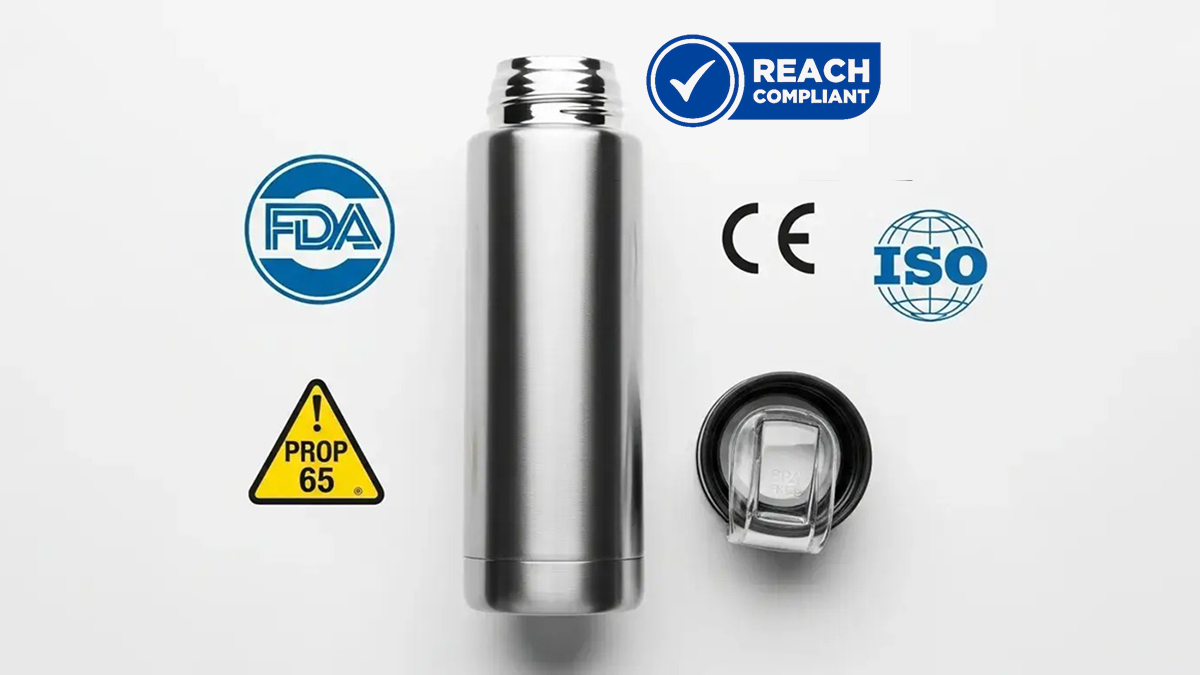
Internationally, the most reliable environmentally friendly insulated water bottles are those products that have passed the FDA (American Food and Drug Administration), LFGB (German Food Contact Material Safety Certification), and REACH (European Union Regulations on Registration, Evaluation, Authorization and Restriction of Chemicals). These standards can verify whether the materials meet the requirements of food contact safety, do not contain restricted substances, and meet the environmental laws and regulations of major markets. For large-scale procurement or multinational distribution organizations, certification is not a dispensable upgrade-it is the basis for ensuring market access, brand reputation, and long-term commercial feasibility. Click and read more: LFGB Certificate for Stainless Steel Water Bottles / Flasks / Cups
Global Certification Standards for Water Bottles
Behind every certification is a set of strict and standardized production processes. The core of the FDA’s compliance certification focuses on the safety of food-grade materials and the control of pollutants, which are also a necessary condition for products to enter the North American market. LFGB certification, which has always been known for its strict standards, has set stricter restrictions on the migration of chemicals, so it is favored by European buyers. REACH compliance certification requires environmental and human health impact assessment for every chemical used in the production process, which makes the promotion of product sustainability no longer just marketing words, but has a solid foundation.
When the above-mentioned product-level certification is supplemented by ISO 14001 and other environmental management system certifications, the enterprise not only shows the compliance level, but also shows a systematic commitment to continuously reduce waste emissions, improve energy efficiency, and control environmental risks throughout the whole production and operation process.
Sustainable Material Choices for Tumblers & Mugs
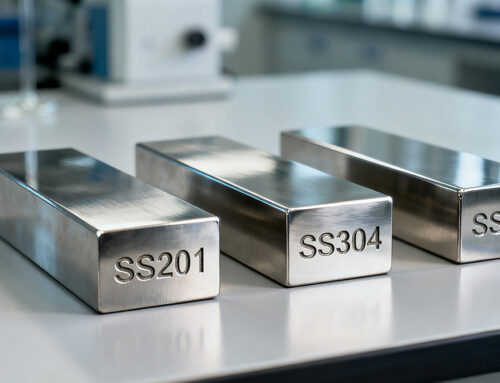
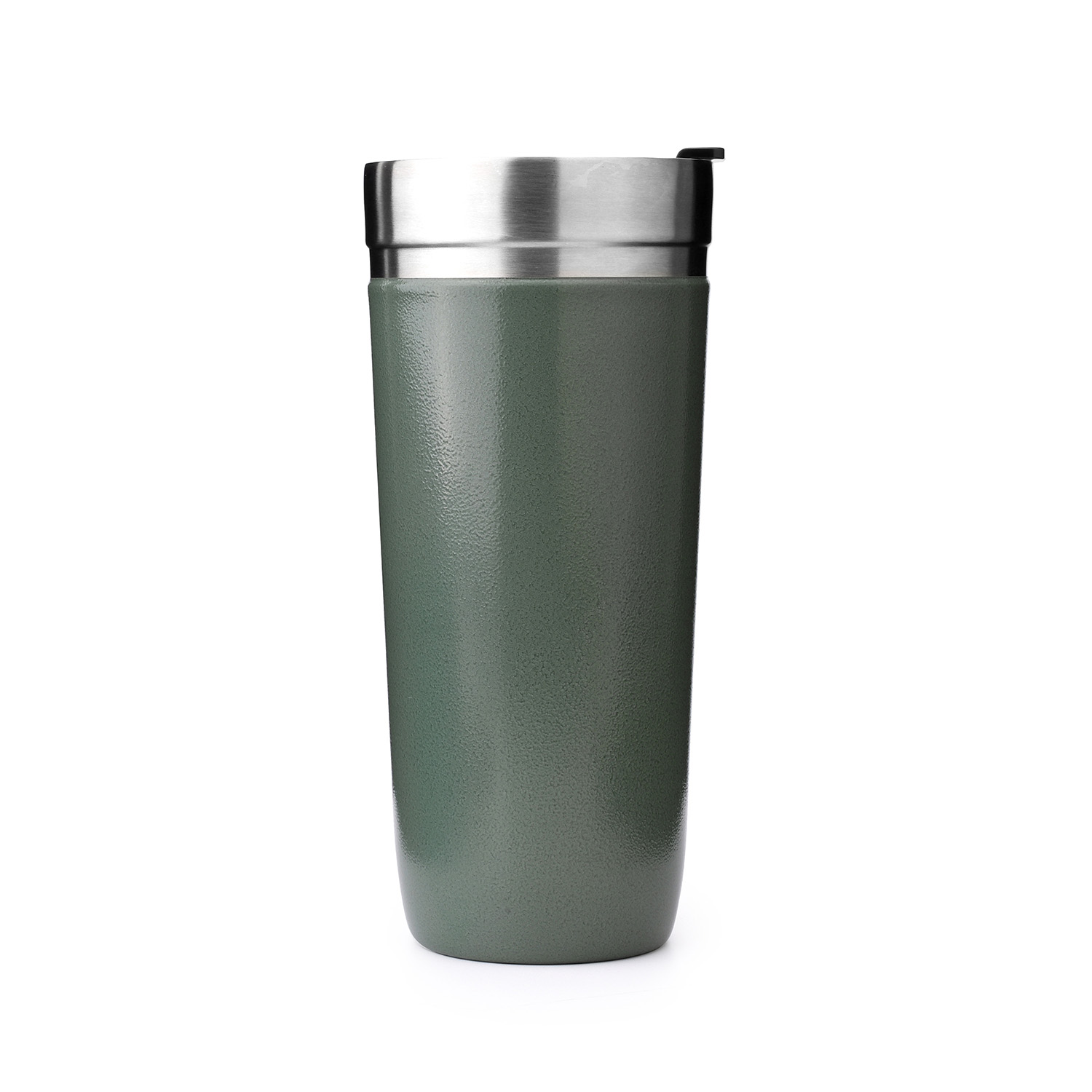
Sustainable development is not empty talk, it can be quantified by selecting material. Food-grade stainless steel, especially 304 and 316 stainless steel, has always been the core material for creating truly environmentally friendly thermos cups. The service life of this alloy can reach several decades, which can greatly extend the replacement cycle of products and reduce the corresponding waste. Although the initial carbon footprint of stainless steel is higher than that of disposable plastics, the data of life cycle analysis consistently show that the impact of single use of stainless steel cups on the environment will be significantly reduced with the increase of the number of use.
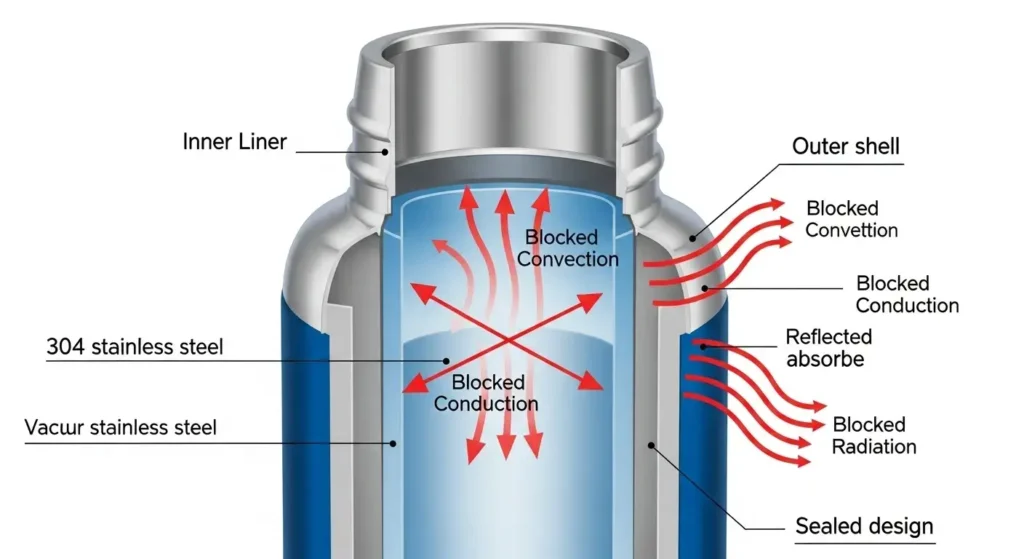
The double-layer vacuum heat insulation structure further enhances the sustainability of the product. With the long-term ability to keep the temperature of drinks, the thermos cup can reduce people’s demand for repeated heating or refrigeration of drinks, and in the long run, it can subtly reduce energy consumption. From a commercial point of view, such performance advantages can also be translated into lower customer complaint rates, lower product return rates and stronger brand loyalty-these achievements, like sustainable development indicators, are all factors that the purchasing team attaches great importance to.
What Defines a Top-Tier Eco-Friendly Insulated Bottle
In the global certified environmental protection thermos cup product camp, high-performance products often have uniform technical specifications. Precision vacuum insulation layer, accessories without bisphenol a, and strictly controlled production process are all standard configurations, not high-end additional functions. The following table summarizes the core attributes that the thermos cup meets the international certification requirements and can play a stable role in global trade.
| Primary Material | 304 or 316 food-grade stainless steel |
| Insulation Type | Double-wall vacuum insulation |
| Safety Compliance | FDA, LFGB, REACH, BPA-free |
| Environmental Systems | ISO 14001-aligned manufacturing |
| Product Lifespan | 15–25 years under normal use |

Click and read more about Custom Options: Custom Bottle Tumbler Decorating, Custom Logos of Water Bottles, Custom Water bottle Packaging
Why Certifications Matter in B2B Procurement
In the B2B purchasing scenario, all kinds of authentication are a powerful trust guarantee mechanism. Whether it is bidding procurement, dealer access audit, or a corporate gift customization project, the performance of certified products is always better than similar non-certified products. Buyers regard certification as a convenient basis for reducing risks-it can not only simplify the compliance review process and speed up customs clearance efficiency, but also effectively reduce legal risks.
Certified environmentally friendly thermos cups can usually support higher project pricing and achieve better total cost of ownership. Longer service life, fewer warranty claims, and lower replacement frequency mean that high-quality parts of the product can usually be restored faster than expected. Nowadays, with more and more strict purchasing decisions, certification provides a solid and reliable supporting foundation for the quality and value of products.
Why B2B Procurement Should Adopt Sustainable Packaging
Packaging is the last link to the concept of sustainable development. Leading environmental protection thermos cup products are now paying more and more attention to the construction of supporting environmental protection packaging; the core of such packaging design is to reduce plastic consumption, reduce transport weight, or improve recyclability. For large-scale enterprises, such packaging optimization can bring tangible benefits, including reducing transportation carbon emissions, reducing storage demand, and making it easier to achieve the sustainable development goals put forward by retailers and regulators.
Equally important is the conceptual value of packaging transmission. When the environmental protection standard of packaging is consistent with the product itself, the brand credibility will be further strengthened. For B2B buyers who need to evaluate suppliers for a long time, this consistency from product to packaging often becomes the key factor in cooperative decision-making.
Conclusion
High-quality environmental protection thermos cups have never been defined by a single feature or marketing words. It is the result of the joint action of conformity certification materials, rigorous production technology, mature thermal insulation performance, and environmental protection packaging. For enterprises engaged in global procurement, this kind of insulated drink bottles / thermos coffee cups / hip flasks / beer growlers / shaker bottles has achieved a rare point of convergence – the perfect unity of environmental responsibility, compliance guarantee, and commercial value. In this industry full of all kinds of green publicity, this highly compatible quality is hard to come by, but it is easy to recognize.
Here in KingStar, we, as an experienced manufacturer of custom water bottles, believe no work is too hard. Contact us at: sales@waterbottle.tech or leave online message, and we can overcome any obstacles together!