When the alarm clock rings in the morning, do you need to force yourself to get up? During the afternoon at work, do you often find it difficult to concentrate? These “sub-health” conditions that modern people commonly experience may be related to a very simple lifestyle habit – insufficient water intake.
Water makes up 60% to 70% of an adult’s body weight. It is much more than just providing hydration. According to the basic health guidelines released by the World Health Organization(WHO), water directly participates in every physiological process of the human body: it helps transport nutrients to cells, remove metabolic waste, regulate body temperature, lubricate joints, and even the brain’s thinking requires adequate water support. A study published in The Journal of Nutrition showed that even mild dehydration (losing an amount of water weighing 1-2% of body weight) can cause headaches, fatigue, and cognitive decline.
Contents
- Is It True that I Need 8 Cups of Water Everyday?
- How to Calculate the Basic Amount of Water You Need for A Day?
- Water Intake Requirements for Different Groups of People
- What Signs Indicate that Your Body Is Lacking Water?
- What Are the Common Myths About Drinking Water?
- A Healthy Daily Water Intake Schedule
- Choose A Safe Water Bottle to Safeguard Your Every Sip
- Conclusion
Is It True that I Need 8 Cups of Water Everyday?
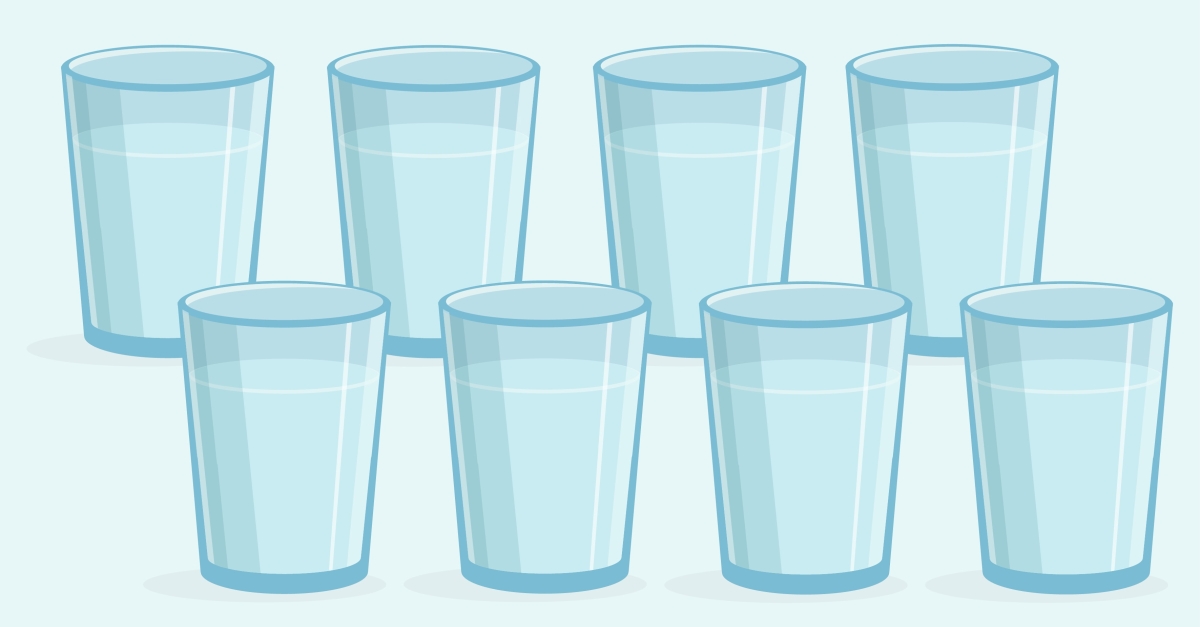
For a long time, ” everyone should drink eight 8 oz glasses of water everyday” (the popular “8×8 rule”) has been regarded by many as the golden standard. However, this widely circulated unofficial advice lacks solid scientific basis and has not been adopted by the official guidelines of the UK or the EU.
The ambiguity of this rule likely stems from the misinterpretation of two historical recommendations:
- In 1945, U.S. National Research Council recommended that adults should intake 1 milliliter of fluid for every 1 calorie of food consumed. This means that for an adult consuming 2,000-2,500 calories per day, the total fluid intake should be 2-2.5 liters. However, the key point is that “fluid” here includes all beverages, soups, and high-water-content fruits and vegetables, not specifically referring to plain water.
- In 1974, a nutrition book(Nutrition for Good Health, co-authored by 2 famous nutritionists) recommended that adults drink 6-8 cups of water per day, but the author also clearly stated that this includes coffee, soft drinks, and even beer.
So, based on the latest scientific research, what is the truth?
For most healthy adults living in temperate climates and engaging in light activities, drinking approximately 1.5 to 1.8 liters (about 6-7 cups) of water per day is usually sufficient to meet the basic water needs of the body. This is less than the 2 liters recommended by the “8×8 rule”.
However, your optimal water intake is not a fixed number but should be adjusted dynamically based on body temperature, activity level, environment (such as heat, humidity, high altitude), and special physiological conditions (such as exercise, pregnancy, breastfeeding). These factors can significantly change the body’s needs.
How to Calculate the Basic Amount of Water You Need for A Day?
A widely recognized basic calculation formula in the field of health is:
Total daily water requirement (liters) = Weight (kilograms)×0.03
This coefficient of 0.03 (that is, 30 milliliters per kilogram of body weight) is derived from the scientific assessment by institutions such as the European Food Safety Authority (EFSA) on the water requirement for basic metabolism. It calculates the total water you should obtain through all means (including plain water, other beverages, and food).
For example: An adult weighing 70 kilograms has a total daily water requirement of approximately 70×0.03 = 2.1 liters.
However, it doesn’t mean that you should reach the target of 2.1 liters only through “drinking plain water”. Usually, the food we consume (especially fruits, vegetables, and soups) can provide about 20% of the water. Therefore, the basic target for this adult’s daily pure water intake can be set at around 1.7 liters (about 7 cups). This basic target can be adjusted by adding or subtracting, such as when the weather is humid or cold (indicating reduced sweating and water evaporation), then you can drink less water, while when the weather is hot or dry, you can increase the amount of water intake.
Water Intake Requirements for Different Groups of People
However, the calculation of the recommended daily water intake shouldn’t be limited to body weight. People with different living habits and physiological conditions, even if they have a similar basic weight, need to apply more detailed calculation methods and precautions on top of this:
| Group | Recommended Daily Water Intake | Special Considerations |
| Office workers with sedentary jobs | Standard recommended intake | Set regular reminders to drink water to avoid forgetting due to prolonged focus at work |
| Physically active individuals / exercise enthusiasts | Standard intake plus an additional 500–1,000 ml around exercise | Drink about 500 ml 2 hours before exercise; during activity, sip 150–200 ml every 15–20 minutes |
| Pregnant women | Increase by 300–500 ml | Spread intake evenly throughout the day; reduce intake before bedtime to avoid frequent nighttime urination |
| Breastfeeding women | Increase by 700–1,100 ml | Drink one glass of water before and after each breastfeeding session |
| Older adults | At least 1,500 ml | Thirst sensation may be reduced; proactive and regular hydration is recommended |
What Signs Indicate that Your Body Is Lacking Water?
Thirst is the easiest observable sign that your body needs water, but it is not the only one. Here are several other signs of dehydration that are also worthy of attention:
- The most obvious indicators: urine color and frequency of urination. The ideal color of urine should be light lemon yellow. Dark yellow or amber color indicates the need for immediate hydration. Normal urination frequency is approximately 4-7 times a day. If it is less than this range, it may indicate insufficient water intake.
- Sustained fatigue: Dehydration causes a reduction in blood volume, and the heart needs to work harder to pump blood, thereby causing fatigue.
- Inattention: The brain tissue is 75% water. Even mild dehydration can affect thinking efficiency and short-term memory.
- Drop in skin elasticity: Try to gently pinch the skin on the back of your hand. If it takes longer time than usual to recover, it may be a sign of dehydration.
What Are the Common Myths About Drinking Water?
Drinking water in a regular and spaced-out manner is more effective than drinking a large amount at once.
The common behavior among my friends is: it’s been half a day, but it didn’t occur to them that they should drink some water until they suddenly remember that they should drink 8 cups of water every day. At this point, they drink a lot of water to try to make up for the recommended daily water intake.
But as we mentioned before, the recommended daily water intake varies depending on individual physical conditions, and the actual situation in reality should also be taken into consideration. For example, even if you haven’t consumed enough water before noon, your body doesn’t give any signals, you’re not thirsty or tired, then there is no need to drink a large amount of water in a short period of time to reach the “target water intake”. Blindly following fixed standards may exceed your actual needs.
Moreover, drinking too much water in a short period of time can lead to “water intoxication” (hyponatremia), causing dizziness, nausea, and even loss of consciousness. Although this situation is relatively rare and more likely to occur after consuming a large amount of plain water (without electrolytes) during or after prolonged and intense exercise, it is still a risk to be taken into consideration. The correct approach is to drink small amounts slowly throughout the day and distribute them evenly. For a more detailed time schedule, please refer to the recommended drinking schedule in the next section ”A Healthy Daily Water Intake Schedule”.
Although tea, coffee, and beverages can also hydrate, they contain caffeine or sugar, which may have a diuretic effect or increase calorie intake. A study in The American Journal of Clinical Nutrition pointed out that frequent consumption of sugary beverages is associated with an increased risk of metabolic diseases. Plain water or light tea is still the best choice.
Most disposable plastic bottles are made of ordinary PET material. Reuse may cause the release of microplastics or the growth of bacteria, especially in hot weather. You may have noticed that past plastic bottles filled with boiling hot water would deform and emit an unpleasant smell because the plastic has been severely damaged and would release a large amount of harmful substances to the human body; however, this does not mean that it is absolutely safe when it is not deformed and clean. Because even if warm water of a lower temperature is added or even in extremely hot weather, there is still a chance that it will release harmful microplastics to the human body, which is invisible to the naked eye.
So, for long-term using, it is advisable to use containers specifically designed for repeated use to avoid health risks.
A Healthy Daily Water Intake Schedule
This schedule is applicable to most people, and the amount of water intake can be appropriately increased or decreased according to your individual condition.
- 7:00 in the morning: 1 cup of warm water (200-300 milliliters), to replenish the water lost during the night and activate metabolism.
- At the intervals of work: 1 cup of water at 10:00 and 15:00 respectively, to relieve work fatigue and maintain concentration.
- 30 minutes before meals: Half a cup of water (about 100 milliliters), to help secrete digestive juices and increase the feeling of fullness to avoid overeating.
- Before and after exercise: Follow the above recommendations for exercise groups.
- 1 hour before bedtime: A small half cup of water (about 100 milliliters), to avoid increased blood viscosity at night, but do not drink too much to avoid urination at night disturbing sleep.
Special reminder: The amount of water intake per hour should not exceed 800 milliliters. It is advisable to distribute your water intake evenly throughout the day, and the total daily water intake should be close to the calculation result based on your weight and other conditions.
Choose A Safe Water Bottle to Safeguard Your Every Sip
So by now, we have already elaborated on the importance of drinking water for human health and some tips and common misconceptions. So, how can we maintain a healthy drinking habit? We recommend that you start by purchasing a high-quality water bottle with designs that you like and no health risks.
1. Material Safety Should Be Your Primary Consideration
When the fluid you’re about to drink comes into contact with the container for a long time, the safety of the container’s material directly affects your health. Currently, the mainstream water bottles on the market are made of plastic or stainless steel:
- Plastic water bottles: Choose products that clearly label “Tritan” or “food-grade PP (polypropylene)” materials. These materials do not contain bisphenol A (BPA), resistant to high temperatures and wear and tear, and can achieve high transparency which you may like and facilitate your use. Avoid low quality or non-food grade materials (which may contain BPA).
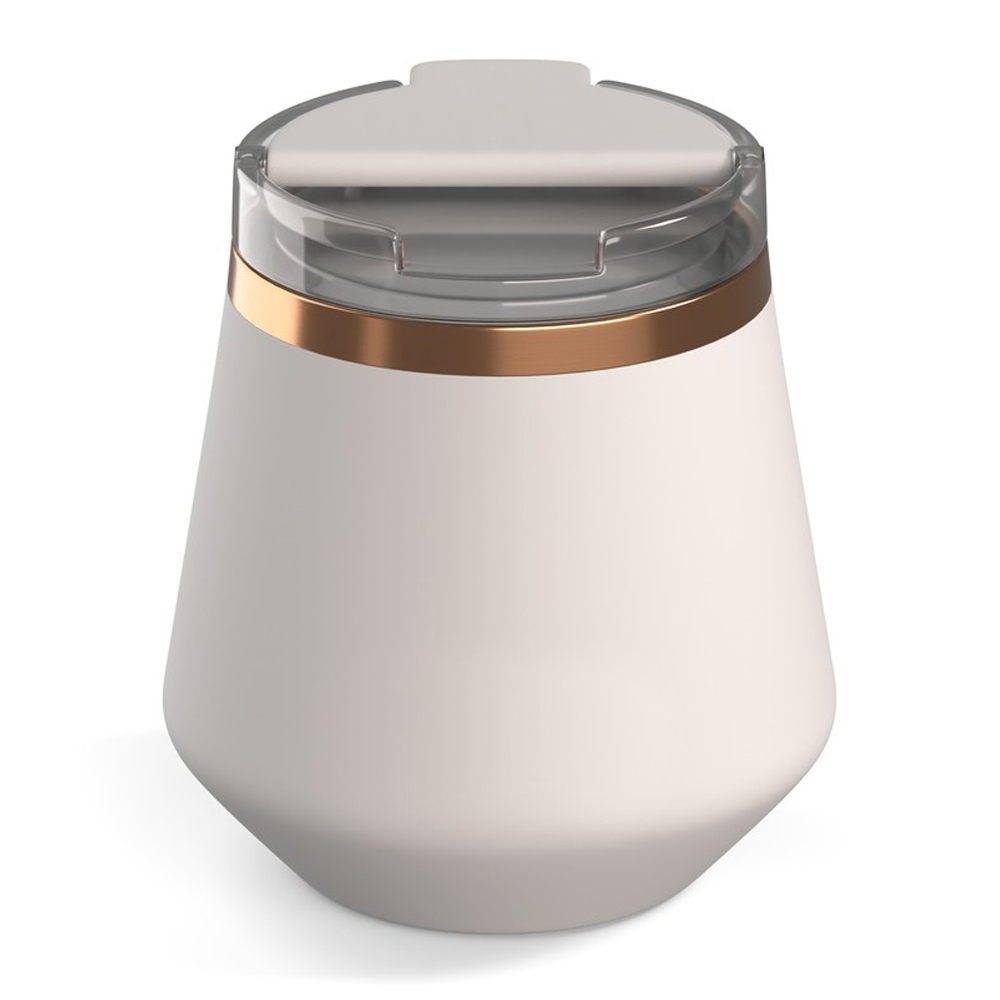
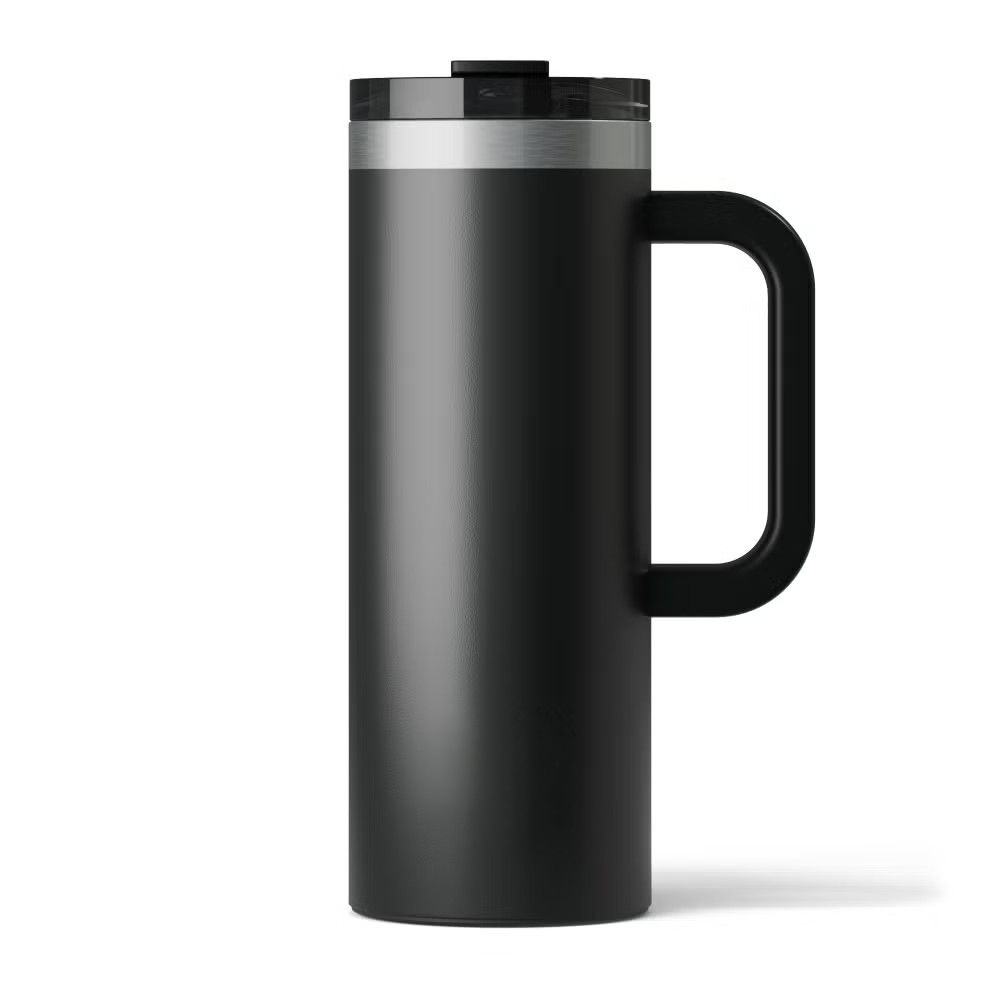
- Stainless steel tumblers & mugs: Confirm they are made of “304 food-grade stainless steel” or better but more expensive “316 medical-grade stainless steel”. These two materials have strong corrosion resistance and do not release heavy metals when holding acidic beverages (such as lemonade). A simple way to identify: Test with a magnet. High-quality 304/316 stainless steel usually has no magnetism or weak magnetism. But you may be concerned about “stainless steel allergy”. Here we need to clarify that most “stainless steel allergy” symptoms are actually due to nickel allergy, not the stainless steel itself. The nickel ions released by high-quality materials during use are nearly negligible for most people with mild allergies and will hardly cause visible reactions. For more details, you can read the article we wrote earlier: B2B Advantages of Nickel-Free Stainless Steel in Custom Corporate Water Bottle Production. For those who are particularly sensitive to nickel ions and have severe reactions, you might want to consider a popular design: Add a layer of ceramic lining inside the stainless steel water cup, which can utilize firmness of stainless steel while avoiding direct contact between the stainless steel and beverages, avoiding allergic reactions and possible “metal taste”.
2. A Good Design Helps Form Healthy Habits
As a supplier specializing in drinkware manufacturing for years, we understand that a good cup is not only a container but also a promoter of healthy habits. Our product design always focuses on safety and convenience:
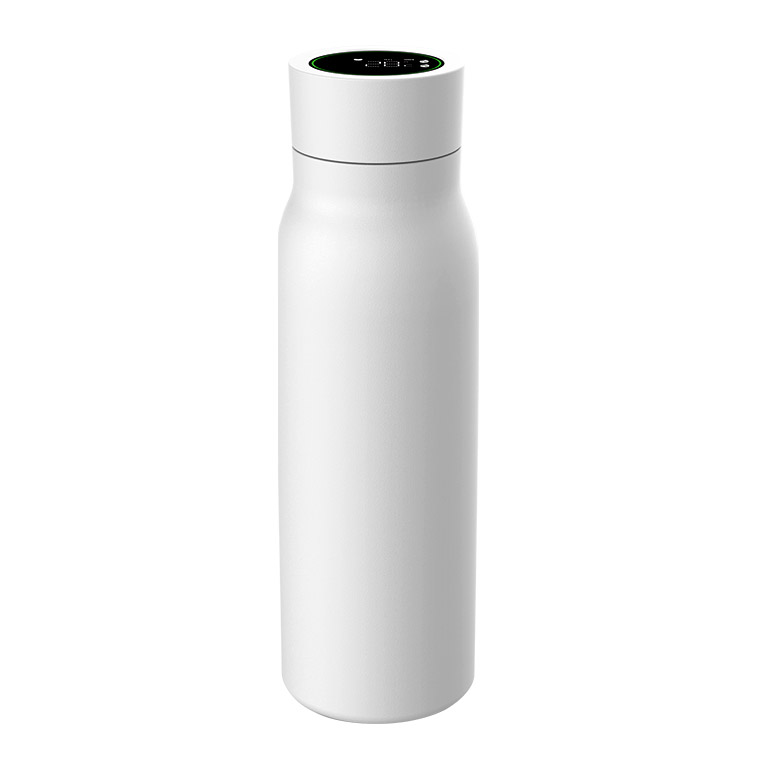
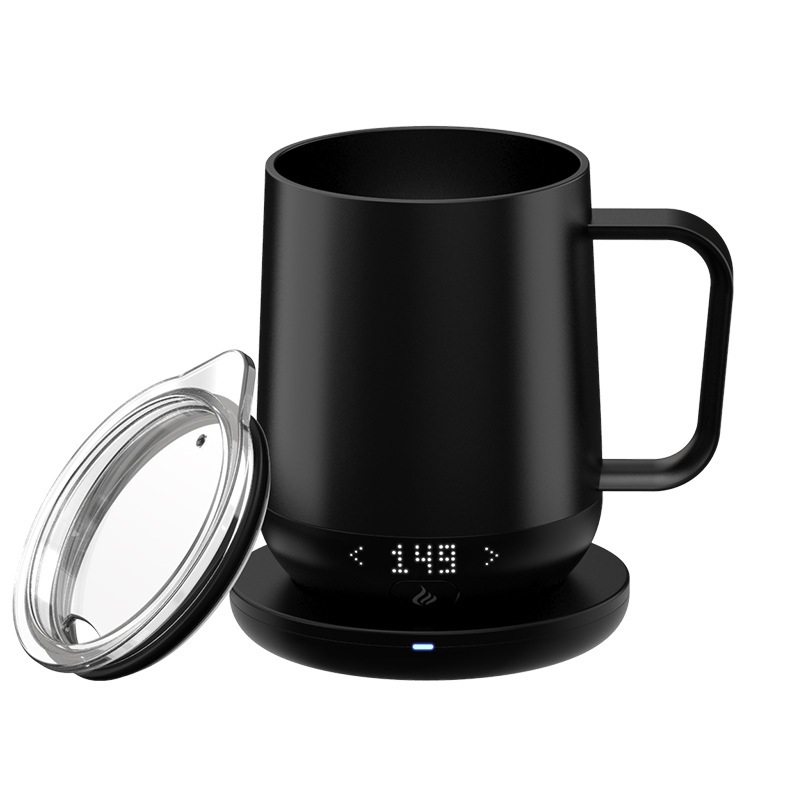
- Scale reminder: In our smart water bottle collection, we involve existing models with milliliter scale on the cup body, helping you intuitively track your daily water intake, getting rid of blind estimation.
- All-day temp retention: Vacuum insulation technology allows you to drink warm water in winter and keep ice drinks refreshing in summer, meeting different seasonal drinking preferences.
- Environmental responsibility: A stainless steel water bottle can avoid the waste of hundreds of disposable plastic bottles, which is a win-win investment in both personal expense and environmental health.
- High-quality materials and healthy coatings: A good reusable bottle should be made of high-quality food-grade materials (whether plastic or stainless steel) and should undergo appropriate surface treatment (such as surface passivation, ceramic coating, etc.) to minimize health risks.
3. Tips for Drinkware Maintenance
Even the safest materials require proper maintenance; otherwise, your carefully maintained drinking habit will turn into a health risk. We recommend:
- Before using a new product, thoroughly clean it with warm water and neutral detergent.
- When cleaning after use, avoid using hard abrasive cloths to wipe the inner wall, as it may damage the surface protective layer.
- For stainless steel bottles, if there are tea stains or water stains on the inner wall, you can soak them in a warm water solution of lemon acid or white vinegar to remove them easily.
- For plastic cups, it is recommended to replace them every 1-2 years, and for stainless steel ones, pay attention to checking the aging of the sealing parts.
Conclusion
Water is the most basic and indispensable nutrient for life. Scientific drinking is not a complicated task. It begins with understanding your body’s needs and is achieved through daily small efforts. Set up a phone reminder, place a water bottle you love and trust on your desk, and let regular hydration naturally become a part of your life.
From today on, don’t ignore the call of your body for water any longer. When you hold a cup made of safe and reliable material with thoughtful design in your hand, every sip of water will be your active choice for a healthy lifestyle. May we all draw the most lasting and vigorous vitality from this simplest daily routine. If you want more smart tips about water intake or drinkware maintainence, feel free to check our website. And if you’re interested in placing an order of our custom high quality water bottles, please contact us at sales@waterbottle.tech and our team will get back to you with a specified quotation tailored to your project within 24 hours.

Specializing in custom manufacturing, quality control and marketing of vacuum-insulated drinkware and coolers.