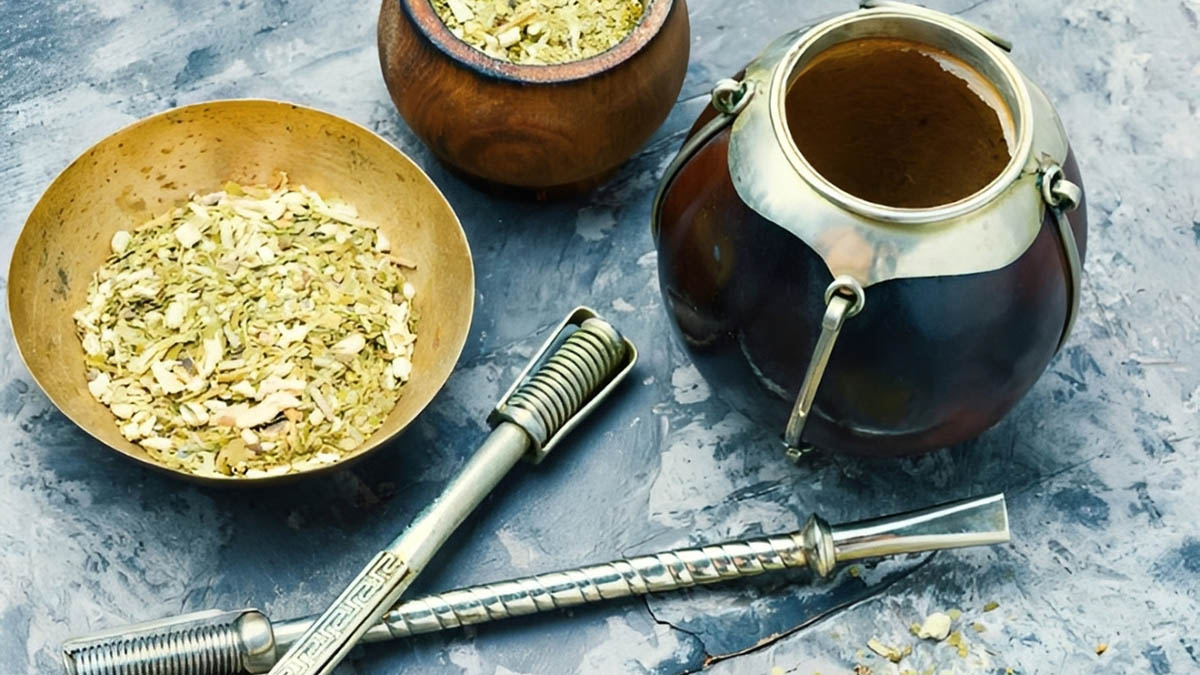
The consumption and sharing of yerba mate is a traditional ritual in South America. As the core carrier of the yerba mate experience, the cleaning and maintenance of the yerba mate cup is a discipline that involves materials science, plant chemistry, and hygiene management. The selection and maintenance of yerba mate cups directly determine the drinking experience, food safety, and service life. The materials used for them are diverse. Gourds and wood are examples of the more conventional Argentine ones; stainless steel, glass, ceramic, plastic, and silicone are examples of the more contemporary ones. The tannins, volatile oils, and minerals in the tea infusion cause different reactions in different materials. As a result, the particular cleaning techniques must also change depending on the various materials used to manufacture yerba mate. Traditional materials also require an additional step: curing, which modern materials do not require. This article will provide you with a categorized, detailed, and step-by-step maintenance guide based on material principles as a reference for tea enthusiasts.
The Evolution of the Materials Used for Yerba Mate Cups
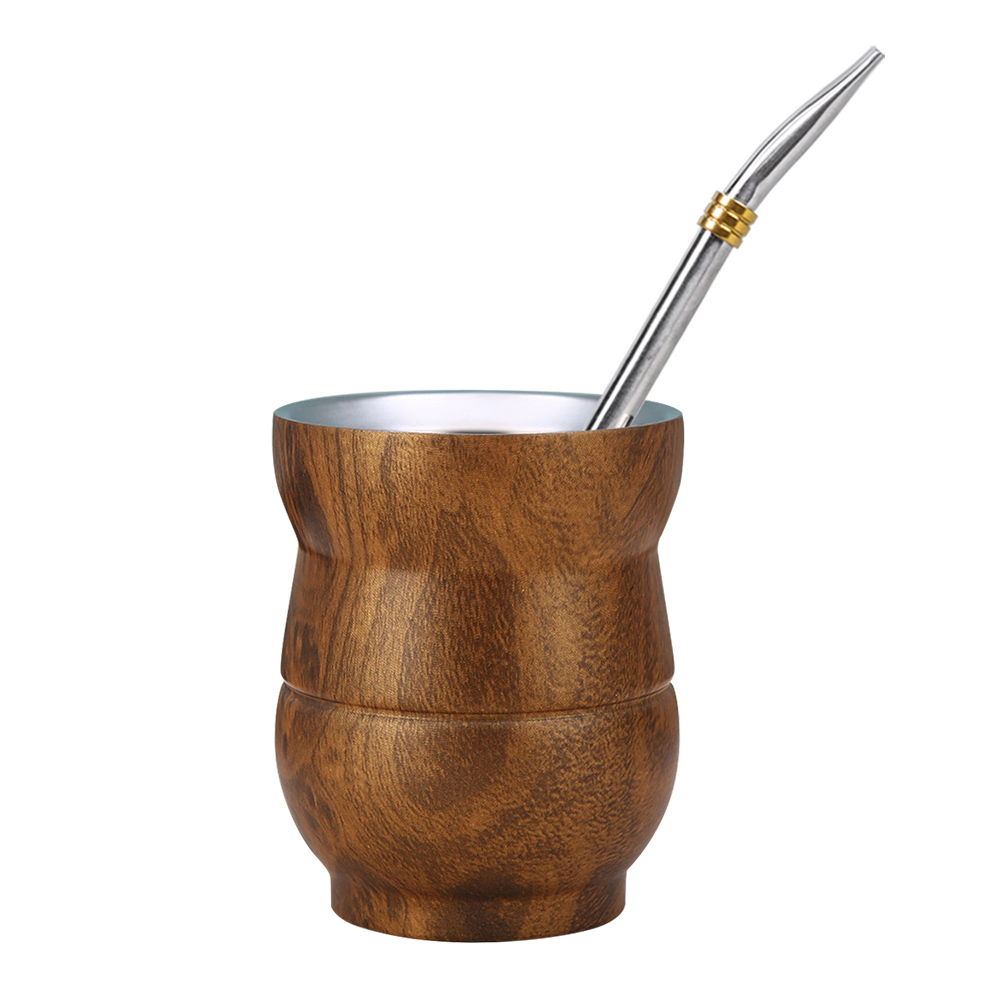
The history of the evolution of yerba mate cups is a reflection of humanity’s transition from utilizing natural resources to pursuing industrial precision. The Guaraní originally used dried, mature gourds (Lagenaria siceraria) as containers. The tea was thought to be able to “breathe” because of the natural material’s porosity, which allowed for very little air exchange between the cup and its surroundings. Hard woods like Palo Santo were preferred as techniques improved because of their natural aromatic hydrocarbons, which gave the drinking experience a multifaceted olfactory experience.
However, stainless steel, glass, silicone, and other inert materials have started to dominate the market due to contemporary hygiene standards and a fast-paced, convenient lifestyle. Natural materials are prone to mold and bacteria growth in humid environments, and in the modern fast-paced environment, cleaning raw materials such as gourds and wood is often overly cumbersome and frequent. Those inert materials, on the other hand, do not require such time-consuming maintenance and are more durable. Moreover, for drinkers who seek the original flavor of yerba tea and do not want the residual flavor of the container to interfere with the drinking experience, modern materials such as stainless steel can provide a consistently pure experience – the taste of the tea is exactly what it tastes like when consumed, without being affected by the cup wall – although more traditional drinkers may prefer a drinking experience with the flavor of the cup itself.
How to Care for Traditional Argentina Mate Gourds (Calabash and Wooden)
Natural material mate cups (commonly known as Calabash or Wooden Mate) have high water absorption and porosity. This means they not only absorb water but also the oils and chemicals in the tea, forming a “aged” flavor layer over time.
1. How to Cure a New Mate Cup
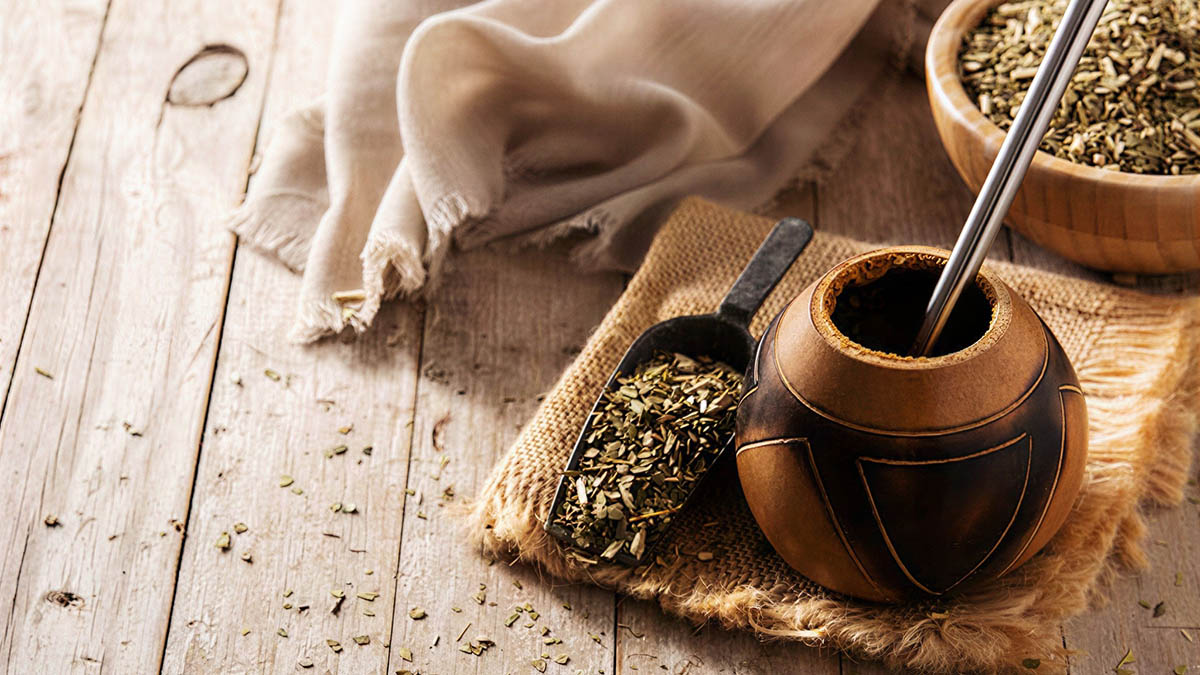
New gourd cups have a dry inner membrane (hollejo) that, if not treated, can make the tea extremely bitter and become a breeding ground for mold. The curing process essentially uses the tannins in mate tea to chemically modify and seal the plant fibers.
General Gourd Cup Curing Tutorial
- Initial warm water rinse: Gently rinse the interior with about 40°C warm water to remove dust and loose fibers. Do not use boiling water as it may cause the shell to crack.
- Soaking and filling: Place the tea bag (or tea residue) in the cup, filling it to three-quarters of the cup’s capacity. Then, pour about 80°C hot water up to the rim of the cup, keeping it moist and allowing it to stand for 24 hours. If the water is fully absorbed, add some more warm water.
- Physical scraping of inner membrane: Use a blunt-tipped spoon to gently scrape the softened inner membrane from the inside. This step requires patience until the inner wall presents a smooth, hard wooden structure.
- Repeat this process 2 to 3 times.
- Complete drying: Place the cup in a well-ventilated and sunny area to dry completely; be careful to avoid sudden and extreme temperature changes (which may cause the cup wall to crack).
How to Cure A Mate Cup to Make It Sweet?
If you prefer sweet mate tea, specially cured gourds for making sweet mate tea will bring you a purer and more mellow taste. Moreover, the taste will keep improving over time. Here is the traditional method:
- Rinse the gourd with warm water and then pat it dry.
- Add 1-2 teaspoons of sugar, cover the opening with your hand, and shake to evenly spread the sugar on the inner wall.
- Light up your grill or iron fire pit. Carefully insert two small pieces of charcoal into the gourd using pliers.
- Cover the opening with a cloth and gently shake until the charcoal fire goes out. This will cause the sugar to caramelize and allow the gourd wall to absorb the sweetness.
- Remove the charcoal fire. Let the mate tea cool down.
- Carry out according to the traditional maintenance cycle (24-hour yerba tea + water circulation).
The gourd used to make sweet mate tea is more carefully crafted than the one used for bitter mate tea. The key lies in handling the embers carefully and protecting the gourd skin from direct high heat or sugar erosion. If done properly, the inside of the gourd will emit a subtle sweetness, making each cup of sweet mate tea smoother, richer, and with a unique, exclusive flavor.
Note: Do not use the gourd cup used for drinking sweet yerba tea to brew the bitter tea, as this would damage the cup’s sweet-flavoured surface and sabotage your drinking experience.
2. How to Maintain and Care for Mate Gourds (Calabash, Algarrobo, Palo Santo or Other Hard Wood)
- Oil Penetration: Before first use, apply a thin layer of neutral edible oil (such as coconut oil) or butter to the inside. This fills the wood pores and enhances the fiber’s toughness.
- Gradual Moisture Absorption: Fill with wet tea residue and let it rest for 24 hours. As the wood expands with water, the oil acts as a buffer to prevent rapid expansion and cracking.
- Outer Coating: For some pricy high-end wooden cups, it is recommended to apply a thin layer of colorless shellac around the outer rim of the cup to reduce the impact of environmental humidity changes on the wood.
3. What Should I Do If There Is Mold In My Mate Cup?
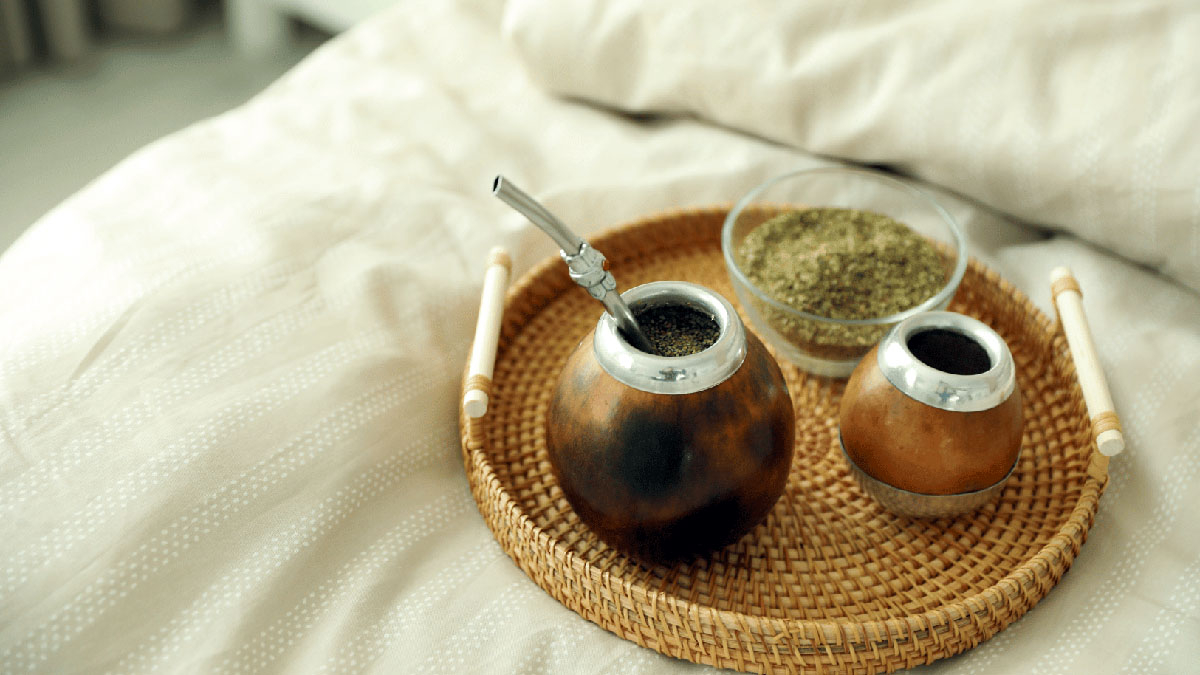
If natural materials are not thoroughly dried, black or white spots may appear.
- White, velvet-like mold usually forms due to high surface humidity and poor air circulation. This type of mold can be cleaned with a brush and hot water, then disinfected with alcohol and exposed to sunlight.
- Dark green/black penetrating mold. This type of mold occurs due to the long-term oxidation of tea polyphenols and deep mold infection. It is recommended to gently wipe it with hydrogen peroxide (for mild cases), and in severe cases, it is recommended to replace the cup directly as it is difficult to clean completely and poses a greater health risk.
Alcohol Burn Sterilization: For severe mold infestation, add a few drops of 70-90% ethanol into the cup, wipe the inner wall, and then carefully ignite it. The brief high temperature instantly carbonizes mold spores without damaging the deeper wooden structure.
Modern Material Mate Cup: Why Use a Stainless Steel Mate Cup?
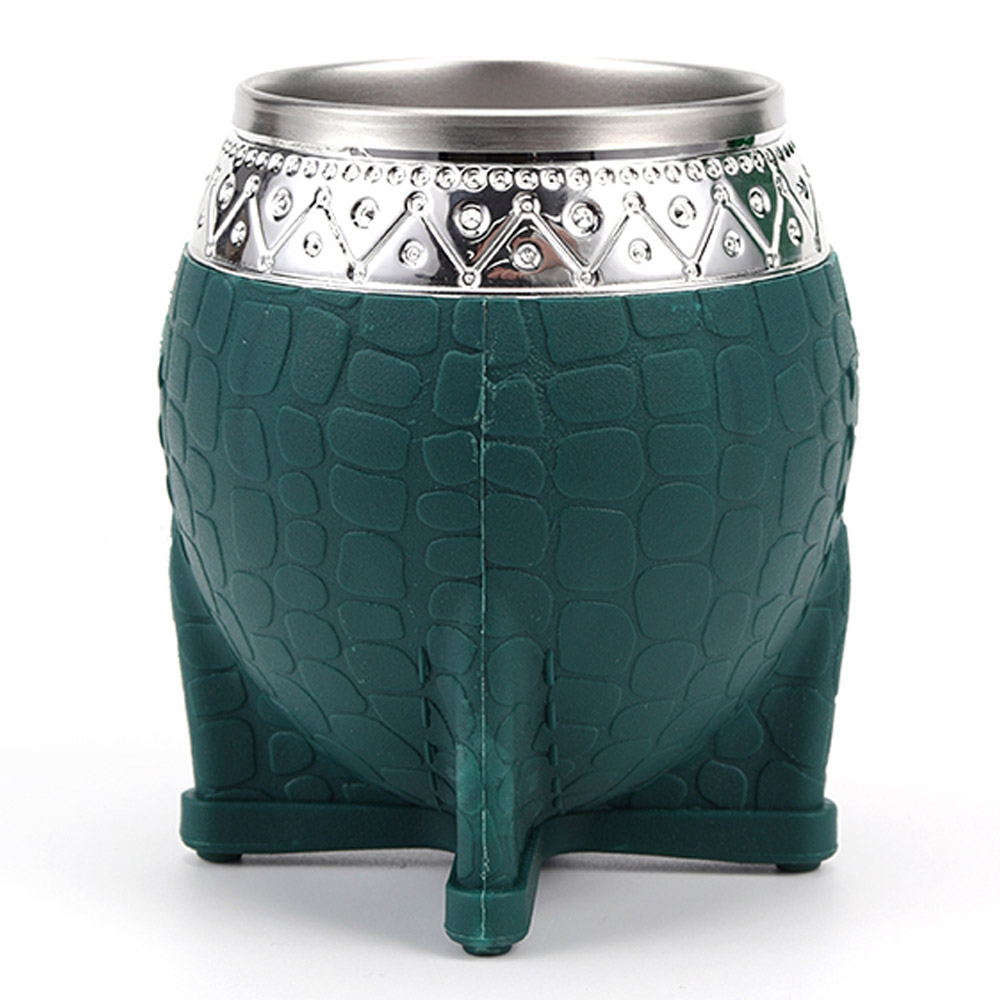
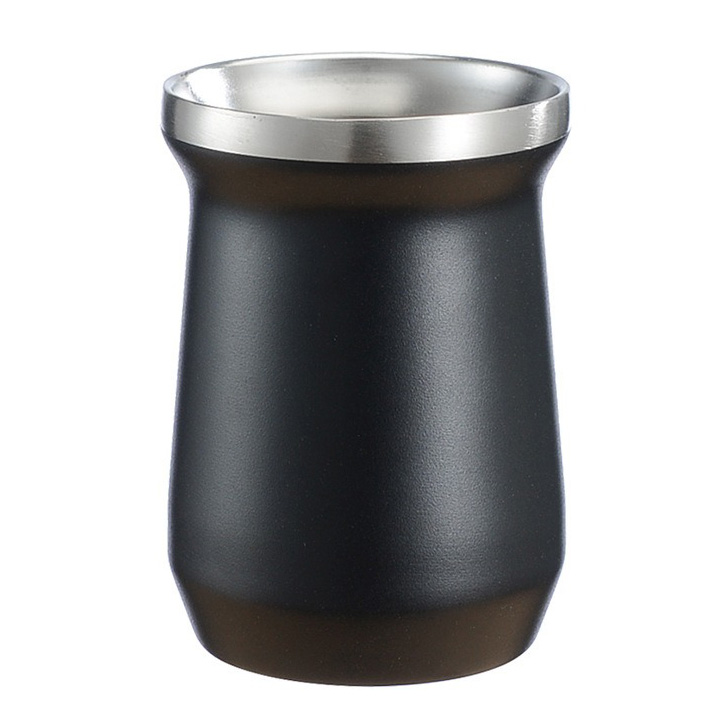
With the advancement of water cup manufacturing technology, stainless steel mate cups have become the main product in the market. The material science logic behind this is to provide a highly stable, hygienic, and maintenance-free solution for mass consumers of yerba mate tea.
1. Metallurgical Characteristics of 304 Stainless Steel
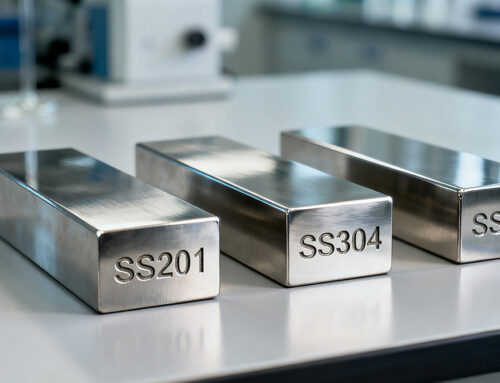
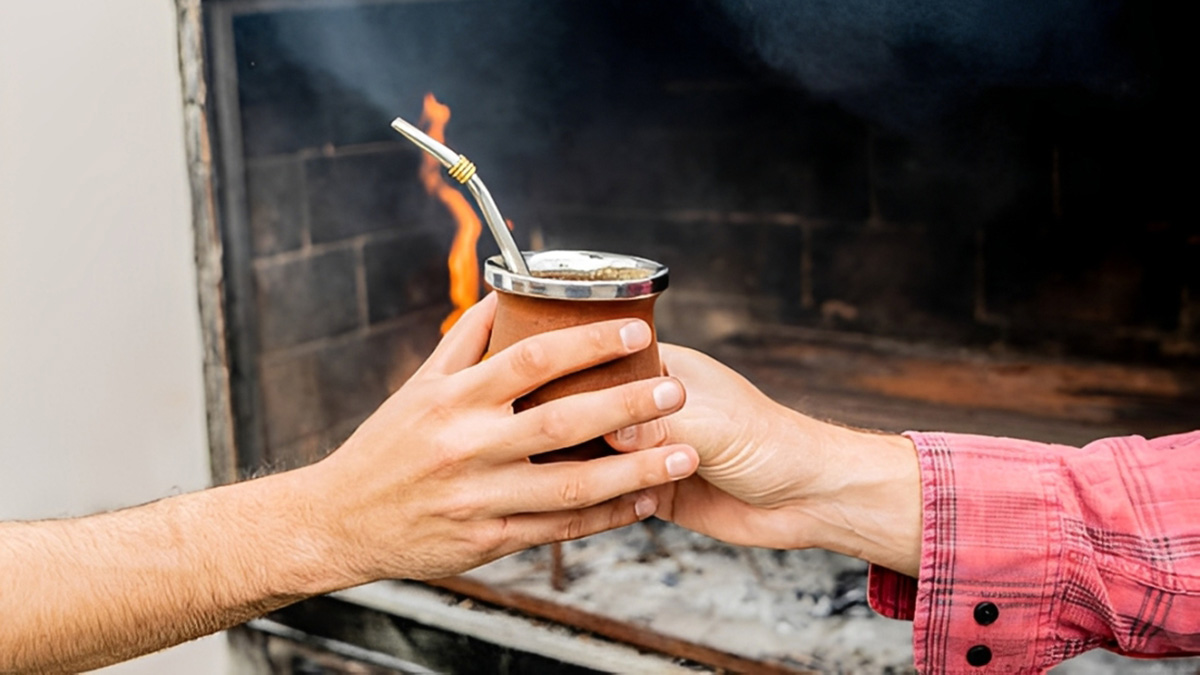
As an experienced water bottle manufacturer, we choose 304 stainless steel (18/8 stainless steel) for most standard projects, which contains 18% chromium and 8% nickel. This ratio ensures excellent corrosion resistance in the acidic environment of mate tea (pH approximately 5.27).
- Non-porous surface: Unlike gourds, stainless steel is dense at the microscopic level. This means it does not store bacteria and does not retain the taste of the previous infusion.
- Electropolishing process: High-quality stainless steel mate cups are usually treated with electropolishing. This process removes small protrusions on the metal surface through an electrochemical method, reducing the Ra (roughness) to below 0.4 μ The smooth surface significantly reduces the adhesion rate of biofilms.
- Passivation process: For the inner walls of drinkware, stainless steel is usually subjected to surface treatment. Passivation is the most basic treatment method, which forms an extremely thin protective film on the metal surface, enhancing the anti-corrosion and anti-rust properties while preventing metal ions from leaching into the beverage, ensuring safe consumption without any unpleasant metal taste.
2. Cleaning Tutorial for Stainless Steel Mate Cups (both Daily & Deep)
The advantage of stainless steel mate cups lies in their tolerance to cleaning agents and the robustness of their physical structure.
How to Daily Clean Stainless Steel Mate Cups?
The cleaning process and principle of the stainless steel yerba tea cup are not fundamentally different from those of other stainless steel insulated cups. Even more, because the type of beverage being brewed is relatively simple (weakly acidic yerba tea) and is milder, unlike regular insulated cups which are often used for a various beverages (such as milk, juice, carbonated beverages, etc.), the situation is relatively simpler.
- Immediate emptying: After drinking, immediately use the end of the bombilla to scrape out the tea residue.
- Flush with warm water: Rinse the inner wall with running water. Due to the smooth and gap-free surface of stainless steel, most residues can be easily removed.
- Dry with a microfiber cloth: To prevent mineral deposits from forming, it is recommended to dry the inner wall with a microfiber cloth to maintain a mirror-like shine.
How to Deep Clean Stainless Steel Mate Cups (for Accumulated Tea Stains)?
Mate tea is rich in tannic acid, and long-term use may form a brown deposit on the steel surface. Unlike the tea stains on traditional gourds, these stains do not “breathe” with the gourd or wood walls, or adding a natural flavor to your tea, and they tend to deteriorate over time. Thus it is recommended to remove them.
- Baking soda and vinegar reaction: Add a spoonful of baking soda (sodium bicarbonate, NaHCO3) to the cup and add a few drops of white vinegar. The carbon dioxide bubbles produced can effectively remove the tightly adhered tannic acid layer.
- Lemon acid immersion: If there is hard water sediment, soak in a 5% concentration of lemon acid solution for 15 minutes, then rinse. Lemon acid can remove mineral spots on the metal surface through chelation.
- Precautions: Do not use steel wool or strong alkaline bleaches (such as sodium hypochlorite). Hard steel wool and strong alkali may damage the passivation layer (Cr2O3) on the surface of stainless steel, reducing its rust and corrosion resistance and causing the release of trace metal ions.
Glass, Silicone and Plastic Yerba Tea Cups
Although stainless steel dominates the market, other materials such as glass, silicone and plastic are also popular.
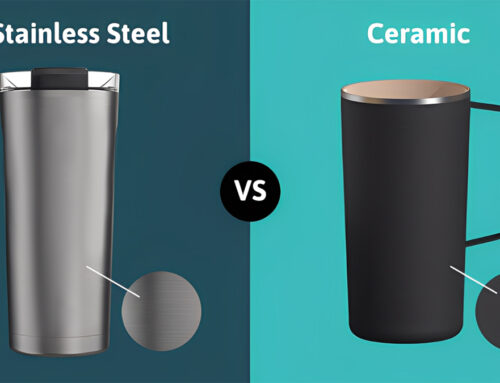
1. Glass and Ceramic Yerba Mate Cups
These two types of yerba mate cups are considered the most neutral in terms of taste, but they also have some drawbacks, such as being prone to cracking due to thermal expansion and contraction, poor insulation, and causing the cup wall to become too cold or too hot due to heat conduction, making them unsuitable for prolonged holding.
- Maintenance tips: Glass has extremely high thermal expansion sensitivity. Before adding hot water, it is recommended to preheat the cup with warm water to prevent cracking caused by thermal shock.
- Cleaning: They can be cleaned in a dishwasher, but it is necessary to place them stably to avoid colliding with other utensils.
2. Portable & Durable Silicone Yerba Mate Cups
Silicone cups are highly favored by outdoor travelers because they do not break and are extremely lightweight.
- Drawbacks: Silicone has a certain molecular permeability. After prolonged contact with tea soup, it may cause staining, and there may be some strange silicone taste after adding boiling tea soup, affecting the drinking experience.
- Cleaning: They can withstand high-temperature boiling for disinfection. However, alcohol-based cleaning agents should be avoided as they may cause the surface of the material to become sticky or brittle.
3. Plastic Yerba Tea Cups
Plastic mate cups are usually used for one-time use or for cost-restrictive solutions. Two reasons. Firstly, the surface of plastic is prone to minor scratches, becoming a breeding ground for bacteria. Additionally, in high temperatures, low-quality plastic may release chemicals such as bisphenol A, affecting users’ health conditions.
How to Clean and Maintain the Bombilla Straw
The Bombilla is the most prone to biological contamination as it has numerous edges and corners, and a filter screen that is difficult to clean. Once the straw is contaminated, it will directly affect the drinking experience – perhaps more so than the cup itself.
Due to the narrow internal space of the straw, fine tea powder and saliva will combine here to form a sticky organic accumulation.
- Daily Maintenance: After each use, rinse the straw with clean water. If there is residue or blockage in the filter screen, immerse the straw in water and blow air from the nozzle, or use a fine brush to gently clean the filtering area; for very stubborn stains, carefully use a needle or a large-headed pin to pierce the filter holes to loosen the blockage, but be gentle to avoid damaging the filter screen.
- Deep Maintenance (about once a month):
- Prepare a small pot and fill it with cold water.
- Add two teaspoons of sodium bicarbonate.
- Place the straw in it and boil for 20-30 minutes. You will see the water gradually turn dark green or black, which is a sign that the aged residues inside the tube are being dissolved.
- Use a long brush (toothbrush) to thoroughly brush away the loose deposits on the tube body.
Hygiene Comparison between Stainless Steel and Natural Material Yerba Mate Cups
- Bacterial Retention
Based on the study of the bacterial colonization rate of tableware materials, the surface energy and porosity of the materials are the key factors for affecting the cup hygiene.
| Performance Metric | Calabash / Gourd Material | 304 Stainless Steel |
| Surface Roughness (Ra) | >10 μm | <0.4 μm |
| Water Absorption Rate | High (can absorb up to 20% of its weight in water) | None |
| Bacterial Removal Rate (via soap washing) | Low (bacteria can penetrate up to 3mm into the fibers) | High (non-porous, smooth material; surface biofilm is easily removed) |
| Mold Risk | Very High (risk exists when ambient humidity >60%) | Zero |
| Thermal Insulation Performance | Poor (no vacuum layer) | Excellent (double-wall vacuum insulation maintains temperature for 4+ hours) |
The data indicate that although the tannins in wood have a weak natural antibacterial property, in an environment such as the madera tea cups where there is frequent moisture and accumulation of organic matter, the physical resistance of stainless steel is far more effective than the chemical resistance of wood.
- The Influence of Yerba Tea pH Value on Material Properties
Yerba tea is slightly acidic (pH 5.2-5.7), and prolonged contact of the tea cup with acidic substances will accelerate the aging of the material.
- For gourds/wood: The acidic environment is conducive to the further softening of lignin, but it also accelerates the decomposition of organic matter.
- For stainless steel: Molybdenum (with a higher content in 316) in 304 steel specifically resists acid pitting. Studies show that even in an environment with a pH of 3, the corrosion rate of 316 steel is 66% lower than that of ordinary steel. For a liquid with a pH of around 5 like yerba tea, high-grade stainless steel can ensure no visible pitting for several decades.
Conclusion
First and foremost, it is indisputable that traditional cylindrical and wooden yerba tea cups can create an irreplaceable sense of ceremony, and their flavors gradually become more diverse as the usage time increases, not limited to the original taste of the tea. However, the maintenance and care process required for them, as well as the extremely strict drying standards (such as strictly prohibiting upside-down usage, requiring sunlight exposure, and needing regular oiling), make them more suitable for seasoned enthusiasts who have ample leisure time.
As a manufacturer of reusable eco-friendly mugs & tumblers, we recommend stainless steel yerba tea mate cups as the preferred product for the general public yerba tea lovers and travelers. It not only eliminates the complex curing process but also fundamentally solves the problems of mold growth and residual odors, making it more suitable for modern people who enjoy the pure flavor of yerba tea and don’t have much spare time for maintaining the tea cups. Its vacuum layer structure can effectively lock in the optimal extraction temperature of Maide tea between 75°C and 85°C, providing a more stable taste experience, and offers a gentle temperature sensation, suitable for long-term holding in any situation.
However, no matter which cup you choose, cleaning the tea residue in time remains the first rule for maintaining hygiene. Investing in a high-quality stainless steel yerba mate cup and regularly boiling and disinfecting it, as long as the accessories, will yield much greater benefits than frequently changing from cup to cups.
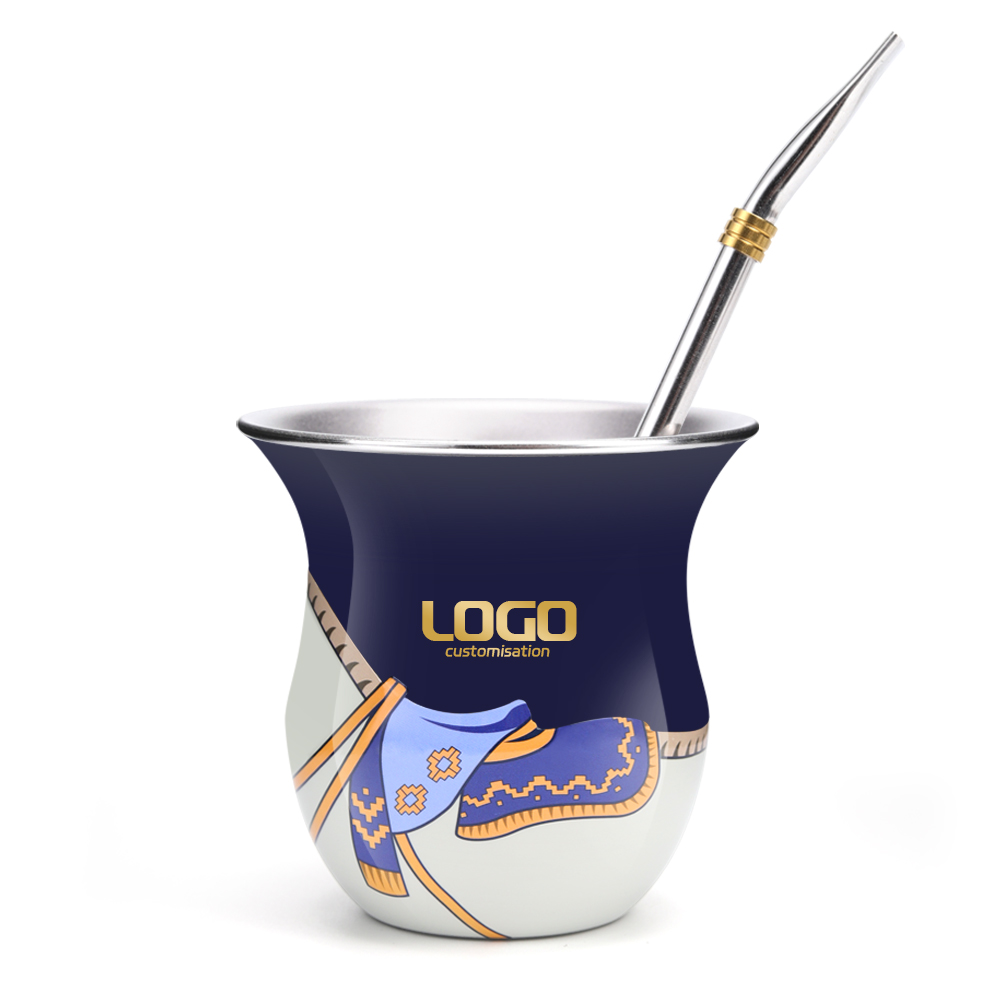
For modern yerba tea drinkers, choosing a precisely manufactured, electrolytic polished, and passivated 304/316 stainless steel cup is the optimal solution to ensure the pure flavor of yerba tea, balancing traditional culture with modern hygiene standards. As the original manufacturer of stainless steel yerba tea cups, we recommend our carefully crafted traditional gourd-shaped tea cups, which are made of stainless steel to ensure high-performance properties such as corrosion resistance, rust prevention, and insulation, while using coating or powder spraying techniques to give the cup surface a retro and luxurious look. We can offer flexible minimum order quantities, a wide range of custom manufacturing options, and a lower unit price. You can contact us at any time via email: sales@waterbottle.tech or leave online message. We will provide you with a detailed quote after carefully evaluating the details of your project.
Order Custom Water Bottles & Tumblers
Get competitive price and premium custom drinkware from KingStar — Short lead time, door-to-door global shipping, strong Engineering support!