
Custom Wholesale Yerba Mate Cups Sourcing Guide for Bulk Buyers
It is not easy to find a reliable manufacturer of yerba mate cups. The quality of stainless steel materials, thermal insulation performance, leak-proof structure, and uneven surface technology will directly determine the success of your bulk purchase.
We have compiled detailed reference materials, explaining the material standard, coating durability, sample verification process, and common hidden risks of suppliers. Whether you are replenishing retail goods, building a brand or purchasing corporate gifts, these guides can help you efficiently screen manufacturers, avoid the high cost of stepping on the pit, and take the initiative in purchasing negotiations.
Need to create a customized solution for your project? You may wish to continue to browse the relevant guides and contact us at any time for professional assistance.
Bulk Mate Cup Sourcing: Materials, Quality and Market Readiness

Yerba Mate Culture 101: Where It Comes From and Why a Dedicated Mate Cup Matters
From Argentine football superstar Lionel Messi to Silicon Valley
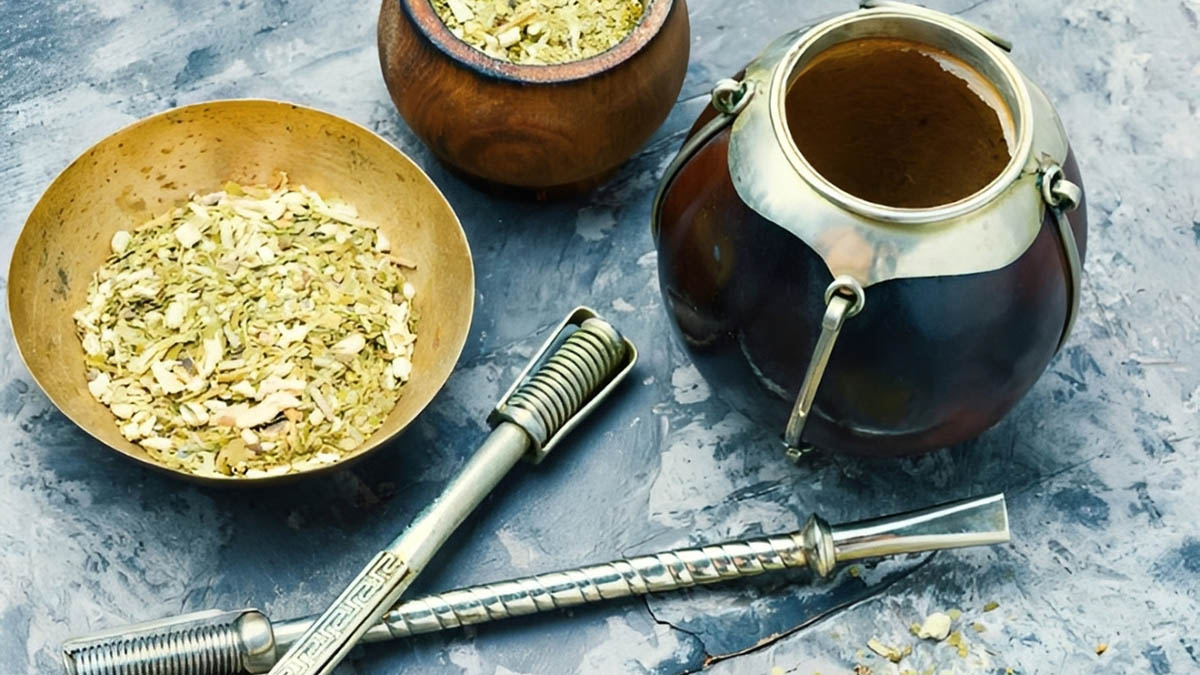
Yerba Mate Cup Cleaning & Care Guide: How to Maintain Flavor and Extend Cup Lifespan
The consumption and sharing of yerba mate is a
What You Can Learn From These Yerba Mate Cups Sourcing Guides

In-depth understanding of South yerba mate’s long-standing tradition. Familiar with local tea drinking customs and social etiquette, and understand why the special yerba mate cups can lock the tea fragrance. Only by understanding these cultural backgrounds can you accurately grasp the market demand and create products that meet the preferences of local consumers.

Compare the advantages and disadvantages of stainless steel, ceramics, and other materials of yerba mate cups, and find out what effects different raw materials will have when they come into contact with yerba mate infusion. Learn to verify the food safety-related certification and avoid the safety hazards caused by inferior materials in the production of bulk goods from the source.

Explore the ergonomic cup shapes tailored for yerba mate brewing. The internal curve, opening size and bottom capacity all affect the flow of tea. Master how to match cups with bombilla straws to reduce leaf clogging, optimise the taste experience and avoid common design flaws in finished products.

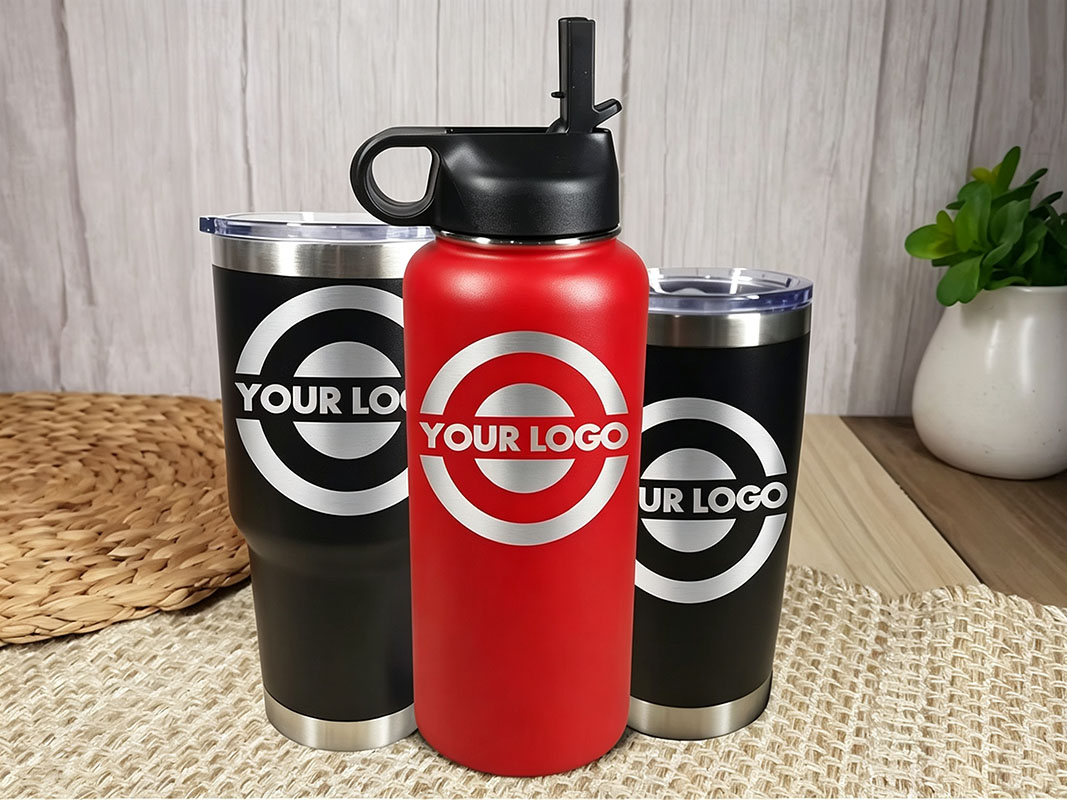
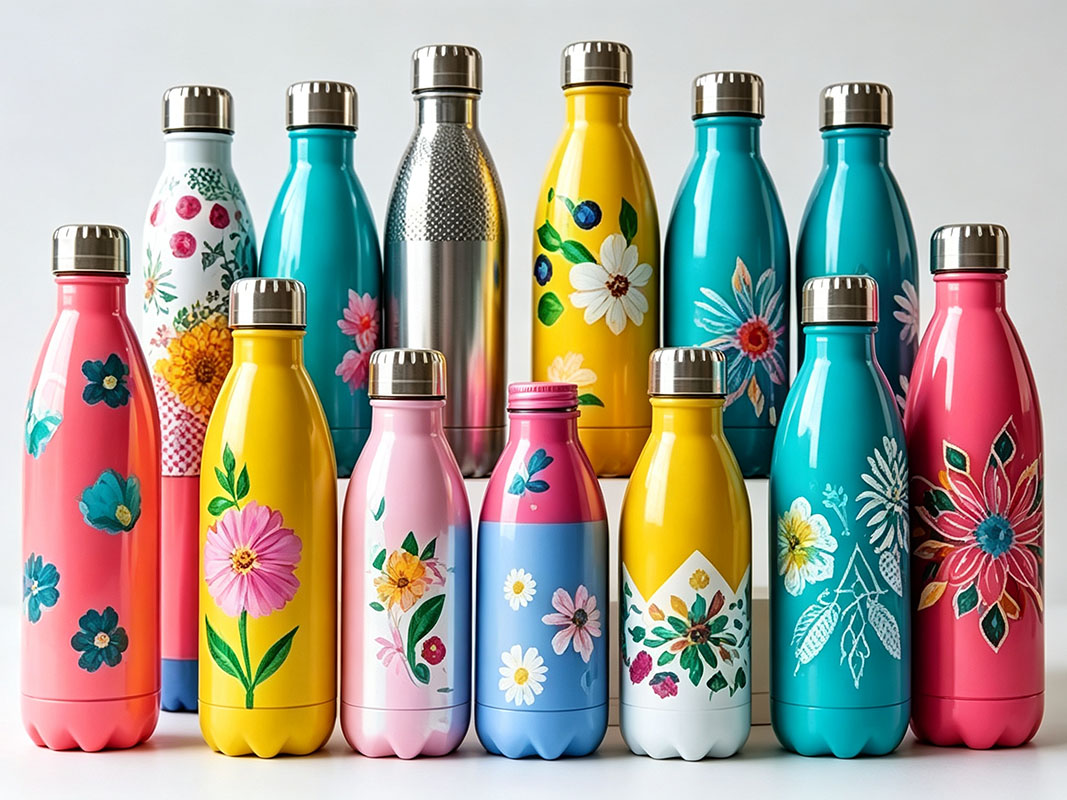
There are various surface treatment processes, such as coating, polishing, and texture finishes, evaluating their durability against frequent hot liquid use. So it’s important to find a more stable LOGO customization solution. At the same time, master practical maintenance knowledge, which is convenient to guide B2B buyers to maintain cups and prevent tea dirt residue and odor.

Establish a complete sample inspection standard before mass production, and learn to identify all kinds of signals from unreliable factories in advance. It covers practical contents such as quantity negotiation, delivery control, batch quality control, etc., to help you avoid procurement problems such as delayed delivery, uneven quality, and extra hidden expenses.
KingStar Custom Service
Manufacturing Essentials—From Materials to Production
Material Guide
Kingstar can provide a variety of BPA‑free materials that meet FDA, LFGB, and California Prop 65 standards.
- Stainless Steel: SS304 (food-grade, corrosion-resistant) for inner/outer walls; SS316 (medical-grade, superior acid/heat resistance) for premium applications; SS201 for outer walls only.
- Plastics: PP (heat-resistant, high strength), Tritan (BPA-free, transparent, impact-resistant), PPSU (heat-resistant to 207°C, ideal for baby bottles), and recycled ocean plastic for eco-friendly options. PC contains BPA and is not recommended.
- Other Materials: Titanium for premium/medical use. Silicone for gaskets, straps, and collapsible bottles.
- Auxiliary Materials: Copper plating and aluminum foil enhance insulation. The getter removes residual air between double walls for vacuum performance.
KingStar helps you select the right material based on product needs, target market, and budget.
Standard 500ml double‑layer 304 stainless steel insulated cup with basic paint finish and single‑color silk‑screened logo. China FOB price reference:
3,000‑piece MOQ: $4.40‑$5.00;
10,000‑piece MOQ: $4.60‑$4.80;
30,000+‑piece orders: $2.80‑$3.50.
Main price‑driving factors:
Steel grade (304 vs 316 has notable gaps), order volume and surface treatment. Paint adds $0.15 per unit; powder coating adds $0.50. Complex lids cost an extra $0.50‑$1.50.
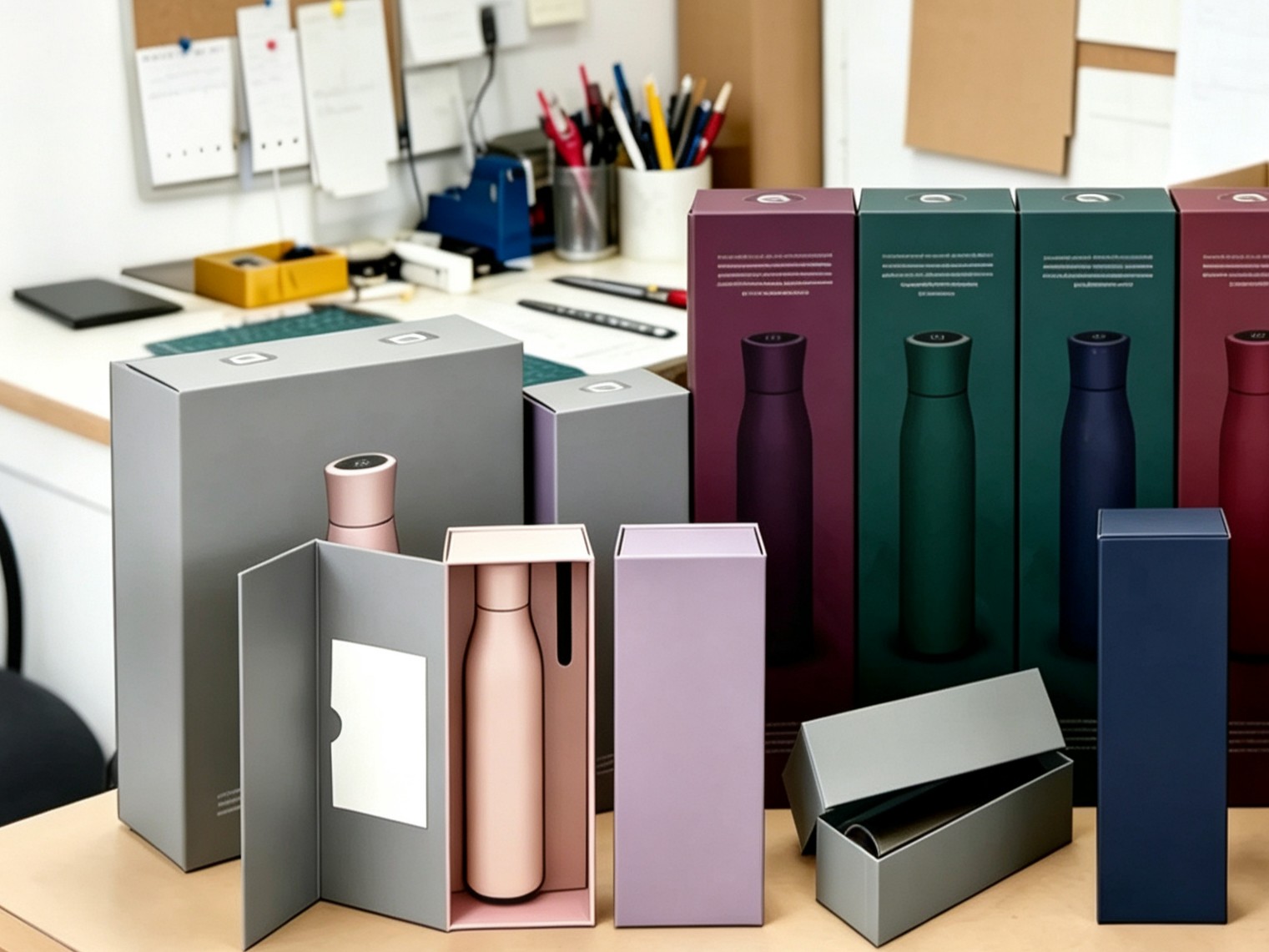
Other surcharges: copper plating +$0.20; stretching process +$0.60 vs water‑expansion; packaging $0.08‑$0.80. Logo options: silk‑screen from $0.03, laser engraving from $0.05. Shipping varies by sea, rail, air or express. Widely used for coffee, tea and drinks, these vacuum cups hold heat 12h and cold 24h. As the industry standard, 304 stainless steel costs $0.30‑$0.45 per cup in raw materials.
Vacuum Flask Design Guide
When designing double‑layer vacuum insulated water bottles, far more considerations apply than for single‑layer versions. The vacuum layer between inner and outer walls raises manufacturing difficulty, and many initial designs cannot be produced.
Core Design Principles
- Cup Wall Gap: Maintain ≥2 mm (ideal 3 mm) body clearance and 8‑10 mm at the bottom to avoid vacuum‑induced deformation.
- Thread Specifications: Thread height ≤1.0 mm (0.5‑0.9 mm recommended); pitch ≥3 mm (ideal 4‑5 mm). Thread rolling cannot support very fine‑pitch designs.
- Shape Restrictions: Round bodies deliver best compression resistance, like arch bridges. While KingStar offers square cups, large sizes need thicker walls, raising cost and weight.
- Insulation Tips: Narrow the mouth diameter; add copper‑plating or aluminum foil lining; opt for larger capacities. Vacuum ports are generally centered on the cup bottom.
Manufacturing Process
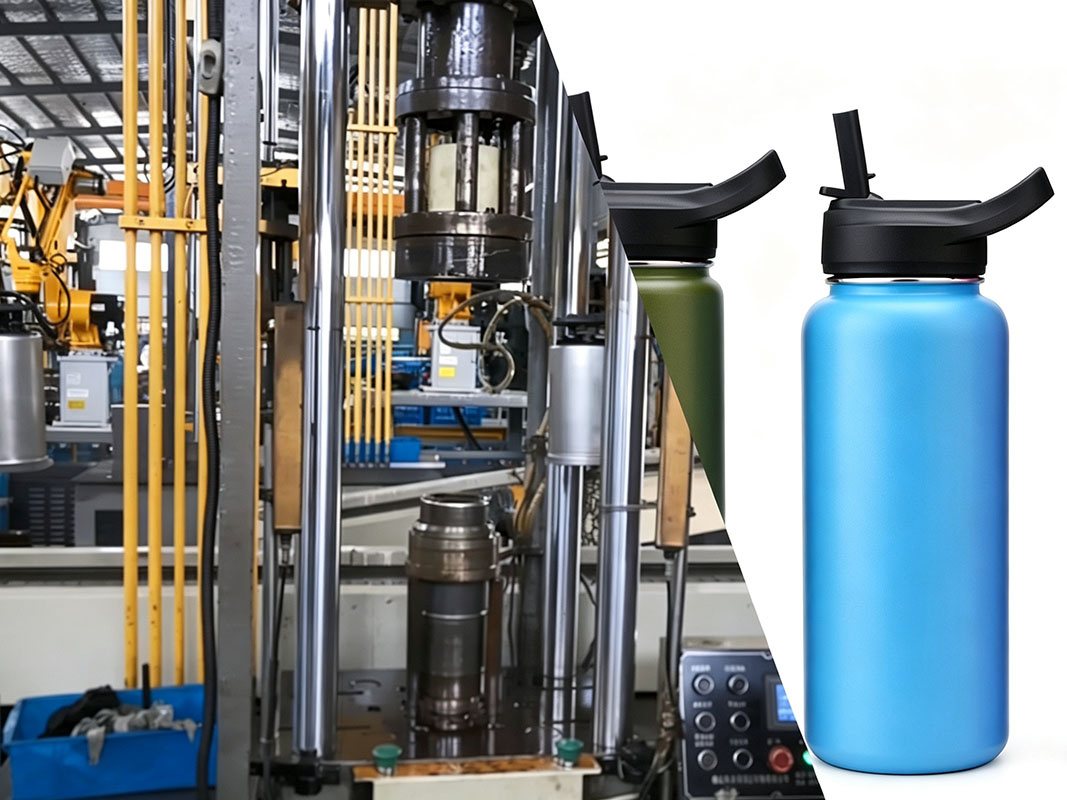
The manufacturing process transforms raw stainless steel into insulated bottles through two parallel production lines—one for the outer bottle and one for the inner bottle—before assembling them into a double-wall vacuum structure.
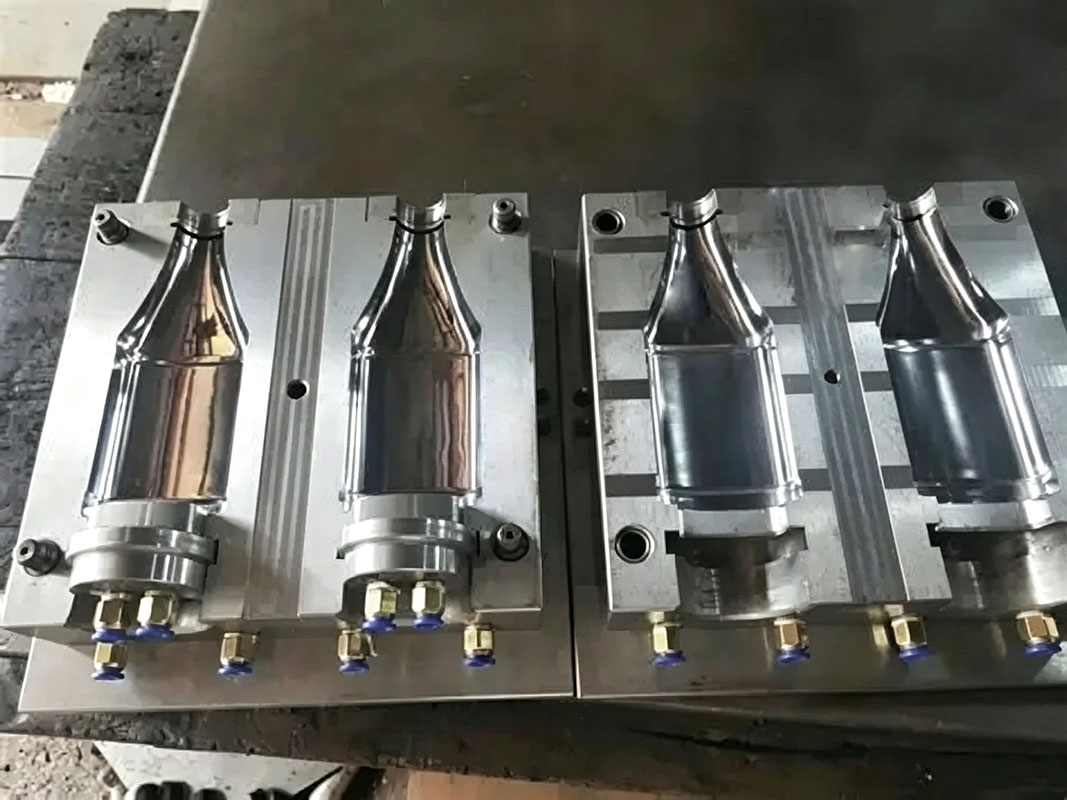
- Outer Bottle Production: Raw stainless steel pipes are cut to length, then shaped via water expansion (hydroforming) or stretch forming (deep drawing). The formed bottle undergoes separating, shaping, necking, thread rolling, cleaning, and inspection.
- Inner Bottle Production: Follows the same steps as the outer bottle, but typically requires no threading.
- Assembly & Vacuuming: The inner and outer bottles are assembled with a 2–3mm gap, then welded at the mouth and bottom. A vacuum is created between the walls to eliminate heat conduction and convection. High vacuum levels deliver 12–24+ hours of temperature retention.
- Finishing: The bottle undergoes electrolytic and mechanical polishing, followed by external coating (powder coating, spray painting, or electroplating) and logo printing (screen printing, thermal transfer, laser etching, etc.). Final insulation testing and packing complete the process.
- Quality Focus: Precision welding, stable vacuum technology, and strict material compliance (304/316 food-grade stainless steel, BPA-free plastics) are critical for consistent quality. Buyers should evaluate factories on vacuum consistency, welding precision, and adherence to standards like GB/T 29606-2026.