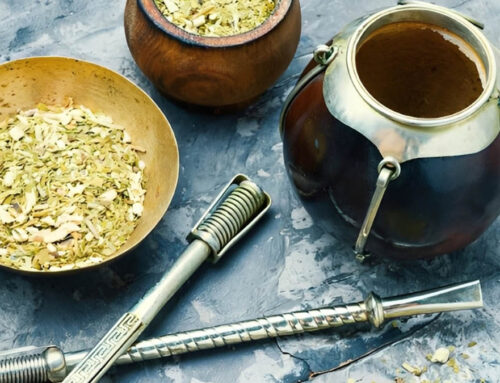

From Argentine football superstar Lionel Messi to Silicon Valley programmers, and from the beaches of Brazil to the cafes of New York, an ancient South American beverage is sparking a new global trend: drinking Yerba Mate. The specialized vessel used to enjoy this drink is known as the Mate Gourd.
In this detailed guide, we will lead you to explore all aspects of mate tea culture, including its historical origin, cultural connotation, different types of tea leaves, a detailed brewing guide, and the selection of mate cups. Whether you are a beginner just getting to know mate tea, a lover hoping to deeply understand its cultural connotation, or a consumer looking for a quality mate cup, this article will provide you with comprehensive and professional guidance.
What is Yerba Mate?
From a botanical perspective, it is a tea drink made from the dried leaves and tender branches of the plant Ilex paraguariensis. Its scientific name is Ilex paraguariensis, named by the French botanist Auguste François César Prouvençal de Saint-Hilaire. It is renowned for its rich, smooth, and slightly bitter flavor, and can provide a stimulating effect similar to coffee, but with a more balanced and gentle energy. It is typically consumed in social settings using metal straws (bombilla) and gourd cups (mate).
The Historical Origins of Yerba Mate
Yerba Mate’s origins are deeply ingrained in South America’s Atlantic Forest regions, which include the borderlands of modern-day Paraguay, Brazil, and Argentina. Yerba Mate is revered as a “gift from the gods” and a plant of divine quality, and it is widely acknowledged that the Guarani people, the original indigenous inhabitants of this land, were the first to discover and use it. It is thought that the Guarani language is where the word “mate” originated, meaning “herb” or “plant.”
The relationship between the Guarani and Yerba Mate was not merely practical, but spiritual. To the Guarani, Yerba Mate was more than just a beverage to provide energy and suppress hunger; it was a sacred gift and a medium connecting humanity with nature and the divine realm. This sanctity is reflected in the many legends surrounding the origins of Yerba Mate, the most famous of which is the beautiful story of the Goddess of the Moon and the Goddess of the Clouds. Although several variations of this legend have emerged over time, the core elements remain consistent: the Cloud Goddess (Araí) and the divine Moon Goddess (also known as Yasi, Yací, or just the “Moon Goddess”) came to earth, faced peril, and were saved by a good-hearted Guarani man. They gave humanity the sacred Yerba Mate plant as a token of appreciation. In addition to teaching him how to plant, harvest, and prepare this sacred brew, the two goddesses told him that the leaves of this plant could be used to make a drink that dispels fatigue, brings joy, and encourages sharing and unity among people.
How to Share Mate Tea?
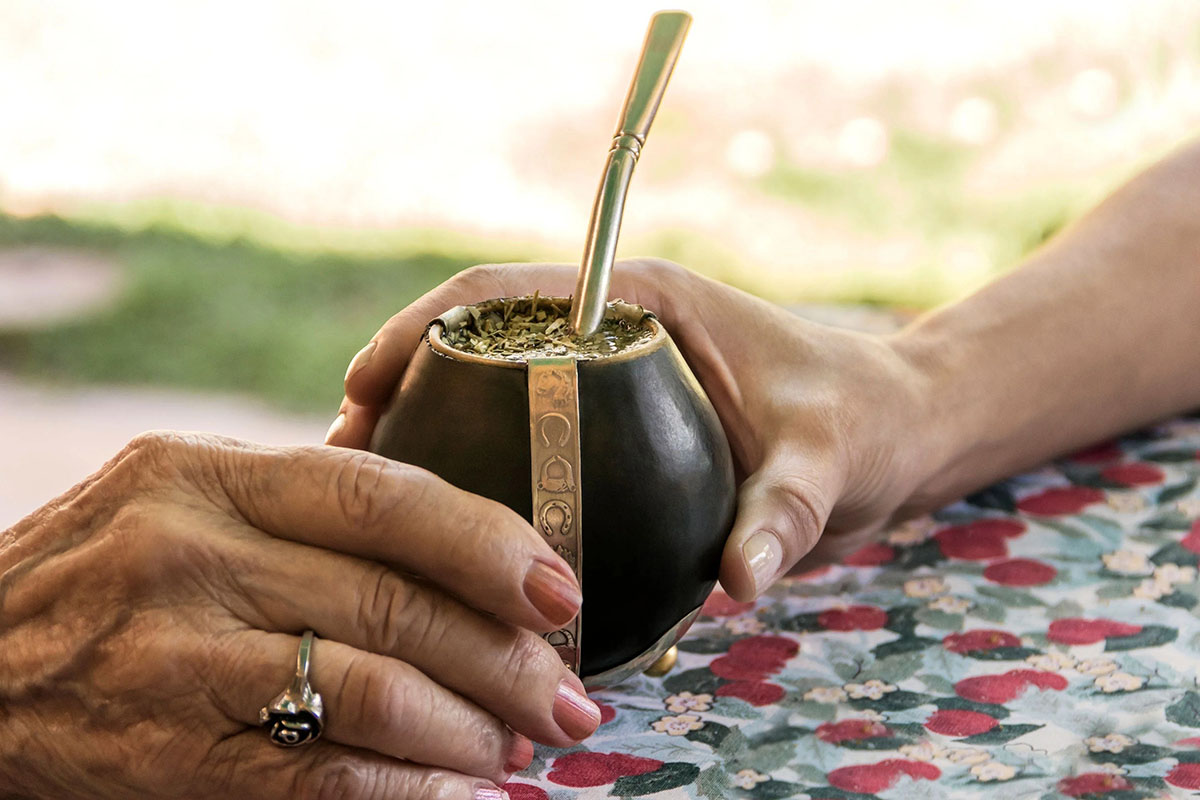
Traditionally, mate is shared by passing a single mate cup and a straw around to everyone present. Each person takes the cup from the previous person, sips, and then returns it, waiting for their next turn. This kind of ceremony might sound a bit strange at first, but once you have experienced it yourself, you will find it very enjoyable.
In the social ritual of mate-sharing, there is a key role known as the “cebador”, who is responsible for preparing and maintaining the mate. The cebador’s duties include: preparing the mate, pouring the first cup (usually for themselves, as the first cup is often relatively strong in flavour), passing the cup around to the participants in turn, continuously adding hot water to keep the drinking going, and observing and responding to the needs of each participant. The cebador needs to have extensive experience and acute observation skills to ensure that each participant enjoys the best mate experience.
Whether in the countryside or the city, whether in the wealthy area or the slum, the way of sharing mate tea is the same. A cup of mate tea is passed from person to person, regardless of social status. This equal sharing model is particularly precious in a highly stratified society; when people sit together to share mate tea, they naturally start to talk, deepening their connection. Through jointly participating in the mate tea ceremony, people can feel a sense of belonging and form a sense of community identity.
The Symbolic Meaning of Yerba Mate
- Hospitality: In South America, serving mate tea to guests is one of the highest forms of hospitality. When an important guest arrives, the host will immediately prepare mate tea and invite the guest to join in the sharing.
- Patience: The process of brewing and drinking mate tea requires patience. From tea brewing to delivery to sharing, from sipping to conversation, every step takes time and cannot be rushed. It teaches people to slow down and enjoy every moment in the present.
- The art of conversation: Mate tea creates space and rhythm for conversation. When people share mate tea, they naturally start to talk. This kind of conversation, whether it is a daily chat or an in-depth communication of personal values, is different from hurried information exchange in the coffee shop or tea room in an company. It is deep and of high quality.
What Are Main Types of Yerba Mate?
For someone encountering Yerba Mate for the first time, walking into the mate section of a South American supermarket can be confusing—shelves are lined with various brands and products, their packaging covered in dizzying terminology. However, understanding the differences between types of Yerba Mate is not as complex as it seems. Yerba Mate can be categorized based on several key dimensions: the presence of stems, the drying method, and regional style differences.
Stemmed vs. Despalada: Regional Styles of Argentina and Uruguay
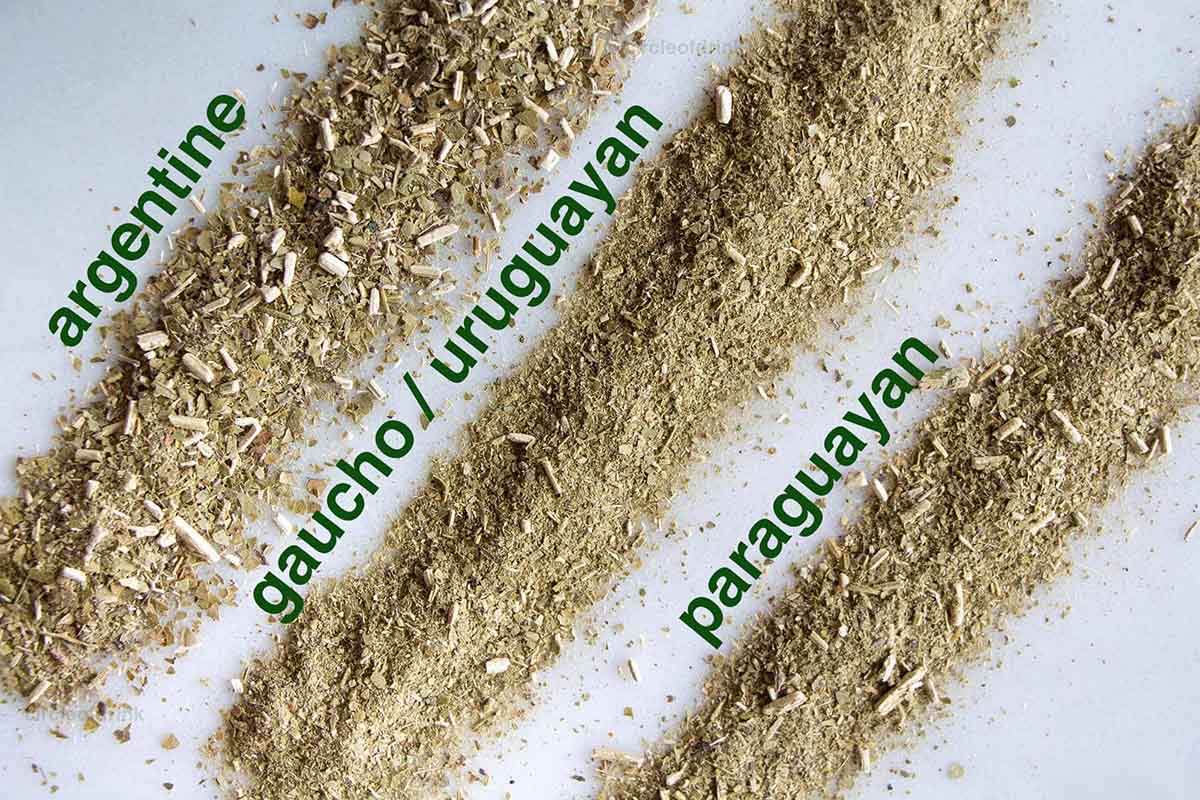
This is the most fundamental distinction in Yerba Mate. “Con palo” means “with stems,” referring to tea that includes a certain proportion of twigs and stems; “Sin palo” (or despalada) means “without stems,” referring to a blend made primarily of leaves with almost no stem content.
Stemmed Yerba Mate (Argentine Style):
Mainly consumed in Argentina, this type contains larger leaf cuts and less “dust” (polvo). It is described as having a mild bitterness and earthy undertones, with a flavor that is more suave (soft/gentle).
- Milder flavor, suitable for beginners.
- Less likely to clog the bombilla straw.
- Flatter flavor profile with lighter bitterness and astringency.
- Can be steeped many times.
Uruguayan/Brazilian Style:
In contrast, stemless Yerba Mate (often powdery and made only of leaves) is more popular in Uruguay. This mate is smoother, more refined, and more intense, often characterized by a bolder bitterness and higher mateine (caffeine) content.
- More intense and robust flavor profile.
- Typically higher caffeine content.
- Finer texture, appearing more like a powder.
- Prone to clogging the bombilla, requiring a more refined straw design.
If you are a novice, you may prefer starting with a stemmed Argentine style; if you seek a stronger kick and a richer mouthfeel, the Uruguayan style may be more to your taste.
Smoked vs. Unsmoked Yerba Mate
Smoked yerba mate tea is made by drying the leaves over a wood fire. This traditional drying method has a long history in South America (which many traditional brands still use). This type of mate tea has a more pronounced smoky aroma and flavor, with a more complex and deep taste, and the color is usually darker. For those who are accustomed to the smoky flavor, this is the “authentic” yerba mate tea experience. However, this kind of mate tea might possess some health risks.
Non-smoked yerba mate tea is not dried over a wood fire but with hot air or other modern drying techniques, and the color is usually lighter. Because of the absence of smoky flavor, it can better reflect the flavor of the tea itself (it may be more acceptable for beginners).
What is Chimarrão?
Chimarrão is a type of Yerba Mate consumed primarily in Southern Brazil (as well as parts of Uruguay, Argentina, and Paraguay). Its characteristics are very distinct:
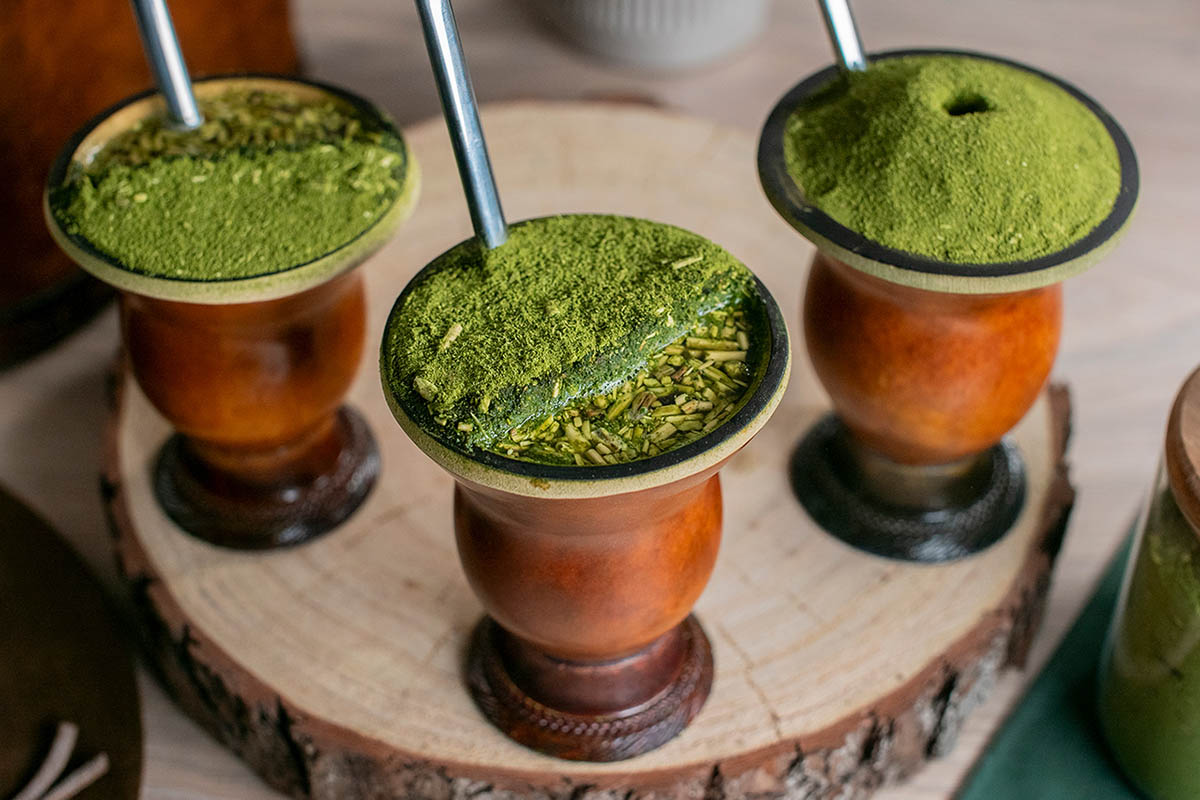
- Made using vibrant green leaves that are dried and finely ground.
- Bright neon-green color, rather than the typical yellowish-green or brown.
- Texture is described as “sandy” with a soft aroma and fine density.
- The flavor is fresher, grassier, and “greener.”
- Usually not aged for long periods, retaining more fresh herbal flavors.
This mate stands in stark contrast to the dark, aged traditional varieties, representing Brazil’s unique mate culture, especially the traditions of Rio Grande do Sul.
Tereré and Maté Cocido
Tereré is a cold-brewed Yerba Mate, consumed mainly in Paraguay and the Midwest region of Brazil. During hot summers, the mate is steeped with cold or ice water, sometimes with added medicinal herbs or fruit juices, making it a refreshing, revitalizing drink. Tereré has its own unique vessels and rituals.
Maté Cocido is another form of the beverage, usually made by boiling the leaves or steeping tea bags, similar to how regular tea is consumed. This method is simpler and suited for quick consumption, but it lacks the complexity and social attributes of the traditional Yerba Mate ritual.
How to Brew the Perfect Yerba Mate: A Step-by-Step Guide
The brewing of yerba mate is both an art and a science. Unlike ordinary tea, its brewing method is unique and meticulous, and every detail can affect the final flavor.
What to Prepare before Brewing
Before you begin brewing, you will need to prepare the following tools and materials:
- Yerba Mate Leaves (the one that suits your taste)
- Mate Cup (Gourd)
- Bombilla: A metal straw with a built-in filter
- Water(both room temp and hot)
Step 1: Filling the Tea Leaves
Creating a “tea slope” (mountain, or la montañita) is one of the core techniques in brewing Yerba Mate.
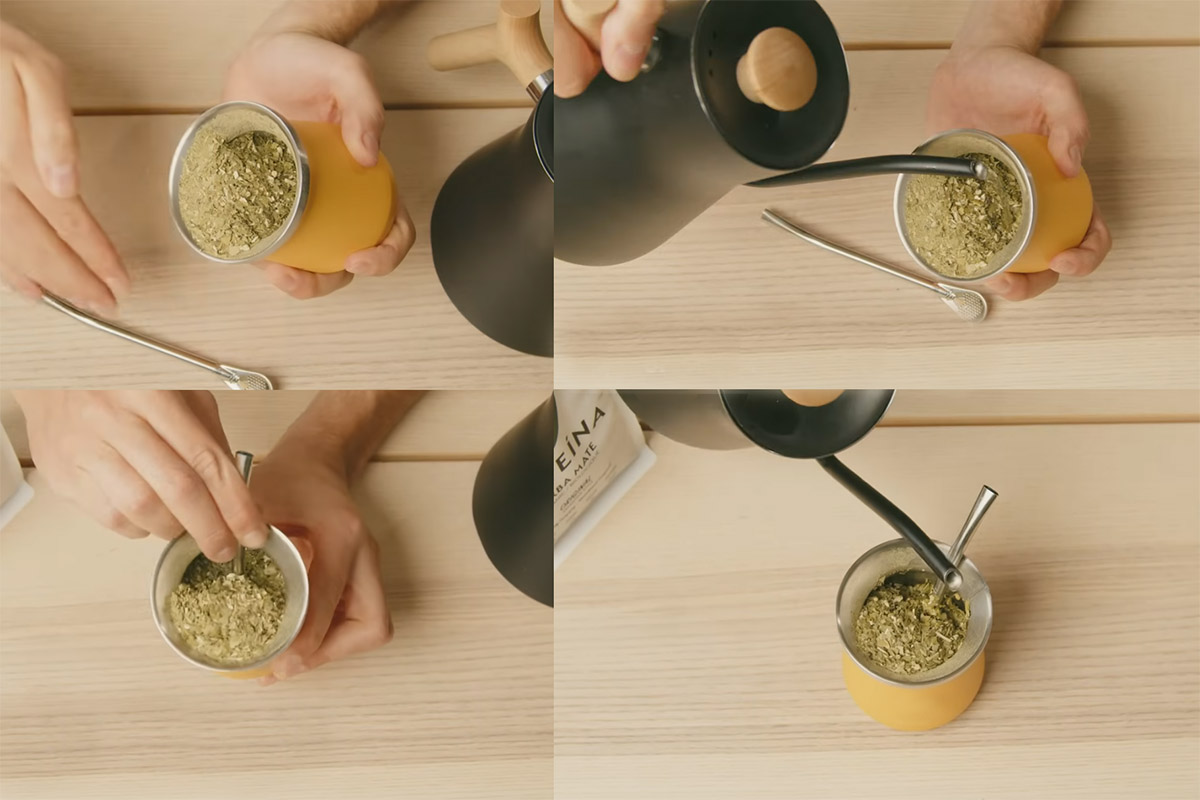
- Pour the Yerba Mate leaves into the cup, filling it approximately 1/2 to 3/4 of its capacity.
- Cover the top of the cup with your palm, turn it upside down, and shake it gently or tap the bottom.
- Slowly return the mate cup to an upright position at about a 45-degree angle, then remove your hand, allowing the leaves to form a “mountain” shape(high on one side and low on the other). The high side is the area where the leaves are piled, while the low side provides a space for pouring water.
Why create a “mountain”? The piled leaves form a natural filtration barrier, aiding the bombilla’s filter function and preventing clogs. By keeping half of the leaves dry, they are gradually wetted during the brewing process, allowing the mate to be steeped many times while maintaining its flavor.
Step 2: Wetting the Leaves
Before pouring hot water, you need to moisten the leaves.
- Slowly pour a small amount of room temperature or cool water into the low side (at the base of the “mountain”). Do not use hot water yet.
- Let the leaves absorb the water for about 1–2 minutes.
- Ensure you do not completely submerge the leaves; otherwise, the flavor will become too strong too quickly, making it impossible to achieve multiple infusions (the flavor will wash out significantly after the first pour).
Step 3: Inserting the Bombilla
Place the bombilla in the moistened area at the base of the “mountain,” making sure the filter end is at or close to the cup’s bottom. Don’t move or stir the bombilla after it has been inserted. The “mountain” structure is broken by stirring, which disperses the leaves and permits fine powder to clog the bombilla’s filter holes.
When inserting the bombilla into the leaves, it is advised to press your thumb over the top opening. This produces a vacuum that keeps fine powder out of the straw when it is inserted.
Step 4: Pouring Hot Water
Now you can begin pouring the hot water. The water temperature must be maintained between 70°C and 80°C (158°F to 176°F). NEVER USE BOILING WATER! it will “scorch” the leaves, causing them to release all their flavor instantly. This results in an overly bitter, harsh taste and significantly reduces the number of possible infusions.
- Slowly pour the hot water into the low space next to the bombilla.
- The water level should not exceed the top of the “mountain” to keep a portion of the leaves dry.
- Wait a moment for the first pour to allow the leaves to fully absorb and release their flavor.
- Sip slowly until you hear the “hissing” sound of air being sucked in, indicating the water is finished. You are now ready for repeated infusions.
How to Choose the Right Mate Cup: Stainless Steel Mate vs. Natural Gourd
Historically, the mate cups were initially made from natural gourds or wood. Due to the fact that the material itself has relatively wide fiber gaps, the inner walls would absorb the flavor of the tea over time, making each cup of tea more flavorful than the previous one. However, they require careful maintenance, are prone to mold, and are not very durable. They also present many inconveniences for modern fast-paced lifestyles and global transportation. Therefore, modern materials for mate cups emerged, and among them, the most popular one is stainless steel.
Temperature Control
Most stainless steel mate cups adopt the “double-layer vacuum insulation (thermal sealed) technology” similar to that of thermos cups. The vacuum layer in the middle of the two layers of stainless steel blocks the heat transfer, making them possess good insulation properties and ensuring that the outside does not become too hot, making them convenient to hold for and extended period. However, traditional gourd/wooden cups do not have such insulation function. The heat will dissipate quickly, and they are not suitable for holding for a long time. If the water being used is too hot, it may also cause hand burns.
Brewing Flavor
Natural Gourd: The organic material of the gourd undergoes a subtle chemical reaction with the Yerba Mate. As it is used, the inner walls “absorb” the flavor of the tea. This “seasoning” or “curing” process ensures that every cup is more mellow and flavorful than the one before. Experienced enthusiasts believe that only a long-used gourd can produce the optimal flavor.
Stainless Steel Cup: Made from inert materials, stainless steel does not absorb the flavor of the infusion. This results in a more consistent and pure taste for every brew, unaffected by residues from previous sessions. It is ideal for those who want to experience the original, unaltered flavor of the leaves.
Maintenance and Cleaning
Stainless steel cups are dishwasher-safe, easier to clean, and resistant to mold, making them perfect for a modern lifestyle. In contrast, traditional gourds require significant upkeep:
- New cups must undergo a “curing” process before first use.
- They must be thoroughly dried after every use.
- They are prone to mold and require regular inspection.
- If the storage environment is exposed to direct sunlight or has excessive temperature differences, they will crack.
- Detergents or dishwashers cannot be used.
Quick Checklist:
| Factor | Stainless Steel Cup | Natural Gourd |
| Temperature Control | Excellent (Insulation) | Average |
| Flavor Retention | Pure, Consistent | Enhances over time |
| Maintenance Difficulty | Simple | Complex |
| Curing Required | No | Yes |
| Durability | High | Lower |
| Travel Suitability | High | Lower |
| Export Convenience | High | Lower |
| Traditional Experience | Modern feel | Authentic/Original |
| Beginner Friendliness | High | Lower |
Why Choose a Stainless Steel Mate Cup?
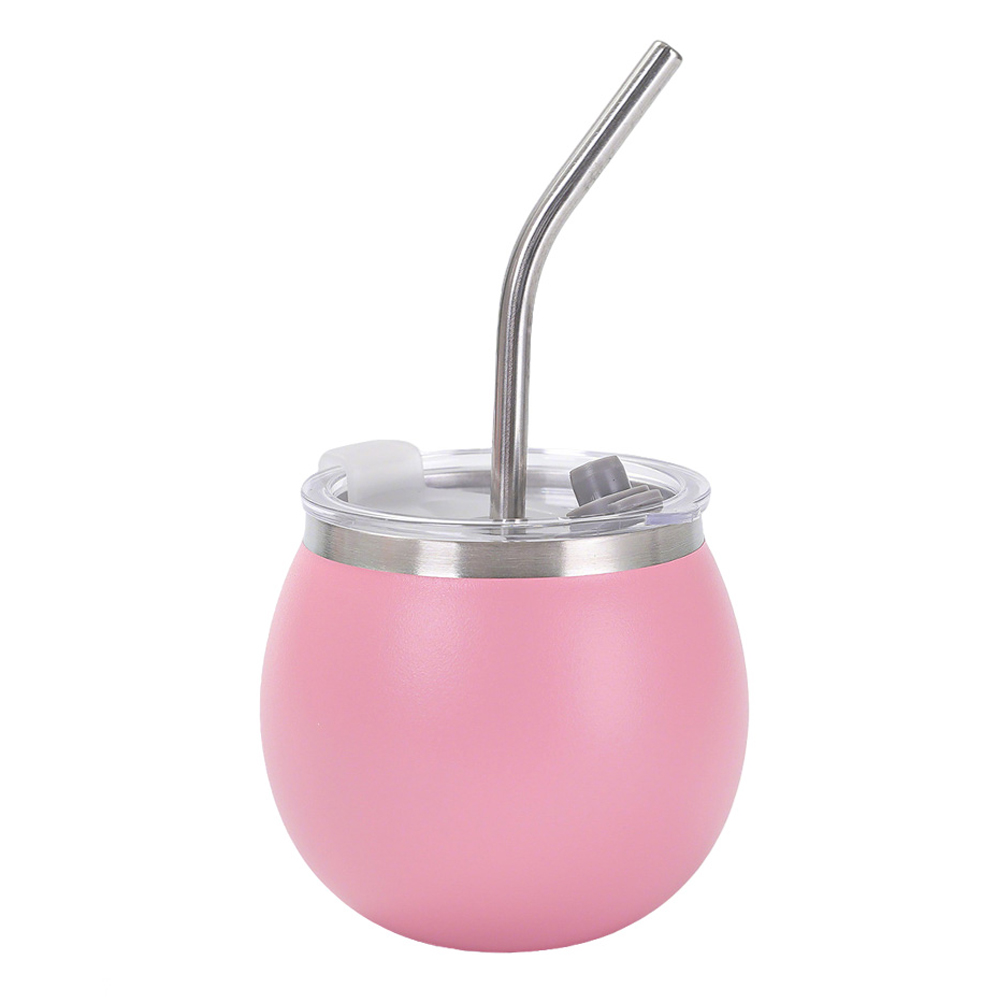
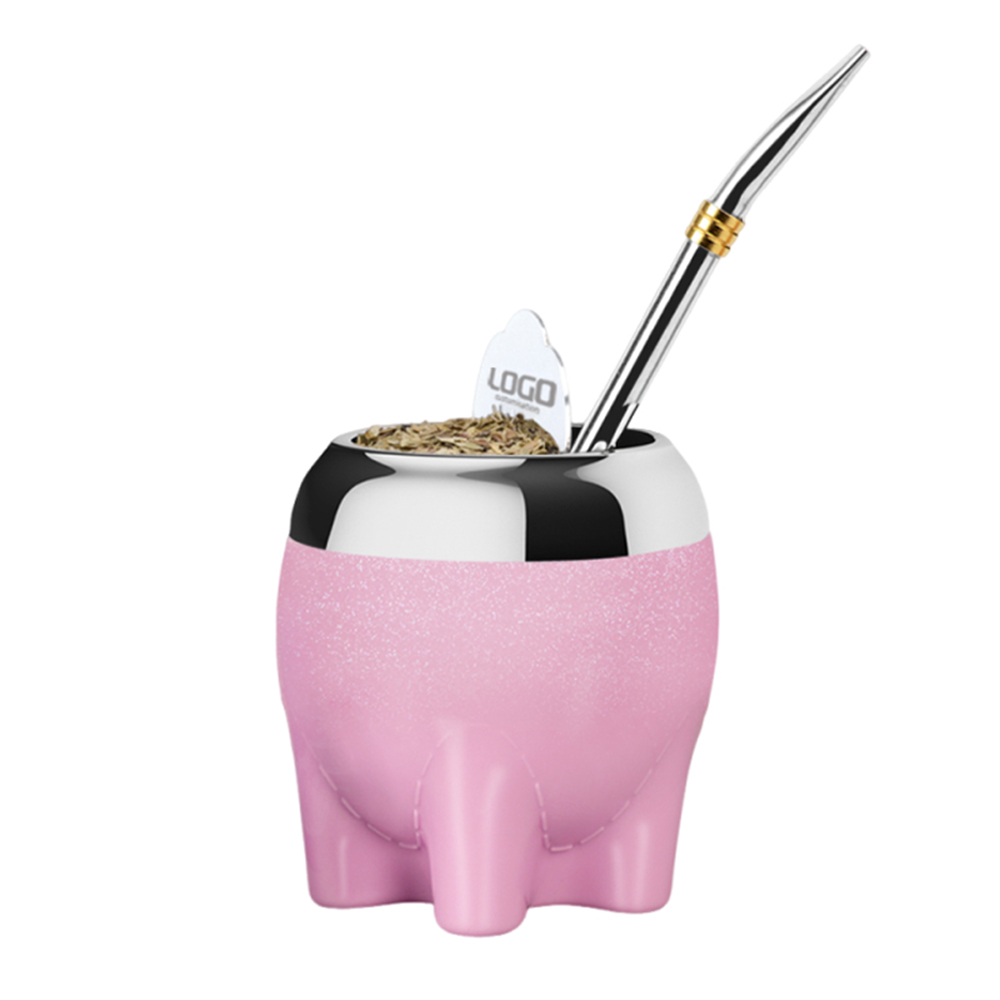
First and foremost, vacuum insulated stainless steel mate cups are incredibly beginner-friendly. They require no complex curing process and are ready to use straight out of the box. Their simple maintenance lowers the barrier to entry, as stainless steel won’t mold or degrade due to improper care. Furthermore, they are portable and highly durable. From a health perspective, food-grade stainless steel (such as 304 18/8) is safe, odorless, and free from the unknown substances that some natural materials might contain. They can be thoroughly sanitized to prevent bacterial growth.
Modern manufacturing techniques have also allowed for continuous innovation in double walled stainless steel mate cups:
- Aesthetical appearance: Unlike traditional materials, stainless steel, as a highly flexible(design-wise) material, enables the Mate tea cup to have unlimited possibilities in appearance. Whether it’s in terms of shape or capacity, you can find the one that suits you best. Many designers also incorporated traditional aesthetics, applying a layer of leather-like coating on the surface to enhance its wild and beautiful appearance as well as touch feel.
- Personalized Customization: Colors, patterns, and even engravings can be customized, making them unique personal items or ideal promotional gifts and employee benefits.
- Technological Integration: Innovative cups are beginning to incorporate smart technology, such as temperature displays and replaceable filter elements.
Conclusion: Embark on Your Yerba Mate Journey
From the sacred rituals exclusively belonging to the Guarani people to the daily lives of modern global consumers, mate tea carries the cultural accumulation of hundreds of years. Choosing the right mate cup not only guarantees a better drinking experience, but also a tribute to this rich history. The correct mate cup enables the tradition to continue in the modern context. The stainless steel mate cups, with their durability, convenience, and modern design, allow the mate tea culture to transcend geographical and cultural barriers and reach new audiences around the world.
Now that you understand the rich history, cultural significance, type variety, brewing techniques, and the importance of selecting the right vessel of yerba mate tea, it is time to start your own Yerba Mate journey!
As a leading stainless steel drinkware manufacturer, we have meticulously selected a range of high-quality mate cups suitable for everyone, whether you are a novice just starting out or a seasoned enthusiast looking to upgrade your gear. If you are interested in custom orders or wholesale, please contact us by clicking the button in the top right corner of the website or by sending us an email at sales@waterbottle.tech. We will get in touch with you within 24 hours to provide a specified quote.