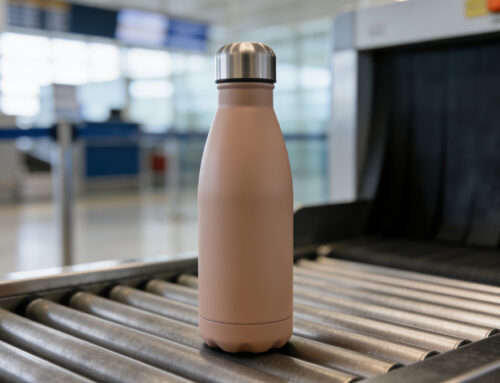
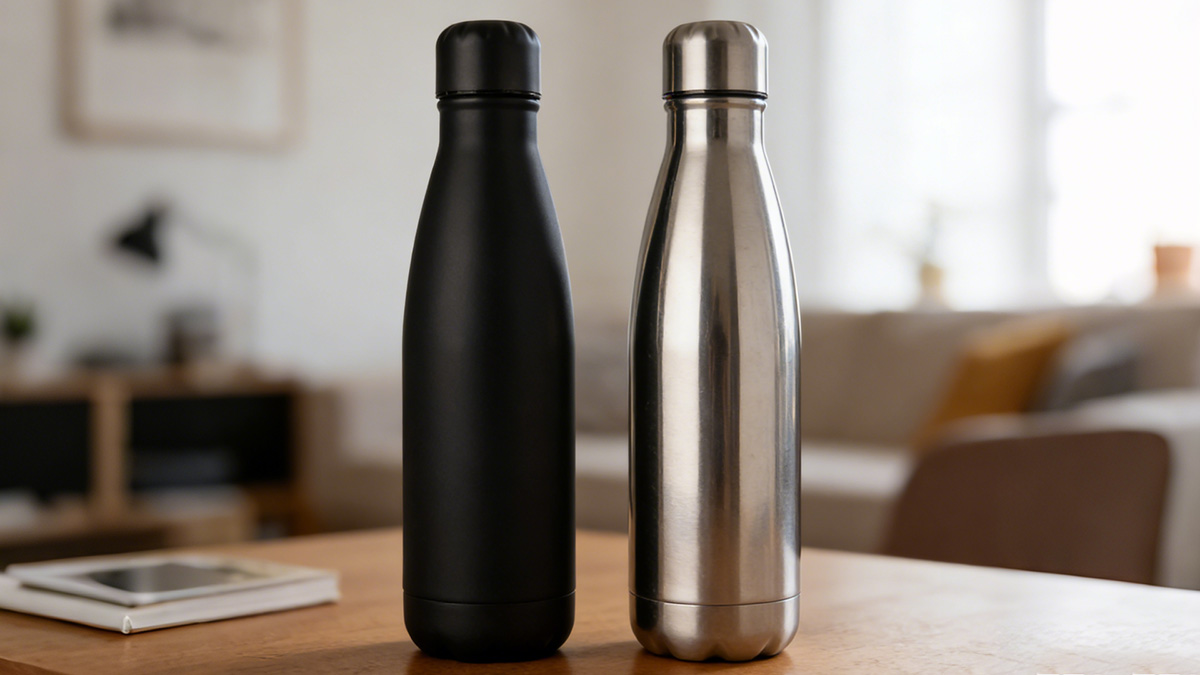
When you walk into any office, you can see many kinds of tea cups on the table. Some pay attention to practical functions, some are fashionable and beautiful, and some are obviously born to create a unique brand impression. Among the many corporate buyers we have cooperated with, an increasingly clear trend is emerging: those enterprises that want to enhance brand experience, reduce product risks and meet the challenges of higher requirements are choosing 316 stainless steel.
This change is not a simple material replacement, but also a far-sighted strategic layout. Enterprise buyers favor 316 stainless steel because it can reshape the product positioning-if you are committed to improving brand reputation, it is undoubtedly the ideal choice, which can accurately meet the expectations of high-end customers or high-demand customers. For an industry that is always oriented to users’ health, even a complaint about rust may make the whole marketing activities fall short. Thus, the above advantages of 316 stainless steel are even more important.
What Are the Key Differences Between 201, 304, and 316 Stainless Steel?
Most buyers will initially pay attention to the price difference of the three stainless steel brands. But the real core difference actually comes from the chemical composition of the material.
Each stainless steel brand will present its unique characteristics according to its chemical ratio. Understanding these differences can clearly explain why their performance in the practical application of drinking water appliances will be very different.
| Steel Grade | Chromium | Nickel | Molybdenum | Manganese | Key Characteristics |
| 201 | 16–18% | 3.5–5.5% | None | 5.5–7.5% | Budget-friendly, lowest corrosion resistance |
| 304 | 18–20% | 8–10.5% | None | ≤2% | Food-grade standard, reliable for most environments |
| 316 | 16–18% | 10–14% | 2–3% | ≤2% | Marine-grade, excellent acid and chloride resistance |
Although the price of stainless steel 201 is lower, its corrosion resistance is the poorest among these three materials due to its low nickel and high manganese composition. This material can be used to make the outer wall of a thermos cup, but it is not suitable for making the inner wall of a thermos cup that comes into direct contact with beverages.
In contrast, 304 stainless steel is the industry benchmark material for general drinking water appliances. Suitable for water, coffee, tea, and most daily drinks. Because of its excellent surface texture and stable durability, it is suitable for business gifts or retail goods.
However, the formula of 316 stainless steel is additionally added with molybdenum-this seemingly minor composition adjustment can greatly enhance the chloride resistance and acid resistance of the material. In the face of salt spray air, sports drinks, citrus drinks, and strong cleaning processes, 316 stainless steel can be safe and sound. In the practical application test, the performance of 316 stainless steel is always superior to the other two materials, and it can maintain its structural integrity even if it is exposed to corrosive substances for a long time.
Explainer Video: Material Guide for Water Bottle Tumbler Cup
Which Stainless Steel Grade Is Safest for Food and Beverage Contact?
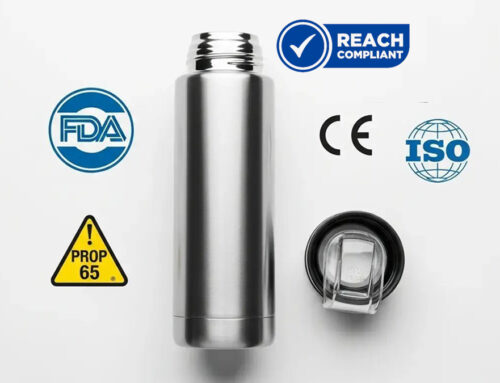
When the water cup is in contact with food and beverage for a long time, health and safety is by no means an empty slogan, but more about consumers’ trust in the reliability of your brand.
We have made a comparison chart for your information:
| Certification | 201 | 304 | 316 | Notes |
| FDA | ✗ Basic | ✓ Standard | ✓ Premium | Most of SS201 cannot pass |
| LFGB | ✗ Basic | ✓ Standard | ✓ Premium | German standard, stricter migration limits |
| REACH | ✓ Limited | ✓ Full | ✓ Full | Chemical safety compliance |
| Medical Grade | ✗ | ✓ Limited | ✓ Full | 316 preferred for biocompatibility |
The chart above can be interpreted as follows: in an acidic environment, trace manganese may precipitate in 201 stainless steel, so brands facing health-conscious consumer groups should consider this risk. In our practice, we never use 201 stainless steel to make the inner walls of the insulated cups.
On the other hand, 304 stainless steel can maintain a stable state when it comes into contact with most beverages, but surface corrosion may still occur after long-term contact with strong acid. This change usually does not affect the safety of use, but it will have a great impact on the appearance of the product-after all, no one wants to use cups with uneven surfaces.
316 stainless steel’s outstanding advantage is that it can maintain stable performance in the face of almost all beverage scenarios, whether it is acidic drinks such as orange juice or complex drinks such as salty chocolate milk, it will not affect. Its alloy composition can effectively prevent material precipitation and microbial growth, and it is the first choice material in the medical field and health care industry, especially those brands that pursue product quality upgrade. Buyers prefer 316 stainless steel not only because of its excellent technical safety, but also because it can bring peace of mind to consumers at the psychological level. You know, it is very important for consumers to use their products with confidence.

How to Choose the Right Stainless Steel for Your Drinkware Program
The ideal choice of stainless steel depends on three core factors: users’ daily habits, product use environment and brand market positioning. By clarifying these three points, enterprises can find suitable materials that not only meet consumers’ expectations, but also take into account cost-effectiveness.
In conclusion, although 201-grade stainless steel cannot be used as the inner wall of a thermos cup, it can be selectively used as the outer wall of a thermos cup when considering cost-effectiveness. Although its durability is relatively poor, this approach can significantly reduce costs while avoiding food safety risks.
304 stainless steel is still the most popular and cost-effective choice for office daily use, business gifts or formal retail gifts. Suitable for all kinds of common drinks, and it can still maintain its beautiful appearance after long-term use.
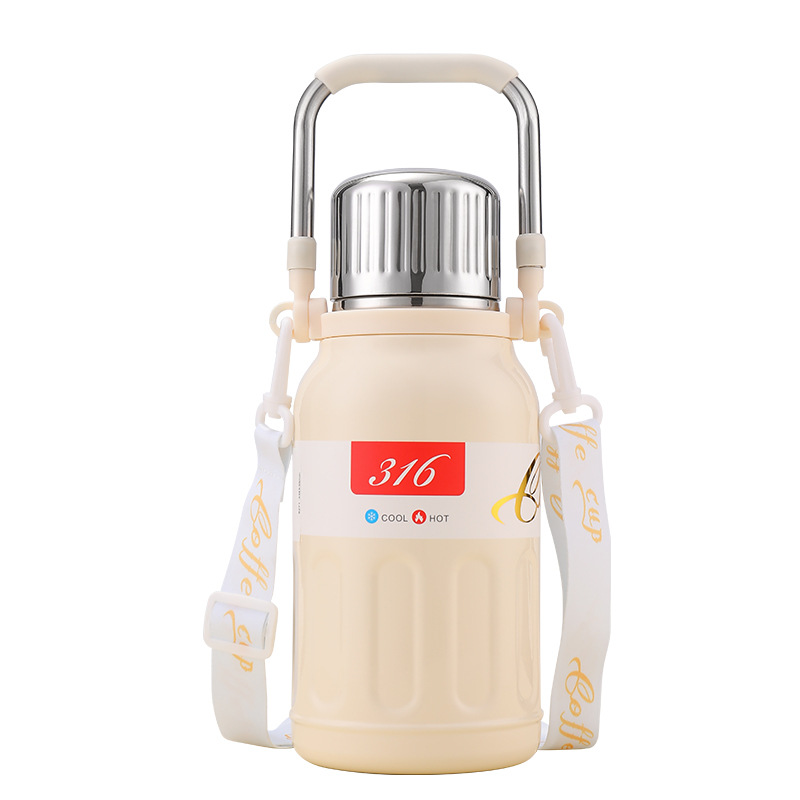
316 stainless steel should appear when the use environment or user’s habits are relatively high. Athletes who often drink acidic sports drinks, consumers who live in coastal salt spray environment or employees who work in chemical environment can all benefit from the stronger stability of 316 stainless steel. Brands that are committed to upgrading their products also favor 316 stainless steel-this is a self-evident symbol of quality.
After all, material selection not only affects product performance, but also shapes brand tonality. A water cup may be a simple object, but its material silently conveys the core values of the brand: reliability, safety and professionalism.
Conclusion
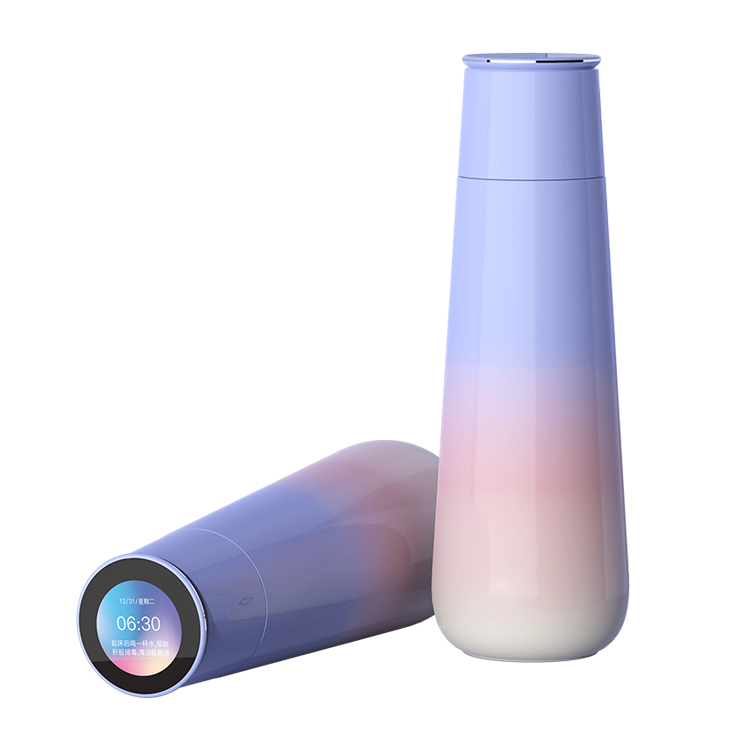
B2B buyers are more and more fond of 316 stainless steel, which is not only a simple technical consideration. The deep logic of this choice is the enterprise’s strategic cognition of the influence of materials on product life, and upgrading materials is to enhance customer satisfaction and empower brand reputation.
With its excellent corrosion resistance, excellent stability and high-end market appeal, 316 stainless steel provides power and adds value for custom-made water cups. These advantages can be transformed into quantifiable business value. 316 stainless steel is always the top choice for brands that are committed to building durable and outstanding products and enhancing customer trust.
If your business is exploring custom stainless steel drinkware and needs professional guidance on materials, engineering, or manufacturing, you can reach KingStar directly at sales@waterbottle.tech for 24/7 support.
Order Custom Water Bottles & Tumblers
Get competitive price and premium custom drinkware from water bottle manufacturer — Short lead time, door-to-door global shipping, strong Engineering support!