
Custom Sauna Water Bottle Wholesale | OEM ODM Drinkware Manufacturing
Sauna environments impose special and strict performance demands for water bottles. Ordinary insulated water bottles or tumblers are prone to problems when placed in a high‑temperature sauna room: hot bottle surfaces, failed seals, and unpleasant odors.
This guide is aimed at sauna equipment distributors, SPA brand owners, Amazon FBA sellers, and B2B procurement managers. It sorts out the core procurement points for customized sauna water bottles to help you avoid various pitfalls and select private‑label products that can adapt to the market.

Sauna Water Bottle Sourcing Resource Hub
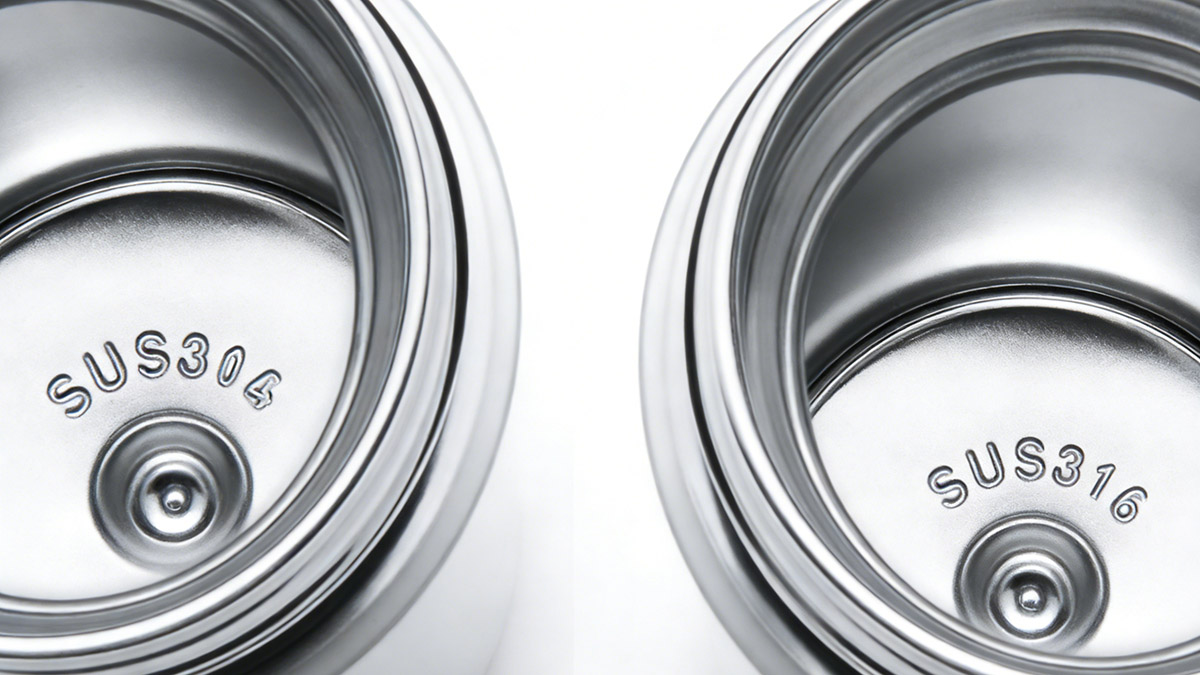
304 vs. 316 Stainless Steel: Which Food-Grade Material Offers Better Safety and Durability?
Choosing between 304 and 316 stainless steel seems to
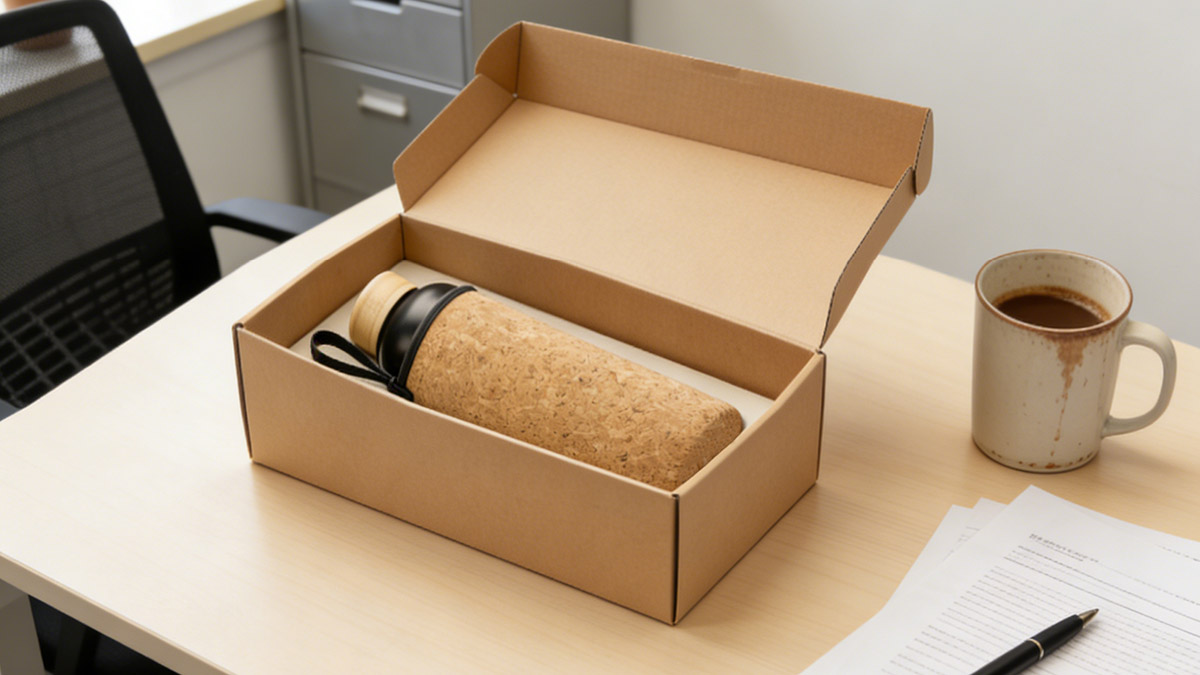
Boost Brand Loyalty with Custom Sauna Water Bottles: The Smart Corporate Gift Choice
In today's rapidly changing market environment, "brand loyalty" has
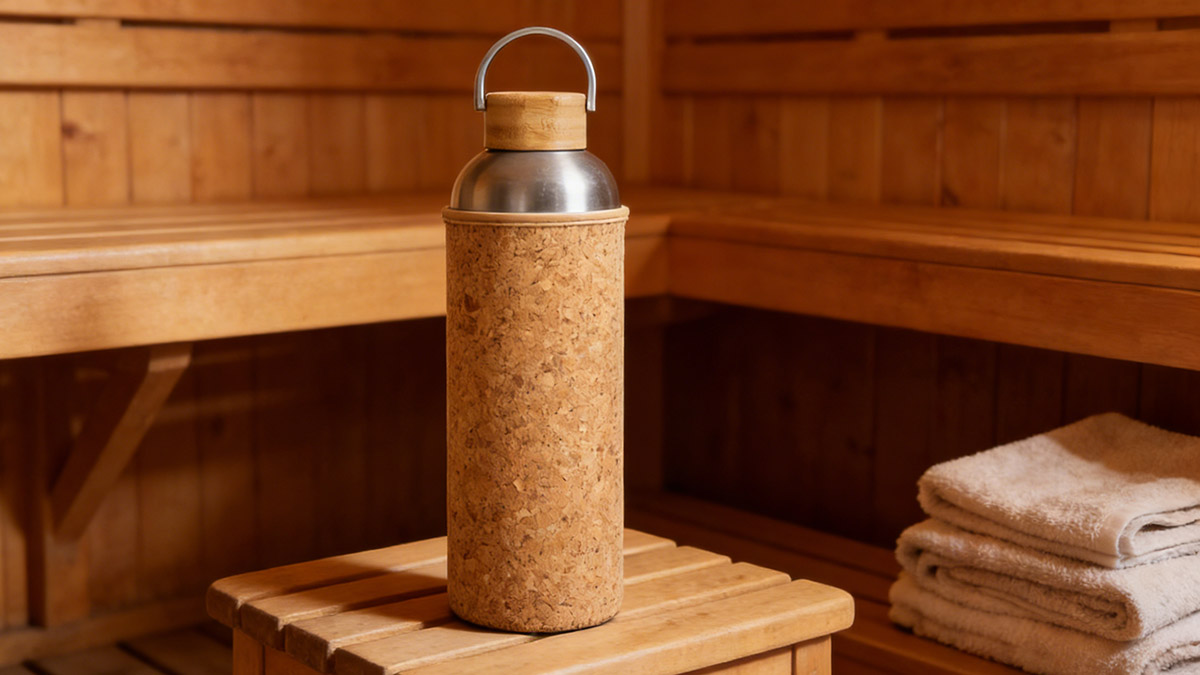
How to Choose the Best Sauna Water Bottle: Materials, Capacity, Insulation & Must-Have Features
Sauna is a beneficial activity that helps maintain good
What Makes a Water Bottle Suitable for Sauna Use?
Water bottles specially designed for sauna scenarios are not only used to hold water. Sauna rooms are hot and humid, with frequent handling and limited storage space. Therefore, the design of water bottles must focus on safe handling, reliable sealing, suitable materials, and convenient drinking. For OEM buyers, the appropriate product specification depends on whether the water bottles are used inside the sauna room, for hydration between sauna sessions, or for broader scenarios such as SPA and wellness.


| Factor | What to Consider for Sauna Use | Why It Matters |
|---|---|---|
| Material | Meets food-contact standards and adapts to the temperature conditions of target usage scenarios | Ensures product safety and extends service life |
| Grip | Features an ergonomic shape and anti-slip texture for secure holding even with wet hands | Reduces the risk of slipping and falling during use |
| lid | Delivers firm sealing with an easy-to-operate drinking mechanism | Prevents water leakage and enables more convenient hydration |
| Size | Select a practical capacity based on sauna session duration and portability | Balances drinking demands, manageable weight and saved storage space |
| Surface | Provides a comfortable touch and adapts to humid environments | Improves grip experience and extends product durability |
| Thermal insulation performance | Adopt a vacuum insulation structure only when heat retention is truly required | Avoids redundant structural design and controls unnecessary costs |
| Cleanliness | Features a sufficiently wide cup opening; the cup lid and sealing ring are easy to disassemble and clean | Allows easy sanitation maintenance after repeated use |
KingStar Custom Service
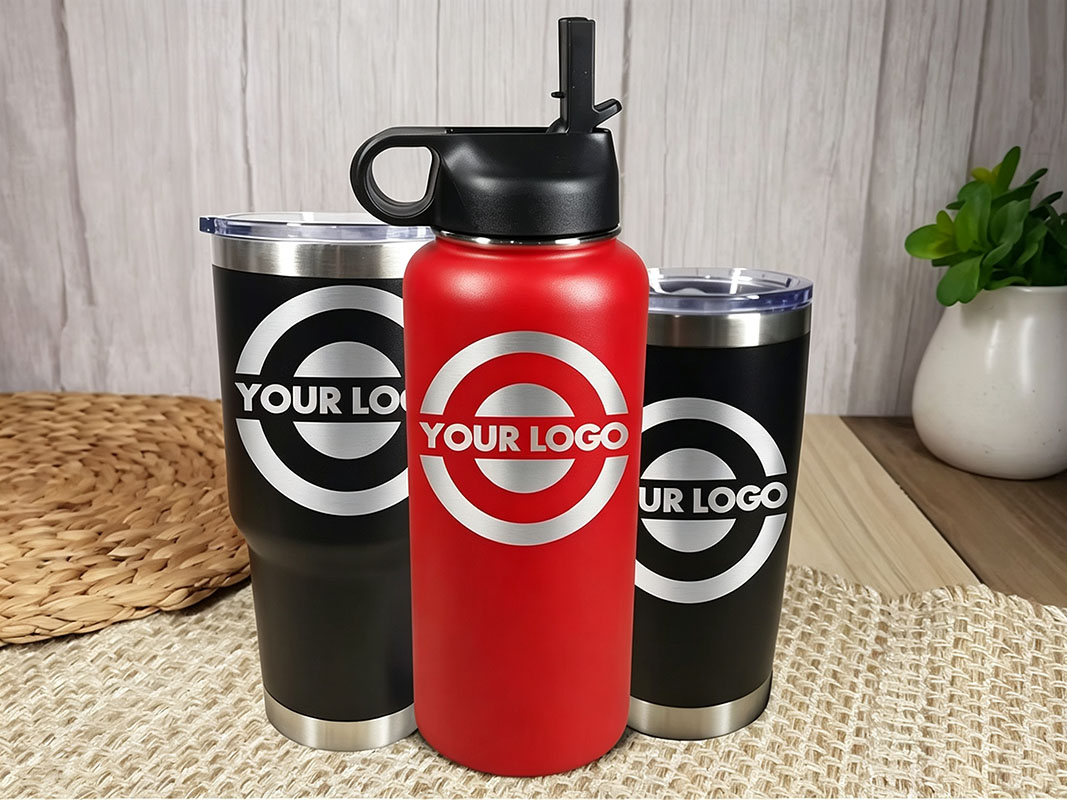
Manufacturing Essentials—From Materials to Production
Material Guide
Kingstar can provide a variety of BPA‑free materials that meet FDA, LFGB, and California Prop 65 standards.
- Stainless Steel: SS304 (food-grade, corrosion-resistant) for inner/outer walls; SS316 (medical-grade, superior acid/heat resistance) for premium applications; SS201 for outer walls only.
- Plastics: PP (heat-resistant, high strength), Tritan (BPA-free, transparent, impact-resistant), PPSU (heat-resistant to 207°C, ideal for baby bottles), and recycled ocean plastic for eco-friendly options. PC contains BPA and is not recommended.
- Other Materials: Titanium for premium/medical use. Silicone for gaskets, straps, and collapsible bottles.
- Auxiliary Materials: Copper plating and aluminum foil enhance insulation. The getter removes residual air between double walls for vacuum performance.
KingStar helps you select the right material based on product needs, target market, and budget.
Standard 500ml double‑layer 304 stainless steel insulated cup with basic paint finish and single‑color silk‑screened logo. China FOB price reference:
3,000‑piece MOQ: $4.40‑$5.00;
10,000‑piece MOQ: $4.60‑$4.80;
30,000+‑piece orders: $2.80‑$3.50.
Main price‑driving factors:
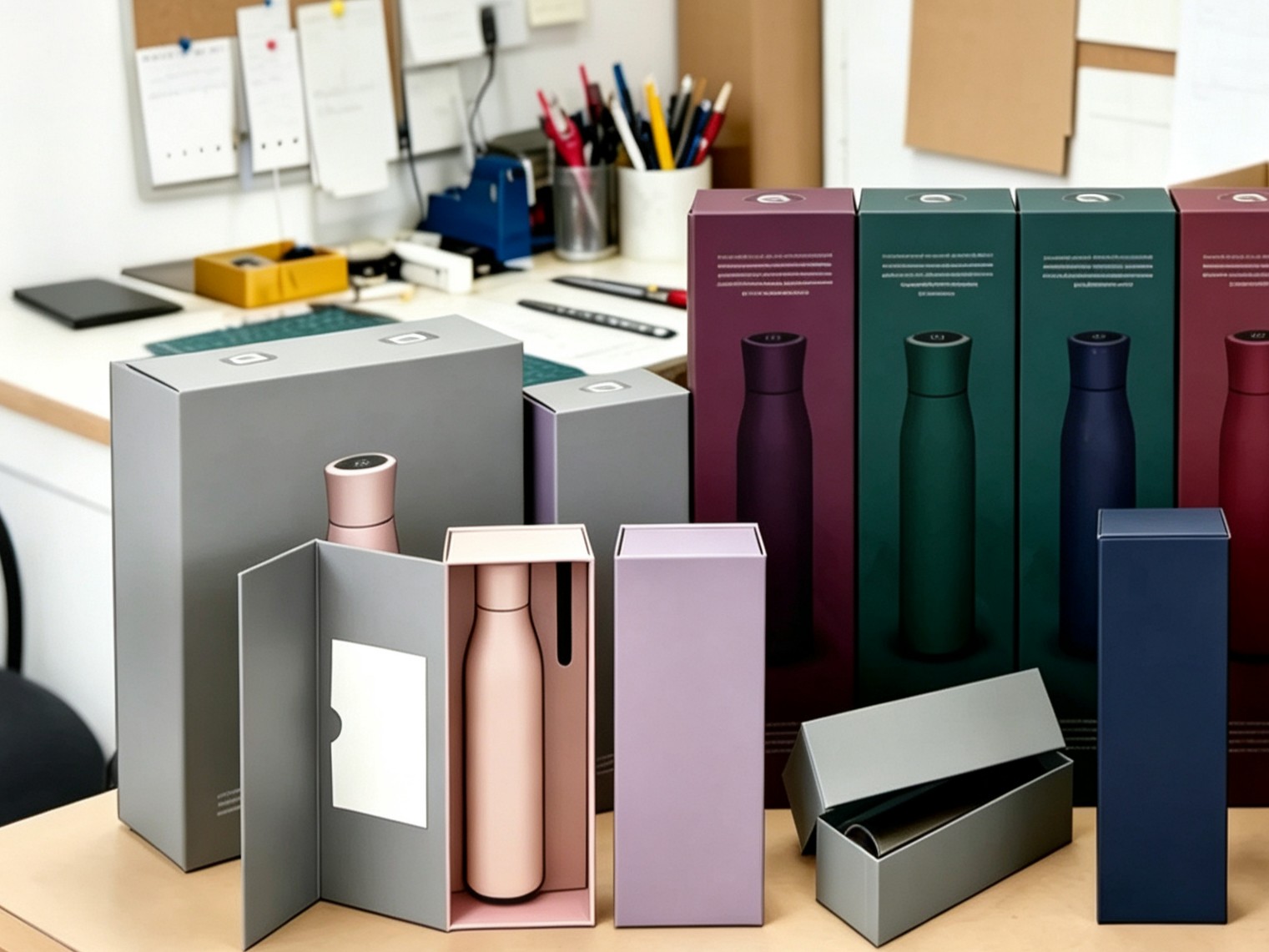
Steel grade (304 vs 316 has notable gaps), order volume and surface treatment. Paint adds $0.15 per unit; powder coating adds $0.50. Complex lids cost an extra $0.50‑$1.50.
Other surcharges: copper plating +$0.20; stretching process +$0.60 vs water‑expansion; packaging $0.08‑$0.80. Logo options: silk‑screen from $0.03, laser engraving from $0.05. Shipping varies by sea, rail, air or express. Widely used for coffee, tea and drinks, these vacuum cups hold heat 12h and cold 24h. As the industry standard, 304 stainless steel costs $0.30‑$0.45 per cup in raw materials.
Vacuum Flask Design Guide
When designing double‑layer vacuum insulated water bottles, far more considerations apply than for single‑layer versions. The vacuum layer between inner and outer walls raises manufacturing difficulty, and many initial designs cannot be produced.
Core Design Principles
- Cup Wall Gap: Maintain ≥2 mm (ideal 3 mm) body clearance and 8‑10 mm at the bottom to avoid vacuum‑induced deformation.
- Thread Specifications: Thread height ≤1.0 mm (0.5‑0.9 mm recommended); pitch ≥3 mm (ideal 4‑5 mm). Thread rolling cannot support very fine‑pitch designs.
- Shape Restrictions: Round bodies deliver best compression resistance, like arch bridges. While KingStar offers square cups, large sizes need thicker walls, raising cost and weight.
- Insulation Tips: Narrow the mouth diameter; add copper‑plating or aluminum foil lining; opt for larger capacities. Vacuum ports are generally centered on the cup bottom.
Manufacturing Process
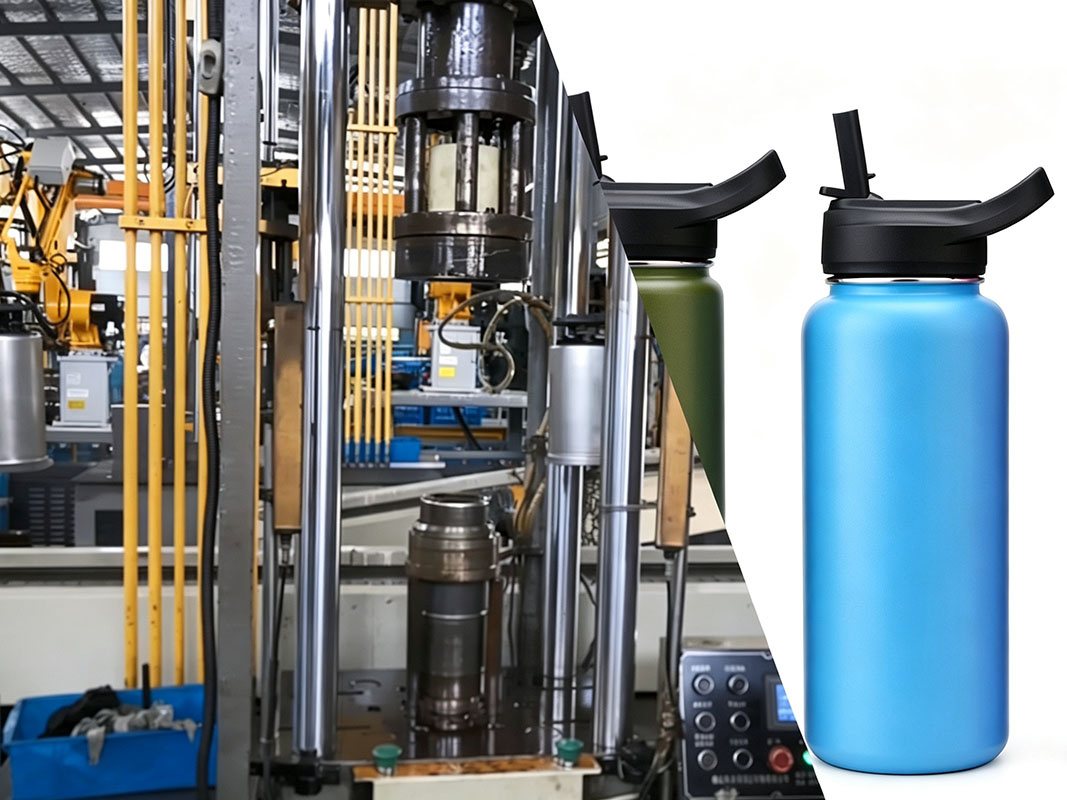
The manufacturing process transforms raw stainless steel into insulated bottles through two parallel production lines—one for the outer bottle and one for the inner bottle—before assembling them into a double-wall vacuum structure.
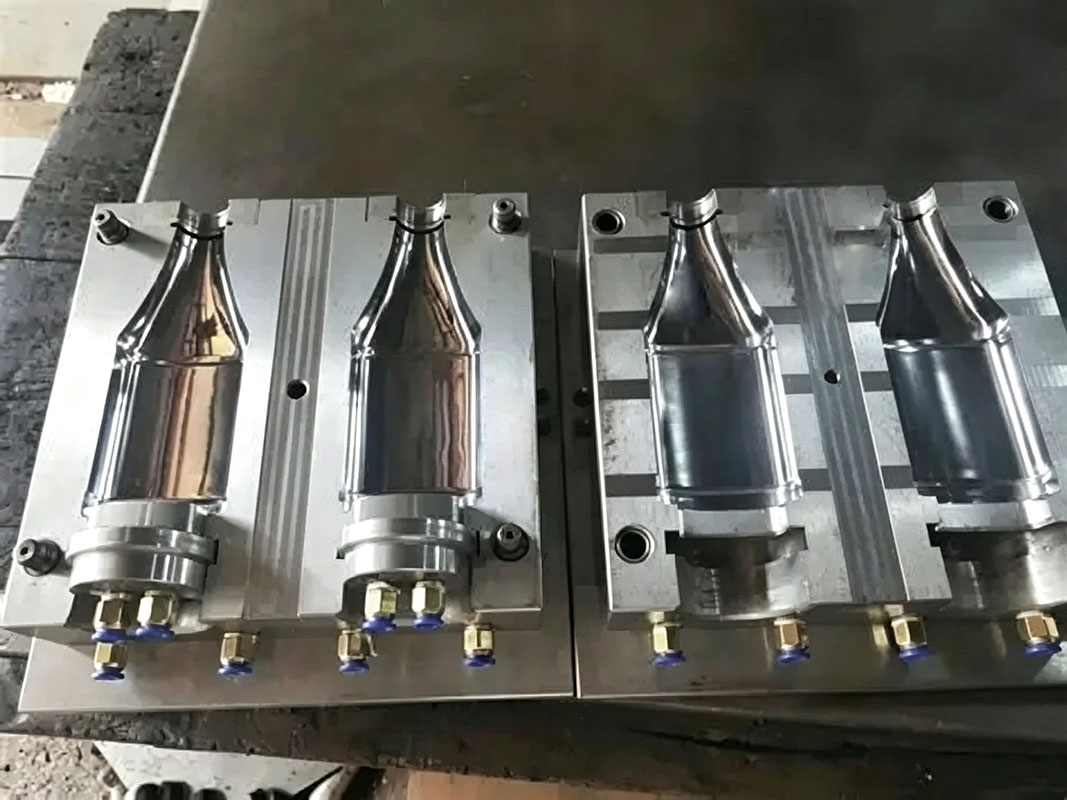
- Outer Bottle Production: Raw stainless steel pipes are cut to length, then shaped via water expansion (hydroforming) or stretch forming (deep drawing). The formed bottle undergoes separating, shaping, necking, thread rolling, cleaning, and inspection.
- Inner Bottle Production: Follows the same steps as the outer bottle, but typically requires no threading.
- Assembly & Vacuuming: The inner and outer bottles are assembled with a 2–3mm gap, then welded at the mouth and bottom. A vacuum is created between the walls to eliminate heat conduction and convection. High vacuum levels deliver 12–24+ hours of temperature retention.
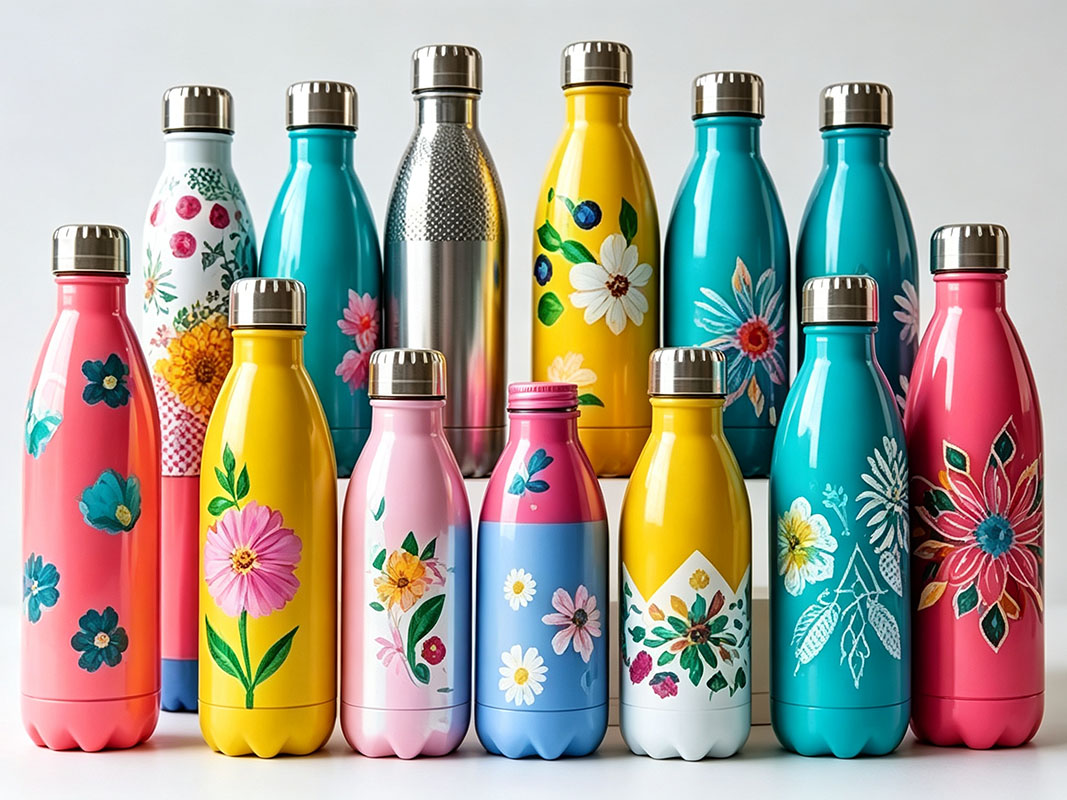
- Finishing: The bottle undergoes electrolytic and mechanical polishing, followed by external coating (powder coating, spray painting, or electroplating) and logo printing (screen printing, thermal transfer, laser etching, etc.). Final insulation testing and packing complete the process.
- Quality Focus: Precision welding, stable vacuum technology, and strict material compliance (304/316 food-grade stainless steel, BPA-free plastics) are critical for consistent quality. Buyers should evaluate factories on vacuum consistency, welding precision, and adherence to standards like GB/T 29606-2026.