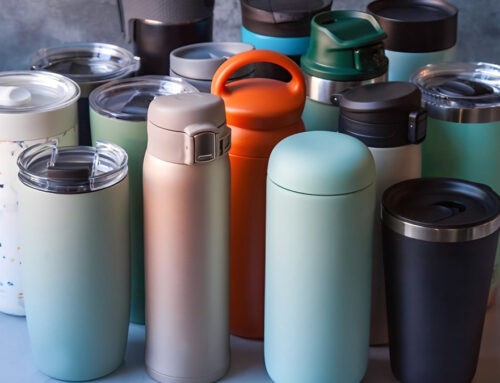
Tthere is an obvious trend: the purchasing decision of this category is seldom influenced by ideology, but based on economic cost, operational efficiency and strategic layout.
If you purchase stainless steel cups on a large scale, you will always be asked a question at the procurement meetings and board meetings: Are these cups made in China? This is a reasonable problem, especially at present, supply chain flexibility, tariff policy and geopolitical risks have already become the core issues that have attracted much attention from humble additional problems.
In a word, the answer is no-not all stainless steel cups are made in China. The more complete and valuable answer for business decision-making is that China occupies the main production capacity of the global stainless steel cup market, but there are also other alternative manufacturing fields; Each of these regions has its own unique advantages, limitations and cost impact, so it is necessary for B2B buyers to fully understand this before promoting supply chain diversification.
Why China Dominates Stainless Steel Bottle Manufacturing
China’s production of stainless steel vacuum insulated cups accounts for the largest share in the world, accounting for about 60% of the total global production. This dominant position is not accidental, nor does it simply rely on low labor costs, but the result of a highly specialized and intensive manufacturing ecosystem that has been gradually built and polished over the past decades.
Take Yongkang, Zhejiang Province as an example, the distance between the manufacturer to the mold factory, painting workshop, testing laboratory, packaging design company and logistics hub is within one hour’s drive. For B 2B buyers, this advantage of industrial agglomeration directly translates into faster response speed and greater flexibility and adaptability. From CAD design drawings to physical samples, the prototype of a product usually takes only weeks instead of months to reach the ground. Whether it is the design adjustment of function or appearance, it can be quickly solved through the cooperation between upstream and downstream of the industry to avoid a long production stagnation period.
But the real core advantage is actually the accumulation of production process experience. Many know-how accumulated in the process of mass production are difficult to be copied quickly in other regions, such as the characteristics of different brands of steel during deep drawing, the performance of coatings in the environment of humidity change, or the influence of subtle process adjustment on the thermal insulation performance of products. Buyers can directly benefit from this professional ability rooted in industrial ecology when they ask for customized cup lids, exclusive color matching or product performance upgrading.
Thermos Manufacturing Clusters in China
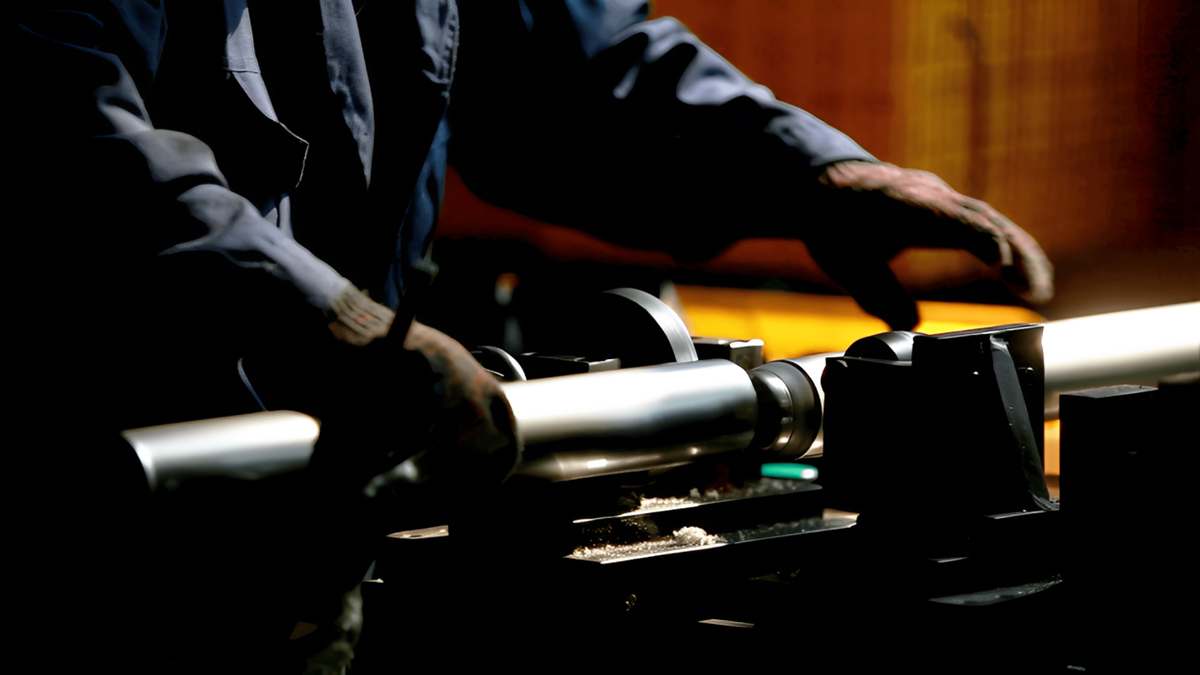
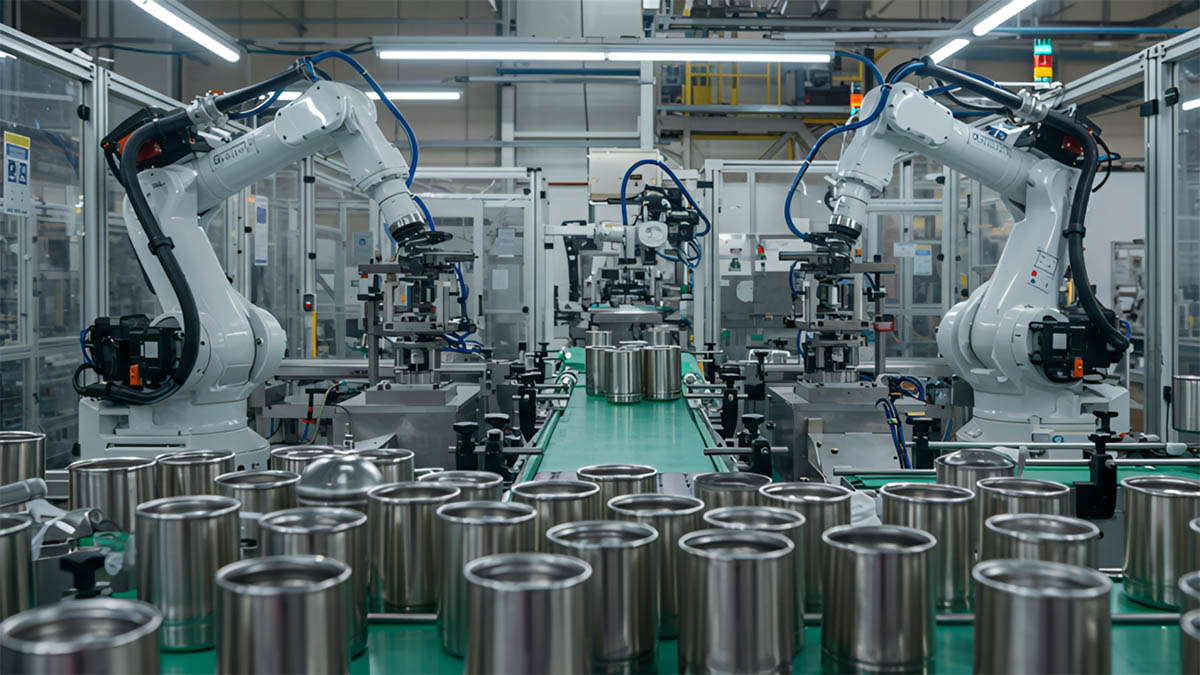
Manufacturers in China have gradually got rid of the pure price competition mode. Nowadays, automation technology plays a central role in welding, polishing and testing, which not only improves the consistency of products, but also reduces the defective rate. Advanced technologies, such as tailless vacuum forming, can eliminate the visible weld marks at the bottom of the thermos bottle and realize the double improvement of product functionality and aesthetics.
This process maturity is very important for brands that target high-end markets or markets that require high compliance. Automation systems can not only produce stable and controllable products, but also generate detailed and complete production records, providing strong support for compliance audits of large retailers and international brands. In practice, this means that accidents in the production process will be greatly reduced, and after-sales communication disputes after product delivery will be correspondingly reduced.
Alternatives to China for Stainless Steel Cup Production
China, however, is not the only manufacturing place. For buyers who implement the “China +1” strategy, some parts of Southeast Asia, Europe and South Asia are playing an increasingly obvious role.
Thailand and Vietnam have become alternative producers of standard metal thermos water bottles / double wall tumblers / can coolers / shakers / food containers / coffee pots / hip flasks. However, the cost structure of these two countries is usually 10% -20% higher than that of China, and their supply chain are still in the development stage, especially in the fields of special coatings and complex customization. Such production areas is better at mass production of standardized design products than highly customized products.
Manufacturers in Germany, Italy, Switzerland and other countries pay attention to the high-end markets and the market segments oriented to sustainable development. In such markets, brand stories and environmental protection qualifications are sufficient to support higher product unit prices.
Although India has great strength in the production of stainless steel raw materials, it is still a new choice in the field of finished cup and pot manufacturing. Its precision manufacturing and surface treatment capabilities are constantly improving, but for quality-oriented Western brands, India is more of a potential origin in the future than an option that can immediately replace China.
The differences between different producing areas can only be clearly recognized through comparison:
| Factor | China | Thailand / Vietnam | Europe |
| Unit Cost | Baseline | +10–20% | +200% or more |
| Quality Consistency | Excellent | Good, improving | Excellent |
| Customization Depth | High | Moderate | Limited |
| Supply Chain Completeness | Fully integrated | Developing | Specialized |
| Typical Lead Time | 15–25 days | 20–30 days | 35–45 days |
Why “Made in the USA” Stainless Steel Cups Remain Limited in Scale
Although consumers have relevant demands, the scale of the stainless steel cup manufacturing in the United States is extremely limited. The restrictive factor is not the lack of enterprise’s production will, but the defect of industrial structure. In the United States, there is no large-scale industrial support with cost competitiveness, including food-grade stainless steel processing production line, vacuum insulation equipment, surface treatment service, mold supply system and other key links.
Building such a complete industrial ecology requires not only huge capital investment, but also years of concerted efforts. Therefore, for most brands, it is more feasible in business than moving the complete production link back to China, outsourcing the final assembly link offshore to Mexico, or maintaining and optimizing the existing Asian supply chain channels.
B2B Water Bottle Procurement Trends
In the current market environment, about one-third of B2B buyers are actively promoting the diversified layout of suppliers, and the vast majority of buyers prefer to cooperate directly with production plants instead of conducting business through complex trade structure. The idea itself is reasonable, but the implementation process is quite challenging.
Even if a small number of orders are transferred to new producing countries, it is necessary to complete a series of work, such as supplier audit, access docking, quality verification, and subsequent continuous supervision. Successful buyers will hardly abandon China suppliers completely, but will adopt the original product classification strategy: products with complex technology and high added value will still be produced by long-term partners in China, while standardized products will be put into trial production in alternative production areas. This model can reduce the supply chain risk without affecting the overall operational efficiency.
The need for customization is also increasing. Nowadays, buyers are no longer satisfied with the simple printing service. The structural innovation, material testing and functional upgrading of products are the core elements to realize product differentiation competition. To realize these customized features stably, it is no longer a simple transactional procurement mode, but a deep technical cooperation relationship with suppliers.
Conclusion
Not all stainless steel drinkware / vessels are made in China, but most of them are. There is enough business logic behind them. China’s dominant position in this field is not based solely on cost advantage, but rooted in profound industrial ecology, exquisite technology accumulation and a mature manufacturing system. Other alternative production fields are becoming more and more important, especially in helping supply chain to diversify and cutting into market segments, but their value is more played as a part of the overall procurement strategy.
For B2B buyers, the key to success lies in clearly understanding these market models and industry trends, putting forward accurate operational problems, and establishing a deep cooperation relationship beyond simple purchase orders. After all, in the global manufacturing landscape, stable and reliable supply is never determined only by the place of origin-it comes from perfect technological process, transparent business model and long-term accumulated industry experience.
If you are considering purchasing or customizing stainless steel water bottles or tableware, our team can discuss manufacturing plans, personalized requirements, and supply chain strategies with you. You can contact us directly via sales@waterbottle.tech and we will reply to you within 24 hours.
Order Custom Water Bottles & Tumblers
Get competitive price and premium custom drinkware from KingStar, the leading water bottle manufacturer in China. Short lead time, door-to-door global shipping, strong Engineering support!