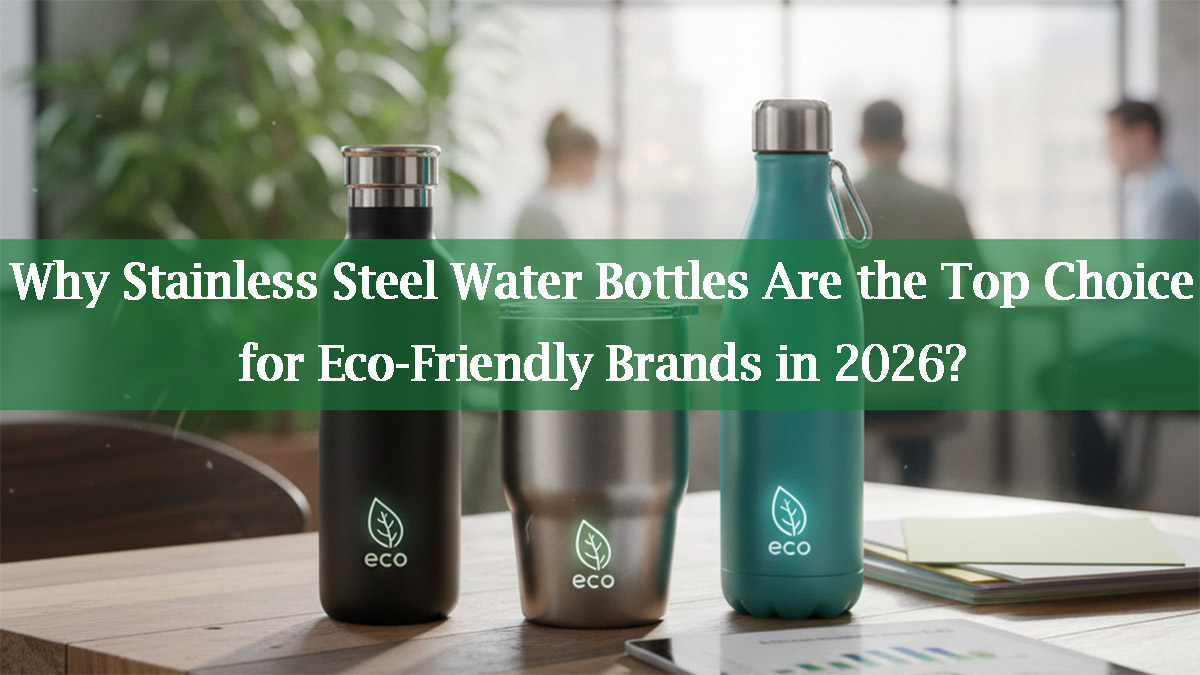
Environmental protection-oriented brands often encounter a familiar problem: how to make sustainable development authentic without sacrificing the convenience of daily use. Reusable water bottles placed on the desktop, in sports bags, or on the conference sign-in desk seem inconspicuous, but they are unexpectedly symbolic. As long as it is carefully selected, it can convey the signals of “we attach importance to quality” and “we focus on the long term”, and no slogan is needed.
Stainless steel water bottles combine durability, refreshing and pure taste and high-end texture into a reusable form, which can support the reduction of waste during the use period. For brands that want to keep their actual operations in line with sustainable expectations, stainless steel is often superior to many common substitutes, and the difference can really be felt by customers-even in their hands.
Whether you are building a greener product mix or updating the branded merchandise strategy, it is helpful to understand why stainless-steel water bottles are the best choice for a long time.
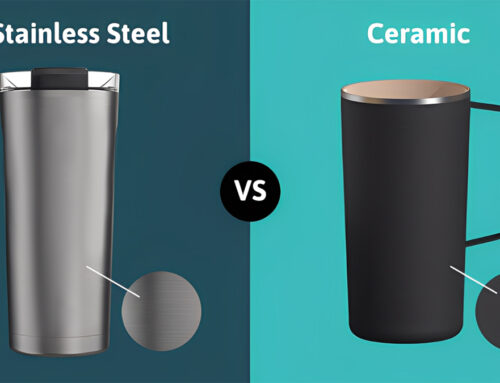
Why Do Consumers Prefer Stainless Steel Over Plastic or Glass Bottles?
Modern consumers are more likely to keep and continue to use goods that look durable, safe and have clear design intentions. Stainless steel just meets these standards, so it is often used repeatedly instead of becoming a “nice-looking gift” and finally disappearing into the drawer quietly.
Stainless steel products attract customers because it combines lasting, clean and refreshing drinking experience with a more textured appearance; This not only enhances the impression of quality, but also reduces the habit of throwing away.
Stainless steel is valued because it can withstand use. Among all water bottle materials, it is the most corrosion-resistant, rust-proof, and durable in daily use. It can withstand a wider range of use-some bumps during use may crack plastic water bottles over time or directly shatter glass water bottles. Many stainless steel water bottles can also adapt to extreme temperature changes-hot drinks or use in low temperatures-without worrying about being as fragile as glass. Durability does not just mean convenience. Water bottles can be used for many years, which can reduce the material consumption and waste caused by frequent replacement. In practice, a continuous stainless steel water bottle can replace buying a series of disposable plastic bottles-and the habits that comes with it.
Stainless steel has another visual advantage that is difficult to quantify but easy to recognize: it looks “intentional”. Its clean and modern outline shows and even sells itself on hospitality counters, company desks, fitness rooms or retail shelves. Once the water bottle looks more premium, people are more willing to put it in a conspicuous place and continue to use it, which is exactly what brands that emphasize sustainable development expect-to fulfill their promises by quiet reuse instead of loud announcement.
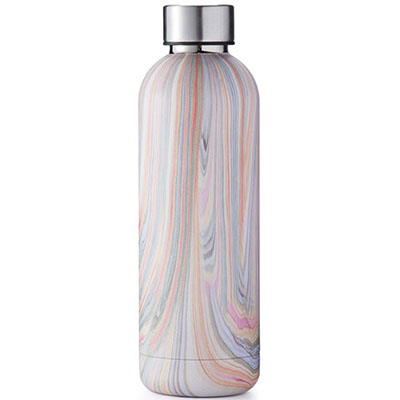
Narrow Mouth Bottle 500ml
$3.22-$3.46
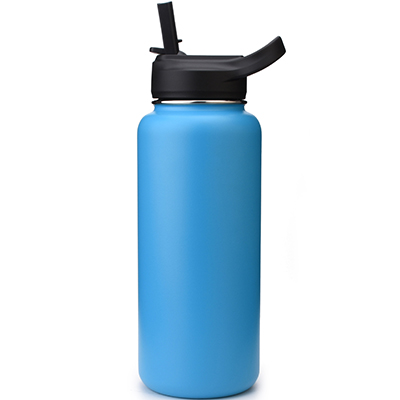
Wide Mouth Bottle 32oz
$3.98-$4.83
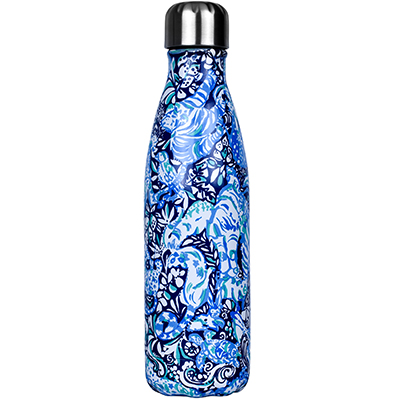
Cola Shaped Bottle 18 oz
$3.05-$3.26
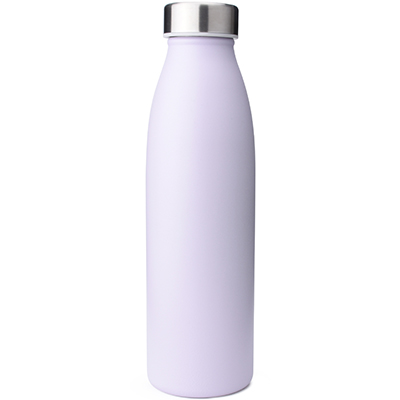
Thermos Milk Bottle 17 oz
$3.05-$3.46
Is Stainless Steel More Cost-Effective Than Plastic for Long-Term Brand ROI?
Upfront pricing usually makes decision-makers hesitate, especially when there are cheaper plastic choices. But the procurement decisions usually aren’t won by the lowest unit price, what really matters is the total cost of ownership and the risk profile over time.
Stainless steel drink bottles usually have a long-term cost advantage, because they usually have a longer service life, thus reducing the replacement frequency and supporting the sustainable goal based on reuse.
If you contact the right supplier like us, the common price range of wholesale metal drink bottles is $ 2-6; Reusable plastic substitutes usually cost around 0.5-3 dollars; Most glass bottles cost between 0.8 and 4 dollars. This difference is even more obvious when the service life is included in the discussion. A high-quality stainless steel water bottle is often thought to last for five to six years or even longer; However, due to aging, cracking or damage, the practical service life of plastics and glass may be shorter.
A more intuitive way of understanding is that the price tag only happens once, and the replacement cost is more like the “recurring subscription” that you did not intend to subscribe to.
| Material | Typical initial cost | Typical usable lifespan | What tends to drive replacement |
| Plastic | $0.5–$3 | 1–3 years | Warping, cracking, odor retention, degradation |
| Glass | $0.8–$4 | 1–5 years (fragile) | Breakage, usage restrictions in some places |
| Stainless steel | $2–$6 | 5+ years | Replacement is uncommon when quality is consistent |
How Does Switching to Stainless Steel Reduce Plastic Waste and Environmental Impact?
Cost efficiency is also reflected in the things you didn’t buy. The demand for bottled water is still extremely high. Americans consume 15.7 billion gallons (59 billion liters) of bottled water every year-this volume also explains why disposable packaging has become a long-term and intractable waste problem. Some analysts even further pointed out that the environmental impact of bottled water is dramatically higher than tap water, and disposable sports bottles also increase the burden of landfills and litter.
Even if the materials cited here differ in the specific values of “how long can plastics last”, the general direction is the same: PET plastic bottles can last for hundreds of years or even longer under landfill conditions. It also describes that Americans throw away tens of billions of disposable plastic water bottles every year, and quite a few of them are not recycled.
How to Make Designs that Consumers Really Want?
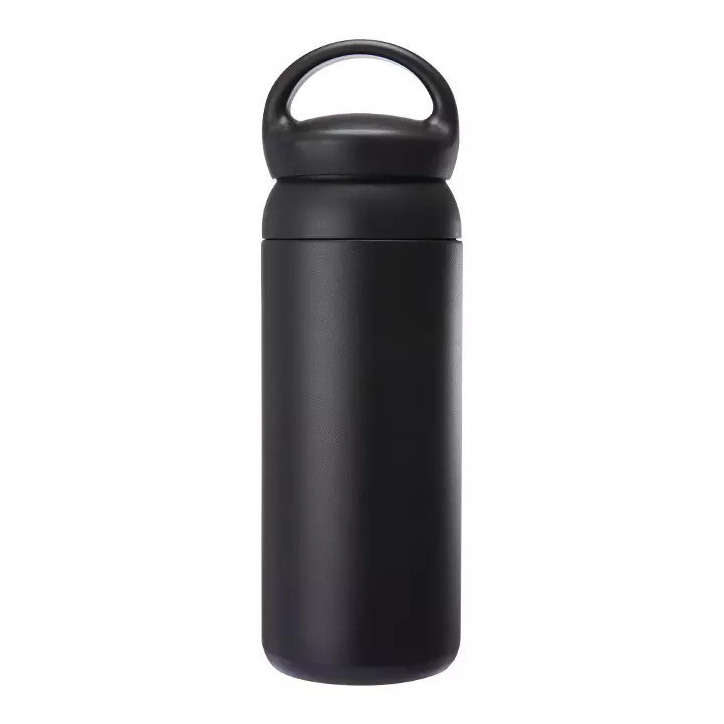
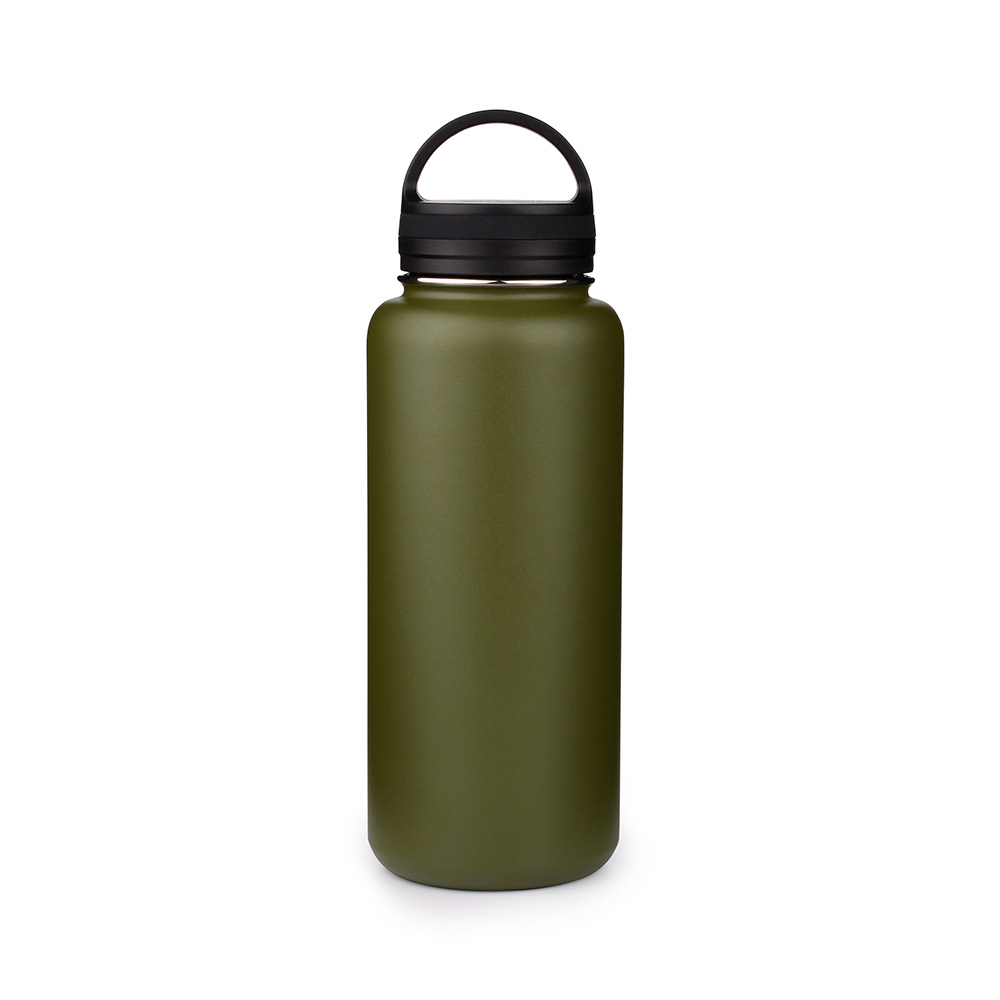
There are different preferences for the bottle mouth form: some users want to adopt push-pull or bite-type valve design to reduce spills; Others prefer a classic twist-off cap, a narrower bottle mouth for cleaner sips, or a wider bottle mouth for easier cleaning and adding ice cubes. For organizations that need to distribute water bottles on a large scale, these details will directly affect the adoption. The best water bottle is the kind that people will keep reaching for and using.
The discussion should also include the selection of materials. Type 304, also called 18/8, is usually recommended for food-grade stainless steel, which means it contains 18% chromium and 8% nickel. When evaluating suppliers, decision makers usually ask about specific material grades and food safety certification, which helps to ensure that the final product can build users’ trust and improve brand credibility.

Click and read more about design insights: Vacuum Flask Design
Conclusion
For sustainable branding strategies that emphasize the concept of environmental protection, stainless steel sport bottles / thermos coffee cups / hip flasks / beer growlers / protein shaker bottles are at a very pragmatic “crossroads”: durable enough to withstand long-term usage; The taste is fresh and clean, which is suitable for repeated use every day; The appearance and texture are exquisite enough, which makes people feel worthy of being “the choice of higher-end brands”.
A good water bottle should do two things well: serve users well every day and prove its investment in sustainable development in a quieter way. As your reliable water bottle manufacturer, we should do two things too: serve you with our experience in the industry, and open to all collaborations. Whether you need to purchase the best reusable bottles for corporate gifts or other bulk procurement needs, feel free to contact us at sales@waterbottle.tech or leave online message, we’ll evaluate your project needs and get back to you with a tailored quote within 24 hours.