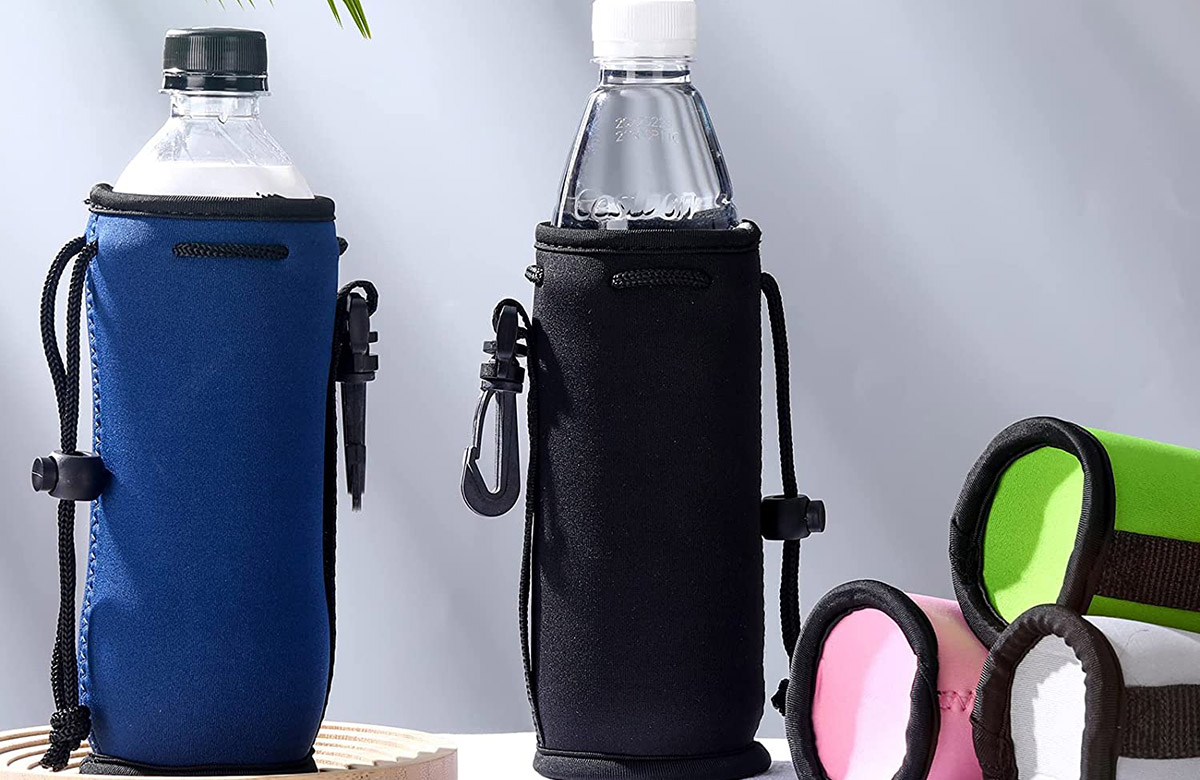
Have you noticed that the insulated bottle you spent a lot of money on get cold quickly when outdoors in winter, or that when you take iced coffee in summer, water droplets start to form on the outside before you even reach the office? Many people’s first reaction might be “the bottle’s quality is not that good”, but perhaps you just lack a reliable “bottle partner” – an insulated cup sleeve.
The insulated bottle bag is a practical tool that enhances insulation efficiency by adding a static air layer, provides physical protection, and expands usage scenarios. In this post, we will provide a practical guide from the perspective of an experienced bottle sling bag manufacturer, covering five dimensions: insulation principle, common materials, design details, purchasing tips, and daily maintenance. From purchasing guide to usage tips, this article will be helpful to both individual buyers and purchasing agents.
Why Do We Need An Insulated Bottle Sleeve?
A bottle sleeve serves many purposes, but they can all be summarized into the following three dimensions:
- Extra Insulation for Your Thermos: Supplementing the insulation function of the thermos itself, the cup bag provides additional insulation. In extreme temperatures (bitter cold winters or for keeping drinks cold in summer), the 3-8mm static air insulation layer added by the sleeve can reduce the heat loss rate of your insulated cup by approximately 15-30%, which is equivalent to extending the effective insulation time by 1-3 hours. It’s like putting a scarf around your thermos cup, adding an extra protective barrier between the cup wall and the outside air.
- Physical Protection: The insulation effect of stainless steel bottle is achieved through the vacuum between its double walls. During manufacturing, a small port is left at the bottom to create this vacuum, which is why you’ll often find a small circular indentation there (some designs treat this area specially for aesthetics and protection, but a closer look usually reveals it). This precise spot at the bottom is particularly vulnerable to impacts—for instance, if the bottle slips from your hand, the bottom hits the ground first. If it gets dented, the insulation performance can be directly compromised. A sturdy cup sleeve provides excellent cushioning against such impacts and also prevents scratches (which can ruin the finish). That’s why we often say a good sleeve might save you the cost of buying a new bottle in the future.
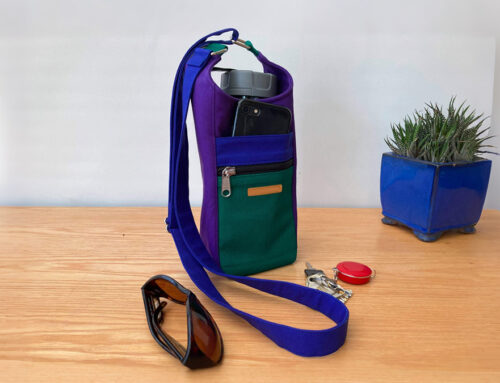
- Functional Integration: Cup sleeve designs are now highly varied. Some provide portable handles or shoulder straps, while others offer additional storage space for small items like coffee capsules, tea bags, snacks, or keys and bank cards, enhancing convenience during outdoor activities or daily commutes.
What Materials Are Used To Make Insulated Cup Bags?
When you consider buying a cup bag, you probably have a priority in mind: do you want it to achieve the best insulation, to emphasize environmental protection, or to match your clothing style? Different needs lead to completely different material choices.
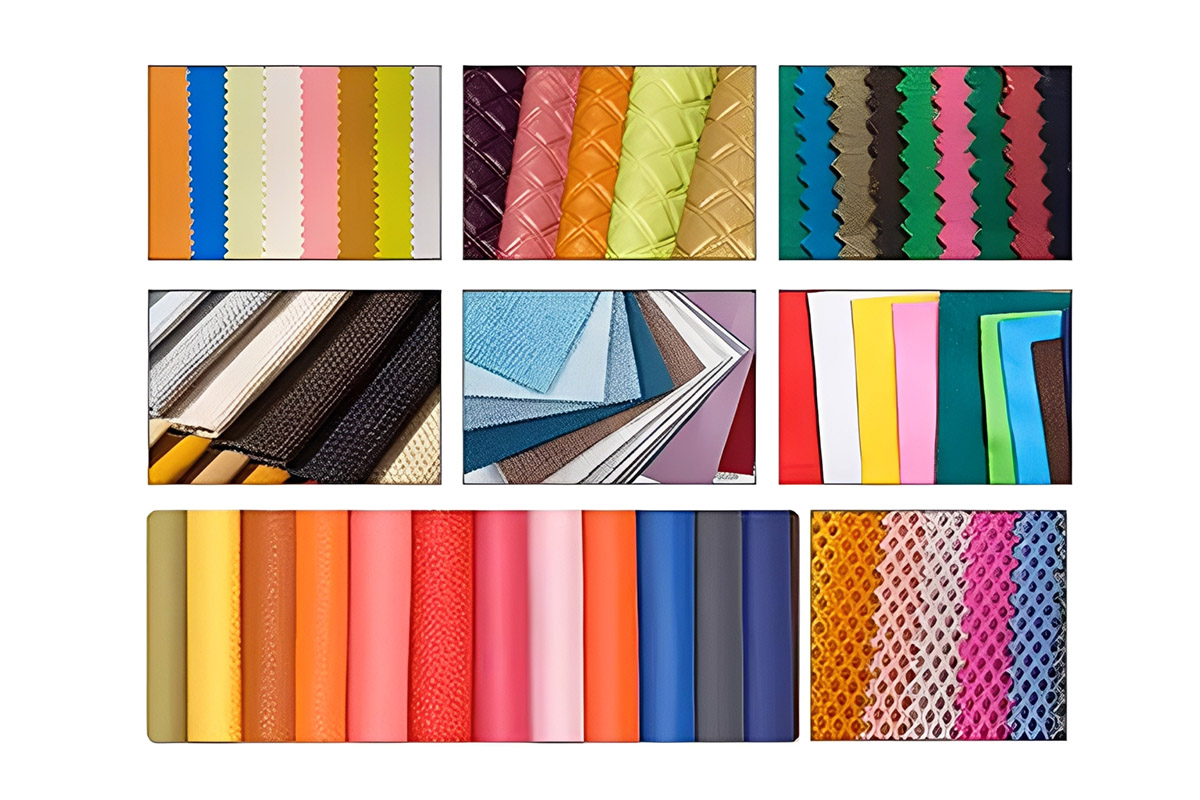
1. If You Focus on Performance: Insulation & Durability
The core mission of this type of bottle carrier bag is to lock in temperature at all costs and resist wear and tear. According to the structure, it mainly falls into two categories:
“Sandwich” Structure
It’s the most complex and sturdy high-insulation option, like a down jacket, with an outer layer, insulation layer, and inner lining.
- Outer layer: The preferred material is nylon (such as 420D, 600D nylon), similar to the fabric of most rain jackets, ensuring it won’t be torn or worn out in a backpack or outdoor environment. Its main features are high wear resistance, high strength, and light weight. A higher denier (D) value indicates thicker threads and more durable fabric.
- Insulation layer: The middle layer mostly uses closed-cell foam materials (such as EVA), filled with countless independent and closed micro-air sacs, which can lock in air to the greatest extent and block heat transfer, and does not absorb moisture.
- Inner lining: The inner side often uses soft polar fleece or thin nylon to protect the cup’s surface from scratches.
“One-Piece Molded” Structure (Specialized in Cooling/Convenience)
This type of cup sleeve has no separate layers; the material itself provides insulation. The manufacturing process is less complex, so the cost is lower. A typical representative is neoprene, the material also used in wetsuits. It is inherently elastic, anti-slip, with proper insulation properties, and is slightly water-resistant. It is usually directly molded into shape, achieving excellent cooling performance (primarily by preventing external heat from entering) even without an additional filler layer. It’s well-suited for holding iced coffee or cans and boasts a sporty, casual style.
2. For Users Who Care More About Environment
More and more buyers ask: “What is this made from? Is it eco-friendly?” Because most buyers choosing reusable stainless steel or plastic water bottles are often driven not just by a desire for insulation, but also by environmental concerns. After all, the more convenient option for hydration is bottled water that can be bought anywhere.
- Recycled materials: Many brands are now incorporating rPET (recycled polyester), a fiber made from recycled plastic bottles. Its performance is comparable to virgin polyester but with a smaller carbon footprint. This is a sourcing direction our factory is actively pursuing.
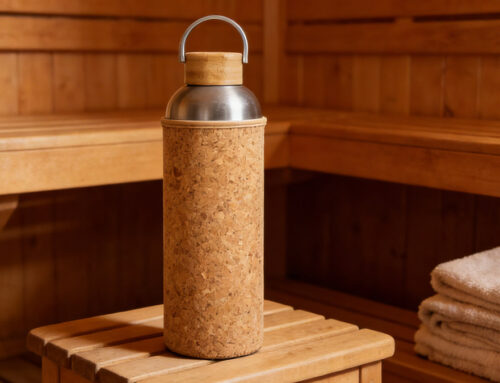
- Natural & biodegradable materials: Some innovative brands are trying out organic cotton, cork, and even biodegradable PLA foam. These offer unique textures and lower end-of-life environmental impact, though they often involve trade-offs in insulation, durability, or cost.
- Durable and Wear-resistance: Another facet of sustainability is extending product life. A classically designed, strongly stitched, and robustly constructed cup sleeve that lasts for years without needing replacement is inherently eco-friendly.
3. Cup Bag Materials that Meet Fashion Tastes
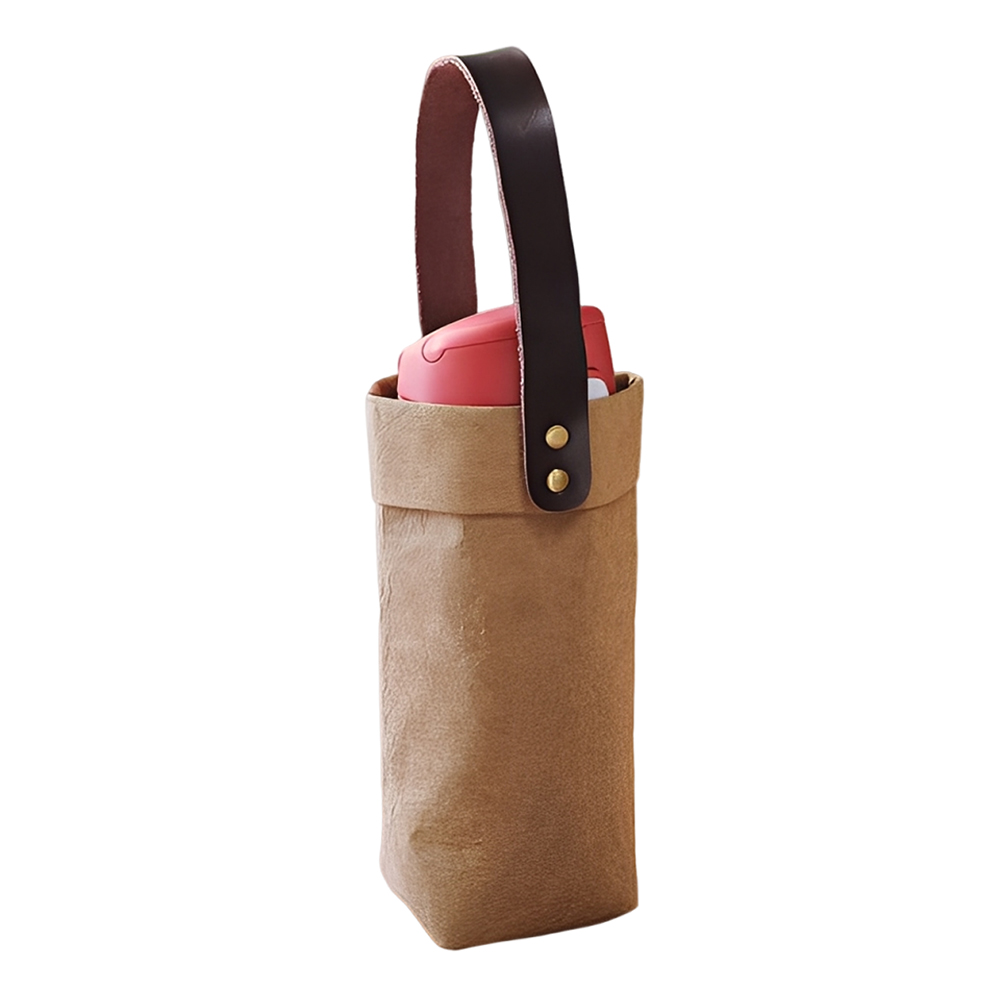
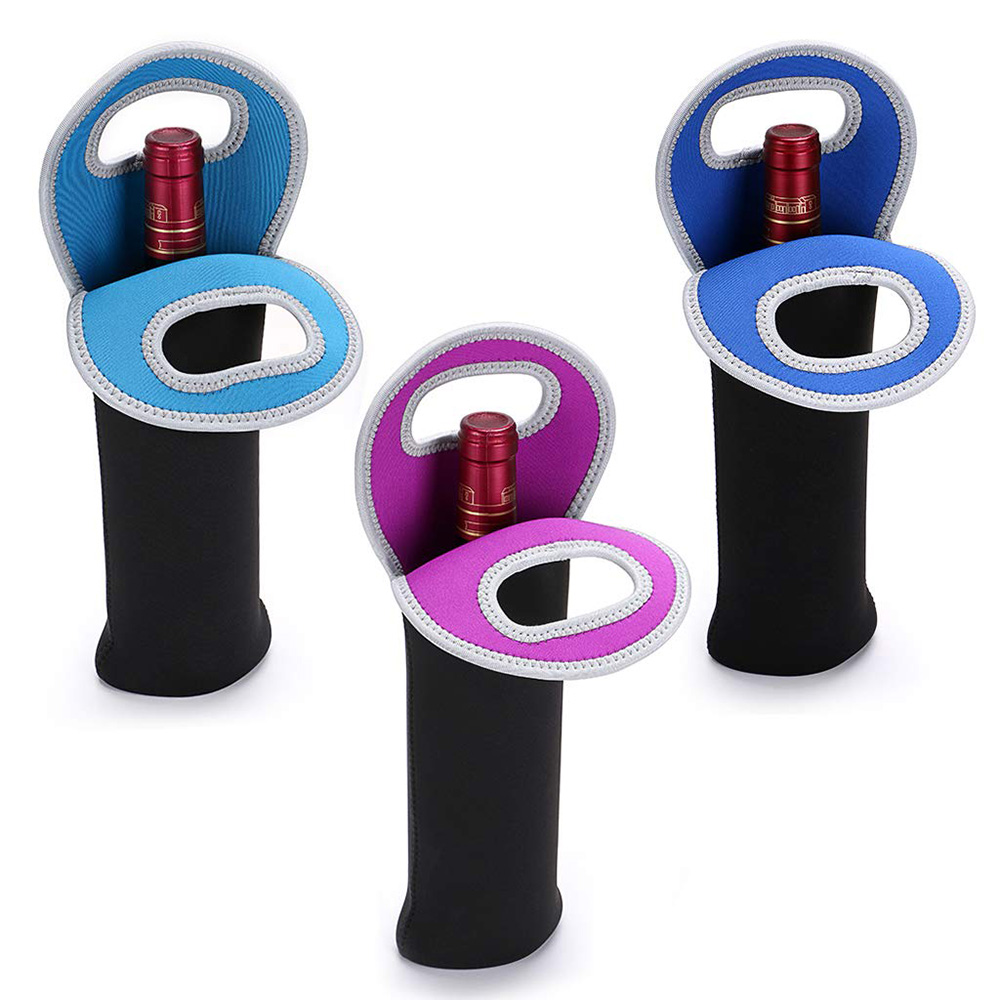
For many buyers, a cup bag is a personal accessory to carry around, something to free up hands while commuting or shopping, or simply a stylish complement to an outfit. In this context, to some degree, “performance” takes a back seat to “expression.”
- Fabric as Style Statement: Choices may include textured canvas, cozy knits, retro corduroy, or polyester with unique prints. They convey a specific aesthetic and mood.
- Design Takes Priority: The fasteners could be exquisite metal buckles, and the handles could be made of leather or woven straps. It may not be as durable, but it is good-looking enough to perfectly match your bag or outfit.
- Transparent ” Techwear style”: Recently, transparent TPU material cup bags have become popular, clearly showcasing the bottle inside and emphasizing a futuristic, individualistic look. For users who choose these, insulation is often not the main concern.
While the insulating performance of this type of bags may not match the previous two categories, any fully enclosed sleeve (as opposed to a purely decorative mesh one) still provides a certain degree of thermal retention.
High-Quality Bottle Sling’s Design Details and Craftsmanship
1. Overall structure design:
The high-quality cups bags are designed to be sewn in a 3d manner, perfectly fitting the curve of the bottle body. While cheaper products are mostly featured in simple cylindrical shapes with uneven bottoms, often causing a problem: they are prone to tipping over when you place them on a table.
The independently thickened wear-resistant base (such as rubber sheets, thickened nylon) is an important detail, which can stabilize the placement and protect the most vulnerable part of the cup bottom (the round hole left by vacuum treatment); some designs leave a drainage hole at the bottom that does not affect the base protection, to promptly drain the internal moisture caused by condensation.
2. Closure Method:
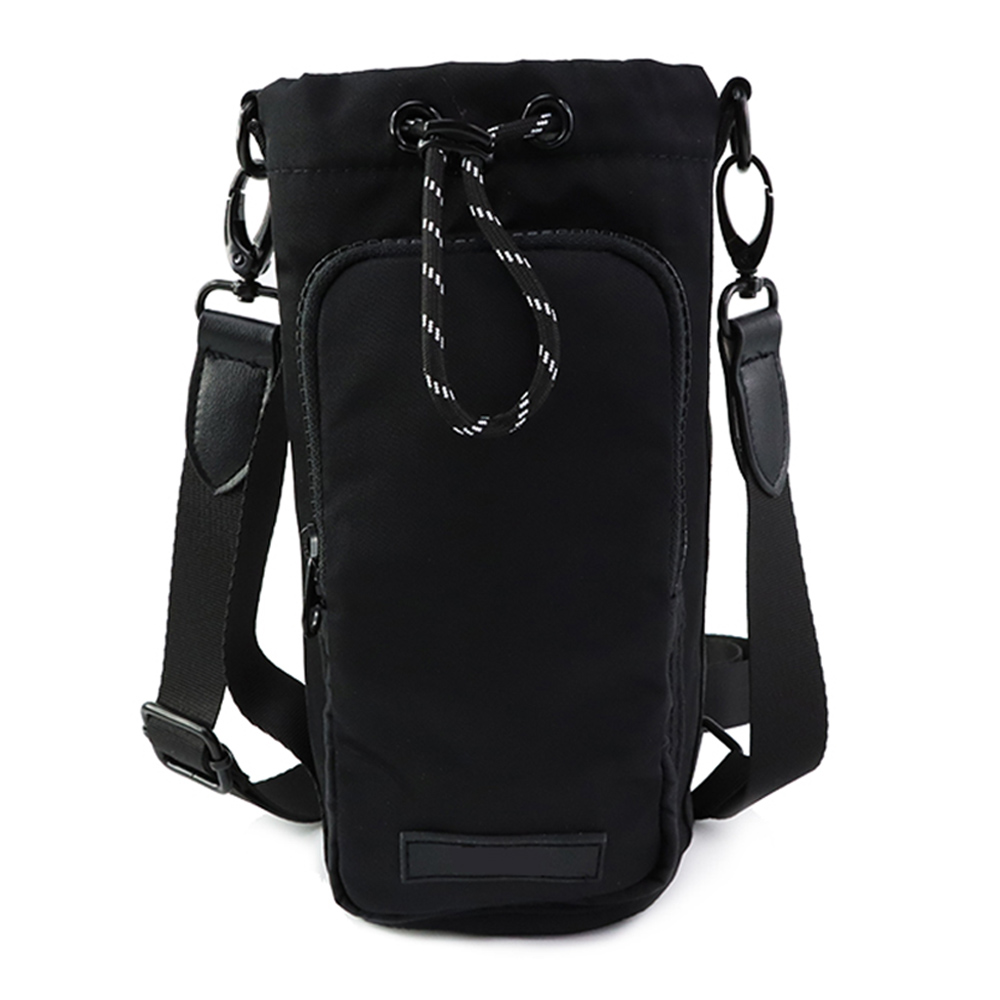
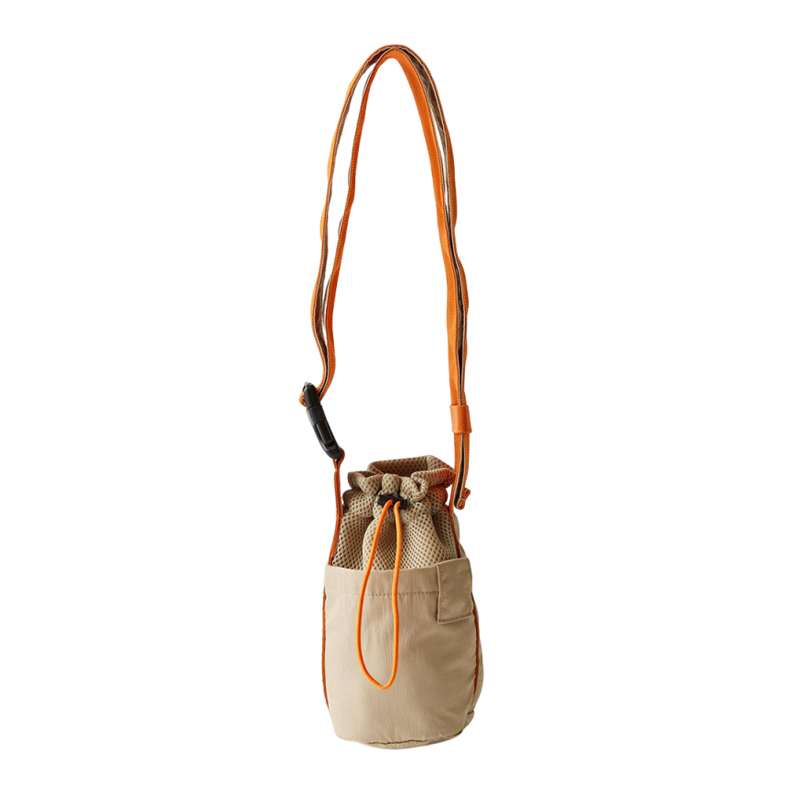
- Drawstring: Low cost, easy to adjust, but its sealing performance is relatively lower, and accordingly, the insulation property will also decline.
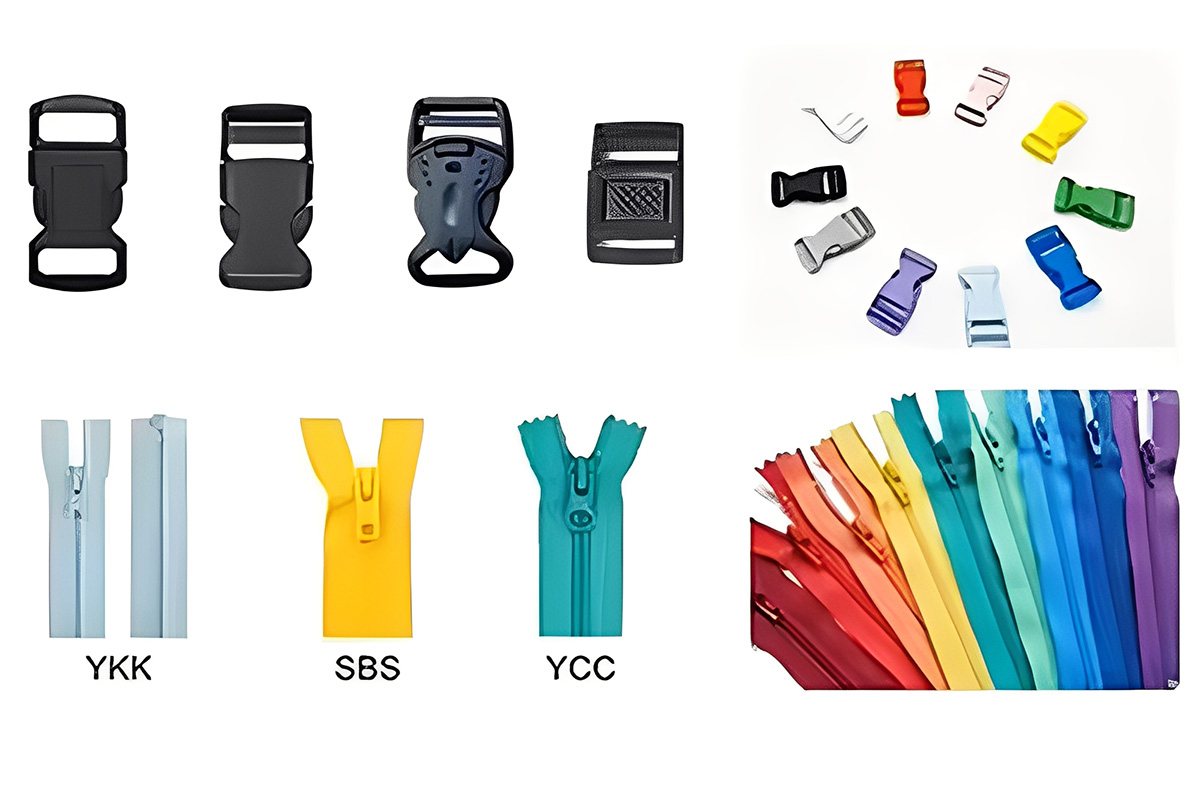
- Zipper: Typically a side zipper, providing better sealing and protection. Waterproof zippers (from brands like YKK) are an identifier of high-end outdoor models.
- Hook & Loop or Snap Buttons: Commonly used for sleeves designed to secure bottles to gym equipment arms or bicycle handlebars (scenarios requiring semi-detachable fastening). They are also used in combination with other closures for auxiliary fixing or for small pockets on the sleeve body.
3. Accessories and Craftsmanship:
The width of the load-bearing straps (for example, 20mm is better than 15mm), and the brand of the fasteners (such as UTX-Duraflex) directly affect the durability and cost of the harness. Some designs use short shoulder straps, some use long back straps, and some use both. In some designs, the long back straps are also equipped with detachable rings or adjustable snap fasteners, etc.
High-quality, sturdy cup sleeves typically use double-stitched seams or edge-bound finishes, which are stronger than single stitching. Tighter seams also contribute to better insulation performance. The neatness of thread ends is another indicator of quality control.
4. Custom Design:
Beyond the basic functions, the design of cup bags offers vast potential for extension – customization. This goes far beyond just printing a logo; it involves deeply shaping the sleeve’s appearance and function based on specific needs.
Color and Pattern are the most common customization options (and also the least costly). We have mature customization technologies such as thermal transfer printing, screen printing, and jacquard tape. Whether it’s corporate standard colors, event theme colors, or unique artistic patterns, we can fulfill your requirements to make the cups and bags become your mobile brand identity card or personal statement.
Logo & Branding Application: The way the logo is presented is also part of the design. Besides direct printing (heat transfer printing, screen printing), other options include embroidery (which offers a more textured and durable finish), leather or silicone plaques (which enhance the quality), or metal badges (which provide a stylized embellishment). However, these latter options have more complex production processes and thus the costs will also increase accordingly.
Functional Accessories and Structural Customization: Replacement or addition of specific accessories, such as custom leather handles, brand-themed decorations, and dedicated clasps that match specific devices (such as a certain model of stroller or office chair); Customization of internal compartments of the cup bag to meet specific needs in certain scenarios
Fully Original Design
For customers with clear functional concepts and brand image, starting from scratch is possible. Starting from determining the core usage scenario (such as “outdoor film festival gifts” or “high-end gym membership gifts”), defining a unique shape, opening mechanism, material combination, and internal layout to create a truly unique product. Upon finalizing cooperation, an NNN/NDA agreement is signed to protect your design concepts.
Customization means solving problems more precisely. Whether serving as corporate gifts to enhance brand loyalty, event merchandise, or branded peripherals for retail chains, a well-conceived custom cup sleeve holds value far beyond a simple container. It becomes a practical touchpoint connecting the brand with its users.
How to Choose the Right Bottle Insulator?
We’ve covered a lot about materials and design, but when it comes down to actually choosing one, how do you start? It’s simpler than it seems. Based on our experience working with thousands of users, focusing on these three key points will help you quickly narrow down the perfect sleeve for your needs.
1. The Most Important Factor: Size
This is the most fundamental yet often overlooked aspect. A cup carrier that doesn’t fit your cup properly will significantly compromise its insulation and protection.
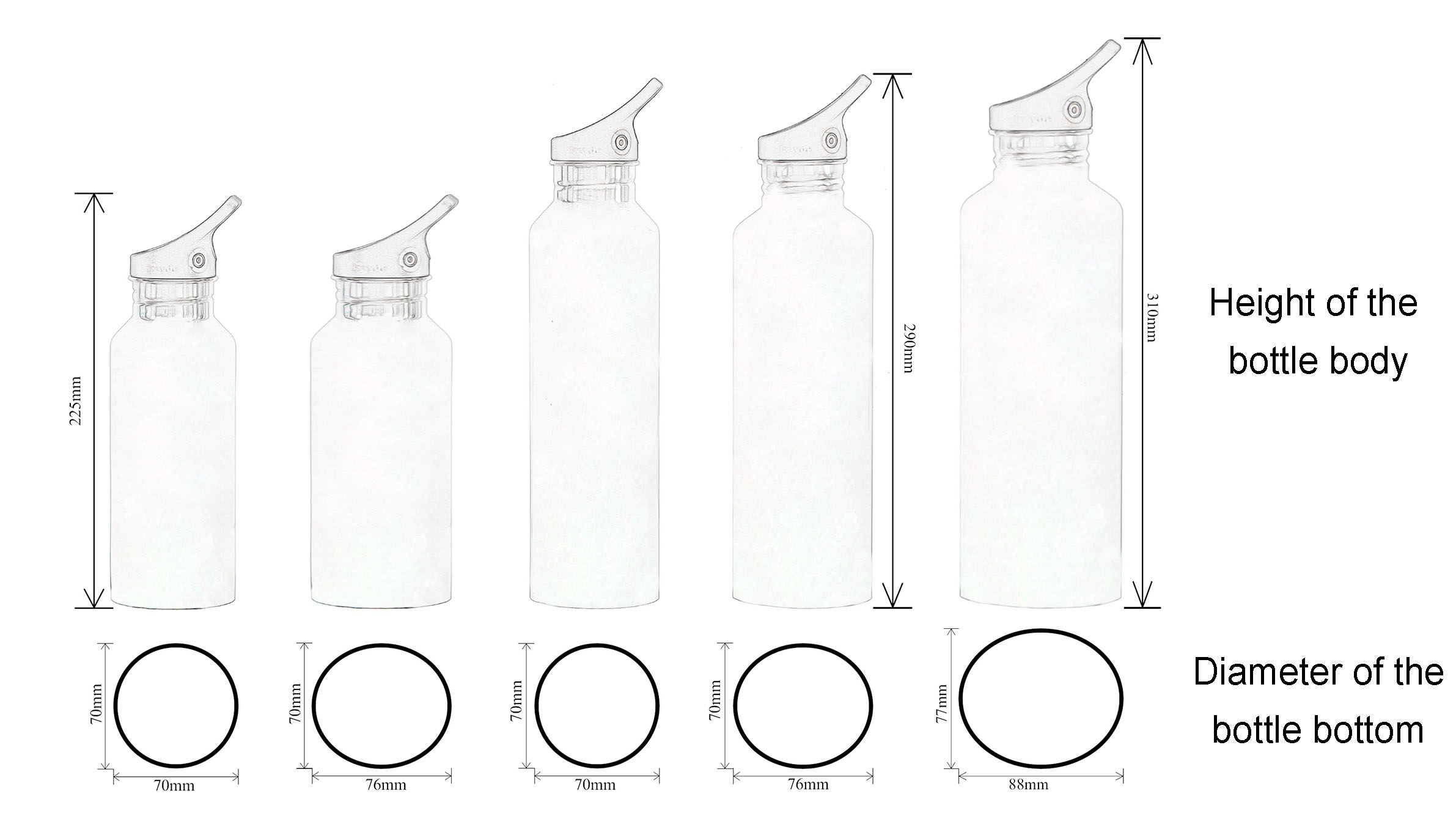
- How to measure? Take out your insulated bottle and use a tape measure to check its height (including the lid) and the “waist” (the diameter at the base).
- How to choose? The inner height and diameter of the sleeve should ideally be 0.5 to 1 cm larger than your bottle’s measurements. This slight allowance ensures easy insertion and removal, accommodates special lids (like those with handles), and creates an effective insulating air layer.
- Tip: If you’re placing a custom order with a supplier like us, providing the exact bottle model or dimensions allows us to achieve a perfect, tailored fit.
2. Where Do You Mainly Use It?
Daily urban commuting
The preferred choice is lightweight, stylish, and easy-to-carry cups and bags. Since most situations do not require dealing with extreme weather or frequent wear and tear, polyester fibers or lightweight nylon fabrics are sufficient. Pairing with a convenient hand-held or cross-body design, it can easily blend into your daily outfit and bag.
Outdoor sports and hiking
Priority should be given to choosing thick and sturdy fabrics to withstand direct contact with rain and sunlight as well as frequent friction. A suitable combination: high-density wear-resistant nylon, thick EVA padding, reinforced bottom, and waterproof zippers. At the same time, wide adjustable shoulder straps (preferably detachable) or climbing hook rings are also indispensable.
Fitness & cycling
In addition to protection, special attention should be paid to stability. Choose styles with side straps or bottom hooks, or those with magnetic strips on the bag sides, which can securely attach to gym equipment brackets or bicycle handlebars to prevent shaking.
Families with children and car travel
Easy cleaning, large capacity, and multiple storage options are key. The fabric should be able to be wiped clean with a damp cloth (that is, waterproof fabric). The internal space should be spacious enough to accommodate different cups (baby bottles, juice bottles, milk cartons, etc.), and an external pocket for snacks and wet wipes would be very practical.
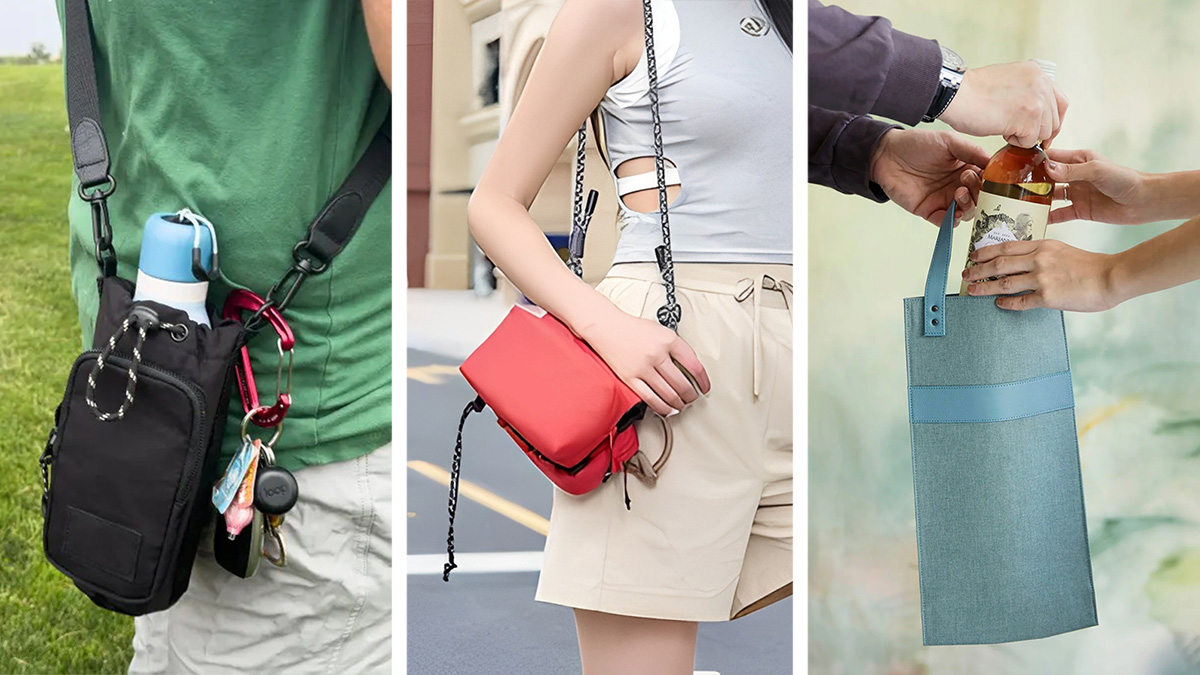
3. Balance Your Budget with Your Values
If you are looking for cost-effectiveness, polyester fibers, neoprene, and others are practical choices. These materials can cover most daily scenarios with decent performance.
If you mainly use cup bags for outdoor activities, we recommend you to choose high-quality nylon and premium fillings, balancing insulation and durability. This is usually the solution we recommend for heavy users.
If you place more emphasis on fashion/eco-friendliness, favoring recycled materials, natural fabrics, or unique designs, although the price is slightly higher, it is completely worth it. Because it satisfies emotional and value recognition beyond functionality.
For a more detailed guide on how to choose, we have written an article titled “How to Choose the Right Cup Bag for Your Stainless Steel Water Bottle: Size, Material & Design“, which systematically covers the entire process from measuring to matching scenarios. If you need step-by-step guidance during your selection, this article will be a great resource for you.
Usage and Maintenance Tips
- A Small Habit Before Use: Before inserting your bottle, always ensure the lid is tightly screwed on. This is crucial for preventing accidental liquid leaks and soaking the sleeve’s inner lining, especially when placing it in a backpack.
- Cleaning: Most cup sleeves can be cleaned by simply wiping the interior and exterior surfaces with a damp cloth. We do not recommend putting the sleeve directly into a washing machine unless the product label explicitly states “machine washable,” as intense tumbling and detergents can damage the insulation layer and bonded seams. For deep cleaning or disinfection, you can wipe it with a solution of mild, neutral detergent, followed by wiping with a clean, damp cloth.
- Drying: If the bag is damp inside, turn it inside out and dry it thoroughly. This is the most effective way to prevent internal mold growth and odors.
- When to Consider Replacement: If the sleeve shows signs of split seams, fabric tearing, or if the insulation layer remains compressed and loses its resilience, its protective and thermal performance has significantly degraded. Timely replacement with a new one ensures continued care for both you and your bottle.
Conclusion
A high-quality insulated bottle sling is a combination of materials science, ergonomics and practical design. Through the use of mature industrial materials (such as nylon and EVA) and reasonable design, it significantly improves the user experience, lifespan and convenience of insulated cups at a relatively low cost. We hope this article can help you understand the materials and craftsmanship behind it, so that you can make the best choice that matches your own needs.
Whether you are looking for a favorite item for yourself or seeking reliable small or large-scale procurement and customization solutions for your team, brand or business project, we have accumulated rich experience. If you have more specific needs or ideas, please feel free to contact us at any time through our website or business email sales@waterbottle.tech.

Mr. Samuel Liu is Senior Research&Development Engineer of KingStar Industries Co., Ltd. Please feel feel to send email to info@waterbottle.tech if you want to talk with him on technology and manufacturing.