In a time when the plastic ban has been revoked, what protective power does the water bottle you carry hold for our national parks?
When you plan to travel to a national park, you may carefully pack your sunscreen, hiking shoes and rain gear, but perhaps you will overlook one crucial piece of equipment – a truly environmentally-friendly and reusable water bottle.
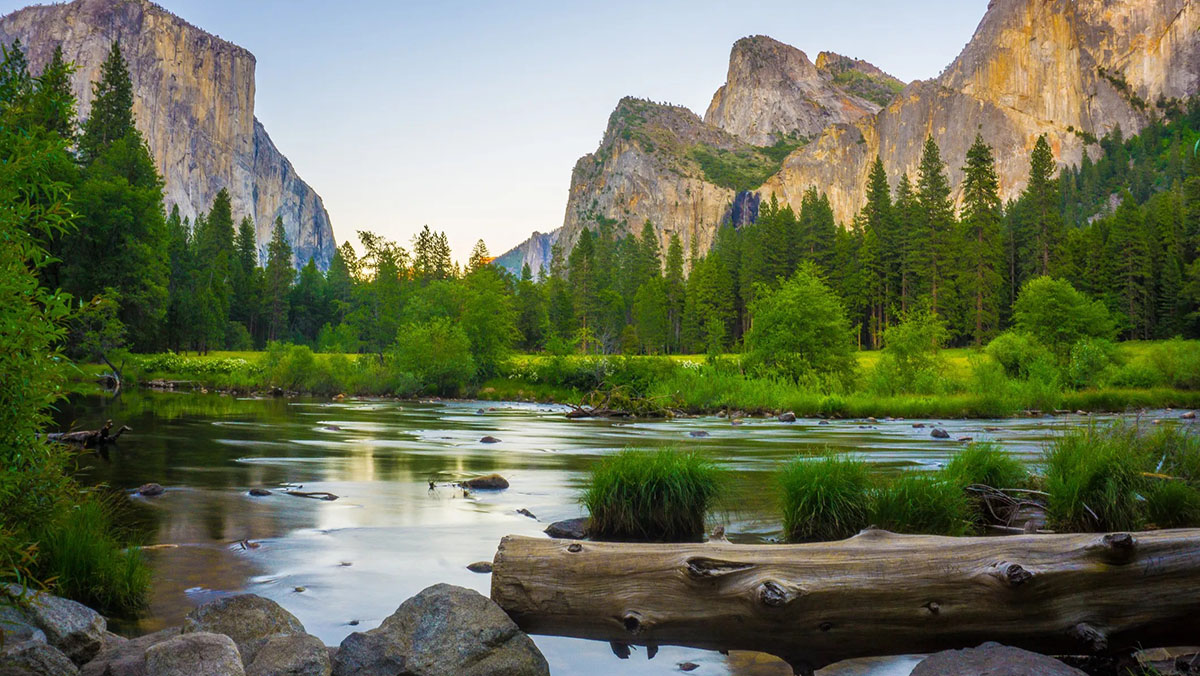
At dawn, when you stand on the top of a mountain in a national park, beneath you is a turbulent sea of clouds, and the wind is whistling past your ears. Such a magnificent scene, if you overlook those flattened plastic bottles lying at your feet.
It is not only an ugly stain, but also a reflection of the global plastic pollution crisis in this “pure place” of the national park. Although federal policies have been adjusted and may be adjusted once more in the near future, the long-lasting stainless steel water bottle in each tourist’s hand (including yours) may still be the first line of defense against pollution.
The Plastic Crisis in National Parks: An Urgent Reality
Our national parks are being overwhelmed by plastic waste. According to the data from the “Plastic-Free Parks” garbage survey project initiated by the environmental organization “5 Gyres”, plastic products account for as high as 81% of all the garbage recorded on national parks and federal lands in the United States. Nearly 45% of this is food and beverage packaging. Imagine what an appalling “mountain of garbage” would look like if millions of tourists leave one plastic bottle each year.
This means that the natural sanctuaries that visitors enter with reverence are being submerged by our own plastic packaging after consumption. From cigarette butts, food packaging paper to plastic bottles and caps, these “disposable” items are becoming part of the park landscape.
The more far-reaching impact lies in the ecology.
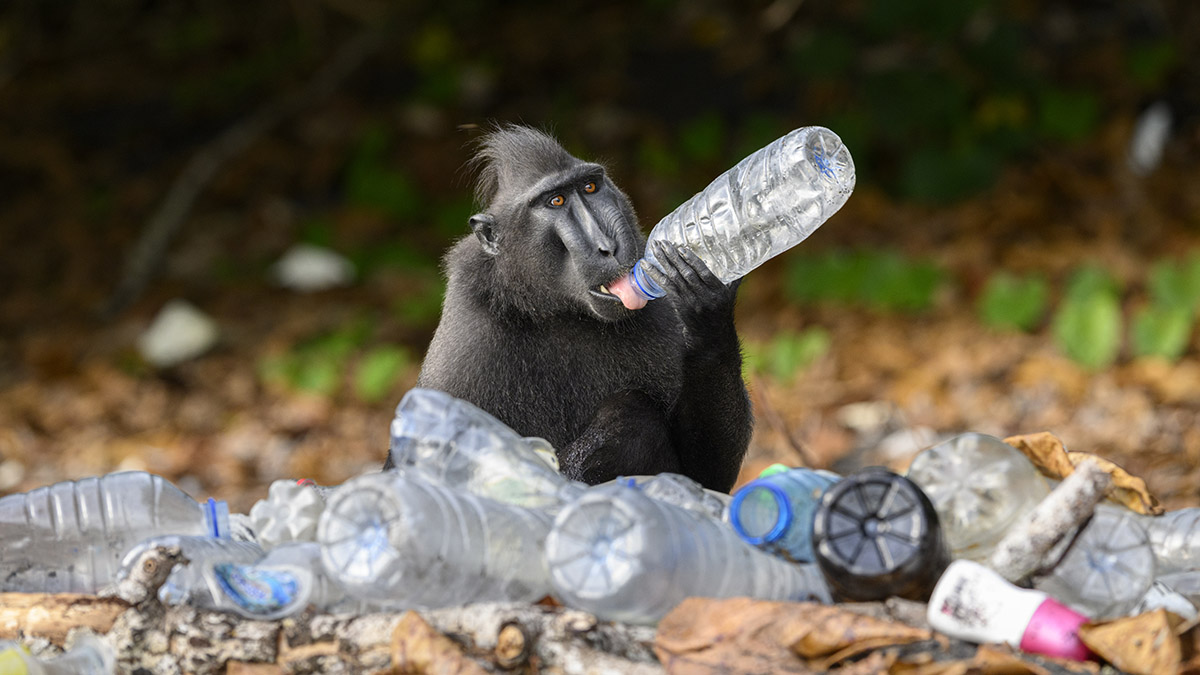
These plastic wastes are extremely difficult to clean up in the remote and vast national park environment, causing direct harm to the ecosystem: when wild animals ingest them, it leads to digestive blockages and even death; plastic enters water bodies, breaks down into microplastics, polluting water sources and endangering aquatic organisms; that is to say, these microplastics enter the food chain and ultimately threaten human health.
Facing this crisis, the US Department of the Interior(USDI) issued the 3407th ministerial order on World Oceans Day in 2022, clearly requiring that in the public lands under its management, including all national parks, the sale and provision of disposable plastic products be gradually stopped, with the goal of completely eliminating them by 2032. The National Park Service (NPS) has also formulated a plan to support the realization of this goal.
However, the path of this policy has not been smooth. In May 2025, the ban took a significant turn.
According to media reports, the new Secretary of the Interior, Doug Burgum, signed a new order rescinding the original “Order 3407.” The new order states that the original ban presented “operational and logistical challenges” in its implementation and restricted locally tailored solutions.
This policy change undoubtedly casts uncertainty over the plastic pollution control in national parks. The unified action at the official level has been temporarily shelved, but the plastic pollution problem in the parks has not been put on hold.
The Silent Consensus: Gap Between Public Support and Action
Contrary to the uncertainty of policies, there is a clear and firm attitude from the public. A national public opinion survey released by the environmental organization Oceana shows that as many as 82% of American voters support the National Park Service to stop selling and distributing disposable plastic products.
Similarly, 83% of the respondents believe that it is crucial for national parks to remain free of plastic waste, and 76% agree that there shouldn’t be disposable plastic items in national parks.
This reveals a striking paradox: while public environmental consciousness has matured, systematic solutions are struggling to keep pace for various reasons. When the top-down policy approach hits bottlenecks, it is the bottom-up individual choices that take on even greater significance.
Every tourist who carries a reusable water bottle is filling the gap between this “consensus” and “reality” with their actions.
Why Choose A Stainless Steel Water Bottle: A Win-win Choice for Environmental Protection and Health
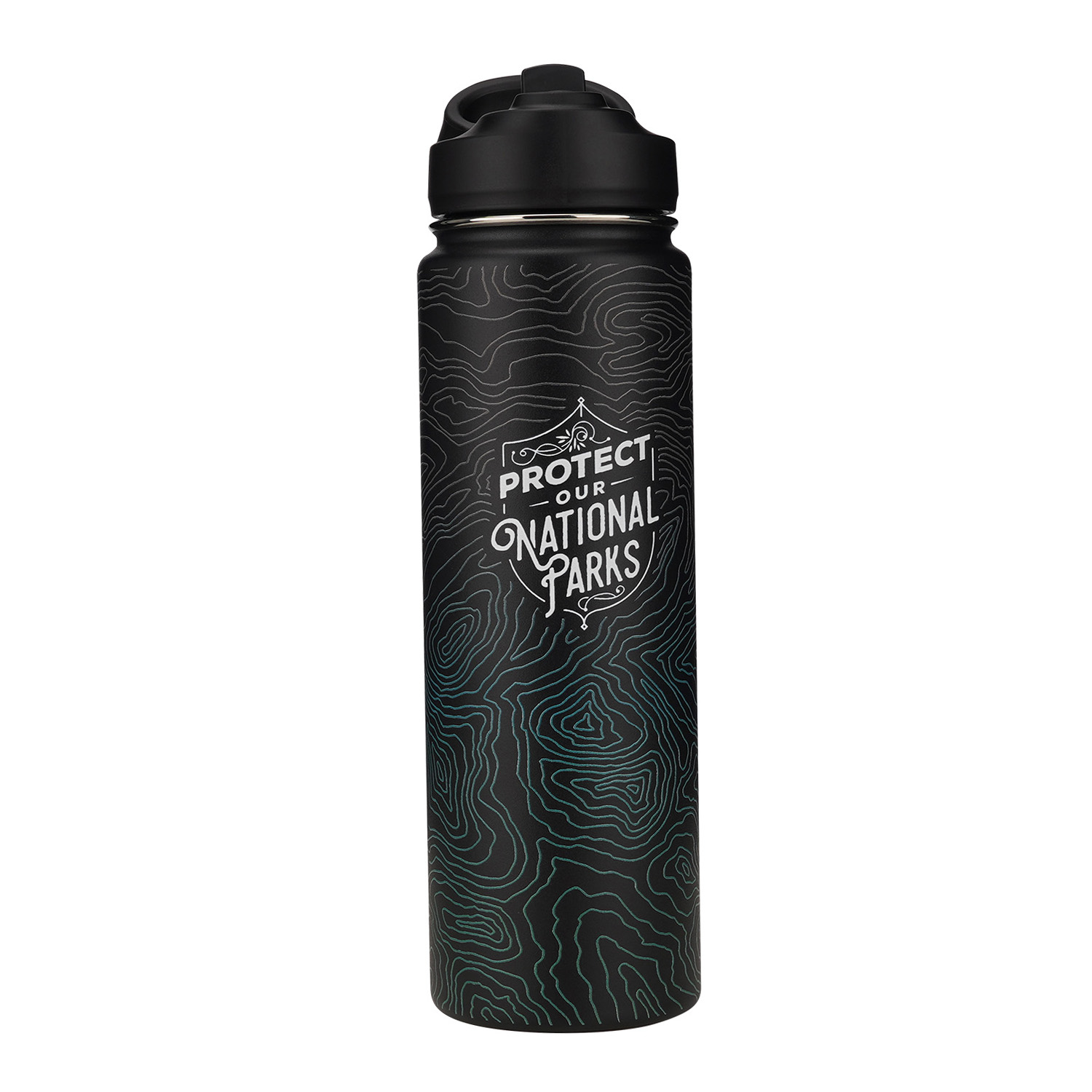
Between policy fluctuations and the reality of pollution, individual choices have become the most stable and direct force. Among numerous reusable options, the stainless steel water bottle stands out and becomes the ultimate personal equipment for protecting national parks.
- Ultimate Eco-Friendliness, Infinite Recyclability: Stainless steel can be recycled endlessly, and its quality does not deteriorate after recycling. Its service life is much longer than that of plastic bottles, making it a truly sustainable material. Choosing a high-quality stainless steel bottle means you can rely on it for many years in the future, fundamentally reducing waste.
- Healthy and Safe, Free from Microplastics: Health is the foundation of outdoor activities. Studies have shown that microplastics are commonly found in bottled water. A 2018 survey by the World Health Organization found that 90% of the bottled water tested contained microplastics, and the content might be nearly twice that of tap water. Stainless steel is chemically stable and does not release microplastics or harmful substances, ensuring your drinking water is pure and safe.
- Durability and Cost-Effectiveness: Stainless steel water bottles are shock-resistant and wear-resistant, making them perfect for the variable outdoor environment. One investment, long-term use. It is far more economical than constantly purchasing bottled water.
- Temperature Retention, Enhanced User Experience: Double-layer vacuum stainless steel bottles can maintain water temperature for a long time. Whether providing a cold drink in the hot summer or warming your hands in the cold morning, it can greatly enhance the comfort of your hiking.
How to Choose A Eco-friendly Stainless Steel Water Bottle that Suits You?
Selecting a suitable stainless steel water bottle is the first step towards embarking on this sustainable adventure. Amid the wide range of products available on the market, remember the following key points to help you find the perfect one:
- Identify the material: Choose 304 or 316 food-grade stainless steel. These two materials are corrosion-resistant, safe and reliable.
- Determine the capacity: Decide based on the duration of your hike. For a half-day hike, a 24oz (about 700ml) bottle is sufficient. For a full-day activity, a 32oz (about 950ml) or larger bottle is recommended.
- Pay attention to insulation: The double-wall vacuum design is the key to insulation. If you need to keep your water cold or warm for 12-24 hours, carefully check the specific instructions of the product to see if it meets your requirement.
- Choose the bottle mouth: A wide-mouth bottle is easy to clean and add ice; a narrow-mouth bottle has good leak-proof performance; an open-top bottle cap is convenient for drinking during the journey. So choose the bottle mouth style accordingly.
- Don’t forget those small details that enhance your experience: You might find some additional designs suits you more, be it a non-slip bottom, a detachable hook, or clear capacity markings.
Practice “Leave No Trace” by Bringing Your Own Sustainable Stainless Steel Bottle
Taking your favorite water bottle is just the first step. How can you make the most of it and minimize your environmental impact?
- Plan Ahead for Easy Refills: Before setting off, check the locations of water refill stations within the national park on the official website. Nowadays, most major parks have set up free water refill stations at visitor centers, campsites, etc., allowing you to refill your cup easily.
- Hydrate Smartly: Adults need to drink about 2 liters of water (approx. 8 cups) every day in their daily lives. During dry and energy-consuming hikes, the water requirement is even greater. To make drinking more fun, you can try adding lemon slices, cucumbers or berries to the water bottle to add natural flavors.
- Keep It Accessible: Place the water bottle in the side pocket of your backpack or use a front-mounted bottle bag to ensure you can replenish water at any time and avoid dehydration.
- Practice the “Leave No Trace” Principle: Beyond your bottle, make sure to pack out all waste, including food wrappers and other trash. Take only memories, leave only footprints.
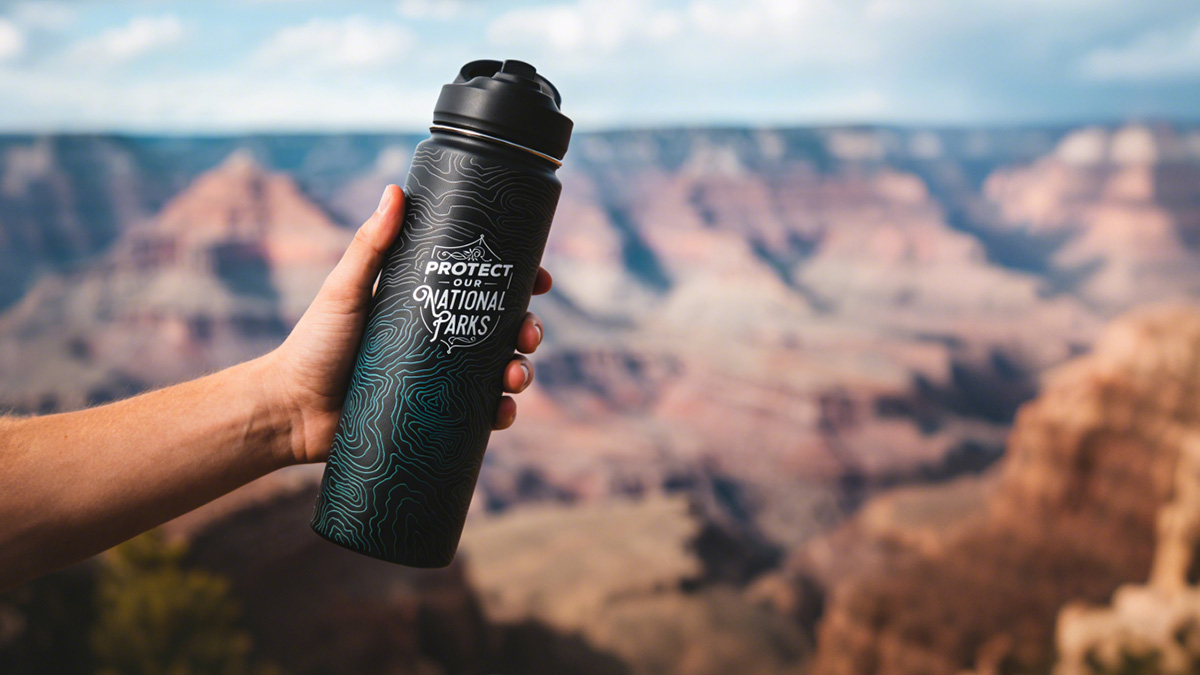
Conclusion: Our Choices Create Change
National parks are the sanctuaries of nature, and protecting them is our shared responsibility.
While policies may shift, the plastic bottles left behind on trails continue to silently harm the environment. Even in park gift shops, plastic bottles printed with majestic landscapes are sold as souvenirs – a contradictory token of our visit.
The stainless steel water bottle in the side pocket of your backpack may have scratches on its surface, but it reflects another possibility. It quietly declares that the power to protect these lands does not rest solely with distant decision-makers in Washington, but lies in the hands of every visitor who steps into a park.
Next time, when you unscrew the lid and hear the crisp “click” sound, you’re not just taking a sip of water – you’re honoring a pact with nature. The carrier of this pact – a reliable, durable, and harmless water bottle – is itself part of the promise. We recommend reliable drinkware from KingStar, precisely because we understand the weight of this promise. As a supplier specializing in high-quality stainless steel waterware, KingStar is committed to infusing environmental protection concepts into every detail of each product, with durable and long-lasting designs, accompanying your every exploration, and making sustainable choices a long-term and reassuring habit. Contact us at sales@waterbottle.tech to get more information on sustainable drinkware or get a customized quote in support of your environment-protection effort.
Take action now:
- Check your equipment kit. If you don’t have one, choose a suitable eco-friendly stainless steel water bottle for yourself.
- Share this article with your upcoming travel companions.
- Share your #NoPlasticHike# experience on social media and tag #ProtectOurNationalParks and #StainlessSteelBottle to influence more people to join the sustainable outdoor journey.

Click and read more about Custom Options: Custom Bottle Tumbler Decorating, Custom Logos of Water Bottles, Custom Water bottle Packaging

Specializing in custom manufacturing, quality control and marketing of vacuum-insulated drinkware and coolers.