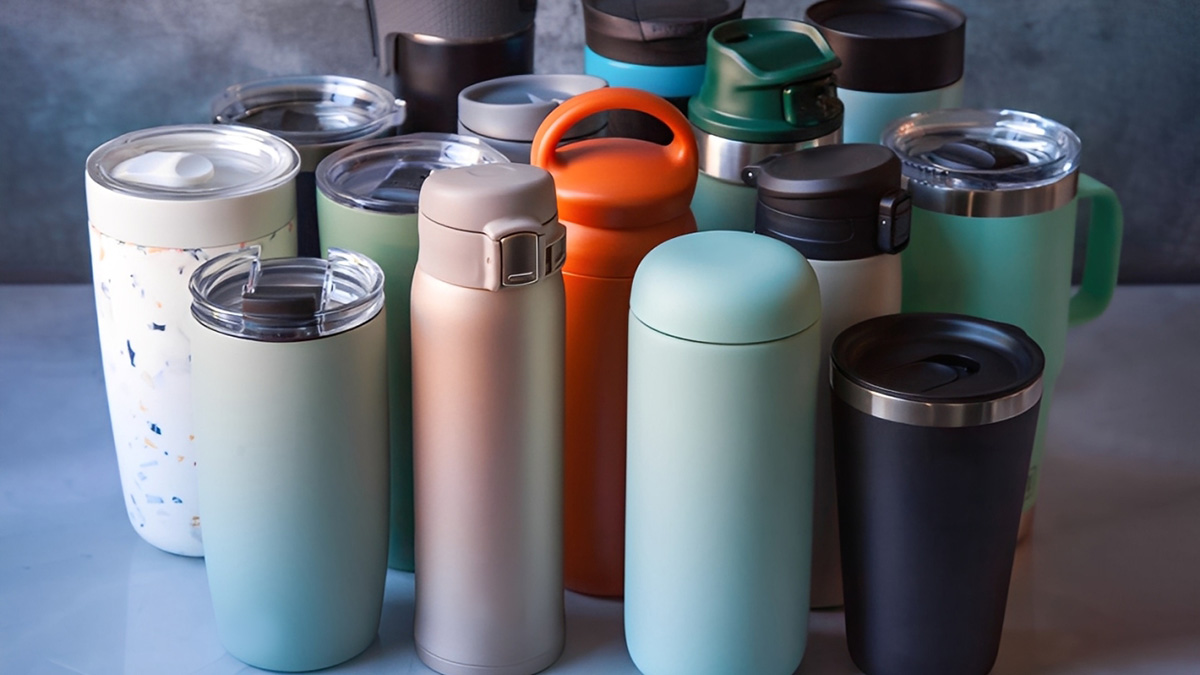
In 2023, a well-known American retailer suffered a seven-figure economic loss because a batch of vacuum insulated cups with defective quality flowed to the store shelves. What followed was quality problems such as water leakage of the lid and uneven heat preservation effect, as well as overwhelming consumer complaints. This batch of products was finally recalled, and the brand also terminated its cooperation with the involved suppliers. This storm has brought a profound lesson: in the seemingly simple thermos cup category, the selection of suppliers is by no means a detail in the procurement process, but a strategic decision that can directly affect the brand’s financial income and market reputation.
The thermos cup is a category that combines life aesthetics, industrial manufacture and brand value skillfully. Consumers’ expectations for it are very clear: it must not only keep hot for several hours, but also keep cold for a longer time, and it will withstand the wear and tear caused by frequent daily use on the desktop or car cup holder, and the whole process will be trouble-free. For the brand, such high expectation will eventually fall on the shoulders of suppliers.
Based on the global manufacturing situation, the requirements of quality control standard and escalating consumer demand, this post will explain in detail how to choose the appropriate water bottle manufacturer in combination with the practical guide of brands.
Why Choosing the Right Thermal Mug Supplier Is Critical for Brand Success
The thermos cup is a brand ambassador, accompanying consumers for a long time every day. Excellent performance silently strengthens trust. Once it fails, it will expose problems in public places such as social media and comment platforms. Therefore, supplier quality directly affects brand image, customer loyalty and long-term profit.
The influence of stable production quality is the most intuitive: poor welding, substandard insulation and inaccurate tolerance of cup cover often lead to water leakage or heat dissipation, which is also the main reason for customers’ complaints of this category, which directly leads to an increase in returns and bad reviews and the loss of repeat customers. The production interruption caused by unreliable suppliers (delayed delivery, unstable batch quality, poor communication), although inconspicuous, will affect inventory planning, marketing and retail cooperation, and the harm is equally serious.
Senior brands know that the cost performance brought by high-quality suppliers far exceeds the unit price: stable partners can reduce a lot of investment in incoming inspection, emergency air transportation, safety inventory, etc., and long-term savings are often greater than the difference in quotation. Customization ability is also a strategic advantage: now personalization has become a basic demand, and suppliers need to be able to customize logo, surface treatment and packaging on a large scale and stably, without delaying delivery.
In a word, choosing the suppliers of thermos cup is not simply purchasing products, but an extension of enterprise operation, quality system and brand promise.
Evaluating Global Thermal Tumbler Suppliers for Quality and Reliability
The most reliable way to evaluate suppliers is to put aside sales rhetoric and check the basic system supporting their production. Combined with production capacity, quality certification, process control and communication standards, the reliability of its long-term cooperation can be clearly judged.
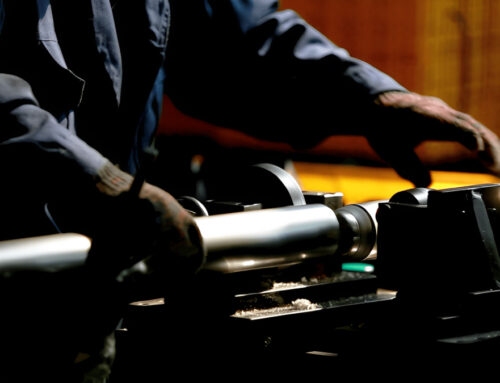
Considering production capacity should proceed from reality. The factory may be able to report bright output data, but the real effective production capacity is reflected in the scale of the factory building, the level of automation, the number of production lines in production and the stability of labor force. The factory is equipped with modern automatic production lines and skilled technicians, and the product quality control is more stable, especially for double-layer thermos cups with strict tolerance requirements. The application of NC machining, automatic welding and digital production monitoring can further reduce production deviation and human error.
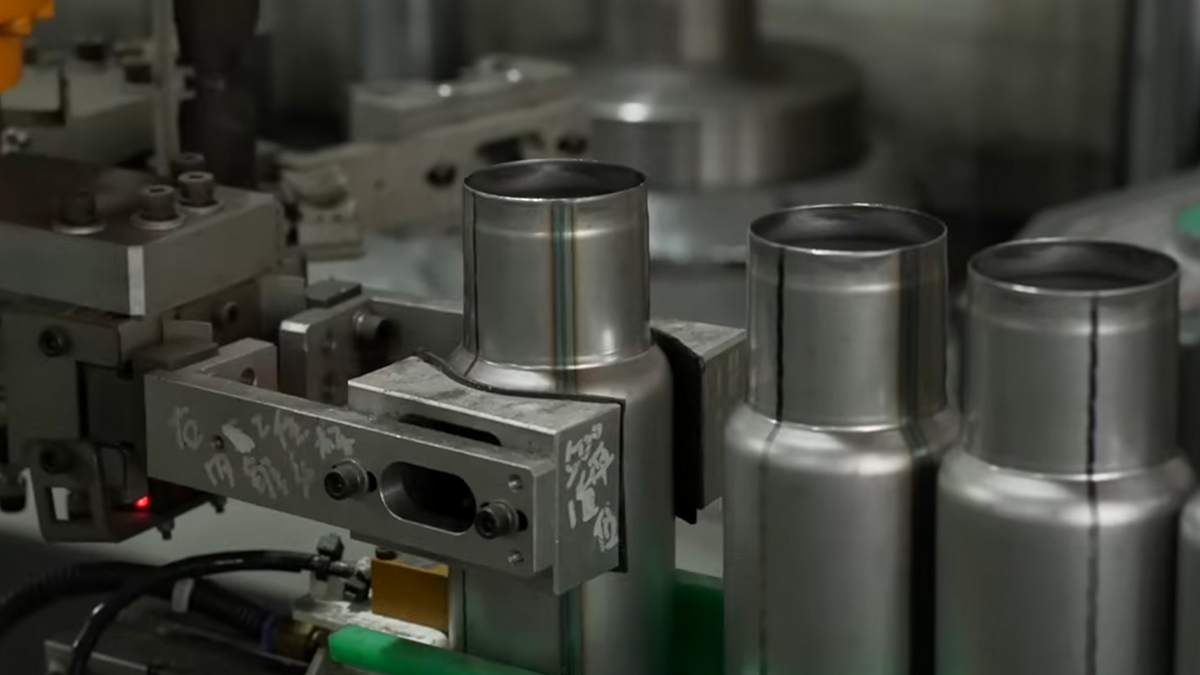
Quality control system is a rigid requirement. Certification like ISO 9001: 2015 means that suppliers have a standardized quality management framework, but this is only the basic threshold. For thermos cups, food contact conformity is also very important. FDA certification in American market, LFGB certification in European Union and REACH certification related to chemical safety are all strong evidence that materials and production processes meet the requirements of laws and regulations. Reliable suppliers will set up quality control nodes in the whole production process, from raw material inspection to finished product packaging verification, rather than relying only on sampling inspection after finished products after they go offline.
| Evaluation Area | Industry Baseline | Best-in-Class Expectation |
| On-time delivery | ~85% | 95%+ consistently |
| Order accuracy | ~92% | 99%+ with documented checks |
| Lead time | 25–35 days | 15–20 days for standard items |
| Response time | 48–72 hours | Within 24 hours |
Material Choices and Their Impact on Insulated Water Bottles’ Performance and Perception
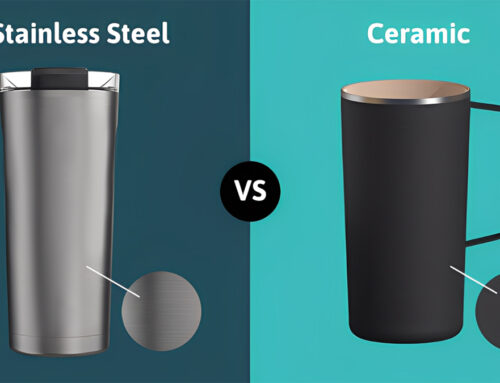
Material selection is a far-reaching core decision in the production of insulated stainless steel bottles / shaker bottles / water jugs / thermos coffee pots / hip flasks / beer growlers / dog bowls, which is directly related to product performance, safety in use, cost control and sustainable development reputation. Although ceramics and plastic cups still have a specific audience, stainless steel has always been the mainstream material for brand thermos cups because of its obvious advantages.
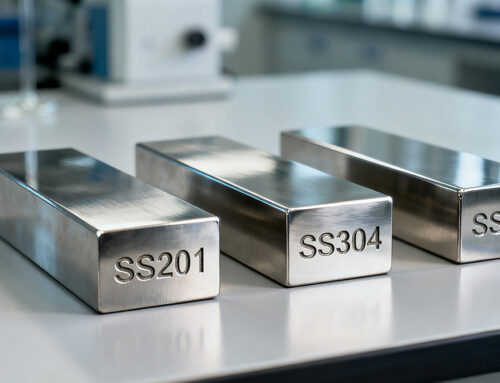
Among the stainless steel materials, 304 and 316 are the most common. From the perspective of practical application, 304 stainless steel with double-layer vacuum insulation structure is the best choice for most brands. This material can meet the requirements of high corrosion resistance for daily use, and has excellent durability and food-grade safety compliance, and its cost is much lower than that of 316 stainless steel. Generally, 316 is only used in special circumstances, such as the marine environment. Only in this case, its stronger corrosion resistance is enough to support the premium value.
The concept of sustainable development is more and more affecting the purchase decisions. Stainless steel is strong and recyclable, which has obvious advantages over plastic cups-plastic cups not only have a shorter service life, but also a more complicated recycling process. Focusing on durable and reusable brands not only conforms to the current trend of environmental consumption, but also reduces the frequency of consumers changing products. This is a hidden advantage, but it is a real sustainable value.
Streamlining the Insulated Tumblers & Mugs Supply Chain Without Sacrificing Quality
Inventory strategy is the key link. Just-in-time stocking mode can provide flexibility for customized and seasonal products, while bulk purchasing can reduce the unit cost of core products. Most high-end brands will adopt a mixed strategy: the standard models will always be in stock, and the customized models will be put into production on demand to balance the inventory holding cost and avoid the risk of shortage.
The minimum order quantity is often the pain point of the game between supply and demand, especially for growing brands. High-quality suppliers will be willing to negotiate a step-by-step order quantity plan, which will not only link pricing with purchase quantity, but also give flexible adjustment space during market test and new product launch. Shortening the delivery period is also an important value of strategic cooperation. Integrating supplier resources, increasing local warehouses and optimizing production scheduling can greatly shorten the time to market of product without relying on high-cost expedited transportation.
Digital tools are becoming the core support to improve the efficiency of the supply chain. Real-time inventory tracking, automatic replenishment warning, electronic quality inspection documents, improve the visibility of the whole link, reduce all kinds of errors. Choosing suppliers with this digital capability can often achieve a real improvement in brand delivery compliance rate and internal synergy efficiency.
Conclusion
The core of choosing high-quality thermos suppliers is not to finalize the partner with the lowest quotation, but to find the partner who can support the brand development vision for a long time. A perfect quality control system is a solid guarantee for brand reputation; Professional material selection ability can guarantee the performance and safety of products; Mature supply chain integration ability can increase sales while maintaining operational efficiency. Emerging trends, such as intelligent functions and sustainable development, further raised the industry threshold, and make the industry experience and flexibility of suppliers more and more valuable.
In the current global market, if a product has quality problems, it will easily turn into a negative case that is hotly debated all over the network. Reliable suppliers are not only the risk firewall of the brand, but also the booster of performance growth. Only by adhering to a rigorous attitude, the spirit of exploration and the vision of long-term development to screen supplier brands can we firmly hold the profit space and retain loyal customers; Only in this way can we always be confident-I am sure that every product of our company can fulfill its quality commitment as promised, and accompany consumers through every morning, every commute and every meeting.
As a reliable custom water bottle supplier, we not only offer products that are ready for immediate shipment, but also provide customized services on a large scale. We are willing to align with your long-term brand development goals. If necessary, please feel free to contact us at any time through email: sales@waterbottle.tech. We will provide you with customized solutions that balance quality, efficiency and innovation.