Last updated: June 17th, 2026
Global wholesalers, large-scale corporate procurers, and importers of children’s brand water bottles are making high profits. The water bottles that they choose must balance product craftsmanship and trendy design. To put it simple, choose water bottles that are safe and cute, making sure both kids and their parents are satisfied.
Experienced purchasers are well aware that these two factors directly affect profits: safety can prevent customs delays, California 65 law liability, and batch recalls; attractive appearance can accelerate inventory turnover and enhance global channel profits.
Kingstar focuses on a complete set of compliant OEM/ODM water bottle supply chains. The insulated vacuum performance of the water bottles is excellent, and the shells are non-toxic and wear-resistant. This guide integrates process parameters, material standards, and various national regulations to help create a compliant and high-profit children’s water bottle product line.
Why is the premium children’s drinkware market expanding globally?
Market Size & Growth
| Market Segment | 2025 Base Value | Forecast Value & Year | Estimated CAGR |
|---|---|---|---|
| Global Insulated Drinkware | $11.20 Billion | $18.10 Billion by 2033 | 6.1% |
| Reusable & Eco-Friendly Bottles | $10.51 Billion | $20.20 Billion by 2033 | 8.5% |
| Kids Water Bottle | $2.62 Billion | $4.15 Billion by 2035 | 5.2% |
| Thermos / Premium Vacuum Flasks | $3.31 Billion | $4.95 Billion by 2032 | 6.4% |
The table above shows that the annual growth rate of the insulated drinkware market is as high as 6.1%, and the market size will reach $18.10 Billion by 2033. Among them, the growth of children-specific products is stable. The current market size is 2.62 billion US dollars, and it is expected to increase to $4.15 Billion by 2035. Out of safety concerns, parents tend to abandon cheap plastic water cups and turned to stainless steel models, which has also driven up product prices. The market data indicates that the insulation technology and customized styles are the core profit-selling points for wholesalers to enter this sector.
Why Parents Pay Premium (Key Drivers)
- Plastic Safety Concerns: Single-wall plastic water bottles can release microplastics, forcing consumers to switch to stainless steel materials. Regulatory measures in various countries have tightened, and product recalls have occurred frequently. Compliant certification materials are more trusted by the market.
- Insulation Performance: A good water bottle should have excellent insulation performance, at least keeping the drinks hot or cold for 5-6 hours. And this core technology supports products to command higher premiums.
- Visual Customization: The trend of personalized customization enriches the brand’s differentiated selling points. Kids like cartoon characters, cute animals, and seasonal limited prints. Parents are willing to pay for these visual designs.
Which manufacturing standards guarantee safe custom children’s bottles?
When importing children’s consumer goods for children under 12 years old, compliance framework certification is the most crucial guarantee. Without clean laboratory testing data, your logistics will be halted, and you will face severe financial penalties at customs.
Material Safety: Key Standards for Bottle Body & Components
To ensure the safety of children under the age of 12, all components of the water cup must be made from compliant materials.
- The outer shell:
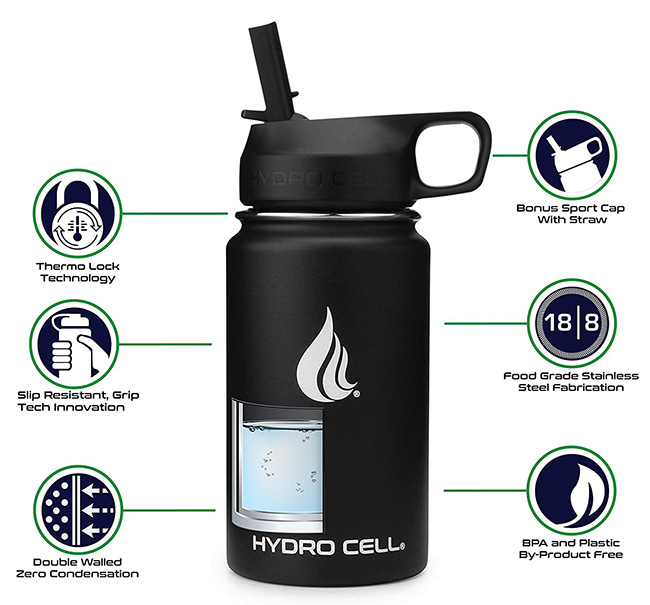
It is made of 304 (18/8) or 316 stainless steel. This material contains 18% chromium and 8% nickel. The surface structure is stable and rust-resistant. Do not use 201 stainless steel: it replaces nickel with manganese, which is cheaper but prone to rust when in contact with acidic beverages such as juices.
- The inner wall
Because it contacts drinks directly, it’s recommended to choose 304 or 316 stainless steel as well, not 201. Ceramic lining may not leave metal odor, but it’s more brittle for kids.
- Lids, straws, seals (plastic & silicone parts)
These parts must be free of BPA, BPS, and phthalates—these substances can disrupt the human endocrine system and are strictly prohibited in all children’s products worldwide. Safe alternative materials: Eastman Tritan (copolyester), HDPE, PP, or platinum-cured food-grade silicone.
Testing & Compliance: Passing US FDA and California Prop 65
| Region | Key Regulation | Testing Methodology | Critical Requirement |
|---|---|---|---|
| United States | FDA 21 CFR Part 174-179 | Total Extraction Testing | Food-contact surface approval for all materials |
| California | Proposition 65 | XRF / ICP-OES Analysis | Lead, cadmium below detection limits |
| European Union | LFGB / REACH / EU 10/2011 | Toxicological Screening | Phthalates, BPA-free materials |
| Germany | LFGB Knife & Fork Mark | Sensory + Migration Test | Odor-free guarantee, toxic substance testing |
When the supplier provides the compliance certificate, B2B buyers have to check it carefully. Make sure to request the complete laboratory test report. Regarding US FDA, confirm that the report covers all food contact components. For California Prop 65, verify that the lead and cadmium test results are marked as “not detected (ND).” For the EU or German LFGB, check that BPA and phthalates are banned.
How do you optimize product sizes and lid types for retail catalogs?
When building kids’ drinkware product lines, there is only one core principle: don’t sell the same type of water bottles to toddlers and teenagers. To accelerate the inventory turnover, it is necessary to make categorized planning for the products based on children’s age and daily usage scenarios in schools.
Choosing the right sizes: Why 12 oz and 14 oz sell out fastest
For kids under 10 years old, the mainstream sizes are 12oz (355 ml) and 14oz (414 ml). Purchasing other sizes will result in an inventory backlog and poor sales:
Compatible Weight: A 12oz stainless steel cup filled with water weighs about 1.5 pounds. This is the roper weight that young children can easily hold without dropping it.
Fit for Schoolbag: Both 12oz and 14oz are designed to be compatible with the standard car seat cup holders and the mesh side pockets of schoolbags. Larger sizes may cause higher return rates.
Selecting the Right Lid Style
| Age | Best Lid Type | Why It Works | Warning |
|---|---|---|---|
| 2-4 years | Silicone straw (bite valve) | Leak-proof when tipped | Avoid hard straws |
| 5-7 years | Push-button lid | One-hand operation | Check lock mechanism |
| 8-10 years | Twist-off cap | Hand strength improving | Teach proper twisting |
| 11+ years | Any type | Personal preference | Keep weight under 1lb |
Something that you need to know:
- The 2-7 age group is the core sales segment for children’s water bottles. Silicone bite straw lids and push-button pop lids are the hot-selling products.
- The same bottle body can be paired with multiple lids for sale as a set to increase the price premium of the individual product;
- Low-age model silicone accessories must meet the standards of no BPA and no phthalates. A complete set of test reports must be provided.
Finishes matter: Why powder coating protects your investment
Children often drop water bottles on concrete sidewalks, drag them across the gravel surface, and even put them directly into the dishwasher for cleaning. Cheap glossy liquid paint is prone to chipping off, leading to a large number of safety complaints from parents. When purchasing, be sure to specify the powder coating for spray painting to ensure the product is durable.
| Metric | Powder Coating | Traditional Spray Paint |
|---|---|---|
| Salt Spray Resistance | 800+ hours | 24–96 hours |
| Lifespan | 15-20 years | Repeated recoating needed |
| Cost (5-year) | One-time application | Multiple repaints required |
| VOC Levels | Near-zero emission | 250-380 g/L VOCs |
| Cure Temperature | 350-400°F / 177-204°C | Air dry, no cure |
What colors and themes are most popular among children?
Children are highly attracted by visual elements. Popular children’s water bottles usually follow seasonal trends, cater to the aesthetic preferences of different age groups, and feature popular IP themes.
Younger children prefer bright colors and cute cartoon images; school-age children, on the other hand, favor personalized trend designs, such as sports, space themes, or minimalist styles.
| Age Group | Popular Colors | Best-Selling Design Themes |
|---|---|---|
| 2–5 years | Pink, sky blue, yellow, mint green | Animals, cartoons, fruits |
| 6–9 years | Purple, navy, orange, green | Dinosaurs, space, superheroes, sports |
| 10–12 years | Black, white, pastel colors | Gradient designs, simple graphics, personalized names |
How do ergonomic designs improve the safety and usability of kids’ water bottles?
The adult-sized water bottle cannot simply be downsized and then marketed to the children’s market. Children’s hand strength, drinking habits, and motor coordination are all different from those of adults. Ergonomic design directly determines whether a child feels comfortable and safe when using the water bottle daily.
What bottle shapes are easier for children to hold?
Children have smaller palms and weaker hand strength. Water bottles with slender bodies, rounded corners, or silicone anti-slip grips are easier to hold firmly and less likely to slip out of hands.
| Design Feature | Benefit for Kids |
|---|---|
| Narrow bottle diameter | Easier for small hands to grip |
| Rounded edges | Reduces discomfort and impact risk |
| Silicone sleeve | Improves anti-slip performance |
| Lightweight construction | Reduces carrying fatigue |
Why is the leak-proof and spill-proof design so crucial?
Parents always stuff water bottles, books, stationery, and clothes into their schoolbags together. Even a slight leakage can lead to bad reviews and returns. High-quality children’s water bottles are all equipped with silicone sealing rings, safety lock mechanisms, and special leak-proof straw valves to prevent accidental spills.
How does the easy-cleaning design influence parents’ purchasing decisions?
If the water bottle is difficult to clean, then it is easy to leave stains and breed bacteria, which is not safe for kids.
Parents may prefer styles with these features:
- Wide-mouth cup body, making rinsing more convenient
- Straws and silicone accessories can be disassembled
- All parts can be washed in the dishwasher
- The inner wall is smooth, with no hidden crevices for dirt accumulation
For brands and wholesalers, highlighting the selling points of easy maintenance can effectively drive sales.
Conclusion
For wholesalers, importers, and children’s product brands, a best-selling children’s water bottle must combine compliant certification materials, stable insulation performance, a user-friendly design that meets children’s needs, and sturdy durability to simultaneously satisfy the expectations of both parents and children.
Kingstar is an experienced manufacturer of custom stainless steel water bottles. We can develop safe and compliant children’s insulated water bottles that are suitable for market sales for global customers. We are proficient in raw material selection, vacuum insulation technology, personalized customization design, and standardized quality production, helping major brands create differentiated competitive children’s water bottle series and stand out in the global market.
FAQ
References
Grand View Research, 2024, Thermos Drinkware Market Size, Share & Trends Analysis Report, https://www.grandviewresearch.com/industry-analysis/thermos-drinkware-market-report
California Office of Environmental Health Hazard Assessment (OEHHA), 2025, California Proposition 65 Official Website, https://oehha.ca.gov/proposition-65
ASTM International, 2024, ASTM A240/A240M Standard Specification for Chromium and Chromium-Nickel Stainless Steel, https://www.astm.org/Standards/A240.htm
ISO, 2023, ISO 45001 Occupational Health and Safety Management Systems, https://www.iso.org/standard/72808.html

Mr. Samuel Liu is Senior Research&Development Engineer of KingStar Industries Co., Ltd. Please feel feel to send email to info@waterbottle.tech if you want to talk with him on technology and manufacturing.