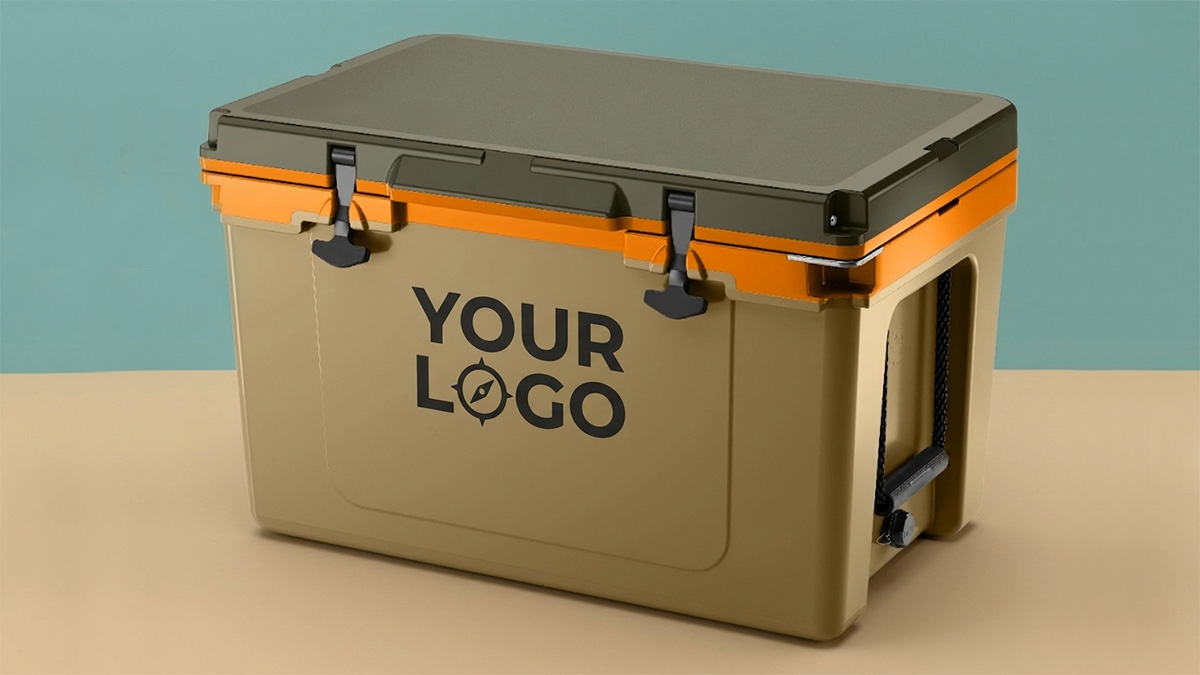
If you are looking for custom hard coolers (whether you are doing this for corporate gifting, purchasing gifts for promotional activities, or developing your own cooler brand), you need to make three key decisions: clarify the purchasing purpose, determine the customization depth, and select the appropriate manufacturing partner. Any sloppiness can lead to problems. For brand developers, it may cause inventory buildup, profit loss, or substandard quality, which can damage your brand reputation; for corporate gifting purchasers, an inappropriate gift will not stimulate employees’ positive emotions but instead will damage their sense of belonging and passion towards the company; and for promotional gifts, although they seem to be just add-ons, they are excellent brand promotion tools and those with poor quality will damage your clients’ trust towards your brand.
For procurement personnel and brand owners, this post provides you with the technical differences between different manufacturing methods, how to evaluate suppliers, which customization options can bring actual value, and the expected cost situation.
Defining Your Brand Identity: Who Is Your Cooler For?
Before selecting a factory or even getting started on sketching your customization, define your target user. The wrong cooler for your audience would lead to slow sales or unsatisfactory promotional/cohesive effect.
| Segment | Typical Use | Key Requirements | Ideal Cooler Size |
|---|---|---|---|
| Outdoor Activities | Hiking, camping, and parties | Portability, ice retention and appearance | 20-50QT |
| Commercial Marine and Fishing | Long-distance water travel | Superior robustness, non-slip feet, and hardware resistant to corrosion | 50-150QT |
| Medical transportation | Medical supplies, medications, and vaccines | Ice retention & material safety | 30-50QT |
| Corporate Gifting | Client appreciation and employee gifts | Superior design and brand awareness | 20-30QT |
| Construction/Trades | Jobsite hydration | Heavy-duty latches, wheels for mobility, and a large capacity | 50-100QT |
Answer these three questions to narrow your focus:
- What environment will the cooler face?
Equipment in seawater environments requires components made of stainless steel. The construction site usage demands designs with impact resistance at the corners. Ordinary gatherings, hikings and campings focus more on appearance and portability. Rgorous outdoor survivals place greater emphasis on ice retention performance. - How much is your budget?
The unit cost of high-end rotational molded coolers combined with 3D printing, laser engraving, full-color printing, or other advanced customization, is higher. If your budget is limited, you can choose injection molded/blow molded cooler + basic customization (color altering, screen printing, etc.). - Who’s your target audience?
If you are in the retail business, then the end customers will place greater emphasis on the design and performance of the cooler; if you are purchasing for corporate gifting, your cooler should better showcase your company’s brand and align with your corporate values; if you are building your own brand, you should strike a balance between budget and performance, especially in the early stages.
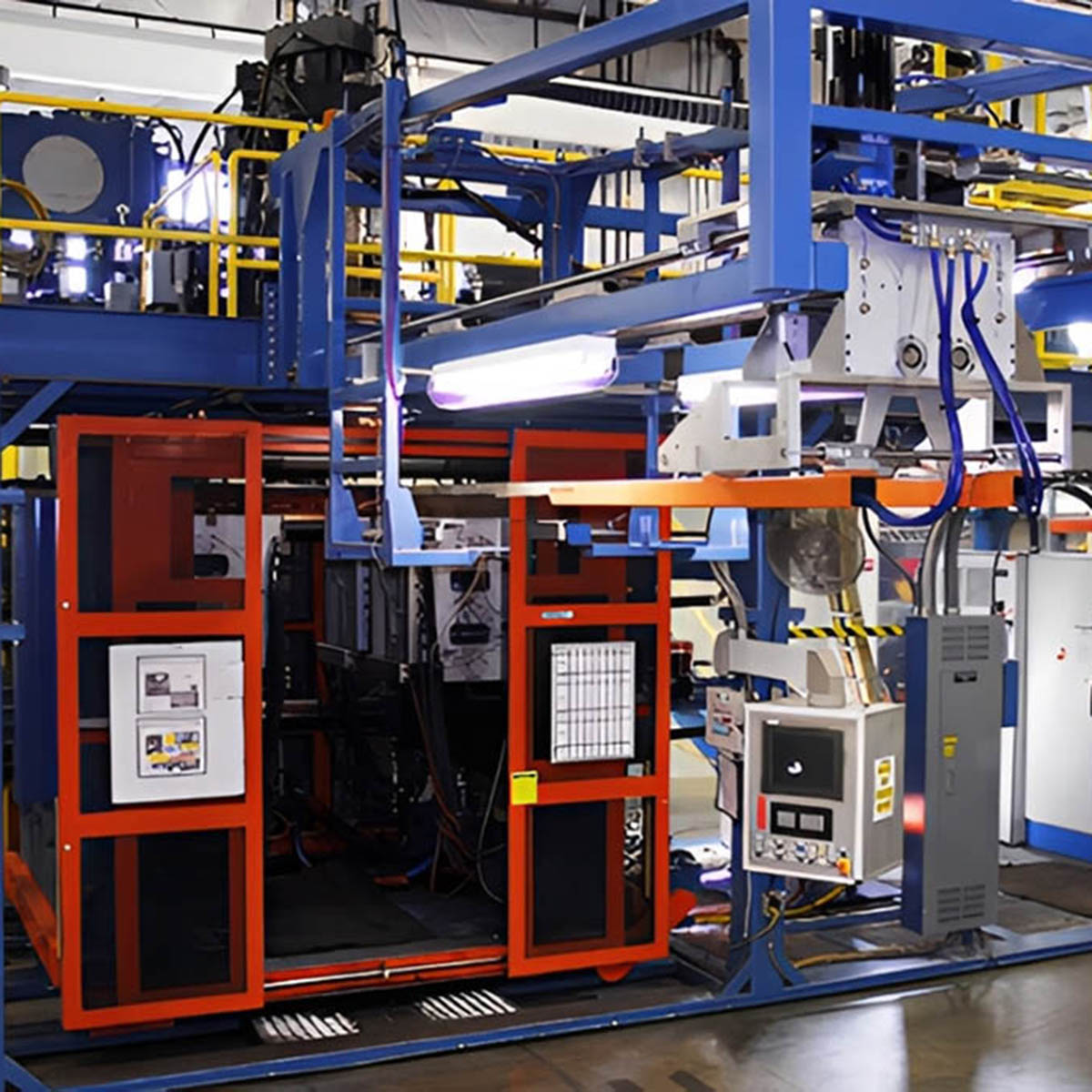
How Are Cooler Boxes Manufacturered: Rotomolding, Injection Molding, and Blow Molding
Durability, weight, cost, design flexibility, and ultimately the market segment your cooler caters to are all determined by the manufacturing process. The best option depends on your target market and pricing strategy. Each approach has specific uses.
Three Manufacturing Technologies Compared
| Factor | Rotomolding | Injection Molding | Blow Molding |
|---|---|---|---|
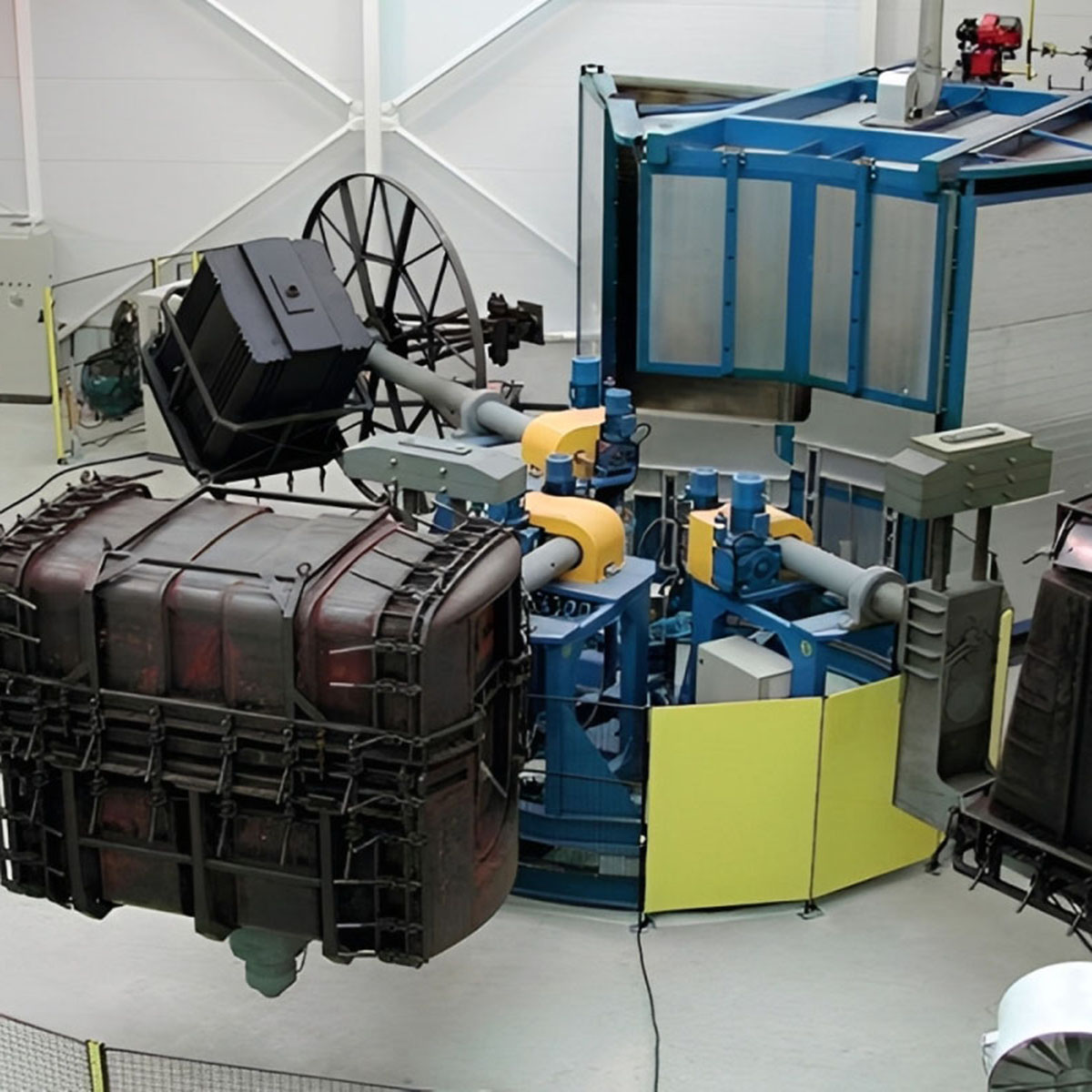
| How It Works | Plastic powder is heated and rotated in a mold to coat the interior surface. | Melted plastic is injected into a mold under high pressure | Melted plastic is extruded into a hollow tube and inflated with air to fill the mold |
| Design & Complexity | Complex shapes, integrated features | Unmatched precision and complexity. High precision, complex geometries, undercuts possible | Best for simple contours |
| Durability | Extremely long lifespan, seamless construction and outstanding impact resistance | Medium lifespan, seams may be present, but well-designed structures function consistently | Relatively low lifespan, but is able to support daily use. Lightweight and functional, but isn't built for extreme abuse. |
| Weight | Heavy | Moderate | Lightweight |
| Tooling Cost | Moderate ($5,000-$20,000 per mold) | Higher ($15,000-$50,000 per mold) | Lower ($3,000-$12,000 per mold) |
| Wall Thickness | Thick | Medium | Low |
| Per-Unit Cost | High - longer cycle times with more material | Moderate to low | Low |
| Typical Products | Large capacity, marine-grade, premium heavy-duty coolers | Medium-sized, integrated features, complex components/structures | One-piece, lightweight, compact coolers |
| Best Applications | Heavy-duty outdoor, marine, construction, premium branding | Complex cooler bodies, accessories, components with integrated features | Lightweight portability, entry-level customers, promotional items |
Which Manufacturing Method Fits Your Project?
Rotomolding
- Excellent ice retention performance, impact resistance, and durability
- Seamless construction and the ability to incorporate features like built-in handles, cup holders, and fixed slots
- Highly suitable for brands targeting outdoor enthusiasts, marine professionals, and heavy users
- A standard configuration for high-end positioning
- The highest unit cost & highest retail price
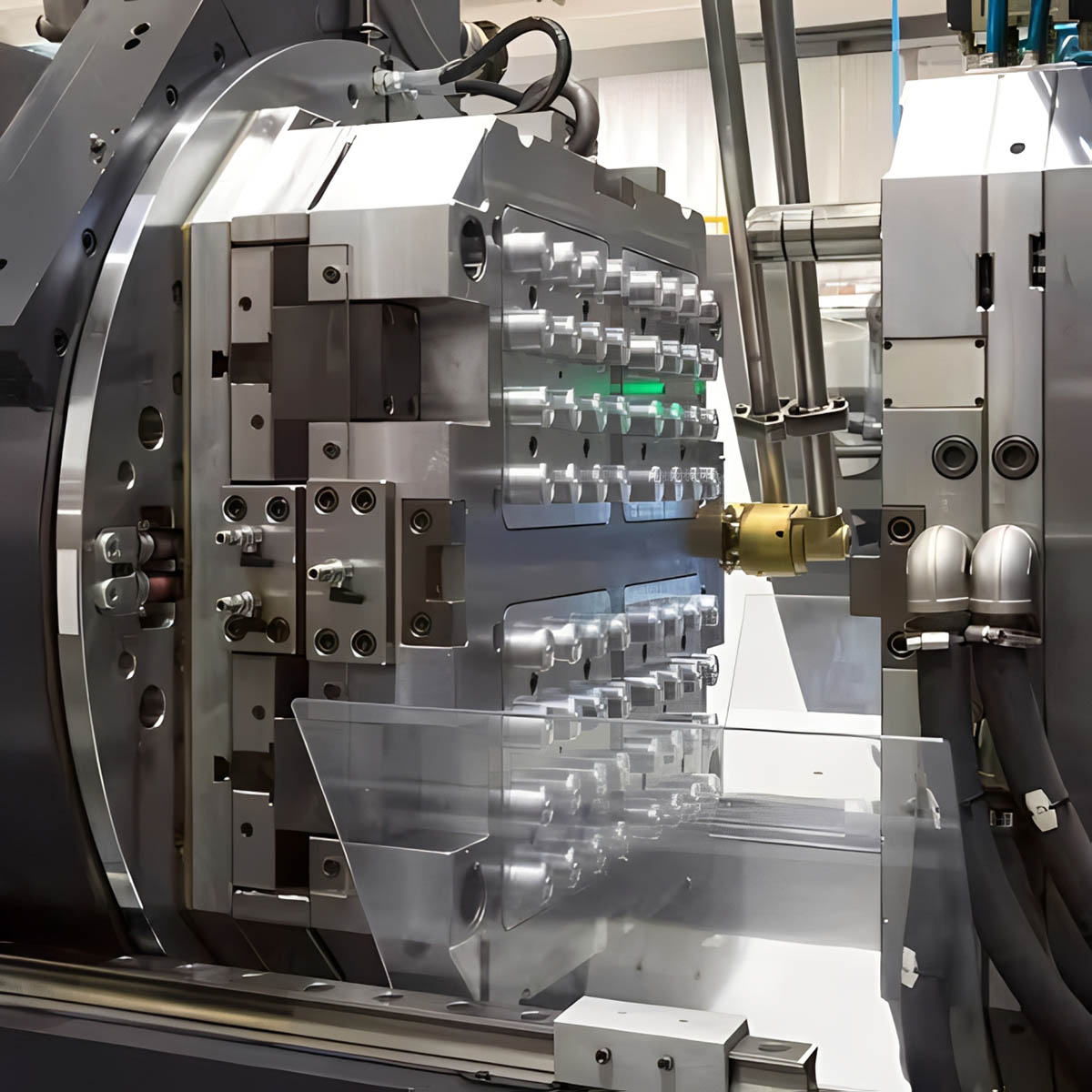
Injection Molding
- A moderate unit cost
- Appropriate for products with high precision and detail requirements
- Able to accomplish intricate shapes, integrated hinges, and superior surface treatment effects
- Moderate weight
- Dependable performance at a lower cost
- Ideal for promotional/corporate gifting
Blow Molding
- Lightweight, entry-level and promotional products
- Ideal for large-scale production at competitive price points
- Suitable for customers pursuing small to medium coolers for everyday use and promotional giveaways
Customization Across All Three Technologies
Regardless of the manufacturing method, customization options are available at varying depths:
- Custom color matching
- In-mold logo
- Heat transfer / decal
- Screen print / pad print
- Laser engraving (on metal hardware)
- Metal badge inlay
- Structural modifications
Your choice of manufacturing method should align with your target market. A well-executed cooler can succeed at any price tier when the specifications match the user’s expectations. For example a premium rotomolded cooler might be too much for a regular promotional giveaway, just as a lightweight blow-molded cooler would disappoint a serious outdoorsman expecting week-long ice retention.
Insulation Technology
The insulation material directly correlates with ice retention.
- Standard foam: Open-cell or low-density foam. Ice retention of 2–4 days. Common in budget coolers.
- Pressure-injected polyurethane foam: High-density foam injected under pressure, filling every cavity. Achieves 5–10+ days of ice retention. Standard in rotomolded premium coolers.
Ask your supplier: What is the foam density (kg/m³)? Anything below 40 kg/m³ indicates cost-cutting.
Hardware & Accessories
| Component | Budget Grade | Premium Grade |
|---|---|---|
| Latches | Plastic, spring-loaded | Rubber T-latches with stainless steel pins |
| Hinges | Pin hinges | Integrated stainless steel or heavy-duty molded |
| Handles | Rope or plastic | Molded rubber over-molded grips |
| Drainage | Simple screw plug | Threaded drain with garden hose adapter |
| Gasket Seal | Thin foam | Thick freezer-style rubber gasket |
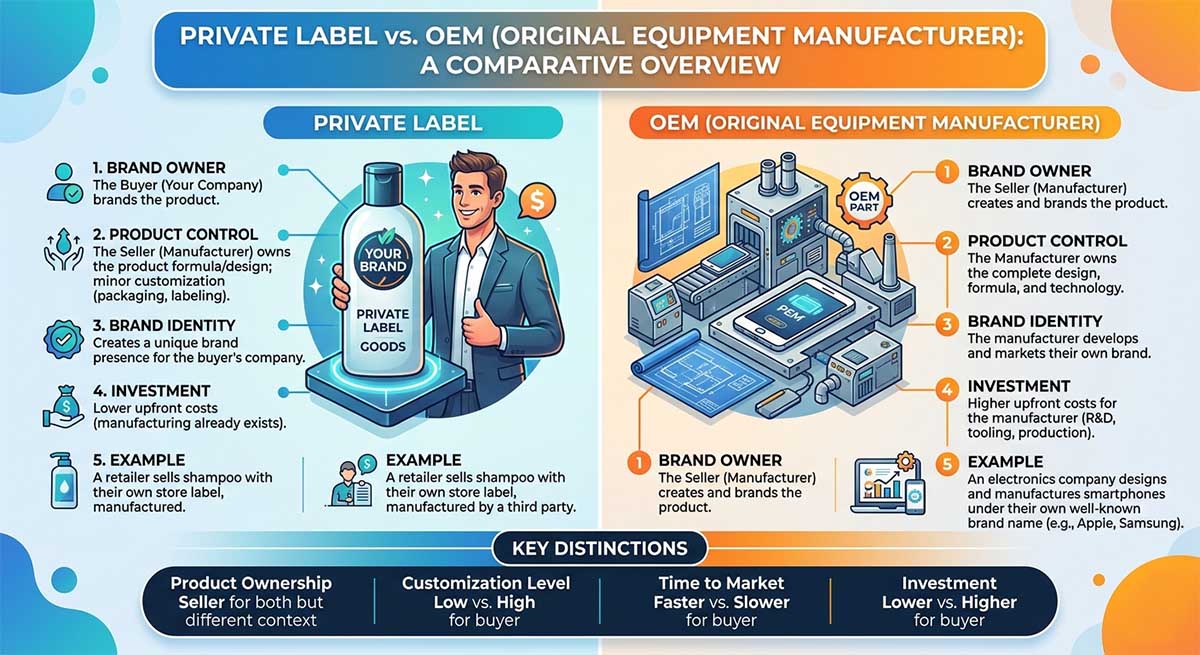
Private Label vs. OEM
Two distinct paths exist for launching a custom hard cooler. Your choice determines timeline, investment, and exclusivity.
What Is Private Label?
You select an existing cooler model from a manufacturer’s catalog and add your branding: custom logo, colors, packaging, etc.
Advantages include:
- No mold investment required
- Lower MOQ (typically 100-500 units)
- Faster turnaround time (4-8 weeks)
- Proven product with existing testing data
Drawbacks:
- Limited differentiation; similar products may be sold by your rivals
- No significant modifications, such as those to dimensions or salient features, are permitted.
- Reliant on the inventory of the manufacturer
OEM (Original Equipment Manufacturer): What Is It?
You create a cooler that is exclusive to your brand using a custom mold.
Among its benefits are:
- Complete exclusivity
- Total command over the design’s dimensions, key elements, and appearance
- Increased brand differentiation and perceived value
Disadvantages you need to consider:
- Higher upfront investment ($5,000-$50,000 for molds)
- Longer turnaround time (12-20 weeks for mold creation + production)
- Higher minimum order quantities required (500-1,000+ units typically, but you need to produce more in order to spread the costs over each unit to profit)
- Technical risk if design has flaws, which means more initial input of time and money
Comparison: Private Label vs. OEM
| Factor | Private Label | OEM (Custom Mold) |
|---|---|---|
| MOQ | 100–500 units | 500–2,000+ units |
| Mold Cost | $0 | $5,000–$50,000 |
| Lead Time | 4–8 weeks | 12–20 weeks |
| Exclusivity | None | Full |
| Design Control | Limited to color/logo | Complete |
| Risk Level | Low | Medium–High |
Customization Options: Beyond the Logo
Customization extends far beyond placing a logo on the front panel. The depth of customization determines how memorable your brand becomes.
Color & Pantone Matching
- Standard colors: Pre-existing colors from manufacturer’s catalog. No additional cost. Limited selection.
- Custom color matching: Manufacturer matches your specified Pantone color. Adds $100–$500 per color for color development. Minimum quantities typically higher.
Decoration Methods
| Method | Durability | Detail | Cost | Best Application |
|---|---|---|---|---|
| Silk Screen | Medium | Simple logos | Low | Basic branding, lower quantities |
| Heat Transfer | Medium-High | Full-color images | Medium | Photographic or complex designs |
| Pad Print | Medium | Small, detailed | Medium | Small logos on lids or hardware |
| Laser Engraving | High | Precise, metallic finish | Medium-High | Premium branding, metal components |
| Metal Badge | Highest | 3D, textured | High | Premium luxury positioning |
| Molded-in Logo | Highest | Integrated into plastic | High (mold mod) | Permanent, can’t be removed |
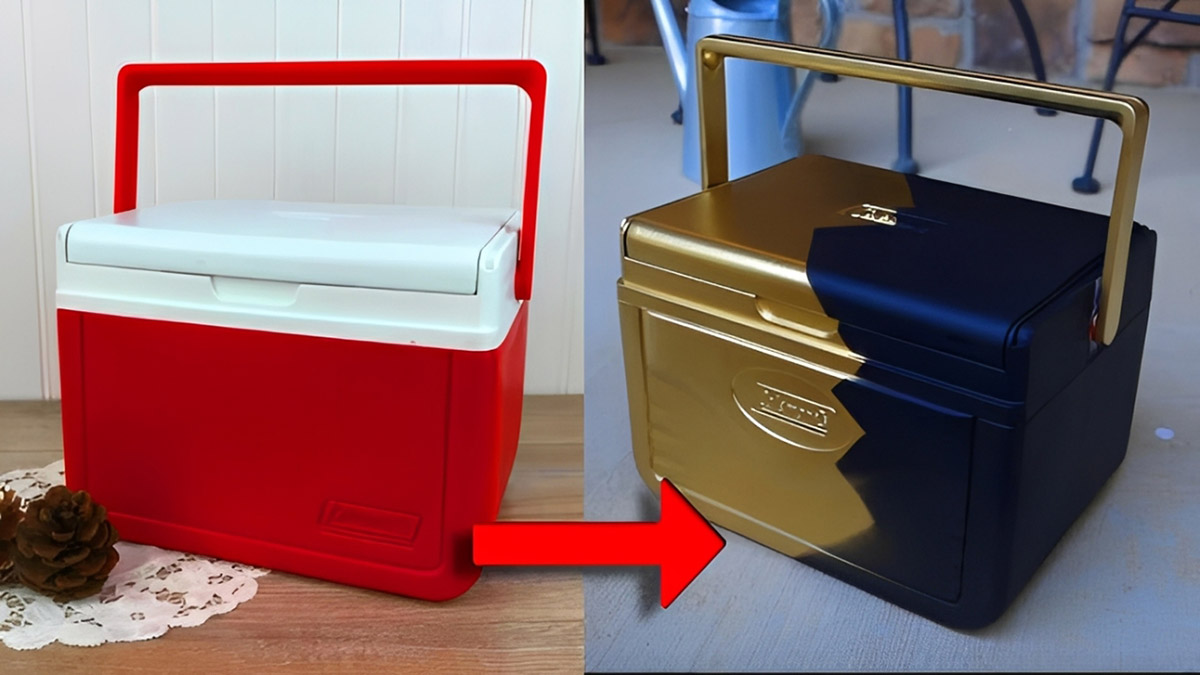
Structural Customization
Structural customization distinguishes your brand in OEM projects:
- Integrated accessories: Fish rulers, cutting boards, bottle openers, and cup holders
- Organizers and dividers: Personalized interior arrangements for particular applications (food vs. beverage).
- Wheel configurations: Standard casters versus heavy-duty off-road wheels
- Where to put drains: side drains are easier to tilt than rear drains.
How to Choose the Right Supplier for Your Ice Chests
Order delays, poor quality, and harm to a brand’s reputation result from selecting the incorrect supplier. Use this checklist to vet partners.
- Quality Control Capability
- ISO 9001 certification: Indicates standardized quality management systems
- In-house testing: Ask if they conduct ice retention tests, drop tests, and latch cycle tests
- Third-party inspection: Confirm they accept SGS, QIMA, or similar pre-shipment inspections
- Minimum Order Quantity (MOQ)
- Clarify MOQ for standard colors vs. custom colors
- Ask if they offer “sample run” quantities (50–100 units) for market testing
- Understand MOQ for accessories (hardware color variations often have separate MOQs)
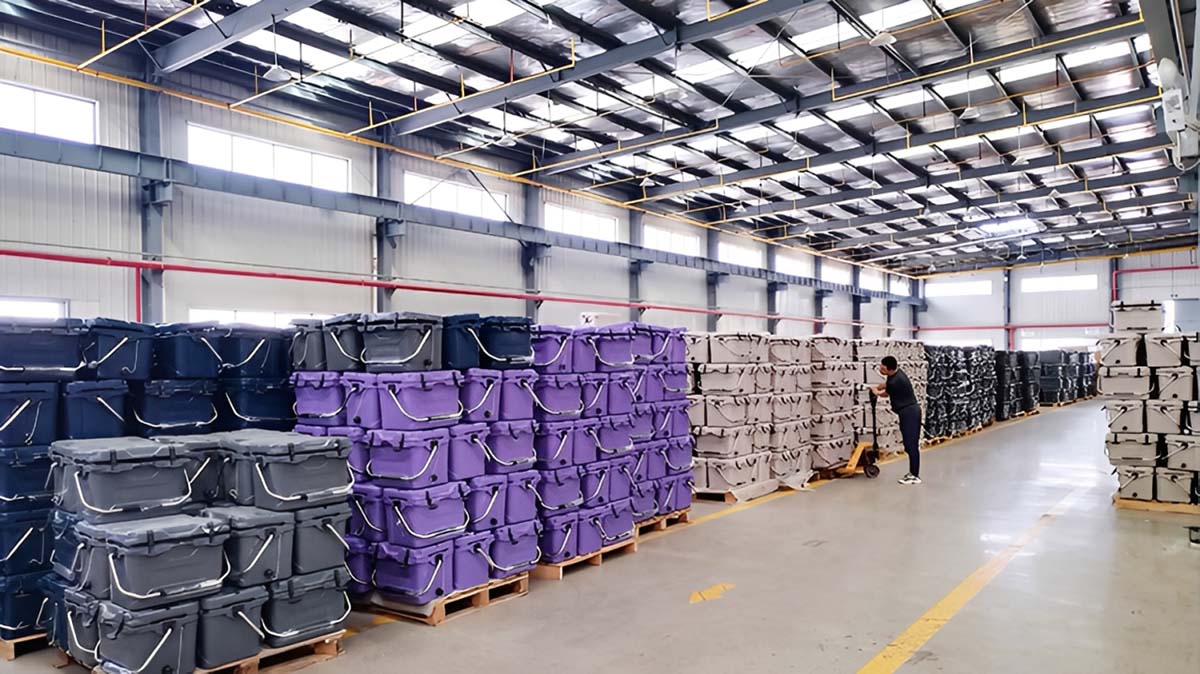
- Lead Times & Production Capacity
Critical question: What is your monthly production capacity? Ensure they can scale with your growth.Stage Typical Duration Sample production 15–25 days Bulk production (private label) 30–45 days Bulk production (OEM) 60–90 days Ocean freight (Asia to US) 20–35 days Air freight (express) 5–10 days - Communication & Transparency
- Language: Confirm English fluency or translator availability
- Time zone overlap: Check if there’re overlapping business hours(3-4 hours would be ideal)
- Sample policy: Do they charge for samples? Is the cost refundable with bulk order?
- Payment terms: Standard is 30–50% deposit, balance before shipment. Be wary of 100% upfront.
Hard Cooler Production Cost Breakdown
Transparent costing prevents budget surprises. Here’s how to read a supplier’s quotation.
One-Time Costs (Non-Recurring Engineering – NRE)
| Cost Type | Private Label | OEM |
|---|---|---|
| Mold / Tooling | $0 | $5,000–$50,000 depending on size/complexity |
| Sample Fee | $100–$500 per sample | $500–$2,000 per sample (covers material and labor) |
| Pantone Color Matching | $0–$500 per color | $0–$500 per color |
| Artwork Setup | $25–$75 per color | $25–$75 per color |
Recurring Costs (Per Unit)
| Component | Low-End Estimate | Premium Estimate |
|---|---|---|
| Cooler body (rotomolded, 30–50 qt) | $25–$40 | $45–$70 |
| Cooler body (injection molded) | $12–$20 | $20–$35 |
| Custom color | None or +$1–$3 | None or +$3–$6 |
| Decoration (logo) | +$0.50–$2 | +$2–$5 |
| Packaging | $0.1–$1 (poly bag + brown box) | $1–$2 (Retail-ready packaging/ full-color gift box) |
Hidden Costs to Anticipate
- Freight: Sea freight costs vary by season. Budget $2,000–$8,000 per 20-foot container depending on origin and destination.
- Duty & Tariffs: Coolers typically fall under HTS 3923.10 or 9617.00. Expect 3–6% duty on the CIF value.
- Warehousing: Factor storage costs if ordering full containers before your sales channels are ready.
- Minimum Advertised Price (MAP) enforcement: If selling through retailers, consider budget for MAP monitoring services.
Bringing Your Product to Market: Step-By-Step Process
Understanding the full production cycle helps you set realistic expectations with investors and sales channels.
- Brand Positioning & Design Brief
Specify the price, target market, and essential features. Create a technical specification sheet. - Supplier Selection & Sampling
Vet 3–5 suppliers. Request samples of existing products to evaluate build quality. Select partner. - Approval of Pre-Production Samples
Invest in two to five pre-production samples. Verify the accuracy of the branding, the longevity of the latch, the ability to retain ice, and the resistance to leaks. - Deposit & Contract
It is necessary to sign a comprehensive purchase agreement. List the materials, colors, packaging, due dates, and inspection specifications. Make a 30–50% down payment. - Monitoring Production and Quality
Every week, request images and production updates. For orders larger than 500 units, consider third-party inspection during production. - Inspection Prior to Shipment
Examine the completed goods one last time. Verify the workmanship, quantity, and packaging. - Shipping and Balance Payment
Pay the remaining sum following the inspection. Make freight arrangements. Obtain cargo insurance. - Customs Clearance & Warehousing
Work with a customs broker to clear goods. Move inventory to warehouse. - Distribution & Marketing
Distribute corporate gifts, start direct-to-consumer sales, or fulfill wholesale orders.
What is the typical minimum order quantity for a custom hard cooler?
For private label with standard colors, 100–300 units is common. For custom colors or OEM manufacturing with new molds, expect 500–1,000 units minimum.
How long does a rotational molded cooler box retain ice?
High quality rotomolded cooler is filled with pressure-injected polyurethane foam. It can maintain ice cubes from completely melting for 5 to 10 days under standard conditions (the laboratory testing environment, 85°F/29°C, openings restricted).
Can I get a sample before placing a bulk order?
Yes. Reputable suppliers provide samples for a fee, typically refundable or credited toward bulk orders. Expect 15–25 days for sample production.
What’s the difference between 304 and 316 stainless steel hardware?
304 stainless is standard and resists rust in most environments. 316 stainless contains molybdenum, offering superior corrosion resistance in saltwater marine applications.
How do I protect my custom mold investment?
Sign a mold ownership agreement that explicitly states you own the mold and can retrieve it if switching suppliers. Ensure the agreement covers mold maintenance and storage.
What certifications do you provide?
For food contact safety, confirm materials comply with FDA standards. The quality management of the factory complies with QS9001. For retail distribution, ensure packaging includes UPC barcodes and meets labeling requirements.
Can I mix and match colors across a single order?
Yes, but each color variation adds complexity. Most suppliers allow color mixing at additional per-unit cost, but minimum quantities per color may apply.
Conclusion
The customization of a hard cooler is not merely a matter of simply affixing labels to the unlabeled products. To achieve the expected results in procurement and brand development, the key to success lies in matching the product specifications, performance and appearance with your target audience, choosing the appropriate production method (molding/ injection molding/ blow molding; self-brand or contract manufacturing), and establishing a partnership with an experienced cooler manufactuer who prioritize quality and transparency.
Start with clear positioning. Investing in robust components is key, particularly when it comes to clasps, hinges, and insulation. Opt for methods that boost a product’s value without breaking the bank, instead of customizations that inflate costs without a corresponding benefit. And, of course, thoroughly examine samples before committing to mass production. Whether you’re launching a new brand, broadening your existing product range, or sourcing premium corporate gifts, partnering with seasoned manufacturers can guarantee product quality, consistency, and timely delivery.
To discuss your needs, request samples, or get a detailed quote based on your volume and customization preferences, reach out to us at sales@waterbottle.tech or complete the contact form on our website.